18 Handmade Business Ideas for Women Who Want to Sell
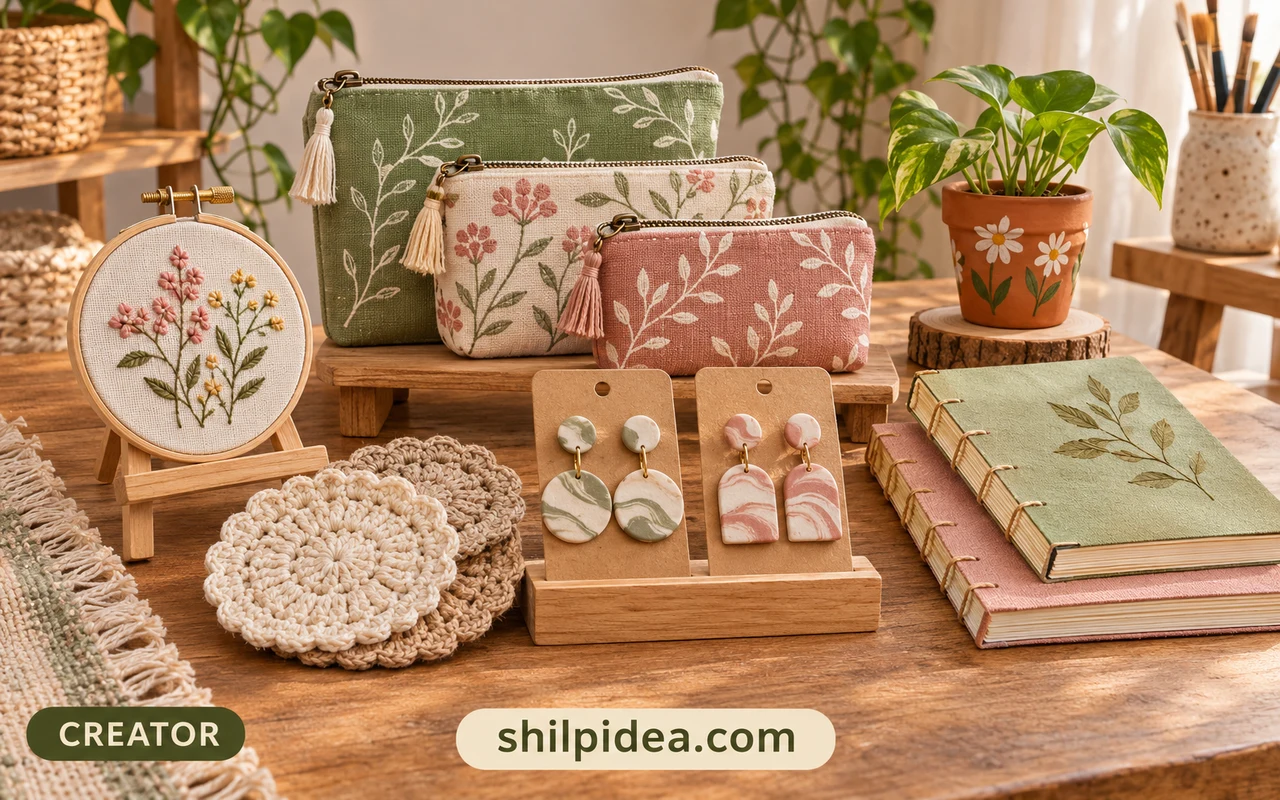
A handmade business can begin with one well-finished product that fits your skills, space and available time. These 18 directions offer a practical starting point for choosing what to make and sell.
If you enjoy seeing how a creative practice develops, this maker’s story offers another perspective. Here, the focus is physical products and manageable decisions.
You can also explore recycled craft ideas before choosing materials. Use the credited projects as visual inspiration, develop your own designs and check commercial-use terms before selling anything based on a purchased pattern.
1. Lined Zipper Pouches for Everyday Essentials
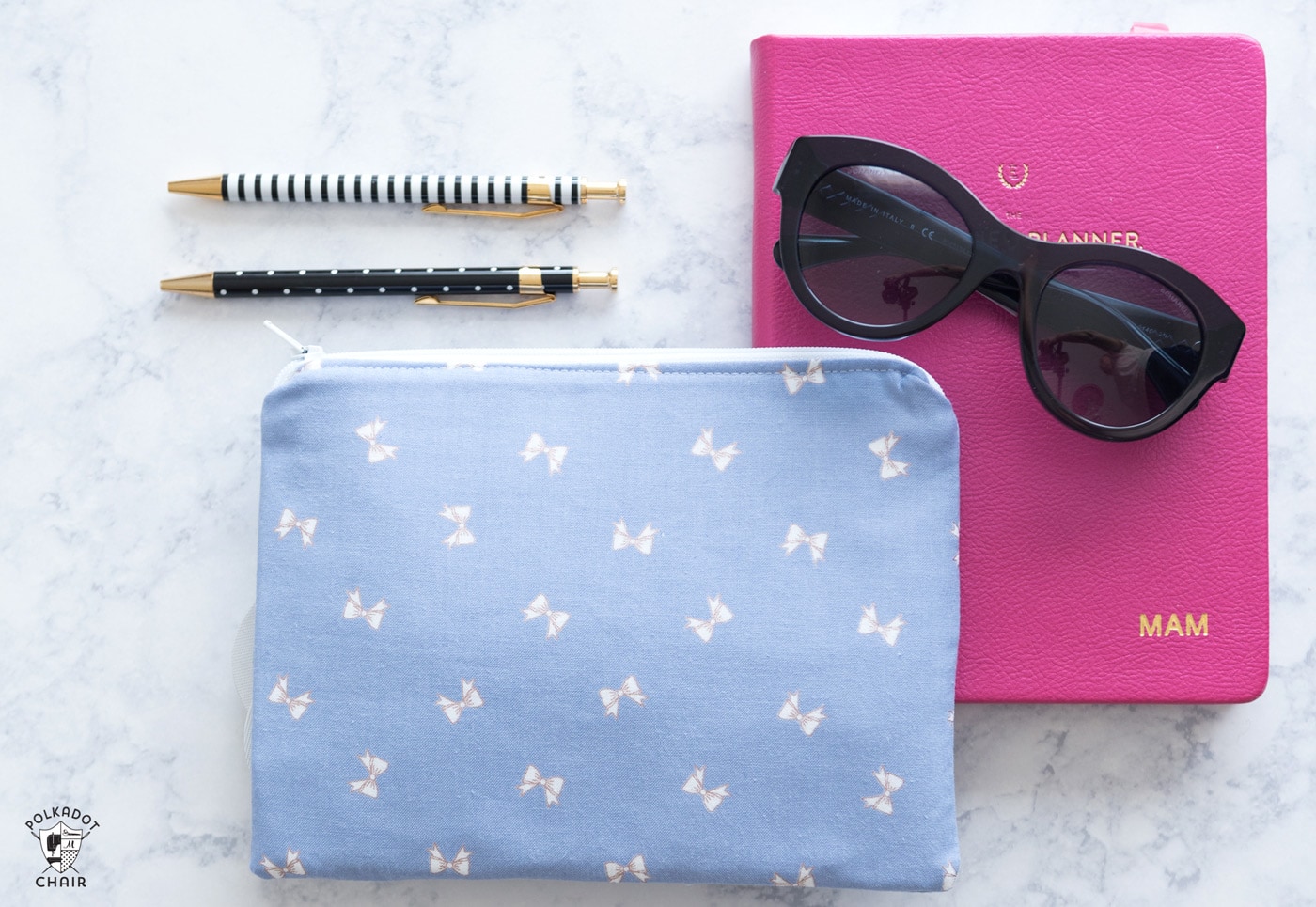
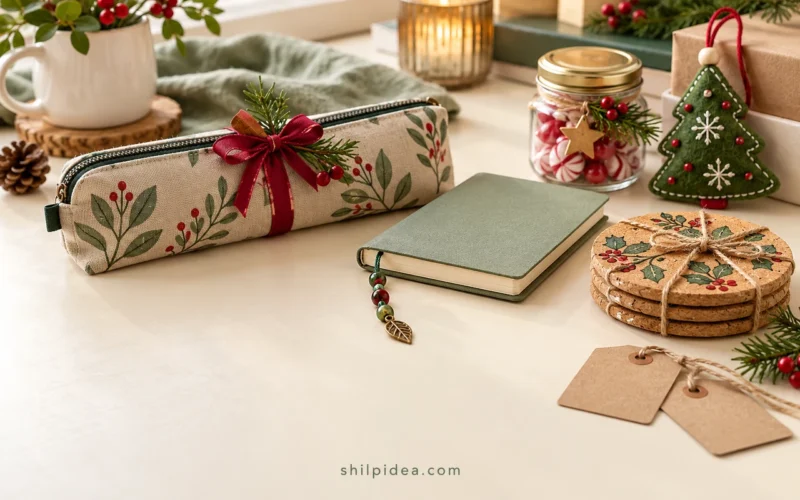
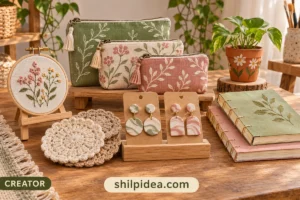
A compact pouch gives buyers an obvious use: organizing pens, toiletries or the small items that disappear inside a handbag. Cotton, lining fabric and a reliable zipper are the main components; matching the zipper ends and keeping the lining clear of the teeth take practice. Start with one size before offering several. Coordinate a few fabrics rather than buying a large print assortment, and photograph the open interior so customers can judge its capacity. A simple paper belly band can keep packaging light.
See the original project: Lined Zipper Pouches for Everyday Essentials by Melissa Mortenson / Polka Dot Chair.
2. Embroidered Hoops with Original Botanical Designs

Small embroidery hoops can become personalized wall gifts without requiring a large studio. Fabric, floss, a hoop and a neat backing are the essentials, but stitching time can vary greatly with the design. Begin with a modest motif and record how long it takes to complete. Our floral embroidery collection offers another way to think about arrangements. Create your own drawings or use a pattern with suitable selling terms. Show the reverse finish and include a secure hanging suggestion.
See the original project: Embroidered Hoops with Original Botanical Designs by Beverly McCullough / Flamingo Toes.
3. Macrame Plant Hangers for Small Homes

A hanging planter appeals to people who want greenery without using another shelf. Cord, a hanging ring and a consistent knot pattern give you a manageable product family, although finishing and load testing deserve time. Offer a clearly stated pot-size range instead of claiming that one hanger fits everything. Photograph the hanger with a pot, then make it explicit whether the pot is included. Bundle the cord neatly for shipping and give buyers sensible installation guidance for their wall or ceiling hardware.
See the original project: Macrame Plant Hangers for Small Homes by Alice & Lois.
4. Crochet-Edged Coaster Sets

Combining a firm center with a crocheted edge creates a coaster that feels more considered than a loose scrap of material. The example pairs leather with yarn; your own version could explore appropriate washable or wipe-clean components after testing. Repeating the same edge stitch makes small sets easier to batch, but punch spacing and flatness need consistency. Show a full set alongside a mug to establish scale. A recyclable sleeve can hold four together, with honest care information and a clear note about the materials used.
See the original project: Crochet-Edged Coaster Sets by Jess Coppom / Make & Do Crew.
5. Dimensional Greeting Cards for Special Occasions

A sculptural paper flower turns a greeting card into a small keepsake. Cardstock, paper, adhesive and an envelope are accessible materials, while accurate folds and clean glue application determine the finish. Develop your own flower shape or check the commercial terms of any template you use. For a separate direction, consider the layering in these quilling cards. Sell cards individually or in coordinated occasion sets, allowing enough envelope depth for dimensional details. Photograph both the front and the blank writing area.
See the original project: Dimensional Greeting Cards for Special Occasions by Lia Griffith.
6. Personalized Beaded Bracelets
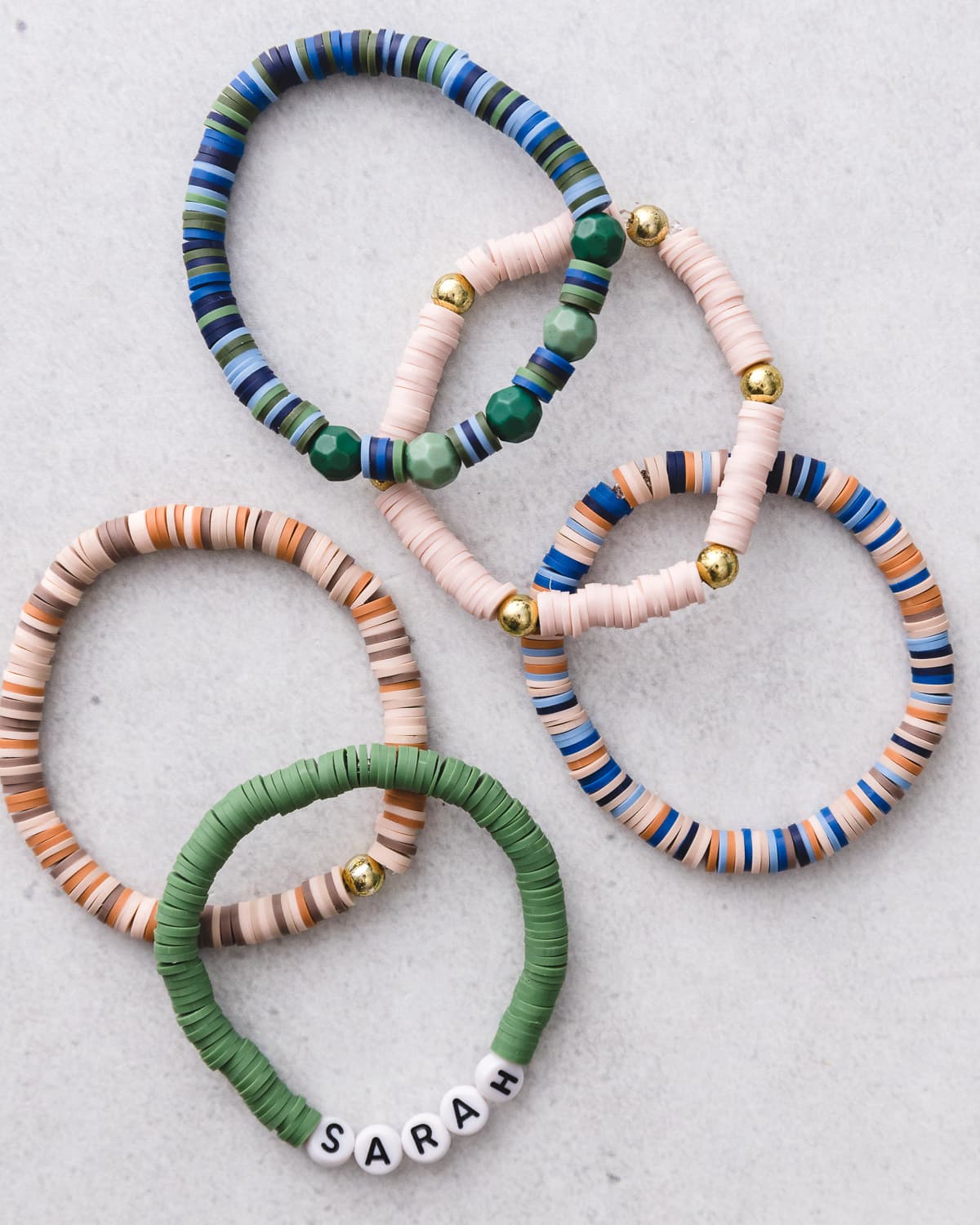
Beaded bracelets are compact to store and straightforward to display in small groups. The work includes selecting compatible beads and cord, measuring the finished fit and securing the closure properly. Offer a limited set of colors and name lengths so custom orders remain manageable. State the bracelet measurement rather than using one-size-fits-all language. Photograph the bracelet laid flat as well as worn, and describe components accurately. These examples contain small parts; do not market adult jewelry as a toy or suitable for young children.
See the original project: Personalized Beaded Bracelets by Sarah Stearns / Sarah Maker.
7. Air-Dry Clay Jewelry Dishes

A small jewelry dish can make an appealing bedside or desk gift. Air-dry clay, simple shaping tools, paint and a suitable finish allow varied surfaces without a kiln, though drying and finishing add waiting time between work sessions. Test for cracking and keep the base level before offering a design. Describe these pieces as decorative holders for rings or other dry objects, without implying food safety or waterproof performance. A shallow box with cushioning protects the rim and gives a buyer a ready-to-wrap presentation.
See the original project: Air-Dry Clay Jewelry Dishes by Melissa Fenlon / Alice & Lois.
8. Hand-Painted Plant Pots

Painted pots offer a useful canvas for your own repeatable marks, geometric bands or illustrations. Start with one pot material and follow the paint and finish instructions for that surface. Preparation and drying can take longer than the painting itself, so build that into batch planning. Make the drainage arrangement clear in photos and descriptions, and distinguish an indoor decorative cover pot from a pot intended for outdoor use. Local pickup or markets may be more practical than shipping heavier, breakable pots individually.
See the original project: Hand-Painted Plant Pots by Alice & Lois.
9. Personalized Wooden Name Tags
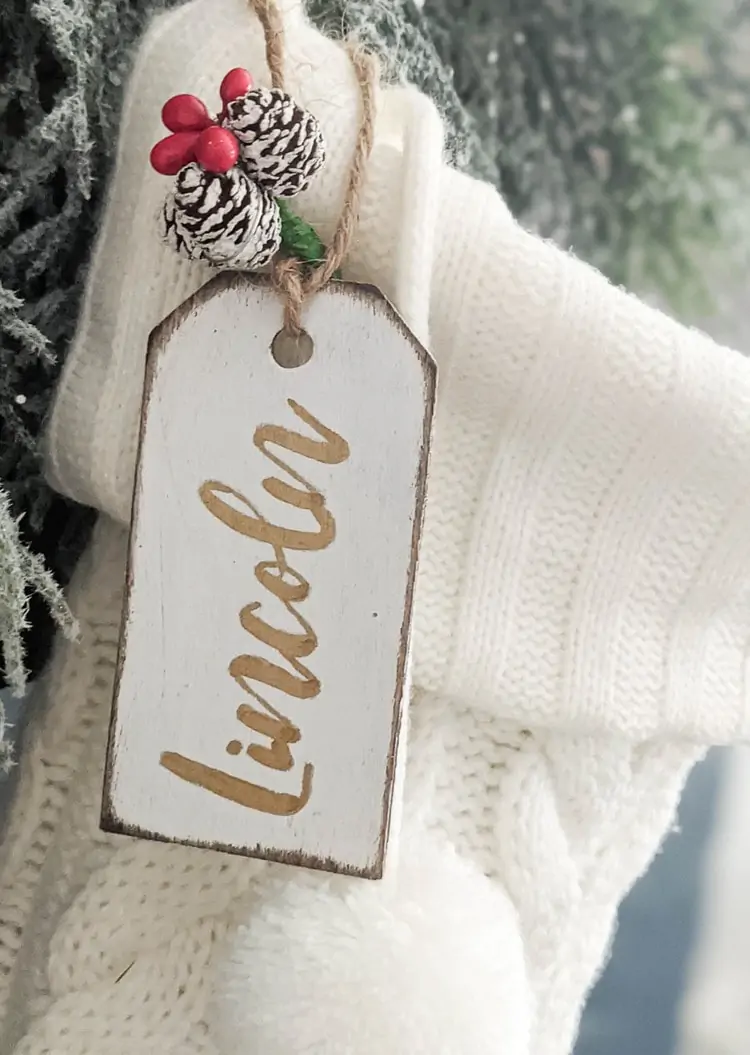
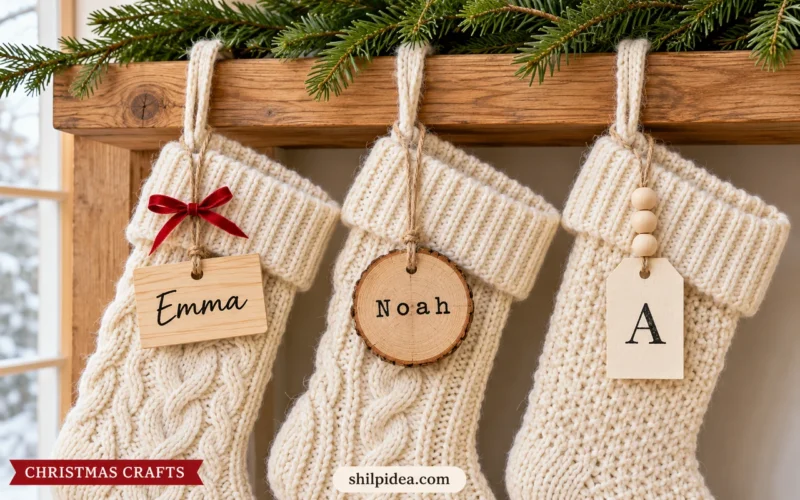
Wooden name tags can move between holiday stockings, gift wrapping and household labels when your designs allow it. Blank wood shapes, paint or an appropriate lettering method and hanging cord form the basic kit. Custom spelling makes order checking important: request the exact text and keep a written approval record for unusual names. Our gift tag ideas offer another presentation direction. Sell tags individually or as family sets, with clear size photographs and a small envelope that protects painted surfaces.
See the original project: Personalized Wooden Name Tags by Lovely Etc. / Carrie.
10. Decorative Notebooks with Carefully Finished Covers

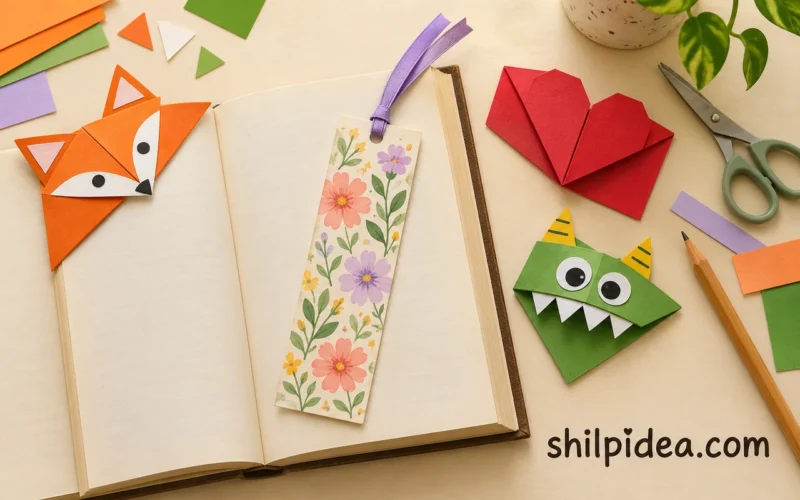
An ordinary blank notebook becomes a gift when the cover has a distinctive, durable finish. Decorative paper, an appropriate adhesive and a smooth application technique are the starting points. Check that the cover still opens freely and that corners will tolerate everyday handling. Choose paper you own or are permitted to use commercially rather than copying another artist’s print. A coordinated bookmark or pencil can become an optional bundle. Show the inside pages and page size so buyers understand whether the book suits notes, sketches or journaling.
See the original project: Decorative Notebooks with Carefully Finished Covers by Alice & Lois.
11. Felt Ornaments in Your Own Seasonal Shapes

Small felt decorations suit a seasonal range that can be stored flat between markets. Felt, thread, filling and hanging cord are the main supplies; tidy stitching and secure hanging loops give the product its finish. Develop a few recognizable original shapes before expanding to dozens of variations. The photographed acorns show the appeal of soft sculptural details, rather than a pattern to reproduce for sale without checking terms. Describe ornaments as decorations, and package them so they do not arrive flattened or tangled together.
See the original project: Felt Ornaments in Your Own Seasonal Shapes by Lia Griffith.
12. Fabric Bookmarks from Attractive Remnants
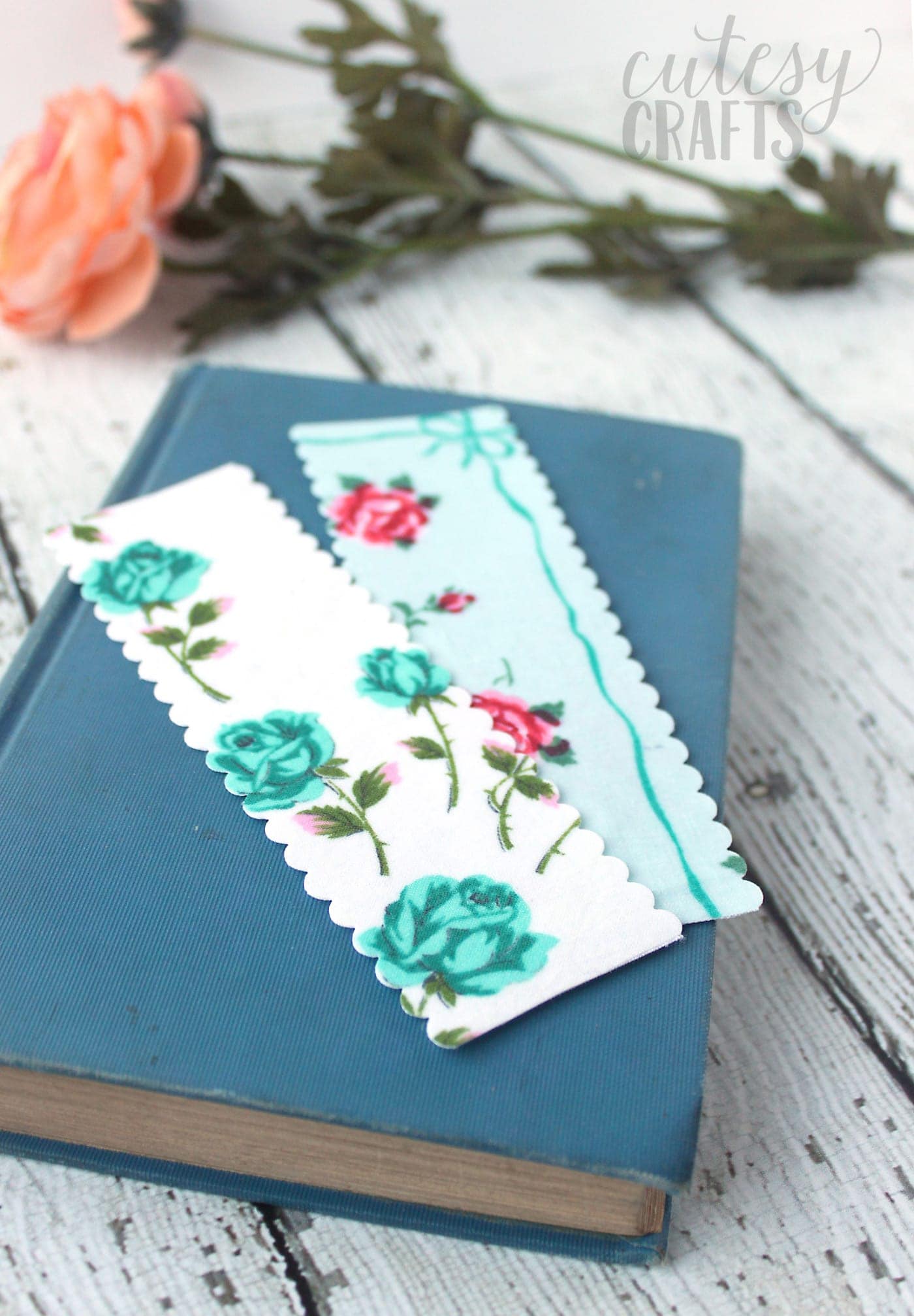
A fabric bookmark gives smaller remnants a useful role and is light to mail. Suitable fabric, interfacing and a clean stitched edge are enough for a simple version, but thickness matters: it should sit comfortably inside a closed book. Coordinate a small collection rather than mixing every leftover print. Show one bookmark in a book so the length and scale are clear. For wider fabric-product inspiration, these fabric bags suggest useful companion items without turning the bookmark into a complicated bundle.
See the original project: Fabric Bookmarks from Attractive Remnants by Jessica / Cutesy Crafts.
13. Polymer Clay Earrings with a Recognizable Style
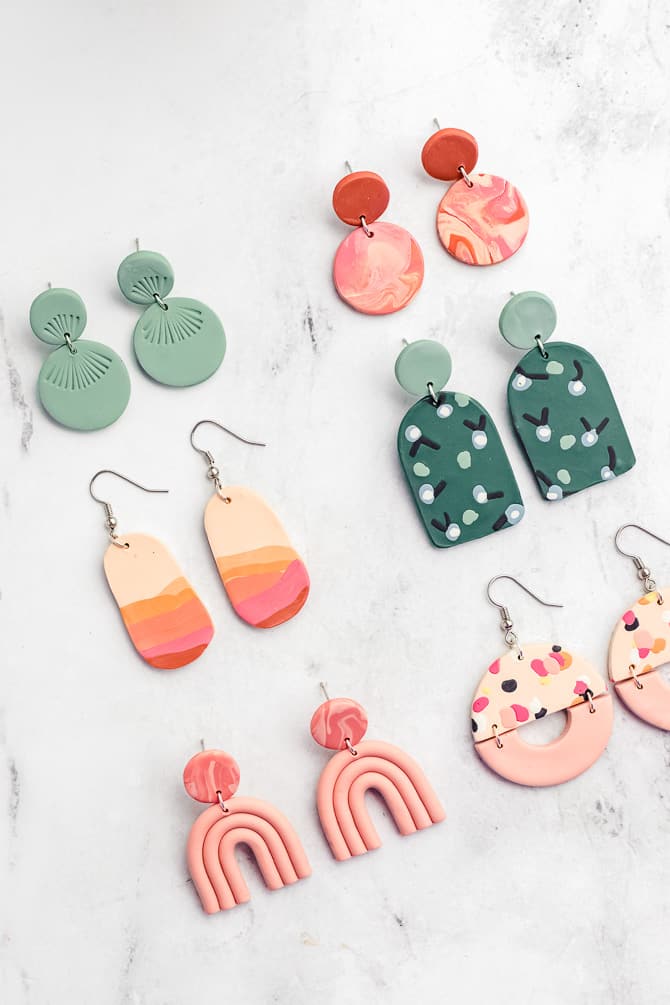
A focused earring collection is easier to present than a table of unrelated shapes. Polymer clay, cutters, suitable findings and tools support many original designs, but consistent curing, smooth edges and secure assembly require care. Follow the clay manufacturer’s baking instructions and describe the metal findings accurately instead of making unverified allergy claims. Photograph a pair beside a ruler or include clear dimensions. A sturdy display card can support shipping and market presentation while leaving room for the product name and care notes.
See the original project: Polymer Clay Earrings with a Recognizable Style by Sarah Stearns / Sarah Maker.
14. Reading Pillow Covers with Book Pockets
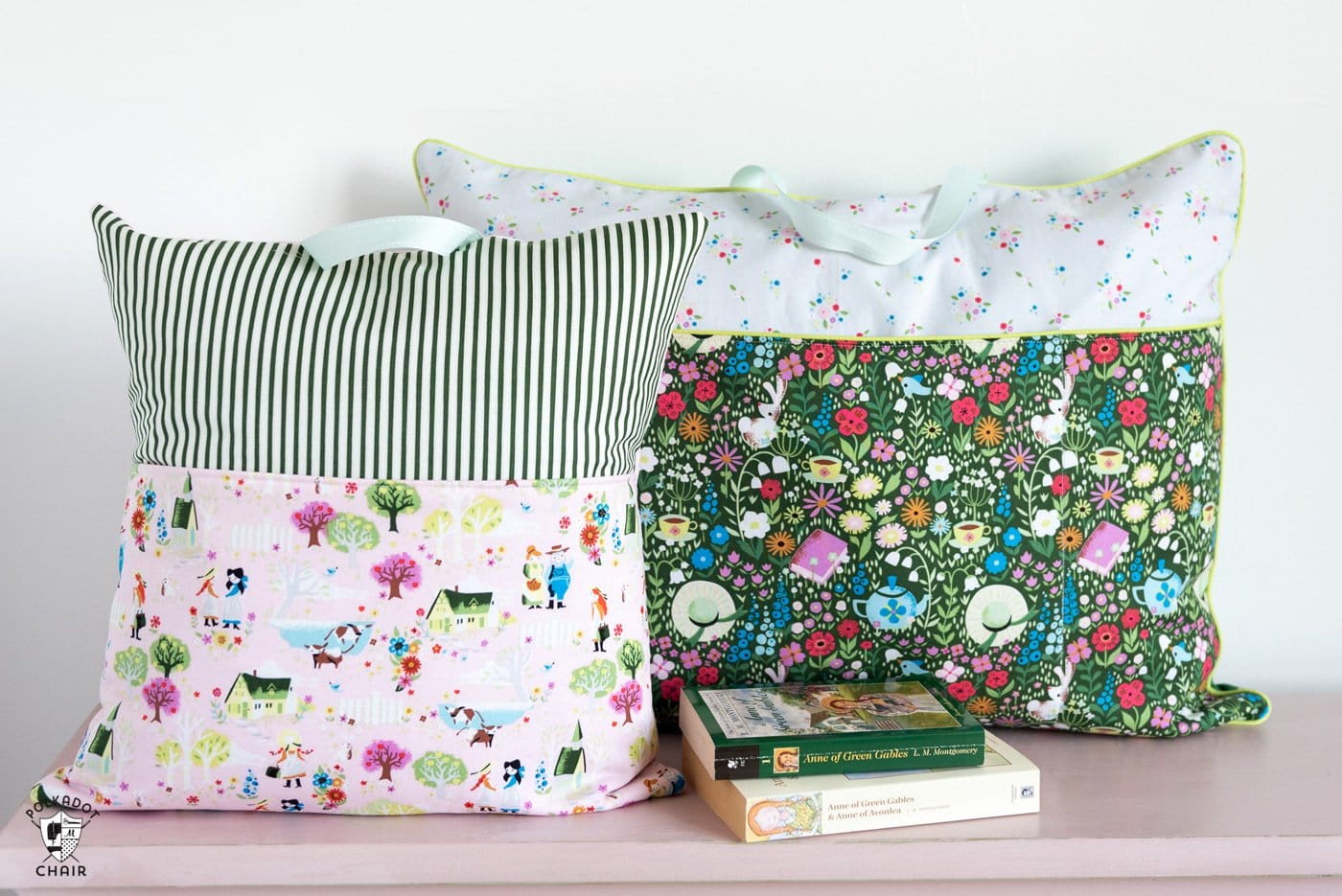
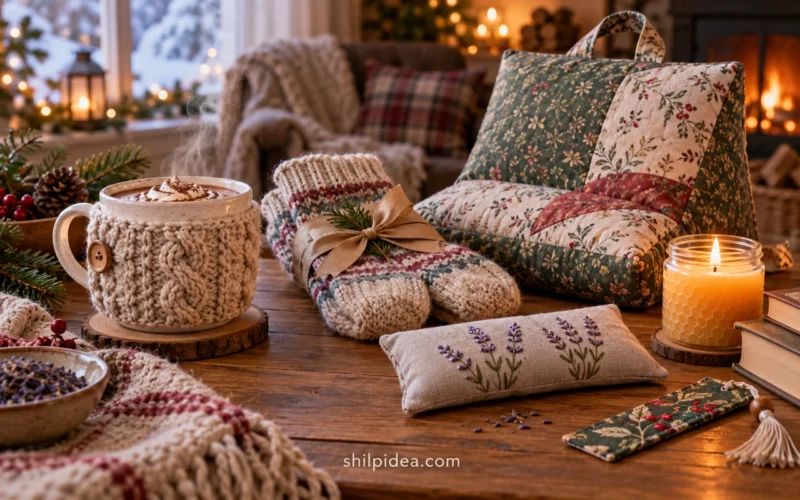
A book pocket gives a decorative pillow a practical gifting angle for readers. Cotton fabric and a suitable sewing method are the main starting points, while the pocket depth, seam finish and closure need consistent construction. Decide whether you sell a cover alone or include the cushion insert, since this changes parcel volume significantly. Use your own design or an appropriately licensed pattern. Photograph a book inside the pocket and include exact cover dimensions. Avoid offering detachable embellishments or long loops as child-safe features without appropriate assessment.
See the original project: Reading Pillow Covers with Book Pockets by Melissa Mortenson / Polka Dot Chair.
15. Framed Pressed-Flower Arrangements

Pressed flowers can become small wall pieces when color, spacing and the frame work together. Dried plant material, a backing surface and a protective frame are the main components. Preparation involves drying and selecting usable flowers before arranging them, so finished production time is more than the final assembly. Describe natural variation honestly and avoid promising permanent color. Offer one frame size at first, photograph the actual piece where possible, and plan protective packing for glass or other fragile parts before committing to nationwide shipping.
See the original project: Framed Pressed-Flower Arrangements by Patti Estep / Hearth and Vine.
16. Coiled Rope Baskets for Decorative Storage
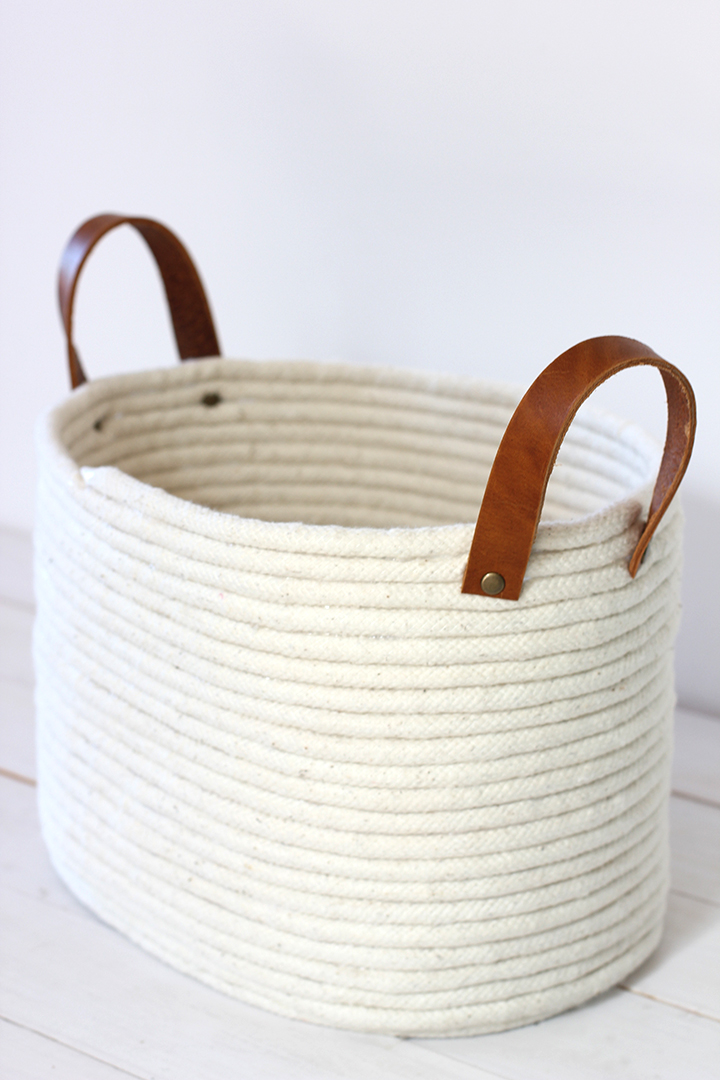
A coiled basket gives a buyer a clear place for lightweight household objects. Rope, a suitable joining method and a stable base form the structure; keeping the sides even becomes easier when you repeat one size. Check the finished seams and handle attachment rather than assuming decorative handles can carry a heavy load. Show the empty interior and useful dimensions. Because baskets occupy more parcel space than flat crafts, compare local market sales with shipping costs before developing a large range of sizes.
See the original project: Coiled Rope Baskets for Decorative Storage by Alice & Lois.
17. Paper Flower Arrangements for Lasting Displays

Paper flowers can serve as small arrangements, event accents or gifts that do not need watering. Paper, stems and adhesive are the basic materials, but shaping and assembly can be time-consuming. Start with a flower form you designed or may use commercially, and choose one manageable arrangement size. Explain that the flowers are decorative and should be kept dry. Photograph them beside a familiar object for scale. A protective box and support around the stems matter more than a tight wrapping that crushes the petals.
See the original project: Paper Flower Arrangements for Lasting Displays by Lia Griffith.
18. Dog Bandanas in a Small Fabric Collection

A dog bandana can be a focused sewing product when size and fastening details are clear. Choose fabric suitable for the intended use, finish the seams neatly and check the completed measurements. Provide a sizing guide that asks buyers to measure their dog, rather than relying only on breed names. State whether the bandana ties or fits over a collar and remind owners to supervise wear. Keep early fabric options limited, and photograph the fastening as well as the front so customers know exactly what they are ordering.
See the original project: Dog Bandanas in a Small Fabric Collection by Lia Griffith.
A Shortlist for Your First Small Collection
For fewer tools, consider fabric bookmarks or decorative notebooks. For small-batch repetition, explore coasters or original felt ornaments. Personalized tags and bracelets suit customization, but each order adds checking time. Flat cards and bookmarks usually take less parcel space than pots, framed art or baskets; actual shipping cost still depends on materials and packaging.
Where to Sell and How to Price
Compare a local craft market, a suitable online marketplace and direct orders before choosing a sales channel. Check its current seller rules and fees, and consider how buyers will discover your work. Price from your actual material use, labor time, packaging, selling fees and overhead, then allow a profit margin you can justify. Track a trial batch instead of assuming that a popular-looking idea will be profitable.
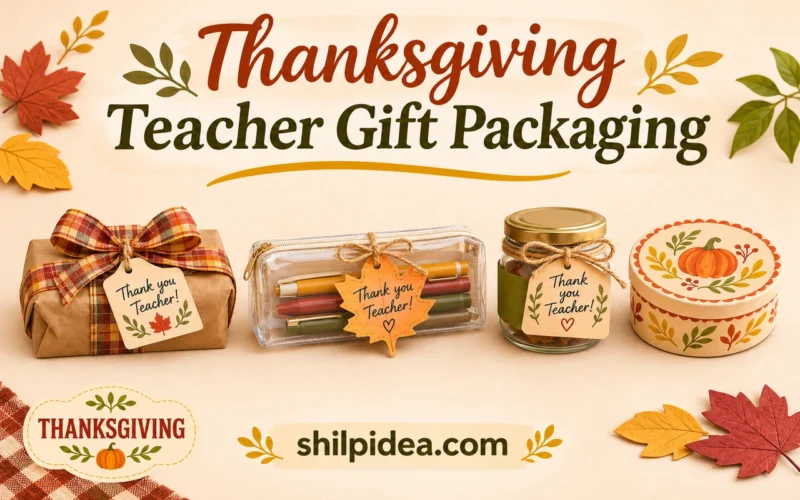
For shipping supplies, a well-finished paper gift bag may improve presentation, but use protective outer packaging where the product needs it. Confirm any pattern or artwork license allows your intended commercial use; crediting a creator does not itself grant that permission.
Choose One Product to Explore Further
Pick a product you would enjoy making repeatedly, then create a small sample range before investing in a large supply order. These related collections can help with design details, gift presentation and complementary products.
- Floral Embroidery Ideas
- Handmade Quilling Card Designs
- Fabric Book Bag Ideas
- Paper Gift Bags and Decoration Ideas
- Handmade Christmas Gifts for Cozy Evenings
Which of these would you most enjoy making and selling? Tell us your favorite in the comments—or share a handmade product you already create. We would love to hear what makes it special to you.







0 Comments