18 Handmade Christmas Ornaments to Sell or Gift
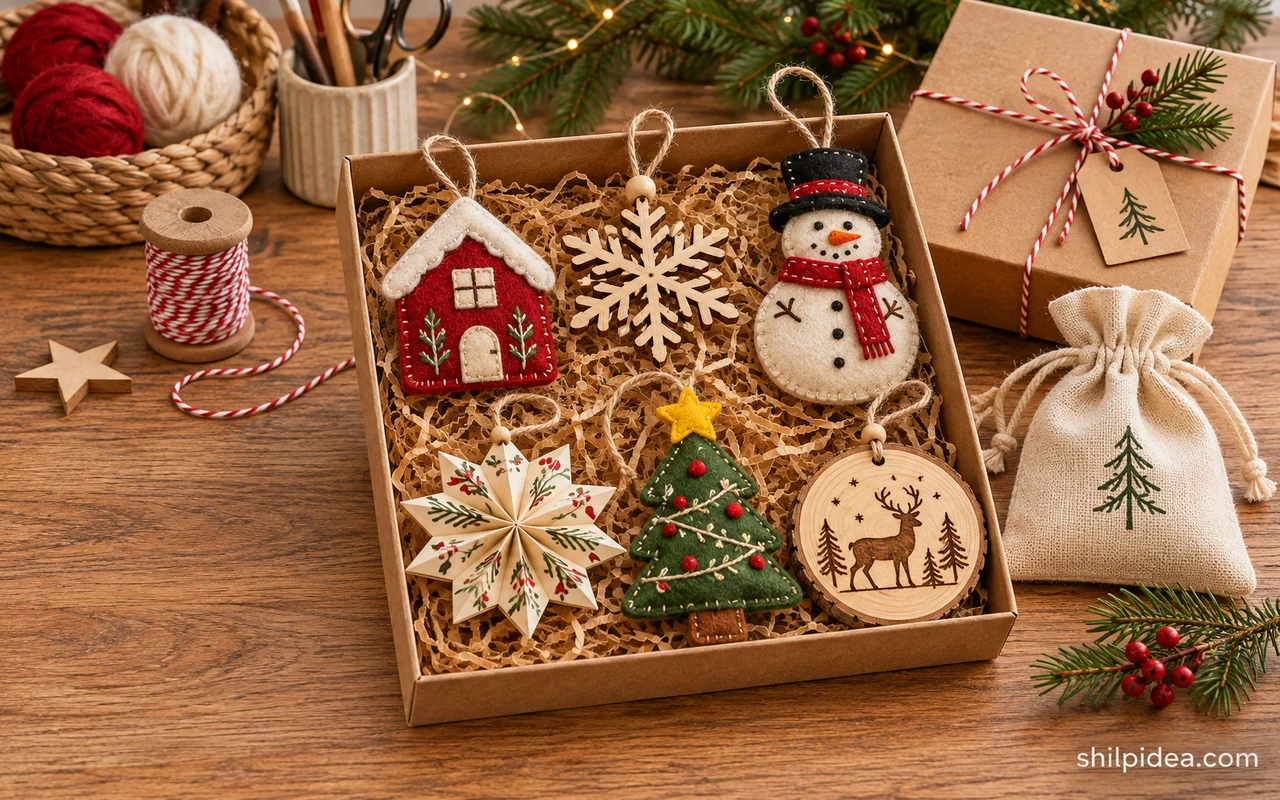
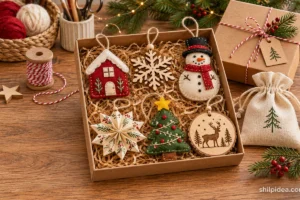
Handmade Christmas ornaments can make a small, gift-ready collection for a market table. Start with a shape you can make consistently and photograph clearly.
Choose materials and finishes you can repeat, then think about how a buyer might use or gift the piece. If you’re comparing handmade business ideas, make one sample before deciding what to batch.
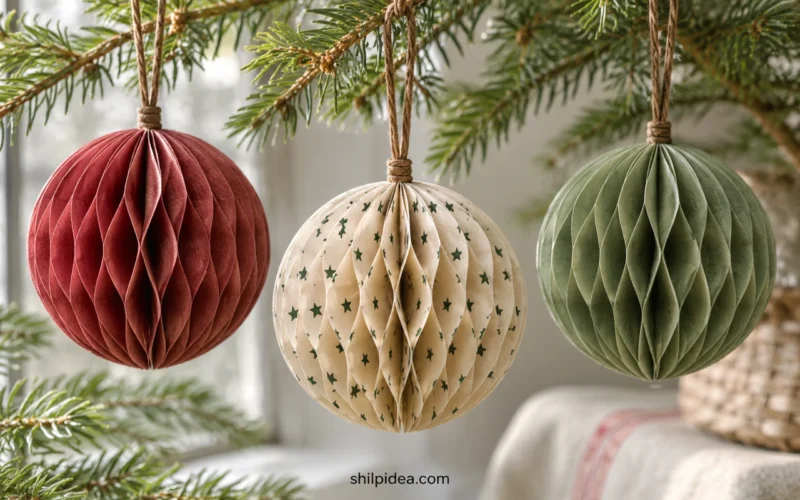
These ideas range from painted wood to sewn felt, stitched keepsakes and dried decorations. Pair a small set with paper honeycomb ornaments if you’re putting together a handmade display.
1. Stencil-Painted Wood Slices
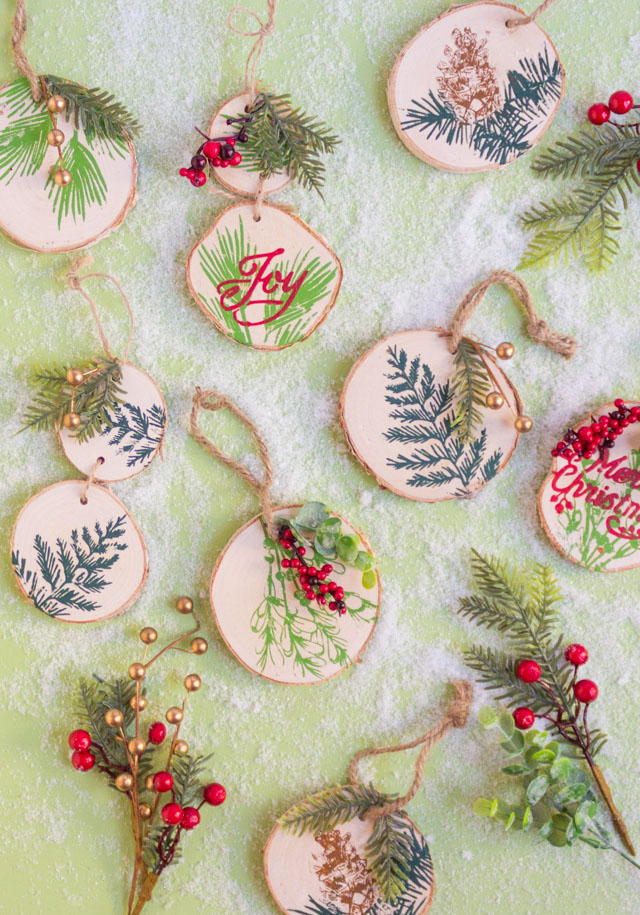
A stencil repeats the pattern while the natural grain makes each ornament a little different. Use one color palette across several wood slices and place the hanging holes at consistent heights. These make a useful option for buyers who like rustic details. Let the finish dry fully before placing the pieces in separate paper sleeves. If you’re choosing what to make in groups, compare handmade business ideas.
2. Layered Felt Poinsettias

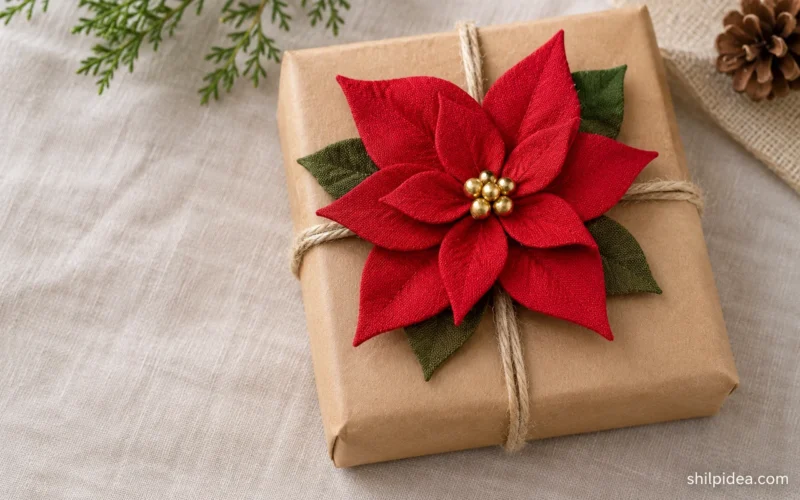
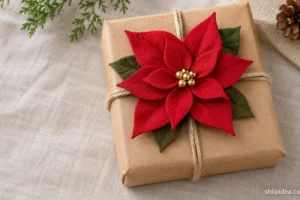
Felt petals give a poinsettia shape without the weight of a rigid ornament. Use one template to cut the pieces and keep the center simple so several can be assembled together. Offer one red and one pale color if your buyers prefer a choice. A shallow box will help the petals keep their shape.
3. Gold Leaf Salt Dough Stars

A pale dough shape gives a little metallic foil a clear backdrop. Keep the pieces similar in thickness when making a set, and inspect the hanging hole after they dry. The simple silhouette suits gift buyers who want a quiet palette. Pack each piece flat with a separator so the foil and edges are protected.
4. Dried Orange Slices with Wood Beads

A bead and simple tie give a dried orange slice a cleaner shape for hanging. Sort slices by width and group similar ones in a set so buyers can see what they’ll receive. Keep the natural differences visible in the photos. Pack the slices flat, away from moisture and with a layer between them.
5. Small Macramé Tree Shapes

Cord gives a tree-shaped ornament a little movement without making it heavy. Cut your cords in groups before tying so you can keep the finished sizes similar. Offer a neutral set or one with a seasonal accent. A narrow sleeve or shallow box can hold the hanging loop in place without crushing the fringe. A set of paper honeycomb ornaments can complement the cord texture on a market display.
6. White Clay Shapes with Stamped Details
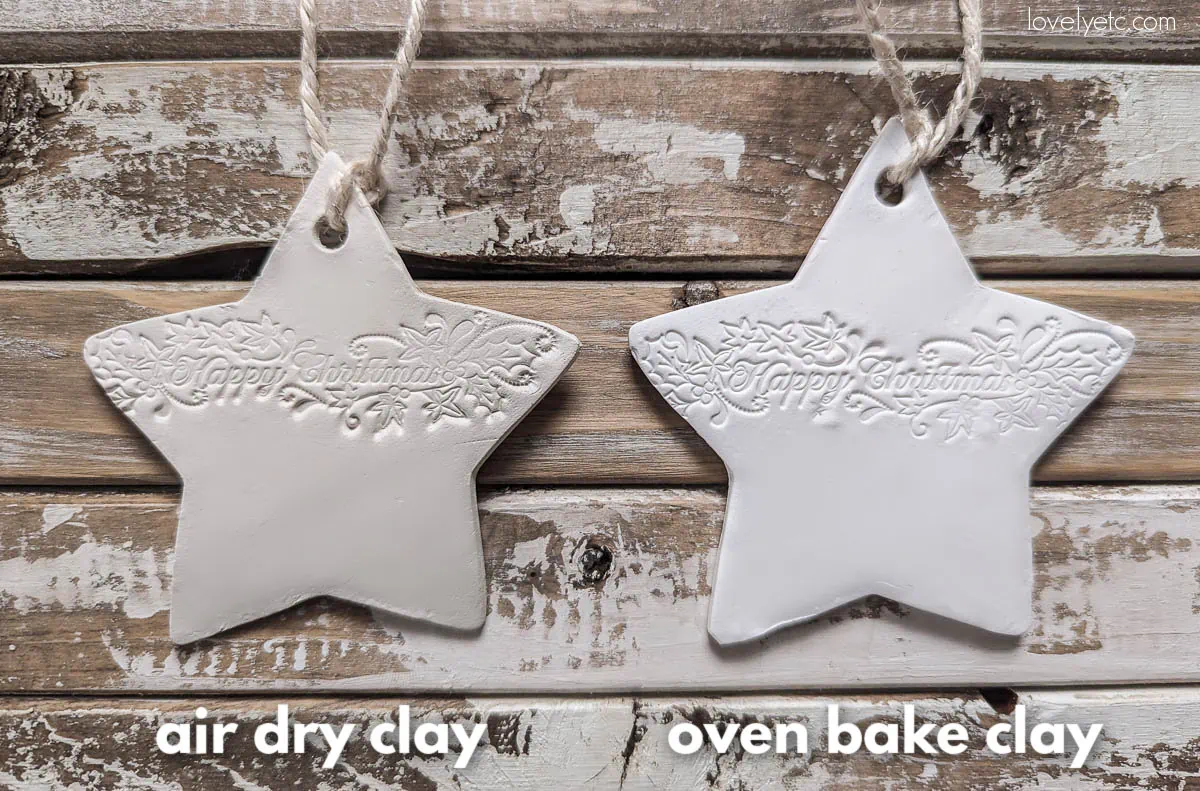
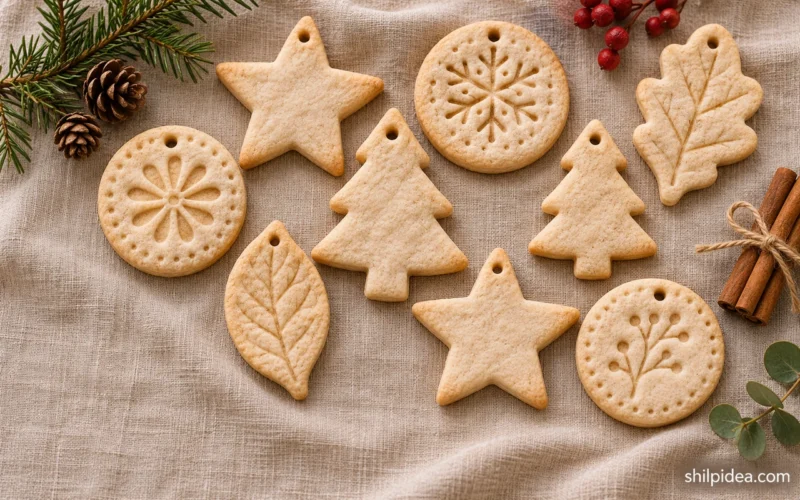
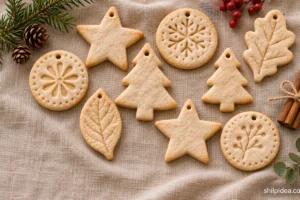
A stamp gives a plain clay shape enough character to work in a small set. Try one cutter and two or three stamps first so your display feels related. A buyer can choose a design without deciding between many sizes. Show the stamped surface close up and pack the ornaments with a rigid backing.
7. Handwriting Stitched onto a Name Ornament

A handwritten name makes an ornament feel particular to the person who receives it. Ask for a clean sample of the lettering, then show how much space it can occupy in the hoop. Keep the background simple so the stitches stay legible. Explain how a buyer submits the sample and allow time for the custom work.
8. Wood Bead Mini Wreaths
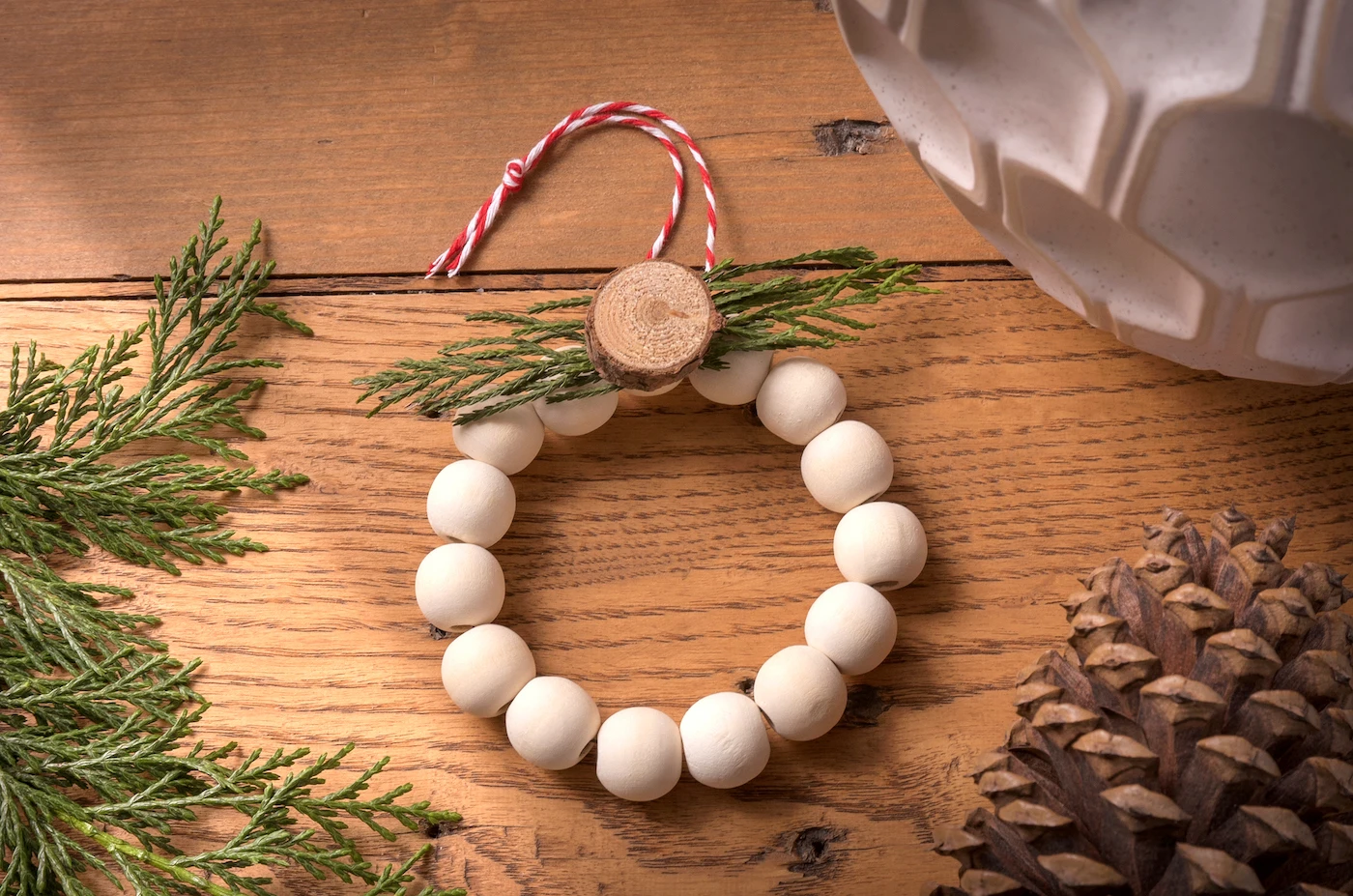
A round string of wood beads works as a small wreath, especially with a sprig or bow at the top. Make one sample to settle the bead count and hanging loop size before batching the rest. A buyer can choose a plain or finished version. Protect any raised detail with enough space around the wreath.
9. Glass Balls Filled with Dried Flowers

A few dried flowers are enough to show through a clear bauble. Use a small set of colors, then photograph the pieces against a plain background so the stems stay visible. This can suit a buyer looking for a keepsake or host gift. Glass needs its own protective compartment and should stay separate from harder ornaments.
10. Sewn Fabric Gnomes

Small fabric gnomes can share the same shape while the hat fabric changes from piece to piece. Cut a few sets together, then sew and stuff them individually. Offer buyers a choice of fabric family rather than an exact pattern placement. Photograph the whole group so the scale and variation are easy to understand.
11. Botanical Impressions in Air-Dry Clay

Pressed leaves give each clay piece its own pattern while a shared cutter keeps the batch visually consistent. Choose stems with visible veins and test how they lift from a scrap. This makes a thoughtful small gift for a gardener. Wrap the pieces separately so the dried clay edges don’t strike each other in transit.
12. Rubber-Stamped Wood Slices

Stamping leaves part of the wood visible, which gives the design a different feel from a painted background. Make a test print on a spare slice to check the edges and letter spacing. A name or short seasonal word can personalize the piece. Show the actual size in one picture and package it so the surface stays clean.
13. Felt Ball and Wood Bead Icicles

Alternating wool balls with wood beads makes a simple vertical ornament with two textures. Choose a repeatable sequence and change only one or two colors between sets. The shape can fill narrow spaces between larger baubles. Keep the hanging cord tucked in the packaging so it doesn’t tangle with the other pieces.
14. Embroidered Snowmen in Mini Hoops

A small hoop gives stitched work its own frame, so you can focus on a clear snowman shape. A short color palette makes the detail visible and helps keep a series consistent. This suits a gift buyer who wants something made by hand. Finish the back neatly and protect the stitched face in transit. Use paper bag snowflakes to test how pale stitching reads beside other white decorations.
15. Cinnamon and Applesauce Cutouts

The dark dough gives simple holiday silhouettes a gingerbread look. Use a few recognizable cutters and keep the designs clearly labeled as decoration. A trio of shapes makes an easy gift choice for a buyer who likes a traditional tree. Avoid cramming them into one envelope, where raised edges can rub or chip.
16. Painted Ball Ornaments with Gold Leaf

Metal leaf can add a bright edge to a solid-color ball without covering the whole surface. Try the same paint on several pieces, then vary where the leaf sits. A customer can mix a few into their existing tree without changing the whole palette. Pack each ball so its finish does not touch another piece.
17. Letter Tiles on a Grapevine Wreath

Small letter tiles give a grapevine wreath a readable message without adding much to its outline. Choose short words and try the spacing before attaching the tiles. This is a good place to show personalization options. Use a shallow box so the vine and the edges of the letters are both protected.
18. Embossed Metal Ornaments

An embossed pattern brings texture to a small metal shape that can catch light as it turns. Choose a simple motif and a clearly finished rim. If you plan a set, repeat one pattern with a few variations rather than using every tool at once. Package each piece flat so its raised areas stay protected.
Choose a Small Batch and a Place to Sell It
Start with a few stamped wood slices or bead icicles if you want to repeat one design. A stitched name or fabric gnome takes more individual handling. Use a market display to show scale, or photograph the actual size and packaging for online sales. Include your materials, time, packing, shipping, and platform costs when setting a price. Check that any templates and motifs you use allow the intended sale.
More Ideas for a Handmade Holiday Display
After you choose an ornament to make, decide how to display the finished pieces together. A compact stand or a small backdrop can make the shapes easier to compare. These reads give you ideas for organizing a handmade collection and bringing a few simple details to a market table.
- Handmade Business Ideas for Creative Sellers
- Recycled Paper Honeycomb Christmas Ornaments
- Paper Bag Snowflakes for Christmas
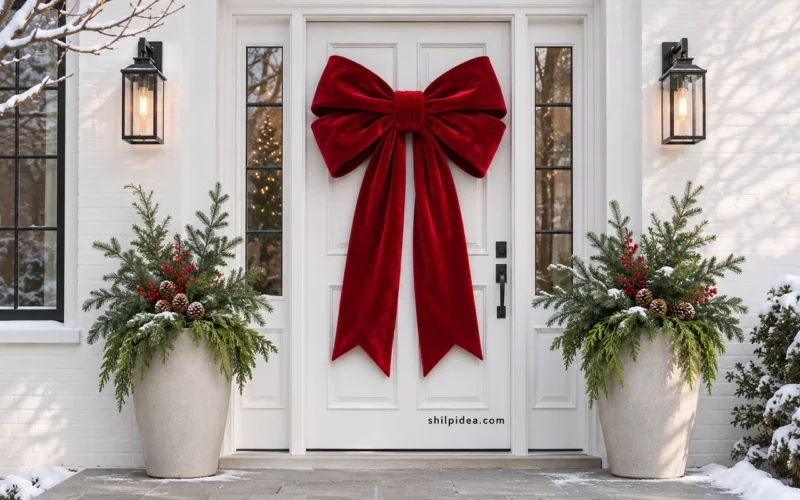
- Giant Christmas Bows for Holiday Decor
Which ornament would you make first? Tell us in the comments what material you’d use and whether you’d offer singles or a set.










0 Comments