49 Sculptural Coffee Table Ideas for Statement Living Rooms
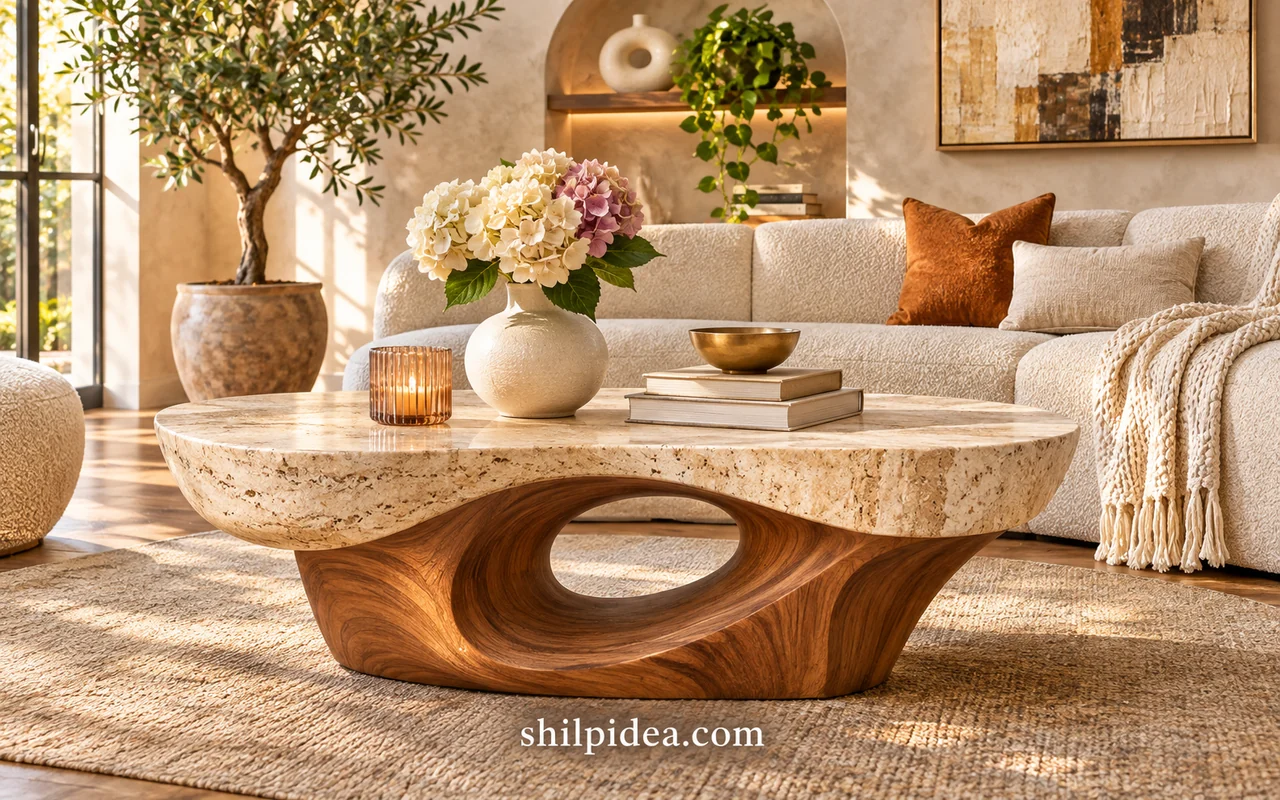
A coffee table can do more than hold a tray: an unexpected silhouette can anchor the whole seating area. These 49 sculptural coffee table ideas explore expressive profiles, interesting bases, and materials that make a living room feel considered.
Think sculpted wood, stone-look curves, transparent layers, and metallic folds rather than one plain rectangle. Pairing the table with the right seating and our modern living room ideas helps the statement look intentional.
The gallery compares shape, scale, finishes, and day-to-day usability, including narrow walkways and family-friendly choices. Use these examples alongside our modern rug ideas to plan a balanced arrangement. Photographs show related furniture design references; materials and details may differ by maker.
1. Pebble-Shaped Travertine Slab
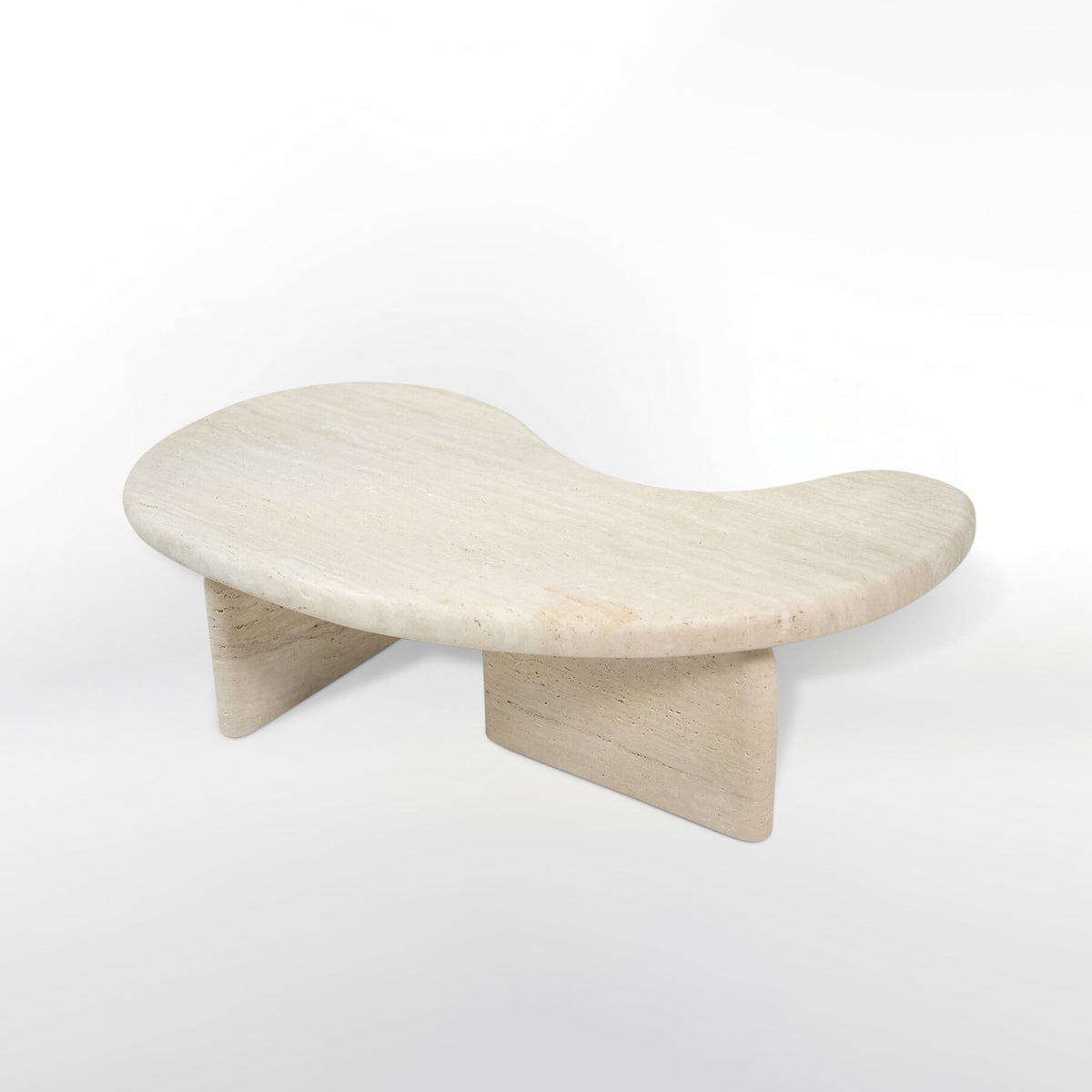
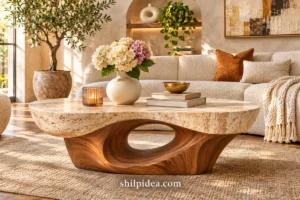
An expressive starting point is a low asymmetrical pale-travertine top on a hidden plinth. It works especially well with soft ivory sectional and textured oat rug, where the table adds contrast without fighting the furniture. Place the broadest curve toward the sofa and protect porous stone with a suitable sealer. Before choosing the piece, measure the walkaround space and leave a clear route to every seat. The finish can remain quiet even when the silhouette is unusual.
2. Carved Walnut River Bend

The defining feature here is a rippling walnut slab with a carved negative-space arch underneath. Bring it into cream sofa with rust cushions and warm timber floors and repeat just one of its tones elsewhere for continuity. Keep decorative pieces low so the opening remains the focal point. A rug that extends beyond the table helps this unusual outline feel grounded in the conversation area. A single accent color nearby will help the shape feel deliberate.
3. Cloud-Edge White Oak

This variation uses a puffy cloud-shaped oak top lifted by three round legs, giving the room a deliberate focal point. Try this with minimal lounge with pale green armchairs; keep surrounding decor understated so the table has a clear role. Check that every lobe stays within the traffic path and does not interfere with knees. For a smaller lounge, tape the proposed footprint on the floor before committing to the size. Use it as a focal point rather than matching every side table to it.
4. Black River-Stone Monolith

Instead of a standard four-leg frame, consider a charcoal stone-look boulder with a polished flat top. A setting such as light boucle sofas and a thin ivory rug gives the sculpted surface enough breathing space to be noticed. Use a lighter hollow-core or composite version when floor loads are a concern. A low bowl or a pair of books is enough styling here; extra objects would conceal the sculptural base. The key is contrast between the table and nearby upholstery. For a coordinated backdrop, compare our cozy minimalist rooms.
5. Puddle-Shaped Concrete Table
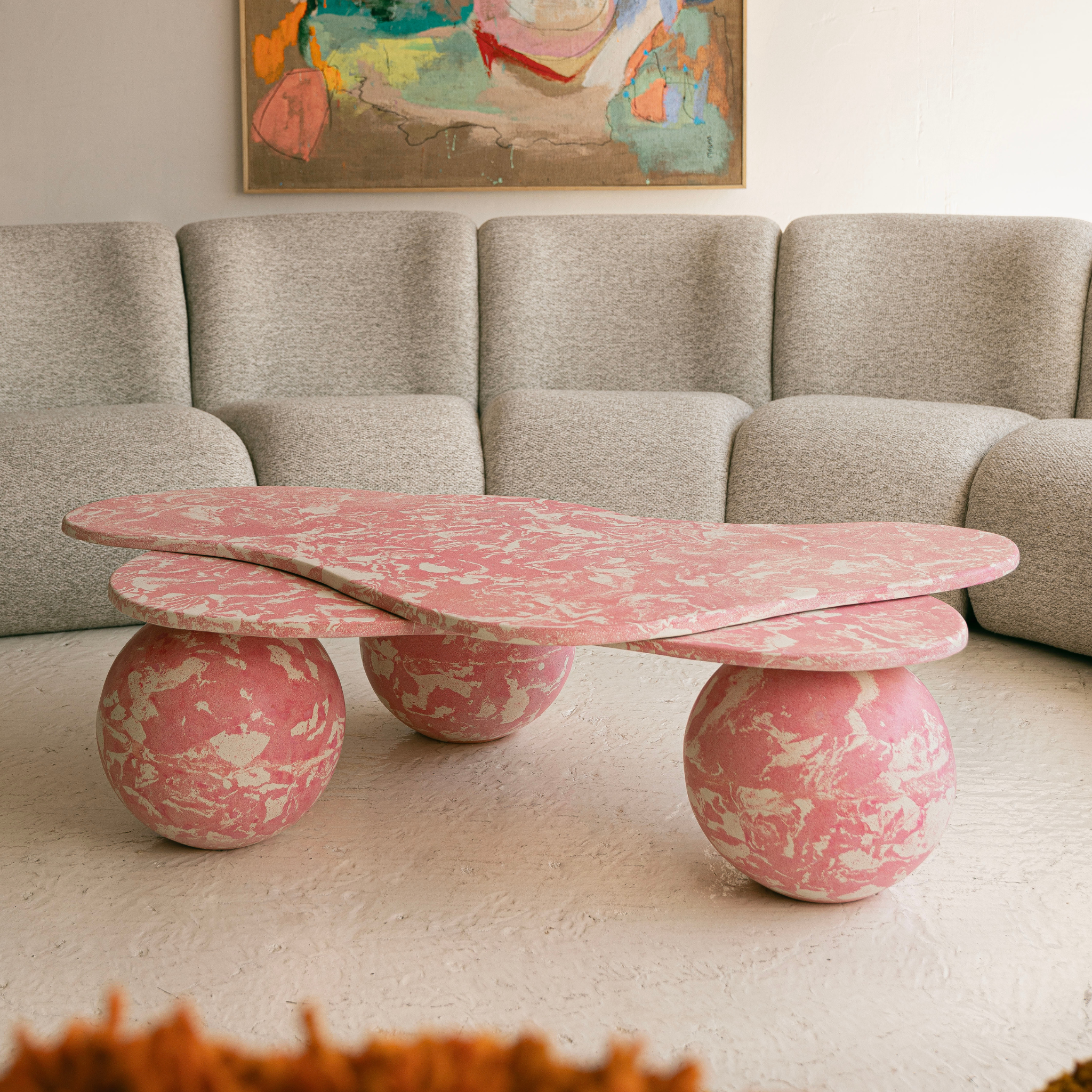
Sculptural furniture feels calmer when the shape has purpose: this version features an pink marbled concrete top with rounded puddle-like lobes. A room with neutral lounge beside a sunny window lets the form lead, while textiles soften its sharper or heavier edges. Keep direct heat and strong UV exposure away from colored concrete surfaces. The strongest arrangement keeps the table central without forcing guests to turn sideways to pass. Treat the entire arrangement as a balance of solid and open shapes.
6. Teardrop Maple Sculptural Base
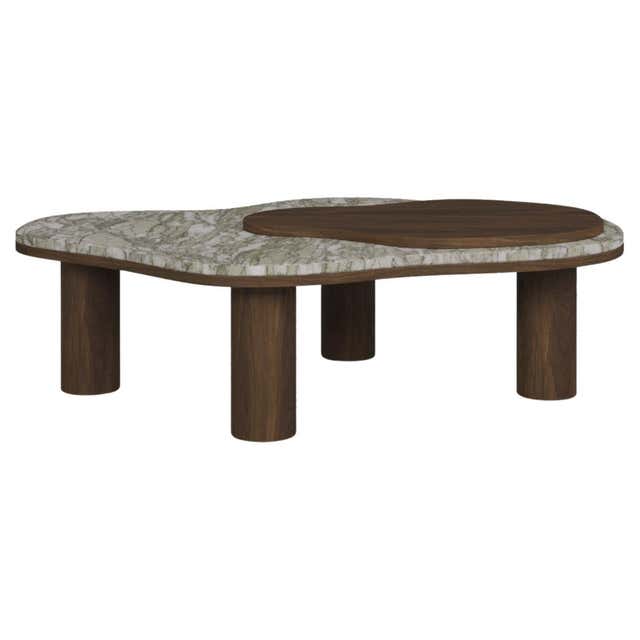
For a table that reads almost like an object from a gallery, try a warm maple teardrop top anchored by an off-center oval pedestal. Picture it with taupe loveseat and soft woven rug; the mix of surfaces keeps the result warm rather than showroom-stiff. Balance the eccentric pedestal with a stable weighted base. Use one understated accessory and let the table’s material or negative space remain visible. This is a decorating idea, not a claim that a specific ready-made product has been tested.
7. Driftwood Root Under Glass

The silhouette makes the statement in a contoured driftwood root supporting a clear oval glass top. The design feels most balanced with organic modern living room with tall greenery, leaving its central profile readable from the sofa. Specify safe polished tempered glass and stable attachment points. Compare the tabletop height with the seat cushions so cups remain within comfortable reach. The form works best when its boldest profile faces the room entrance.
8. Fluted Travertine Drum

An expressive starting point is a stout circular travertine-colored drum with vertical grooves. It works especially well with quiet beige seating and wall plaster, where the table adds contrast without fighting the furniture. Choose shallow fluting for easier cleaning and sufficient knee clearance. Before choosing the piece, measure the walkaround space and leave a clear route to every seat. The finish can remain quiet even when the silhouette is unusual.
9. Dark Emperador Marble Sphere Base

The defining feature here is a dark marble top supported on three sculptural marble spheres. Bring it into camel leather seating and pale walls and repeat just one of its tones elsewhere for continuity. Confirm the final weight and use floor protection under the base. A rug that extends beyond the table helps this unusual outline feel grounded in the conversation area. A single accent color nearby will help the shape feel deliberate.
10. Tapered Limestone Cone

This variation uses a cream conical pedestal beneath a thin round top, giving the room a deliberate focal point. Try this with airy living room with a boucle chair; keep surrounding decor understated so the table has a clear role. Test tip resistance when the top is appreciably wider than its foot. For a smaller lounge, tape the proposed footprint on the floor before committing to the size. Use it as a focal point rather than matching every side table to it.
11. Scalloped Dark Marble Wave

Instead of a standard four-leg frame, consider an scallop-edged dark marble surface with a dramatic waved perimeter. A setting such as contemporary seating with black accents gives the sculpted surface enough breathing space to be noticed. Keep the central open void visible from the primary sightline. A low bowl or a pair of books is enough styling here; extra objects would conceal the sculptural base. The key is contrast between the table and nearby upholstery. For a coordinated backdrop, compare our warm wall accents.
12. Stacked Stone Disc Tower

Sculptural furniture feels calmer when the shape has purpose: this version features three offset cream and gray stone discs beneath a round top. A room with high-ceilinged space with simple rugs lets the form lead, while textiles soften its sharper or heavier edges. Avoid unsupported overhangs by using a structurally engineered core. The strongest arrangement keeps the table central without forcing guests to turn sideways to pass. Treat the entire arrangement as a balance of solid and open shapes.
13. Mushroom Stone Pedestal
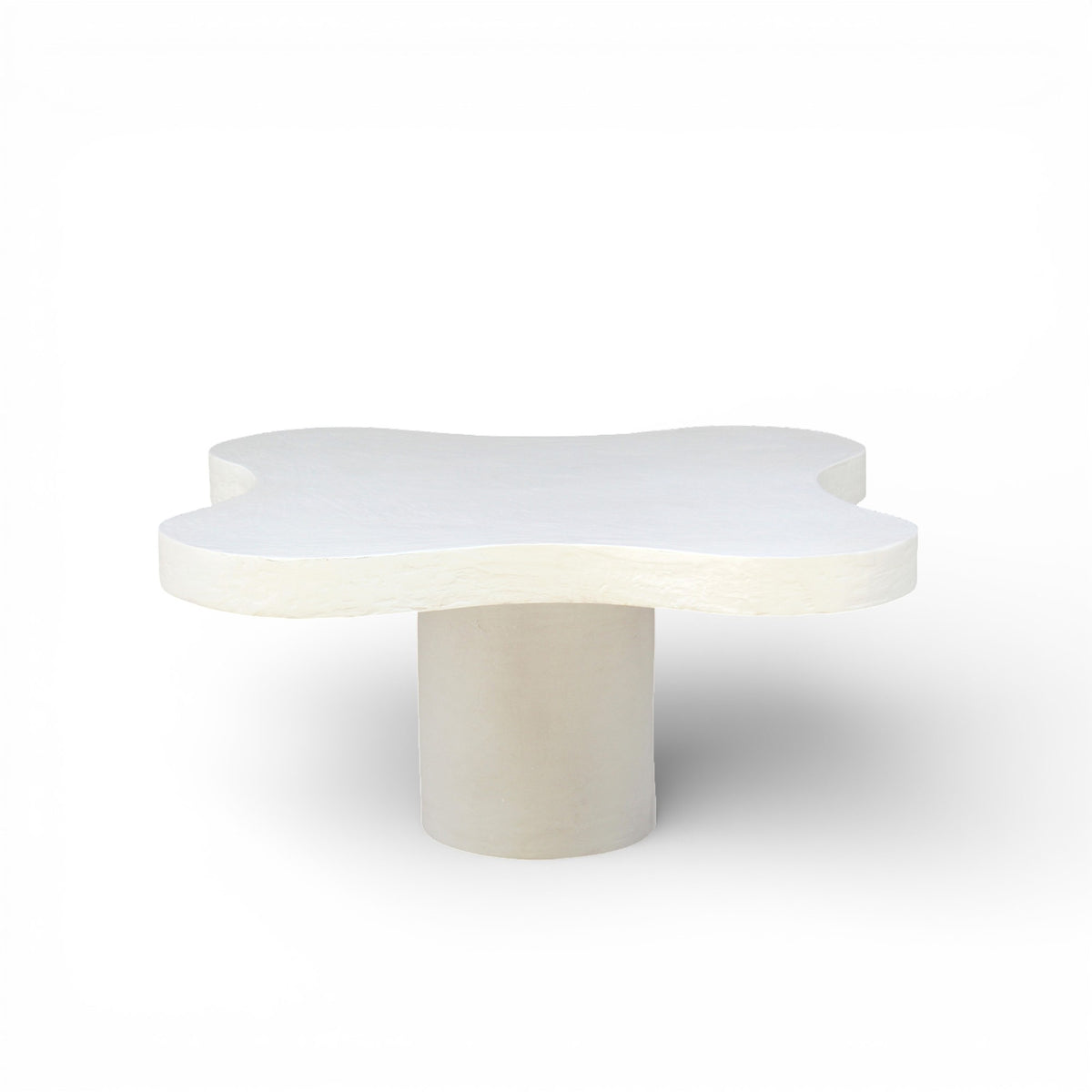
For a table that reads almost like an object from a gallery, try a wide circular cap flowing into a narrow stone-colored stem. Picture it with calm cream room with olive branches; the mix of surfaces keeps the result warm rather than showroom-stiff. Maintain a broad enough hidden foot for everyday stability. Use one understated accessory and let the table’s material or negative space remain visible. This is a decorating idea, not a claim that a specific ready-made product has been tested.
14. Scalloped Plaster Bowl

The silhouette makes the statement in a shallow scallop-edged ivory bowl base with a level top. The design feels most balanced with romantic pastel living room, leaving its central profile readable from the sofa. Seal the finish and favor a washable inset tray for drinks. Compare the tabletop height with the seat cushions so cups remain within comfortable reach. The form works best when its boldest profile faces the room entrance.
15. Double-Arch Travertine Table

An expressive starting point is two carved travertine arches supporting a solid stone tabletop. It works especially well with industrial-soft lounge with warm linen, where the table adds contrast without fighting the furniture. Use reinforced commercial construction rather than DIY unsupported spans. Before choosing the piece, measure the walkaround space and leave a clear route to every seat. The finish can remain quiet even when the silhouette is unusual.
16. Smoke-Glass Wave Base

The defining feature here is a curved smoked-glass support under a clear organic top. Bring it into sleek smaller living room with light upholstery and repeat just one of its tones elsewhere for continuity. Check all glass edges and select certified safety glazing. A rug that extends beyond the table helps this unusual outline feel grounded in the conversation area. A single accent color nearby will help the shape feel deliberate.
17. Noguchi-Style Wood and Glass

This variation uses two interlocking sculptural wood supports below a clear freeform top, giving the room a deliberate focal point. Try this with mid-century sofa and muted geometric rug; keep surrounding decor understated so the table has a clear role. Look for a properly engineered design and do not assume replicas are identical. For a smaller lounge, tape the proposed footprint on the floor before committing to the size. Use it as a focal point rather than matching every side table to it.
18. Emerald Glass Cylinder
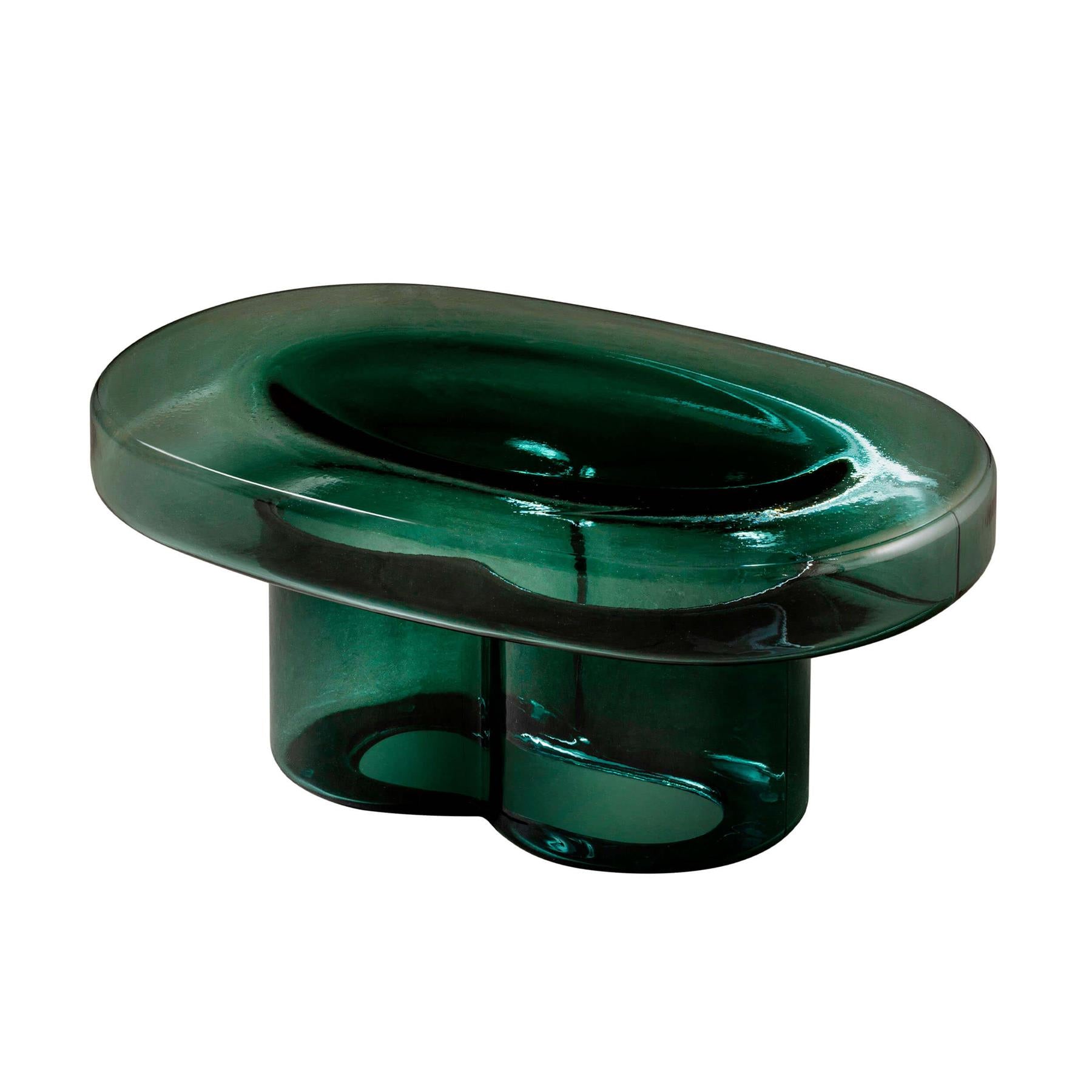
Instead of a standard four-leg frame, consider a green-tinted cylindrical glass base under a round clear top. A setting such as cream room with botanical art gives the sculpted surface enough breathing space to be noticed. Keep it away from tight corners and ensure a non-slip top attachment. A low bowl or a pair of books is enough styling here; extra objects would conceal the sculptural base. The key is contrast between the table and nearby upholstery. For a coordinated backdrop, compare our large mirror styling.
19. Mirror-Chrome Pebble
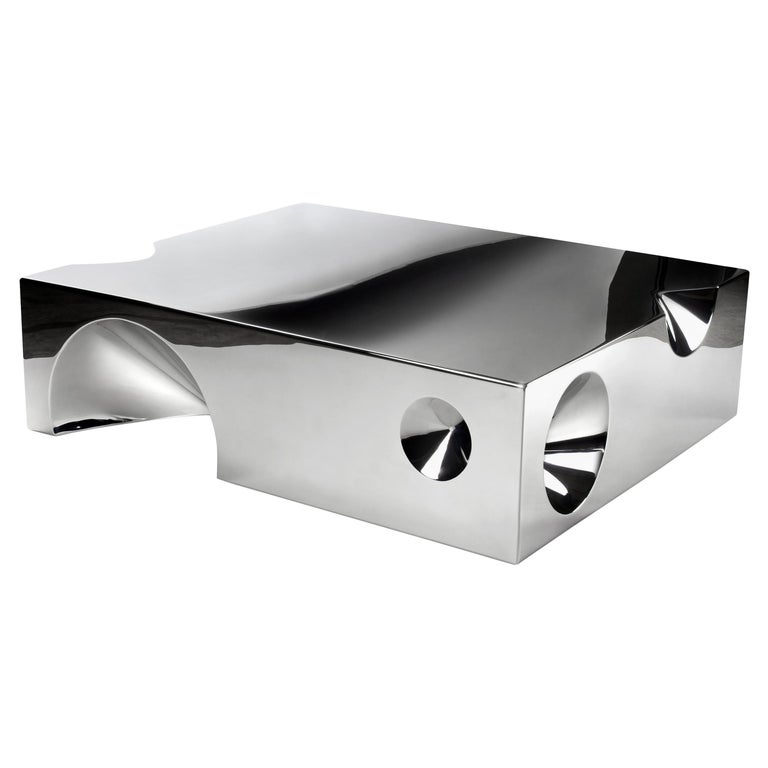
Sculptural furniture feels calmer when the shape has purpose: this version features a polished metallic pebble-shaped volume with a low flat crown. A room with dark charcoal sectional and pale floor lets the form lead, while textiles soften its sharper or heavier edges. Expect visible fingerprints and position away from glare-heavy windows. The strongest arrangement keeps the table central without forcing guests to turn sideways to pass. Treat the entire arrangement as a balance of solid and open shapes.
20. Frosted Acrylic Waterfall

For a table that reads almost like an object from a gallery, try a bent translucent acrylic U-shaped table with gently rounded corners. Picture it with compact apartment with light walls; the mix of surfaces keeps the result warm rather than showroom-stiff. Avoid abrasive cleaners and check the panel thickness rating. Use one understated accessory and let the table’s material or negative space remain visible. This is a decorating idea, not a claim that a specific ready-made product has been tested.
21. Glass Over Sculpted Branches

The silhouette makes the statement in a transparent tabletop over bundled natural wood branch forms. The design feels most balanced with rustic-modern sitting room with foliage, leaving its central profile readable from the sofa. Secure branches into a load-bearing frame, not just decorative joinery. Compare the tabletop height with the seat cushions so cups remain within comfortable reach. The form works best when its boldest profile faces the room entrance.
22. Two-Tone Glass and Oak Rings

An expressive starting point is interlocking walnut-toned laminated curves beneath a clear glass top. It works especially well with bright neutral room with sculptural lighting, where the table adds contrast without fighting the furniture. Avoid narrow gaps that trap objects or pinch fingers. Before choosing the piece, measure the walkaround space and leave a clear route to every seat. The finish can remain quiet even when the silhouette is unusual.
23. Gold Half-Arch Coffee Table

The defining feature here is a gold-toned circular top balanced on three half-arch metal supports. Bring it into moody room with beige seating and repeat just one of its tones elsewhere for continuity. Use warm indirect lighting to show the curve without harsh reflections. A rug that extends beyond the table helps this unusual outline feel grounded in the conversation area. A single accent color nearby will help the shape feel deliberate.
24. Brass Folded-Ribbon Base

This variation uses a looped brass-toned metal ribbon holding a slim rectangular slab, giving the room a deliberate focal point. Try this with tailored living room with navy accents; keep surrounding decor understated so the table has a clear role. Check welding and safe edge radii on thin-looking supports. For a smaller lounge, tape the proposed footprint on the floor before committing to the size. Use it as a focal point rather than matching every side table to it.
25. Matte Black Origami Metal Table

Instead of a standard four-leg frame, consider an angular matte-black metal sheet folded into a low geometric platform. A setting such as minimal white room and textured wool gives the sculpted surface enough breathing space to be noticed. Keep the top flat and avoid projections at shin height. A low bowl or a pair of books is enough styling here; extra objects would conceal the sculptural base. The key is contrast between the table and nearby upholstery. For a coordinated backdrop, compare our indoor olive tree styling.
26. Patinated Bronze Curved Layers
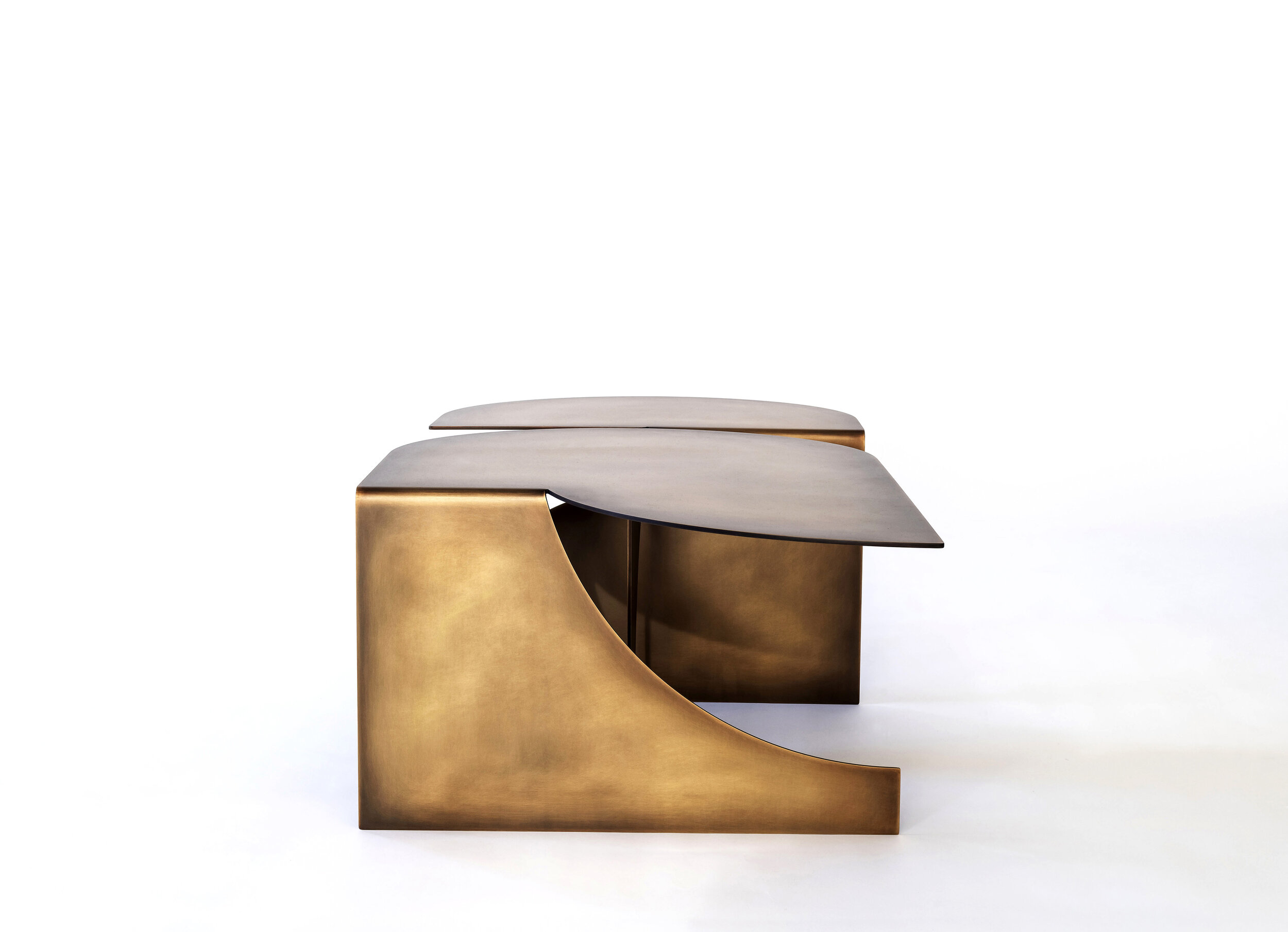
Sculptural furniture feels calmer when the shape has purpose: this version features an overlapping sheets of antiqued bronze forming layered curved surfaces. A room with earthy terracotta living room lets the form lead, while textiles soften its sharper or heavier edges. Use a non-reactive protective finish to reduce discoloration. The strongest arrangement keeps the table central without forcing guests to turn sideways to pass. Treat the entire arrangement as a balance of solid and open shapes.
27. Perforated Mirror-Glass Table

For a table that reads almost like an object from a gallery, try a mirrored glass panels patterned with circular perforation-like details. Picture it with contemporary loft with tall windows; the mix of surfaces keeps the result warm rather than showroom-stiff. Ensure apertures are not sharp or accessible to small fingers. Use one understated accessory and let the table’s material or negative space remain visible. This is a decorating idea, not a claim that a specific ready-made product has been tested.
28. Angular Smoked Glass Framework

The silhouette makes the statement in angular transparent and smoked-glass elements arranged into an open framework. The design feels most balanced with Scandinavian room with cream sofa, leaving its central profile readable from the sofa. Make sure leg openings do not snag blankets or foot traffic. Compare the tabletop height with the seat cushions so cups remain within comfortable reach. The form works best when its boldest profile faces the room entrance.
29. Soft-Edge Folded Brass
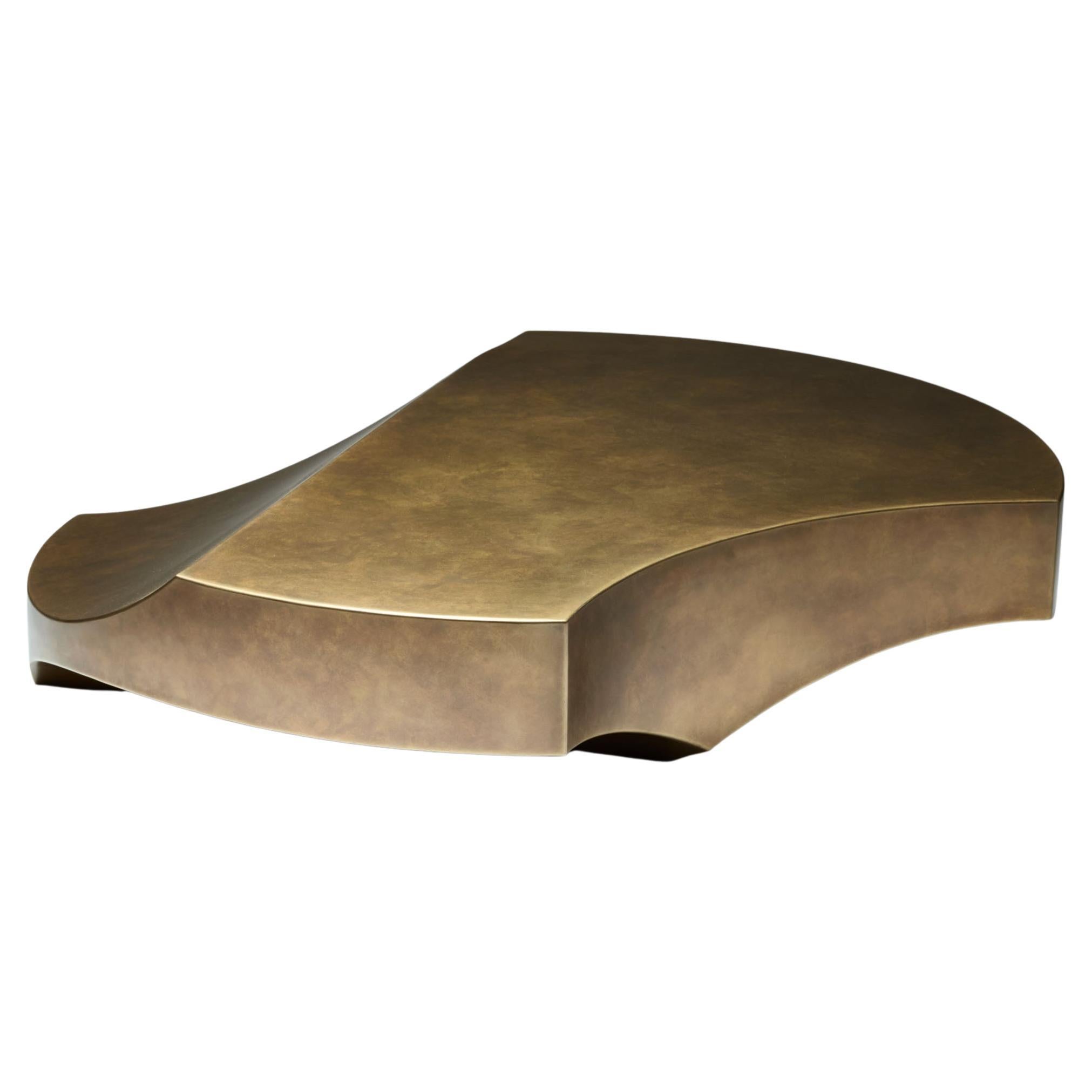
An expressive starting point is a curving patinated brass planes forming a low sculptural surface. It works especially well with blue-gray minimalist lounge, where the table adds contrast without fighting the furniture. Choose rounded hemmed edges and check wobble on uneven floors. Before choosing the piece, measure the walkaround space and leave a clear route to every seat. The finish can remain quiet even when the silhouette is unusual.
30. Satin Nickel Twin Loops

The defining feature here is two intersecting satin-nickel loops supporting a white stone-look top. Bring it into calm modern space with a plush rug and repeat just one of its tones elsewhere for continuity. Leave open floor space around the loops so the base can be appreciated. A rug that extends beyond the table helps this unusual outline feel grounded in the conversation area. A single accent color nearby will help the shape feel deliberate.
31. Stacked Timber Totem
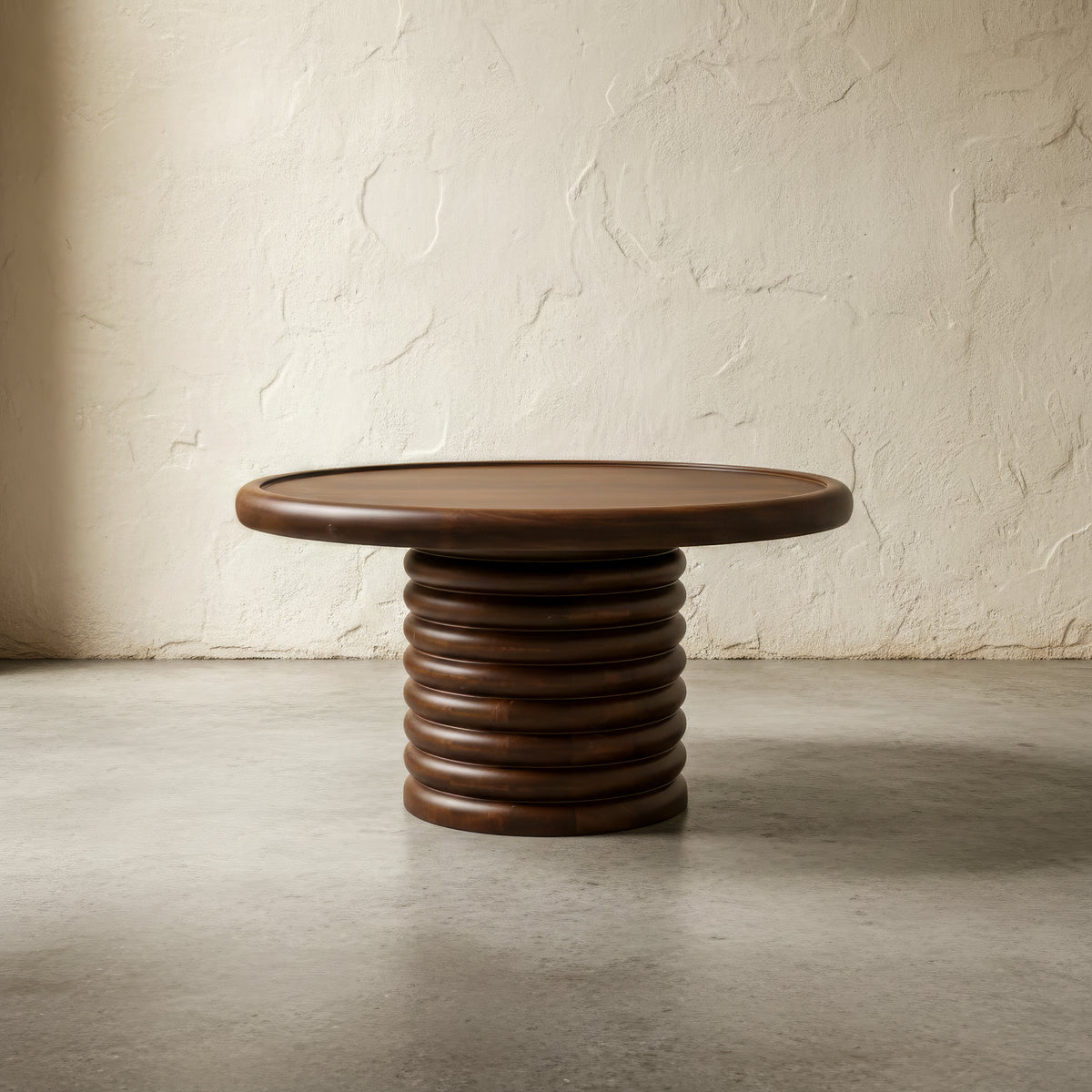
This variation uses graduated walnut discs stacked into a playful central column, giving the room a deliberate focal point. Try this with vintage-modern lounge with ocher art; keep surrounding decor understated so the table has a clear role. Keep the stack tied to an engineered internal core. For a smaller lounge, tape the proposed footprint on the floor before committing to the size. Use it as a focal point rather than matching every side table to it.
32. Faceted Hexagon Oak Block

Instead of a standard four-leg frame, consider a low hexagonal wood block with pronounced faceted sides. A setting such as modern rustic room with black framed art gives the sculpted surface enough breathing space to be noticed. Pair with a small round tray to offset the geometric perimeter. A low bowl or a pair of books is enough styling here; extra objects would conceal the sculptural base. The key is contrast between the table and nearby upholstery. For a coordinated backdrop, compare our wooden crate decor.
33. Circle-Square-Triangle Grouped Tables
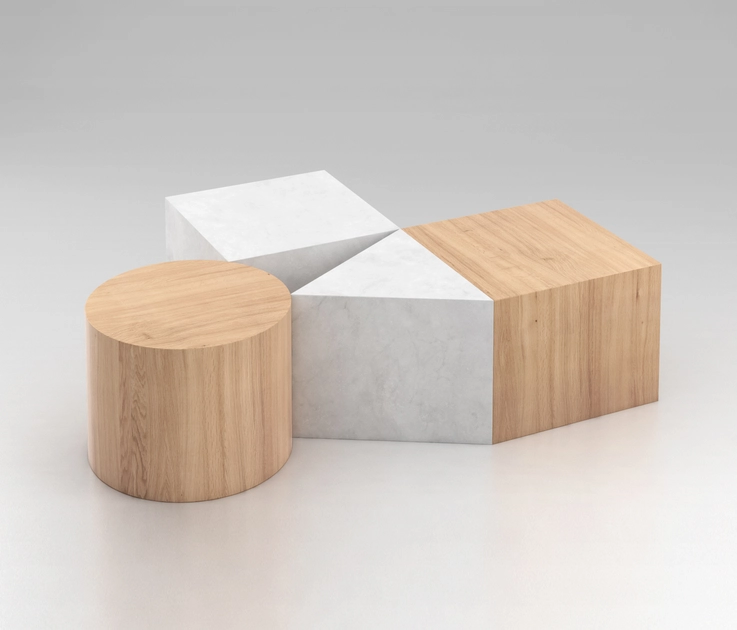
Sculptural furniture feels calmer when the shape has purpose: this version features a a group of separate oak and marble tables with circle, square and triangle silhouettes. A room with sectional seating arranged around a corner lets the form lead, while textiles soften its sharper or heavier edges. Rotate the point away from walkways and preserve reach from each seat. The strongest arrangement keeps the table central without forcing guests to turn sideways to pass. Treat the entire arrangement as a balance of solid and open shapes.
34. Interlocking C-Shaped Modules

For a table that reads almost like an object from a gallery, try two opposing curved wood pieces that nest into one surface. Picture it with flexible family room with modular seating; the mix of surfaces keeps the result warm rather than showroom-stiff. Confirm both pieces lock or sit securely before placing hot drinks. Use one understated accessory and let the table’s material or negative space remain visible. This is a decorating idea, not a claim that a specific ready-made product has been tested.
35. Checkerboard Cube Table
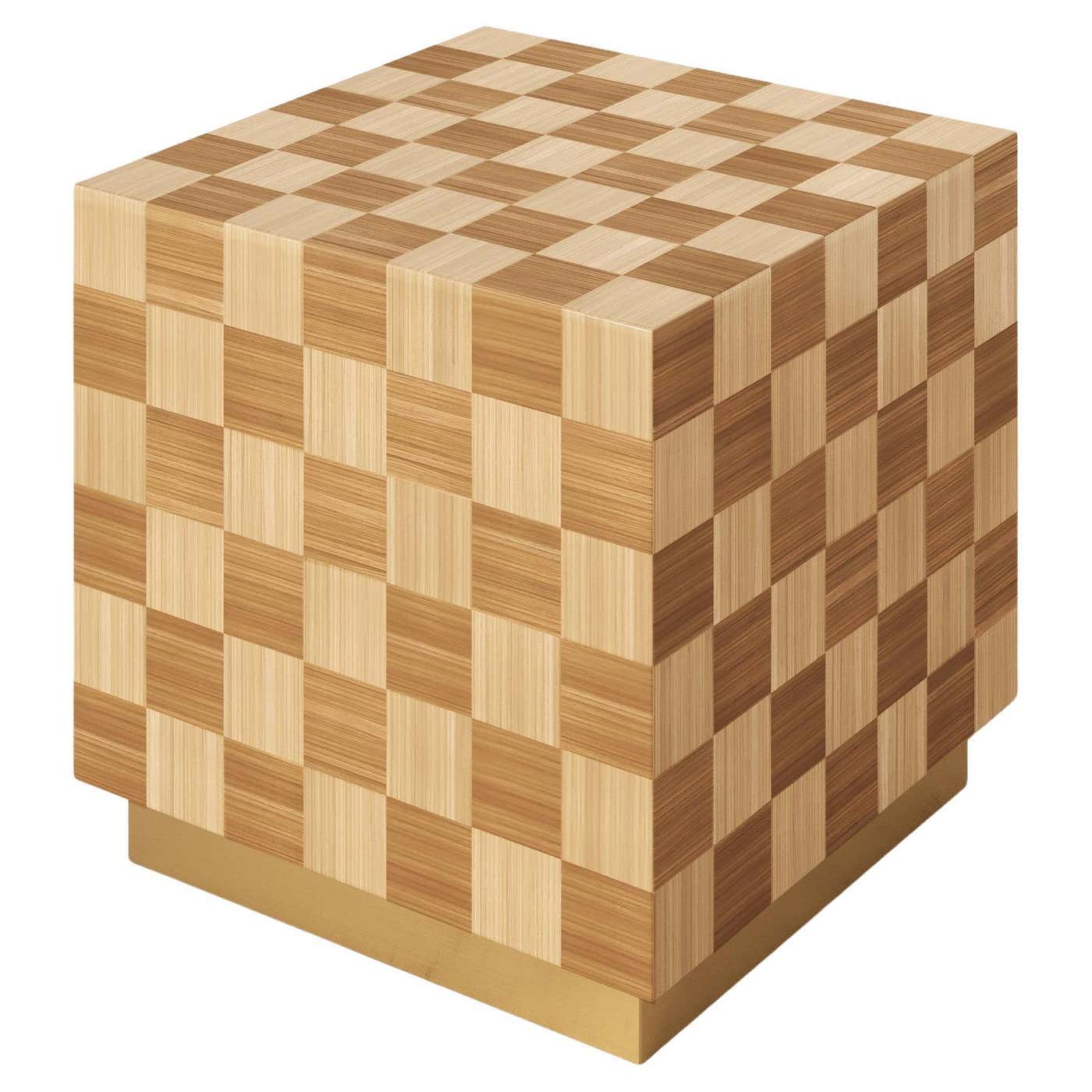
The silhouette makes the statement in offset square black and pale-wood blocks under one flat top. The design feels most balanced with playful art-filled living room, leaving its central profile readable from the sofa. Limit tabletop styling so the blocks stay visually readable. Compare the tabletop height with the seat cushions so cups remain within comfortable reach. The form works best when its boldest profile faces the room entrance.
36. Cantilevered Oak Platform

An expressive starting point is a thick oak-look top floating above one offset rectangular mass. It works especially well with spacious room with low lounge seating, where the table adds contrast without fighting the furniture. Verify the counterweight and rated load before choosing a long overhang. Before choosing the piece, measure the walkaround space and leave a clear route to every seat. The finish can remain quiet even when the silhouette is unusual.
37. Split-Level Fossil Stone Table

The defining feature here is staggered circular fossil-stone surfaces over a cylindrical pedestal. Bring it into conversation area with sofa and accent chair and repeat just one of its tones elsewhere for continuity. Use separate landing zones for books and drinks without blocking sightlines. A rug that extends beyond the table helps this unusual outline feel grounded in the conversation area. A single accent color nearby will help the shape feel deliberate.
38. Sculptural Puzzle-Piece Pair

This variation uses two irregular puzzle-like tables that slide apart, giving the room a deliberate focal point. Try this with small living room that hosts guests; keep surrounding decor understated so the table has a clear role. Allow clearance for pulling the pair apart and avoid tiny locking notches. For a smaller lounge, tape the proposed footprint on the floor before committing to the size. Use it as a focal point rather than matching every side table to it.
39. Double-Arched Wooden Bridge

Instead of a standard four-leg frame, consider two parallel timber arches joined by a softly curved tabletop. A setting such as transitional living room with neutral armchairs gives the sculpted surface enough breathing space to be noticed. Make sure the joinery is engineered for sitting-room use rather than decorative-only display. A low bowl or a pair of books is enough styling here; extra objects would conceal the sculptural base. The key is contrast between the table and nearby upholstery. For a coordinated backdrop, compare our modern rug ideas.
40. Triangular Prism Pedestal

Sculptural furniture feels calmer when the shape has purpose: this version features a faceted prism support beneath a rounded square solid surface. A room with architectural room with concrete accents lets the form lead, while textiles soften its sharper or heavier edges. Set the heavier face toward foot traffic and protect the floor. The strongest arrangement keeps the table central without forcing guests to turn sideways to pass. Treat the entire arrangement as a balance of solid and open shapes.
41. Sculptural Cork Lobes
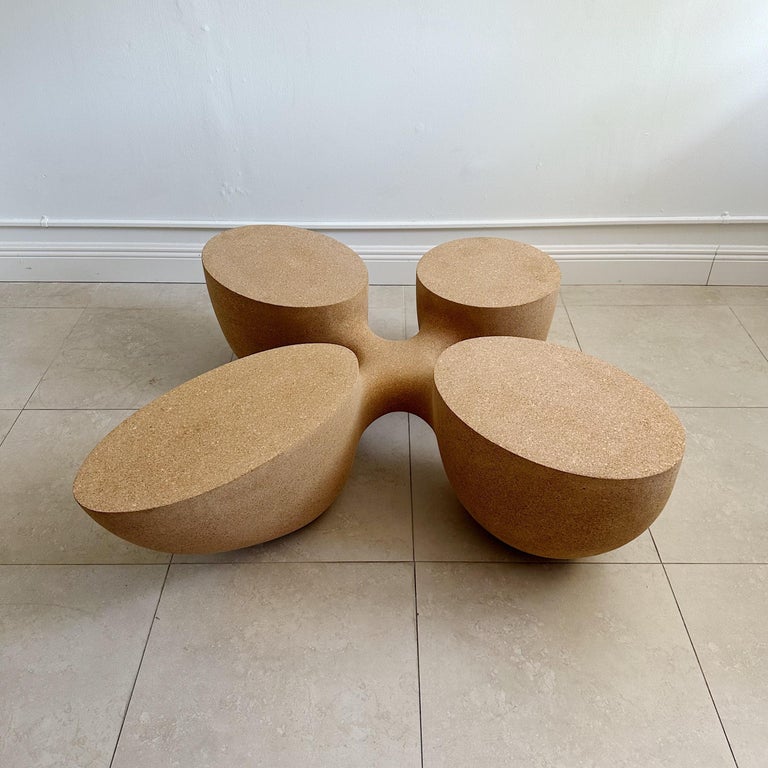
For a table that reads almost like an object from a gallery, try an organic four-lobed cork form with soft, rounded edges. Picture it with eco-inspired space with linen and indoor plants; the mix of surfaces keeps the result warm rather than showroom-stiff. Confirm a furniture-grade waterproof finish instead of leaving raw cork exposed. Use one understated accessory and let the table’s material or negative space remain visible. This is a decorating idea, not a claim that a specific ready-made product has been tested.
42. Charred Wood Stump Cluster

The silhouette makes the statement in three differently sized blackened wood cylinders grouped as a low table. The design feels most balanced with warm loft with a wool rug, leaving its central profile readable from the sofa. Sand and seal every exposed surface to avoid soot transfer. Compare the tabletop height with the seat cushions so cups remain within comfortable reach. The form works best when its boldest profile faces the room entrance.
43. Faceted Chevron Timber Modules
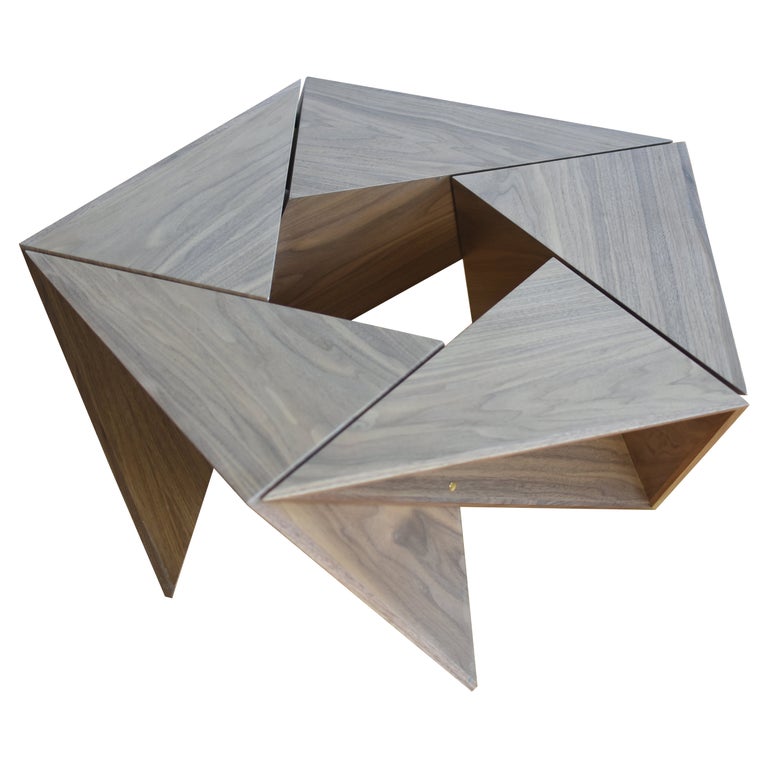
An expressive starting point is modular walnut-faced triangular pieces assembled into a chevron-like ring. It works especially well with farmhouse room with woven accents, where the table adds contrast without fighting the furniture. Check old timber for fasteners, splinters and structural defects. Before choosing the piece, measure the walkaround space and leave a clear route to every seat. The finish can remain quiet even when the silhouette is unusual.
44. Organic Walnut and Glass Shape
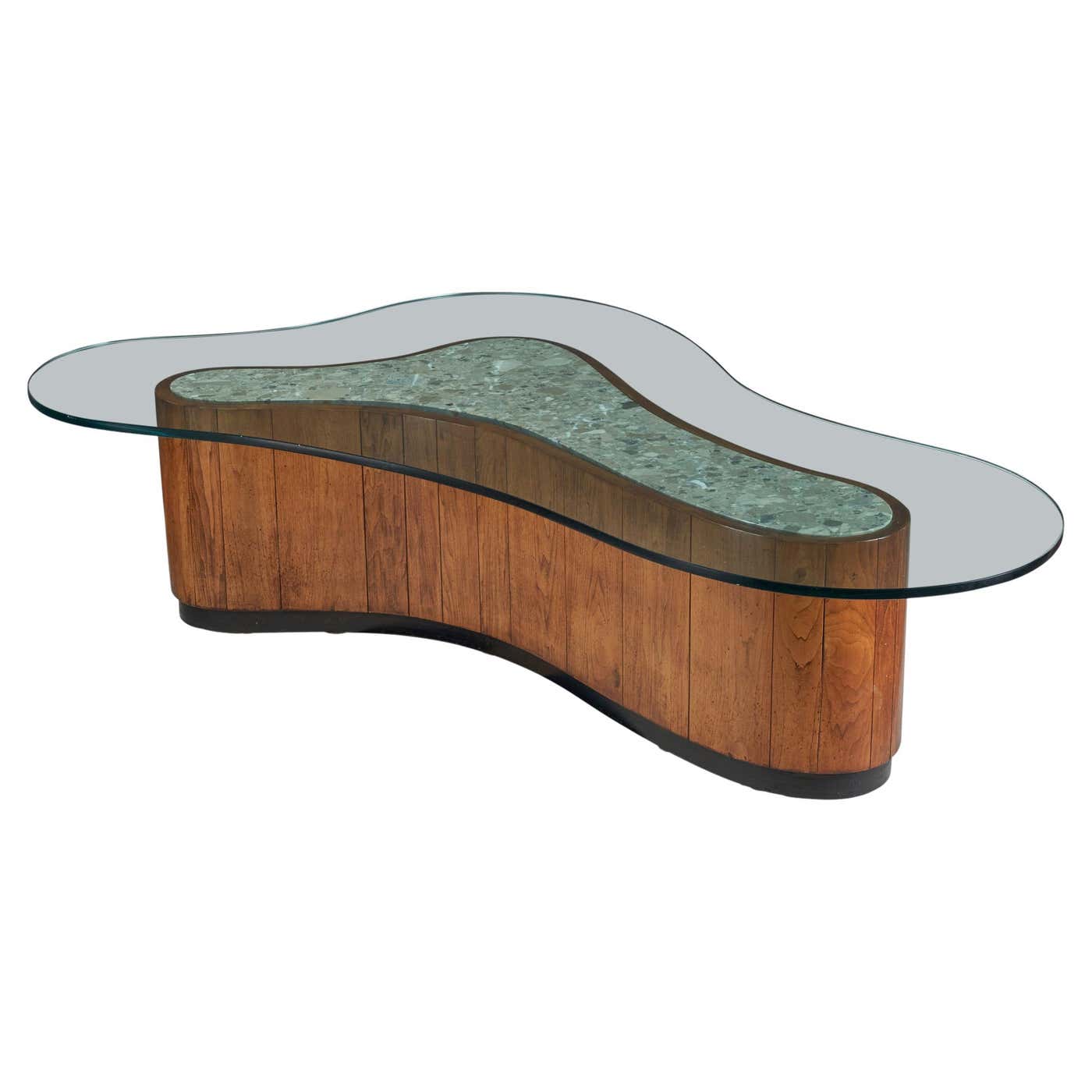
The defining feature here is a organic walnut base with a generous freeform glass surface. Bring it into Japanese-inspired calm room with low seating and repeat just one of its tones elsewhere for continuity. Protect laminated edges from standing water and extreme humidity. A rug that extends beyond the table helps this unusual outline feel grounded in the conversation area. A single accent color nearby will help the shape feel deliberate.
45. Terrazzo Bubble Cluster
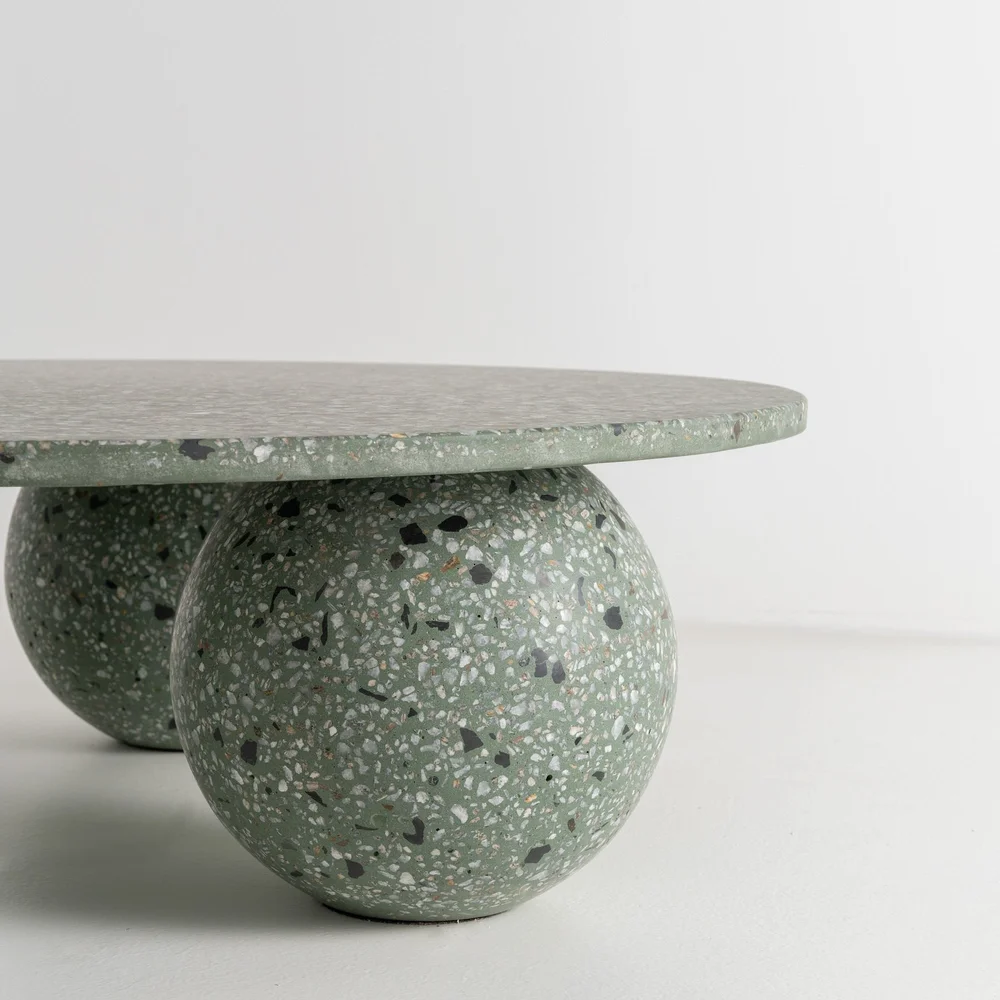
This variation uses several rounded terrazzo-look globes tucked under a flat circular top, giving the room a deliberate focal point. Try this with colorful modern room with art prints; keep surrounding decor understated so the table has a clear role. Select a stable fixed base rather than freestanding loose decorative spheres. For a smaller lounge, tape the proposed footprint on the floor before committing to the size. Use it as a focal point rather than matching every side table to it.
46. Ribbed Ceramic Drum
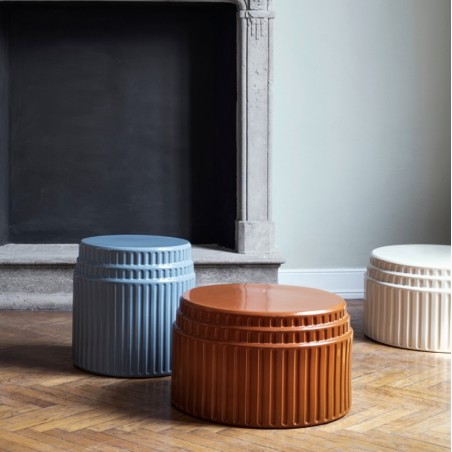
Instead of a standard four-leg frame, consider a cream ceramic-look drum with pleated flutes and flat inset surface. A setting such as soft neutral living room with boucle sofa gives the sculpted surface enough breathing space to be noticed. Consider a lighter durable composite where ceramic fragility is unsuitable. A low bowl or a pair of books is enough styling here; extra objects would conceal the sculptural base. The key is contrast between the table and nearby upholstery. For a coordinated backdrop, compare our modern living room ideas.
47. Fluted Wooden Nesting Forms

Sculptural furniture feels calmer when the shape has purpose: this version features fluted wooden pedestal tables of different sizes and contrasting finishes. A room with casual room with natural fabrics lets the form lead, while textiles soften its sharper or heavier edges. Choose similar heights so both pieces function independently. The strongest arrangement keeps the table central without forcing guests to turn sideways to pass. Treat the entire arrangement as a balance of solid and open shapes.
48. Glossy Cobalt Blob Table
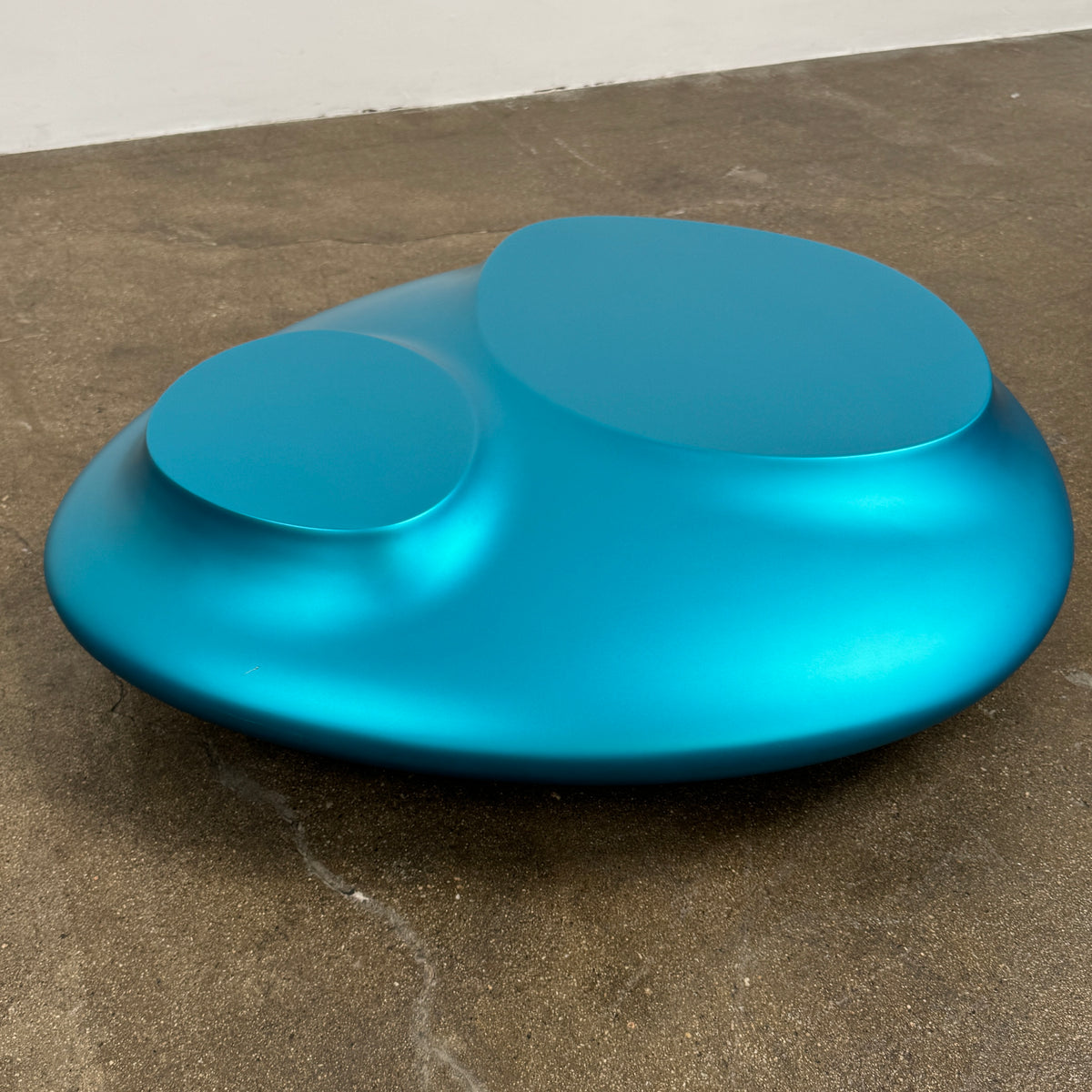
For a table that reads almost like an object from a gallery, try a rounded cobalt blue lacquer blob with an off-center tabletop. Picture it with white living room with graphic art; the mix of surfaces keeps the result warm rather than showroom-stiff. Use the vivid color as the single statement and wipe fingerprints promptly. Use one understated accessory and let the table’s material or negative space remain visible. This is a decorating idea, not a claim that a specific ready-made product has been tested.
49. Lotus-Edge Terrazzo Table

The silhouette makes the statement in a pale sculptural terrazzo tabletop with irregular petal-like edges and rounded supports. The design feels most balanced with quiet contemporary room with linen sofas, leaving its central profile readable from the sofa. Keep projecting petal tips blunt and leave enough walk-around clearance. Compare the tabletop height with the seat cushions so cups remain within comfortable reach. The form works best when its boldest profile faces the room entrance.
More Living Room Design Ideas to Try
These tables work best when the sofa, rug and wall finishes give their profiles room to stand out. Explore the related decorating ideas below before you choose the height, scale and materials of your own statement coffee table.
- Modern Living Room Ideas That Welcome
- Rug Ideas That Add Room Character
- Cozy Minimalist Rooms for Smaller Homes
- Large Mirror Styling for Living Spaces
- Indoor Olive Tree Styling Inspiration
- Warm Wall Accent Ideas to Explore
Which sculptural shape would suit your living room best: a curved stone look, an open timber base, or a colorful statement piece? Share your favorite idea—and any real-world stability or care tips you have learned—in the comments.

















0 Comments