18 Wall Clock Display Ideas for Different Interior Styles
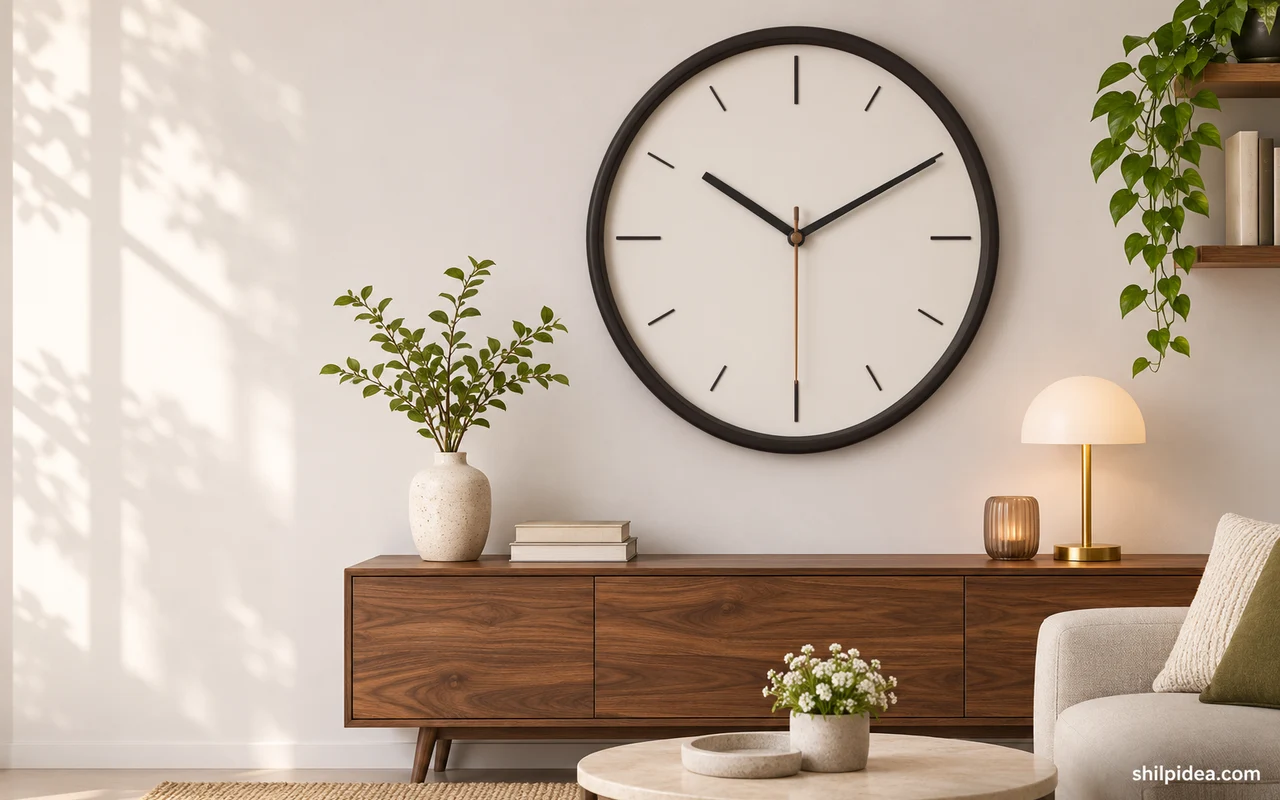
A wall clock can quietly finish a room or become the detail you notice first. The result depends on its size, the wall behind it, and how easily you can read it from across the room.
Think about the objects next to the clock as well as the face. These interior design ideas show how a small change in scale or color can shift attention in a room.
The 18 displays below range from quiet dining-wall clocks to playful wall pieces. If you are also arranging photos or objects, these personalized wall ideas can help you plan what goes nearby.
1. Match a Blue Clock to the Wall

A blue clock on a blue wall lets the hands and markers do most of the work. Compare paint and frame samples in the room because both colors can look different near a window. A face in a slightly lighter or darker shade helps the outline read. Leave some blank wall around it so the tonal treatment feels intentional.
2. Use an Open Gold Frame

A fine gold frame can draw a circle on a wall without covering much of its color. Hang it near another small warm-metal finish, such as a cabinet pull or lamp base, and leave room around the outline. Look at the hands from your usual seat first. An open design is most useful where the wall and hands have enough contrast.
3. Keep a White Dining Wall Quiet

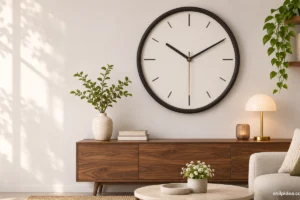
A white clock can blend into a light dining room while still giving the wall a useful detail. Choose darker hands or markers if you need to read it from the table. Center it on the dining zone or the wall panel behind the table. A little shadow around the clock case can give the outline definition in an otherwise pale room.
4. Try a Soft Gray Clock Face

A gray clock face can repeat the quieter tones in upholstery without bringing another bold pattern to the room. Look for a slightly deeper shade than the wall so the clock has a visible edge. Keep a comfortable gap between it and any nearby frames. If the clock goes in a hallway, read the hands from both approaches.
5. Style a Clock on a Dresser

A clock can sit alongside a candle or small vase on a dresser when wall space is limited. Use a model with a stable stand or secure the case according to its instructions if you want a leaning look. Keep the face clear of taller objects. Leave a little space behind the clock so you can reach its battery and controls. Try the same approach with these handmade bedroom ideas.
6. Balance a Large Clock with a Round Table

A large open clock can echo a round table without adding a second solid disc to the room. Align the clock with the dining area and check the composition from the doorway. Leave room for the chair backs and tabletop objects to move in the foreground. A simple centerpiece lets the clock keep its role as the main wall accent.
7. Give a Kitchen Clock a Vintage Edge

A vintage-style clock can pull together painted cabinets, old hardware, and practical kitchen pieces. Look for a face you can read while working at the counter. Mount it outside the busiest splash zone and leave clear wall around the numerals. A quiet frame color helps it fit among utensils, baskets, and other pieces already in use.
8. Use Colorful Markers on a Plain Wall

A clock with colored markers works like a small wall arrangement. Choose a few colors from the room so the face feels connected to what is already there. If the markers mount individually, lay out their positions on paper and check spacing before attaching them. Keep the hands clear and readable against the wall color.
9. Use an Oversized Clock Above a Desk

An oversized clock can give a work corner a focal point without taking up desk space. Hang it where you can glance at it while seated. Before making holes, check that the bottom edge clears your monitor and lamp. If the wall has shelving, let the clock occupy its own bay so nearby objects do not crowd the face.
10. Add a Wood Clock to the Kitchen

A wood-framed clock can repeat a chopping board, shelf, or cabinet trim without requiring an exact match. Use one finish as a guide and let the grain add a little variation. Test the position from your main prep spot and leave clearance around cabinet doors. A dial with clear numbers is especially useful where you check the time while cooking.
11. Try an Analog Clock Display That Reads Like Digits

A row of small analog clock faces can work together to form a display that reads like digits. Give the piece a stretch of quiet wall and check that the full set of dials is visible from where you sit. Leave room to access its controls. A simple shelf below can balance the long outline without competing with the moving hands.
12. Layer a Sunburst Clock Over Wood Slats

A sunburst clock can interrupt the repetition of a slatted wall with a distinct outline. Pick a frame finish that stays visible against the wood, and give the longest rays room to breathe. Check where the wall can take the intended mounting hardware. An outline cut from paper helps you see how the clock overlaps the slats before hanging it. For another way to work with timber, browse these rustic wood accents.
13. Give a Modern Cuckoo Clock Room

A modern cuckoo clock can add a playful outline to a plain wall. Leave open space beneath the case if it has a moving pendulum or decorative weights. Check the sound settings before choosing a spot near a bedroom or workspace. Keep nearby wall art simple so the clock’s shape is easy to see.
14. Center a Clock Above the Fireplace

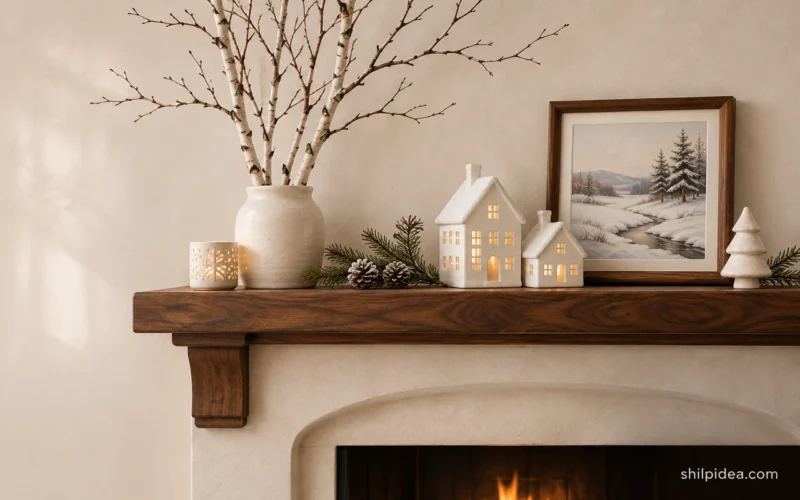
A clock can anchor the wall above a fireplace, especially when the mantel has only a few objects. Line up the clock with the fireplace opening and judge the gap from your usual seat. Follow the clock and fireplace manufacturers’ placement guidance before mounting. Use small mantel pieces that leave the bottom of the face easy to see. You can also borrow a few ideas from these winter mantel displays.
15. Use Dominoes as Hour Markers

Dominoes can give a DIY clock face an easy-to-recognize motif. Arrange the pieces around the hands on a test board before attaching them, and leave clearance for the hands to turn. Keep the background plain so the dominoes stand out. A small clock like this fits a game corner, study, or shelf area that could use a personal detail.
16. Let Black Marble Supply the Pattern

A black marble clock can add pattern to a wall without requiring a cluster of prints. Let the stone veins remain the main detail and pick hands that can be read from across the room. Check the weight and mounting instructions before choosing hardware. Keep nearby surfaces quiet so the face still feels like part of the room.
17. Hang a Clock from a Visible Hook

A clock with a visible loop or hanging strap makes the mount part of its silhouette. Give the strap enough room above the dial so it is easy to see. Use the hanging hardware specified for the clock’s weight. A plain background helps a dark case or brass hands stand out without adding more pieces to the wall.
18. Group Vintage Clocks on Brick

A group of vintage clocks gives a brick wall several points of interest. Lay out the case shapes on the floor first and use their outside edges to judge the spacing. Keep one face readable from the room if the group serves a practical purpose. Choose fixings suited to the wall and the weight of each piece.
Find Another Focal Point for Your Walls
Once you know where your clock will hang, try a related project to work out the balance of color, scale, and texture around it.
- Personalized wall decor for everyday rooms
- Handmade frames for wall mirrors
- Creative ways to refresh interiors
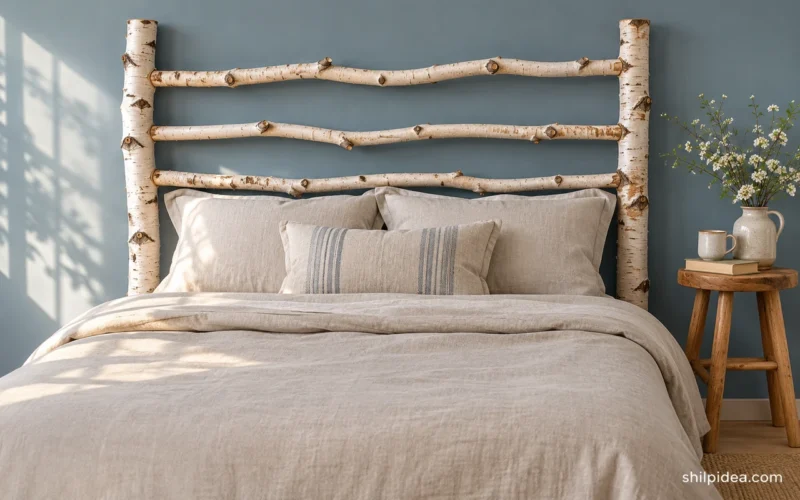
- Handmade headboards for bedroom walls
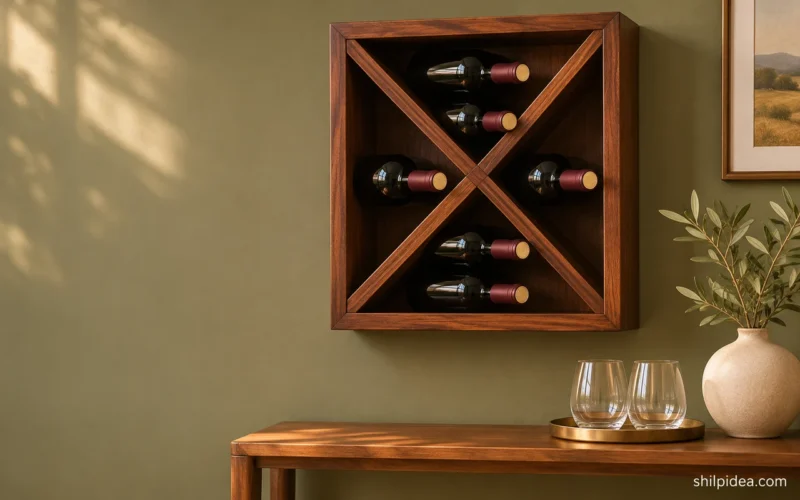
- Wine rack displays for small corners
Which room needs a better place for a clock? Share the wall color, the furniture below it, or the clock you already have. If you’ve tried an oversized clock, tell us how you chose its position.















0 Comments