20 Bonsai Tree Ideas for Indoor and Outdoor Spaces
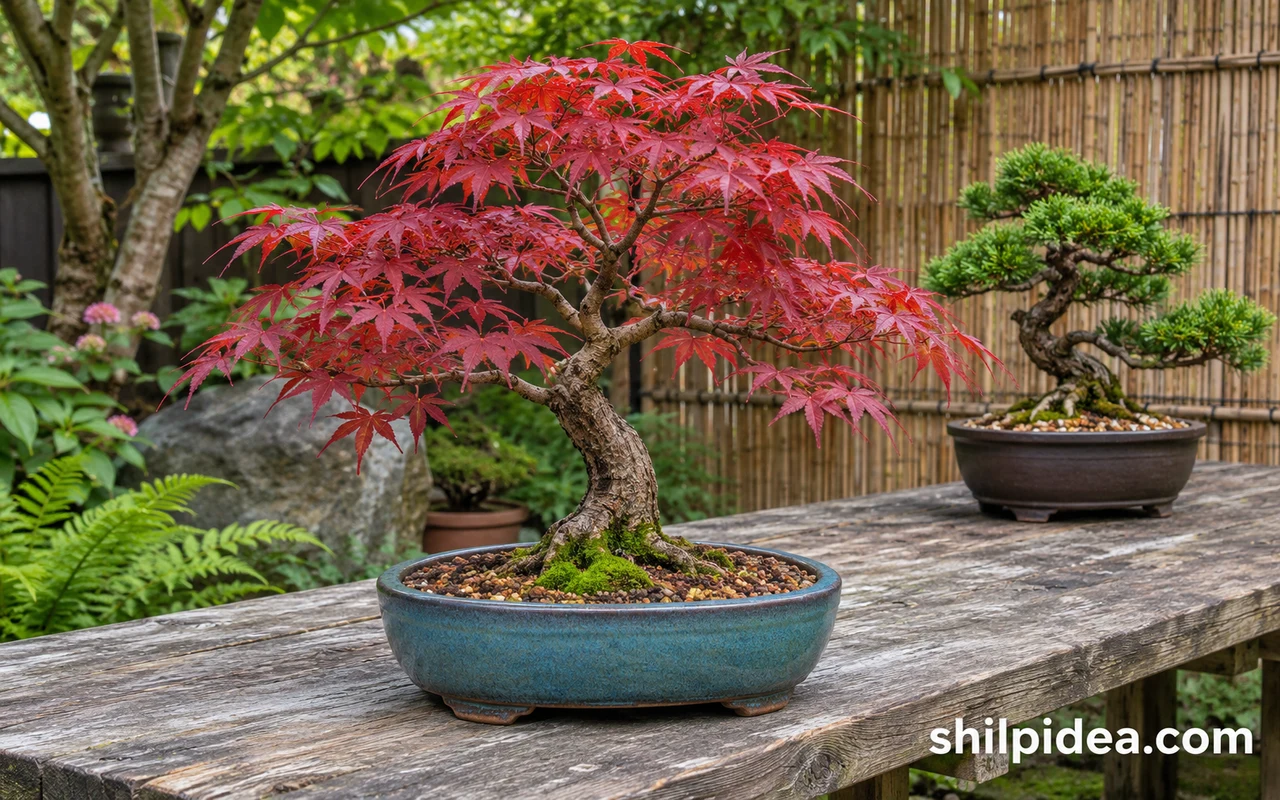
Bonsai tree ideas begin with a living tree’s needs, not just the size of its pot. These 20 examples show different trunks, foliage, flowers and display styles, with indoor candidates and outdoor trees clearly distinguished.
Start by checking your light and climate. These indoor plant ideas can help you think about placement, although bonsai species need their own care.
Use the photographs to compare shapes before choosing a tree. Explore these garden display ideas for outdoor surroundings, then follow reliable guidance for your exact species.
1. Jade Plant with a Simple Forked Trunk

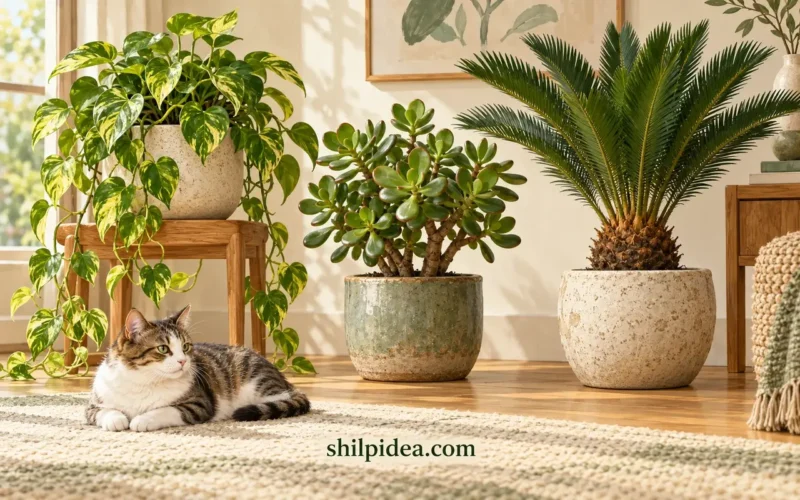
A forked trunk and fleshy oval leaves give this jade plant a clear miniature-tree outline. Crassula ovata is a succulent, so its watering needs differ from those of a thirsty deciduous bonsai. Choose a bright position, use a freely draining container and let the growing medium dry appropriately between waterings. The small pot is a styling choice, not a reason to keep the roots constantly wet.
2. Dwarf Jade with a Broad Rounded Canopy

Portulacaria afra can develop a branching, rounded crown with small succulent leaves, as this gallery example shows. It offers a different leaf scale from the larger-leaved Crassula above. Give it strong light and protect it from freezing conditions; do not choose a dark shelf simply because the pot is compact. These small planter displays can help you compare container proportions while keeping each plant’s growing requirements separate.
3. Japanese Maple with Red Foliage
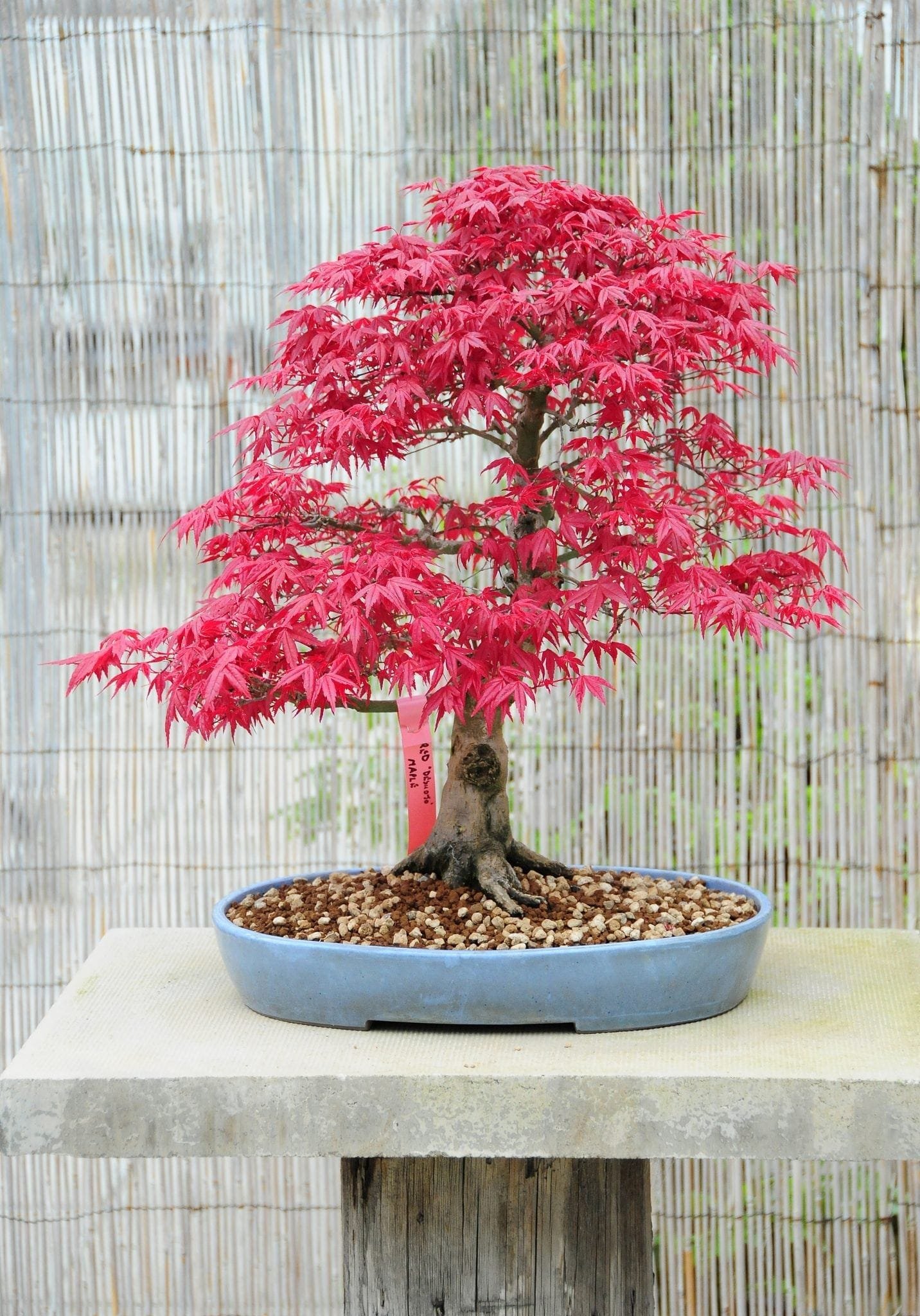
Red foliage makes this Japanese maple an expressive outdoor focal point without elaborate accessories. A restrained pot lets the branching and leaf shape remain prominent. Japanese maples need outdoor seasonal conditions, with protection appropriate to the cultivar, local climate and exposed roots in a shallow container. In hot weather, shelter delicate foliage from harsh afternoon conditions. A brief indoor photograph does not make this a permanent houseplant.
4. A Juniper with a Curving Trunk
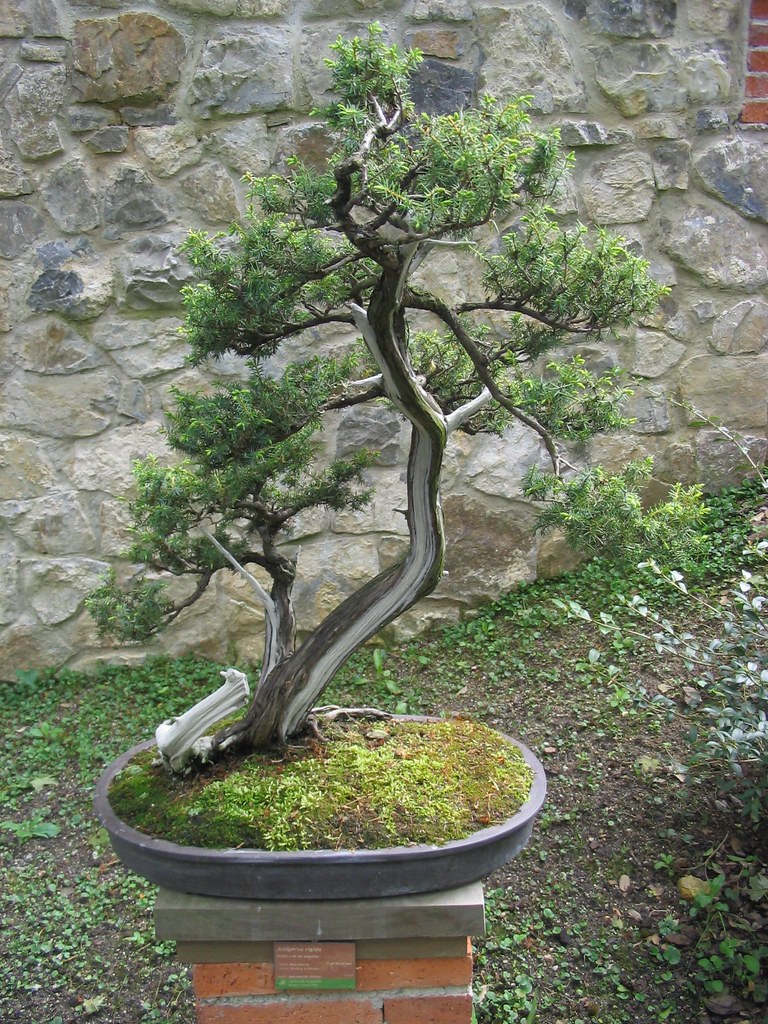
The dark trunk bends twice on its way up from the shallow pot, and a pale strip of wood follows the lower curve. Open spaces between the foliage pads let you trace the trunk through the canopy. A low display stand gives a good view of both the exposed roots and the long sweep of the trunk.
5. Japanese Cedar with Layered Foliage Pads

John Milton’s Japanese cedar example uses separated foliage pads to reveal the upright trunk between layers of greenery. The open gaps are as important to the outline as the foliage itself. His project documents trimming a Cryptomeria at a bonsai nursery, making it a useful reference for the work behind the finished shape. Keep an outdoor conifer in suitable outdoor conditions and plan pruning around its species and health.
6. Ficus with a Curved Trunk

A gently curved trunk gives this ficus movement without a complicated pot or stand. Ficus is a practical indoor candidate when a home offers abundant light and stable warmth; it is not suited to a dim decorative corner. Check moisture rather than following a daily watering label. If propagation interests you, these air layering basics explain the broader method; confirm the right timing and technique for the actual tree first.
Care guide: Ficus Bonsai Care Basics
7. Chinese Elm with Fine Branching

Small leaves and fine branching make Chinese elm useful for a miniature landscape effect. A shallow rectangular pot reinforces the tree’s broad outline while leaving the trunk visible. Its winter treatment depends on the tree’s origin, prior growing conditions and local climate, so ask the grower how it has been overwintered. A Chinese elm sold indoors should not suddenly be exposed to a severe outdoor freeze.
8. Fukien Tea with a Compact Crown

Fukien tea, or Carmona, creates a compact display with a textured trunk and small leaves. It can suit a bright, warm indoor setting, but it is more sensitive to inconsistent conditions than a simple decorating photograph suggests. Avoid repeatedly moving it between dramatically different positions. Check the soil carefully and keep its environment stable; choosing this tree means committing to its light and moisture needs, not just its shape.
9. Hawaiian Umbrella with an Airy Canopy

The compound leaves of Hawaiian umbrella create an airy crown rather than a dense mound of tiny individual leaves. This tropical species can be kept indoors where it has suitable light and warmth. Although it tolerates less light than some bonsai candidates, brighter conditions support better growth. Position it away from cold drafts and heating vents, and select a pot that drains instead of trapping water around the roots.
10. Juniper with a Low Spreading Silhouette
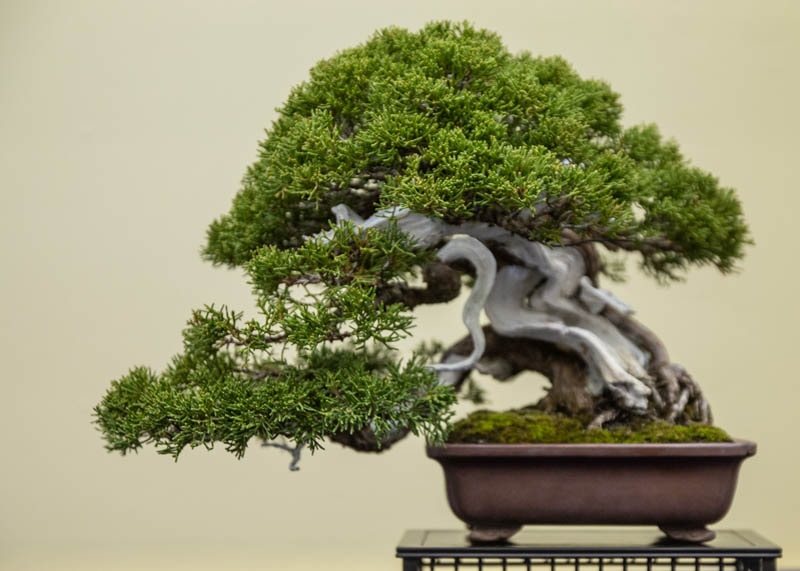
A low crown and weathered-looking trunk make this juniper feel broad and grounded. It is an outdoor tree, so plan the display around a garden or suitable balcony rather than a living-room shelf. Give it the light, drainage and winter protection its species and climate require. When maintaining the outline, avoid cutting every branch back to bare wood; junipers do not reliably regenerate from those leafless sections.
Care guide: Juniper Bonsai Care Essentials
11. Azalea Covered in Pale Blossoms
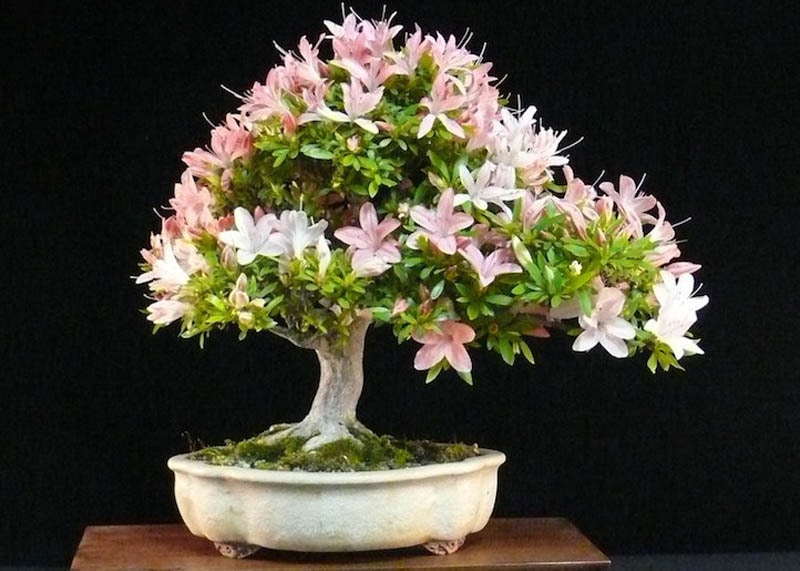
Pale blossoms turn this azalea into a seasonal centerpiece, while the simple pot keeps attention on the flowering canopy. Plan a sheltered outdoor display and protect the flowers from harsh sun and heavy rain where necessary. Azaleas need an appropriate acidic growing medium and careful moisture management. These garden display ideas can help you choose the surrounding setting without crowding the tree or blocking access for watering.
12. Olive with a Thick Textured Trunk

A thick trunk and small gray-green leaves give olive bonsai an aged, Mediterranean character. The tree suits a sunny outdoor growing position, with protection from damaging frost according to local conditions. A warm, dim room is not an equivalent winter home. Compare the base and trunk shape when choosing a pot, and keep the surface treatment simple so the bark remains the most noticeable detail.
13. Pomegranate with a Fruit Accent
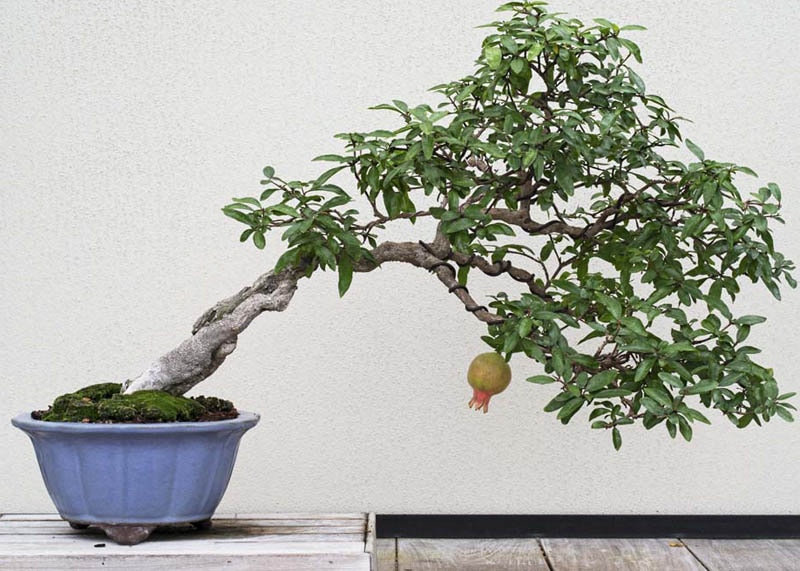
A small pomegranate fruit can become a striking focal point on an otherwise restrained tree. The effect depends on a healthy plant, suitable sun and warmth, and correct seasonal care; fruiting is not guaranteed. The source example also shows how a leaning trunk can balance a rounded pot. Plan frost protection and avoid allowing more fruit than the tree can support simply to reproduce a photograph.
14. Wisteria with Hanging Flower Clusters

Wisteria’s hanging flower clusters create a very different silhouette from a compact leafy crown. Leave vertical space beneath the branches so the flowers can hang freely without resting on a shelf. This is an outdoor seasonal display with substantial growing and watering needs, not a low-maintenance indoor ornament. Protect container-grown roots appropriately in winter, and keep poisonous seeds and seed pods away from children and pets.
15. Pine with a Strong Upright Structure

A pine’s needle clusters and layered branches create a formal, architectural display. The pictured indoor exhibition is a temporary presentation, not evidence that pine bonsai should live indoors. Grow the tree outdoors with the sun, drainage and seasonal protection it needs. Pine training methods differ between species, so identify the tree before copying pruning or candle-cutting advice intended for a different kind of pine.
16. Larch Showing Golden Seasonal Color

Golden needles give this larch a warm seasonal appearance while its branching remains easy to read. True larches, Larix, are deciduous conifers and naturally lose their needles, so a bare winter tree is not automatically dying. Confirm the botanical name before choosing winter protection: golden larch, Pseudolarix, is a different genus with different needs. Use the seasonal change as part of an outdoor display rather than trying to prevent dormancy.
17. Bougainvillea with Bright Papery Bracts

Bright papery bracts give this bougainvillea a bold flowering effect above a substantial trunk. It needs strong light and warmth for that display, with frost protection when conditions turn cold. In cooler regions, plan a sufficiently bright winter position before buying one; a warm but dark room can be a poor compromise. Let the bracts provide the color and keep nearby accessories understated.
18. Privet with a Rugged Trunk Base
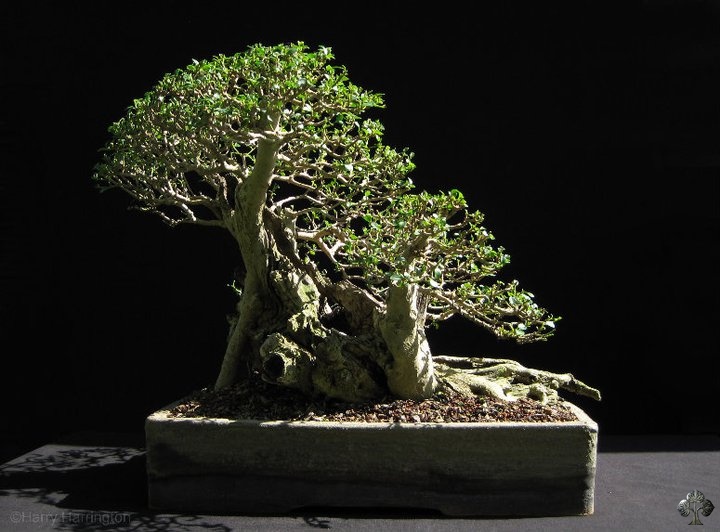
The rugged base of this privet creates visual weight beneath a relatively light crown. It is a useful reference if you prefer bark and branching to showier flowers. Identify the actual Ligustrum species before deciding on indoor or outdoor winter care, because their tolerances differ. Keep the rootball from drying out completely, but provide drainage rather than leaving the container permanently saturated.
19. Hornbeam with a Leafy Tapered Crown
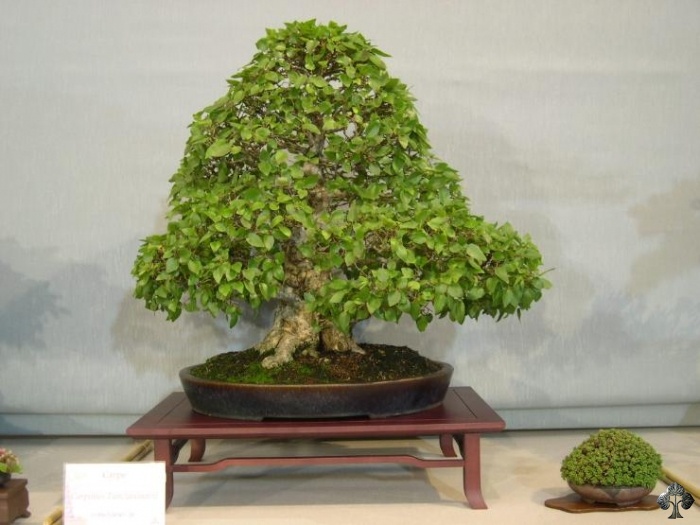
A tapered crown and visible surface roots give this hornbeam a convincing miniature-tree profile. The leafy silhouette suits an outdoor bench where the pot and trunk can be viewed together. Hornbeam and beech can look similar, so use a verified species label rather than a photograph alone when planning care. Container-grown roots need appropriate winter protection even when a full-sized tree of the same species is locally hardy.
20. Serissa with a Small Grove Effect

Several slender trunks give this serissa the impression of a small grove in one shallow container. The quiet composition works with a simple background, but successful growing still depends on stable light, warmth and moisture. Avoid unnecessary moves, and plan protected conditions when outdoor temperatures become unsuitable. When arranging other houseplant displays nearby, leave this tree its own suitable bright position instead of assuming all small plants share the same needs.
Match the Tree to Your Actual Growing Space
A bonsai is not a separate dwarf species. Start with a confirmed plant identity and check its light, temperature and seasonal needs before deciding where to keep it. Tropical indoor candidates still need substantial light; temperate trees such as maples, pines and junipers generally require outdoor conditions. Follow Bonsai Empire’s indoor placement guidance when comparing the two groups.
Water according to the species, substrate and observed moisture, rather than one universal calendar. Use a draining container, allow excess water to escape and check more often during heat or drying winds. Plan winter protection for the roots, not just the branches. US, UK and Australian seasons and climates differ, so schedule pruning and repotting around local conditions and the tree’s stage of growth.
Give Your Bonsai Room to Be Seen
A simple stand and a clear background can make a small tree easier to appreciate without adding more ornaments. Leave space to reach the pot, check moisture and move the tree when its care requires it. Choose companion displays around the conditions you actually have, then use these related projects to plan the rest of a windowsill, patio or garden corner.
- Houseplant Displays for Indoor Spaces
- Air Layering Basics for Plant Propagation
- Concrete Planter Display Ideas for Home
- Garden Decor with Upcycled Planters
- Water Fountain Ideas for Garden Corners
Which tree shape would you enjoy caring for: a leafy crown, a flowering canopy or an expressive trunk? Share your bonsai plans in the comments, including the space you have available. If you already grow one, your experience with placement or seasonal care could help someone choosing a first tree.













0 Comments