18 Modern Living Room Ideas for a Welcoming Space
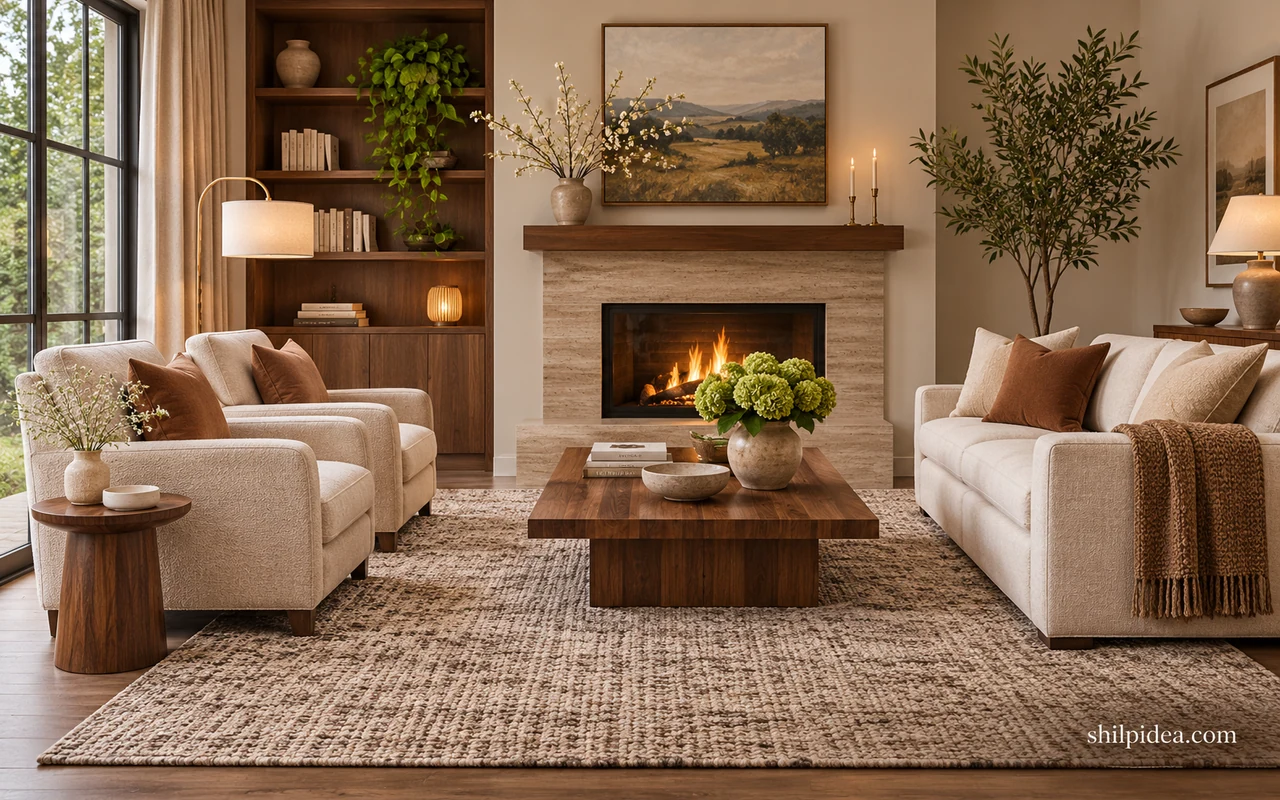
A modern living room can feel generous and relaxed even when the floor plan is awkward. Start by noticing where people sit, walk and look when they come in.
These ideas show how furniture placement, lighting and storage change the way a room feels. If you’re working with fewer square feet, start with these cozy minimalist layouts.
Use the layouts to narrow your options, then borrow a material or color from these forest-inspired rooms to give the room some warmth.
1. Face Two Sofas Across the Rug
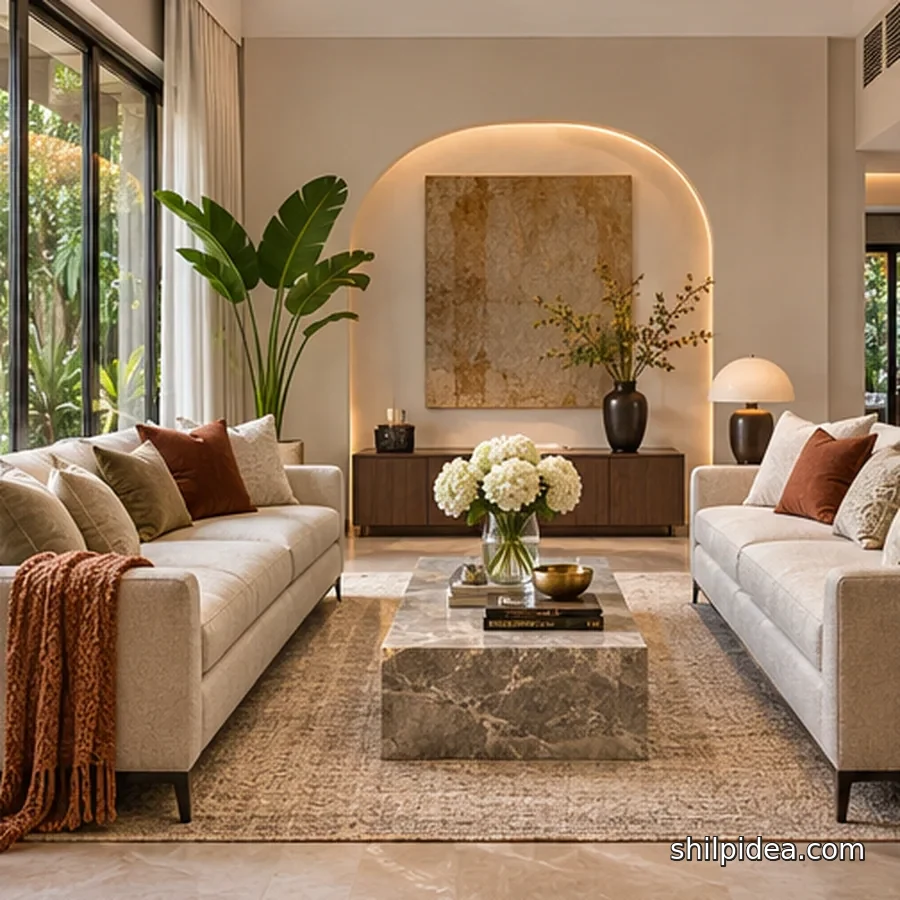
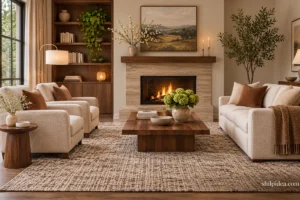
A pair of facing sofas puts conversation at the center of the room. Use a coffee table both sides can reach and leave the main walkway outside the seating group. The sofas can differ in color or upholstery if their scale is similar. A rug that reaches the front legs ties them together.
2. Add Swivel Chairs to a Sofa
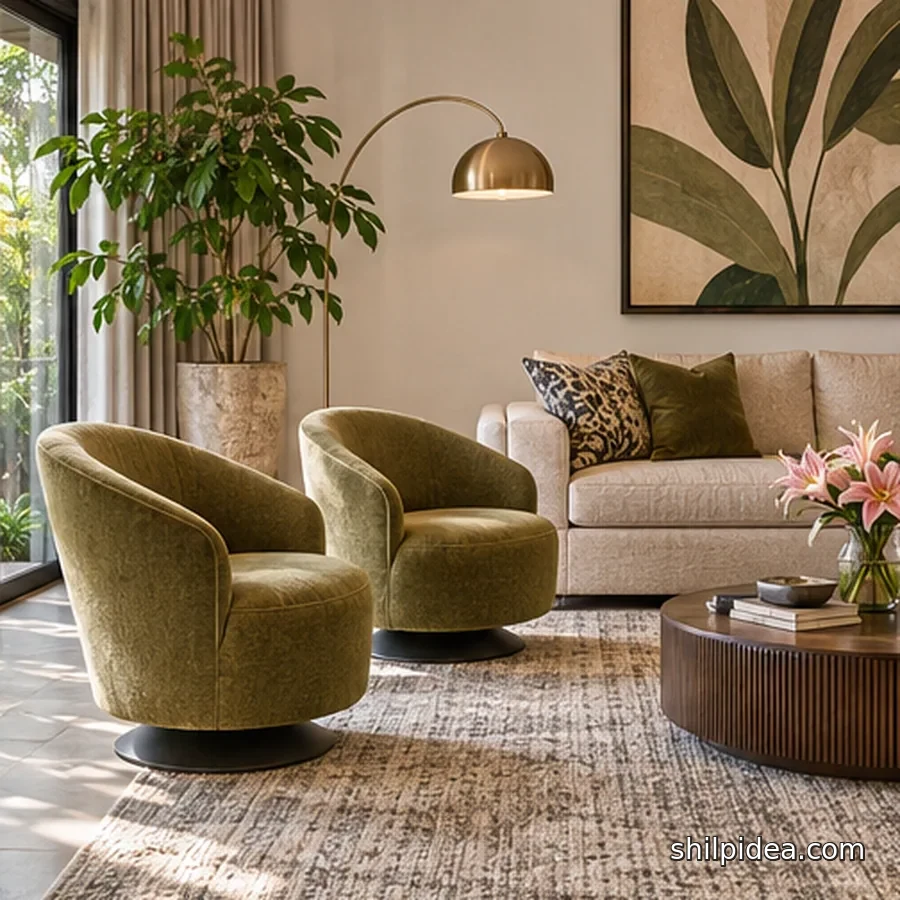
Swivel chairs let guests turn toward the sofa or a second focal point without shifting furniture. This is especially useful when a TV and a view sit on different walls. Test the chair’s full rotation before buying, leaving enough room around its arms to keep it clear of the table and walls.
3. Make a Window Bench Part of the Seating
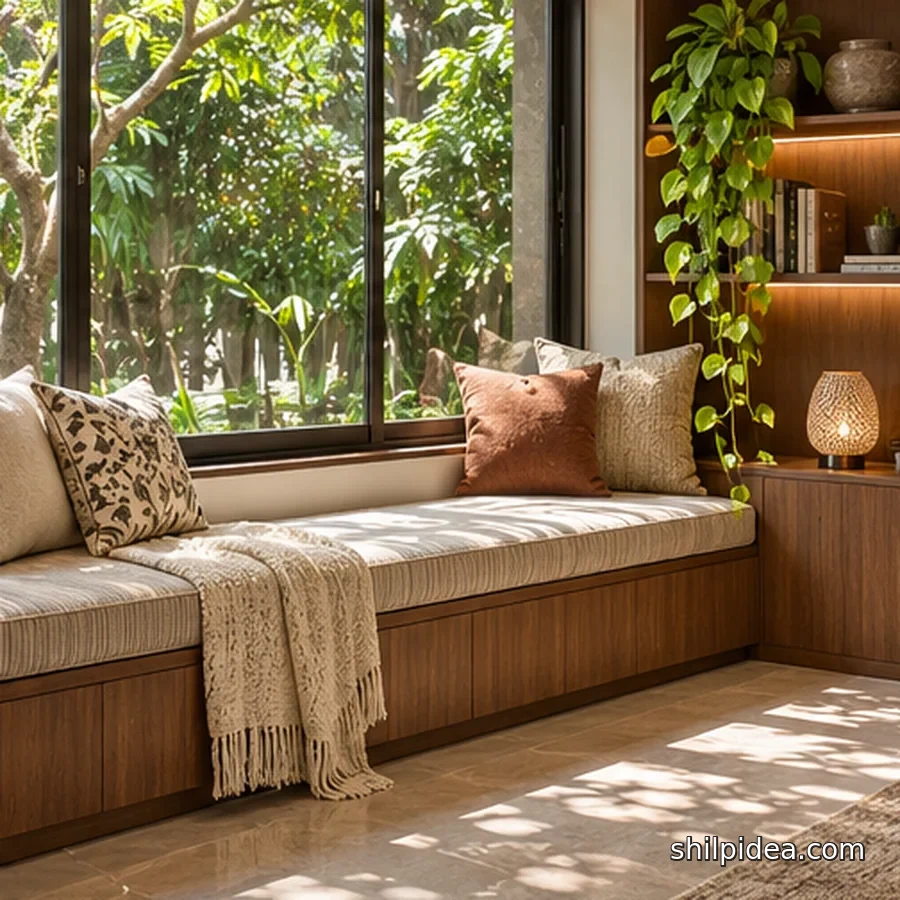
A window bench turns the edge of the room into somewhere to sit with a book or join the conversation. Keep its cushion firm enough to support sitting upright and add just a few pillows. If the window opens inward or has a low handle, check that the cushion leaves it accessible.
4. Soften the Layout With a Curved Sectional
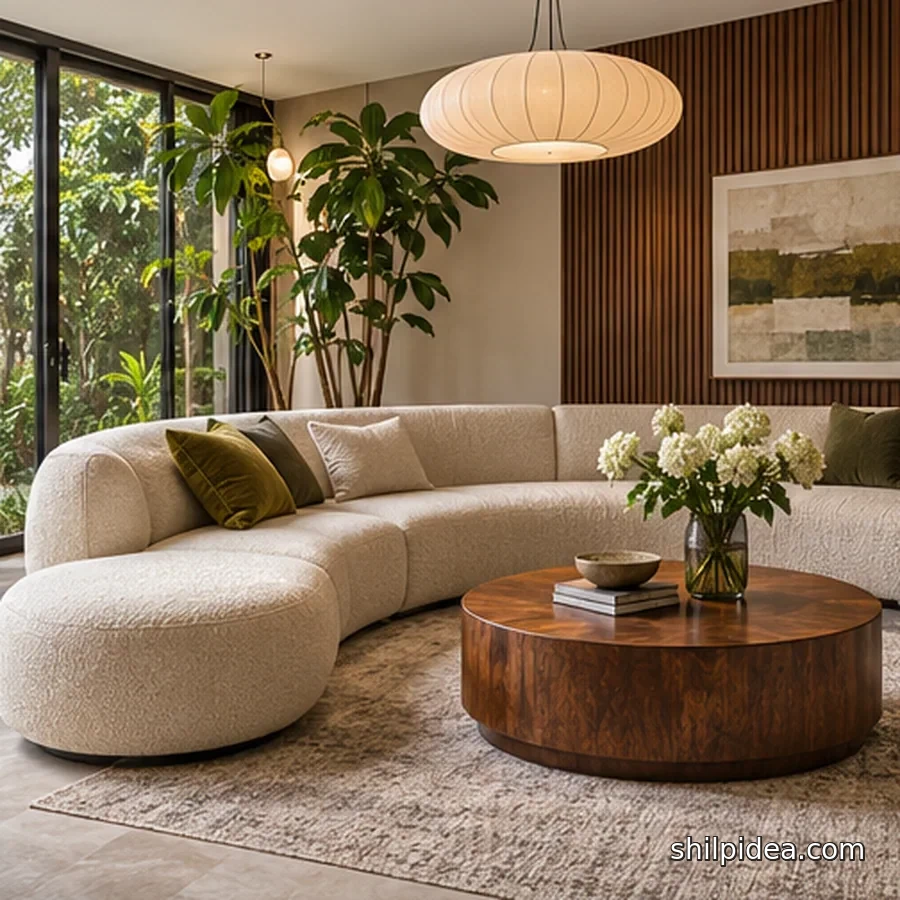
A curved sectional naturally turns people toward the center, so a round table suits the shape. Check the curve against your room on the floor with painter’s tape. A sectional can look compact in a photo and still project farther into the walkway than you expect once the ends are in place.
5. Float the Sofa With a Console Behind It
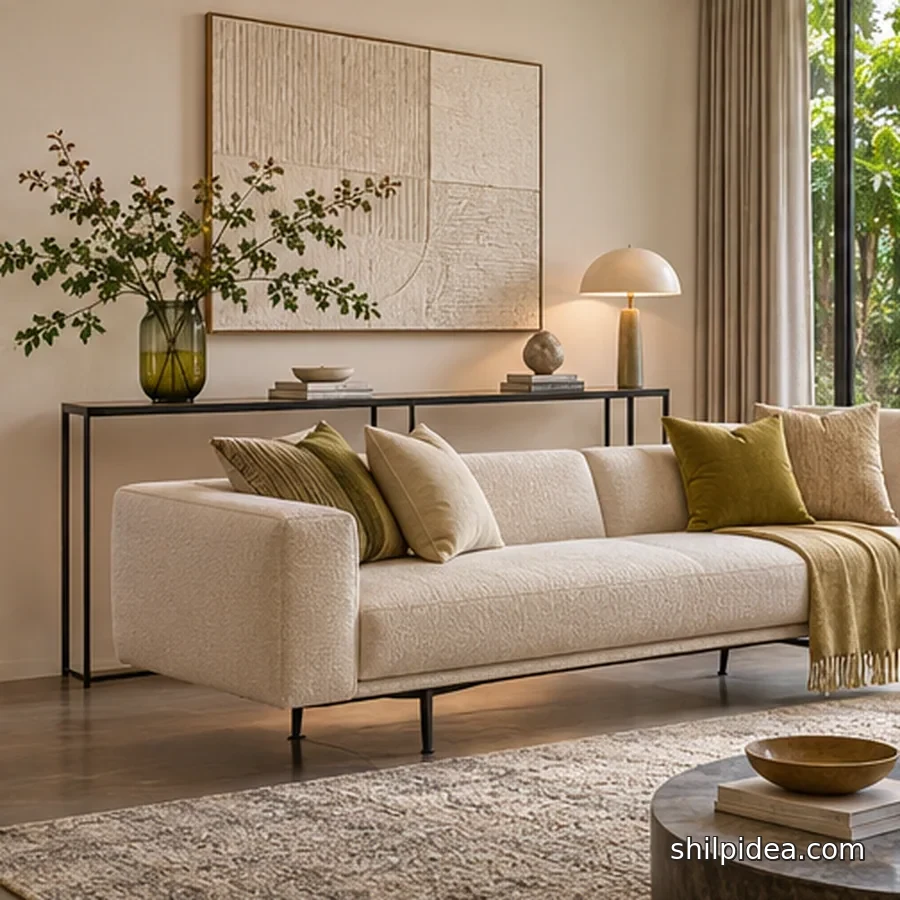
A slim console makes the back of a floating sofa feel finished and gives you a place for a lamp or a catchall. Choose a height at or below the sofa back so the pieces read as one grouping. Keep the passage behind them clear, especially where people enter from another room.
6. Define an Open Plan With a Rug
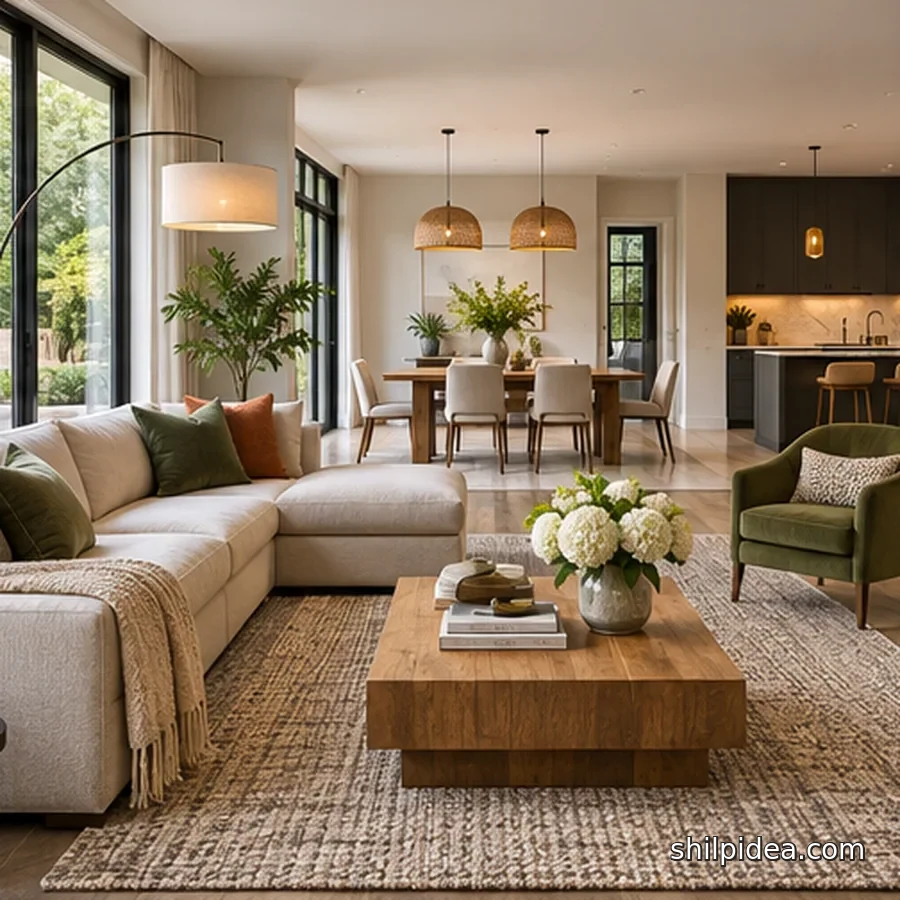
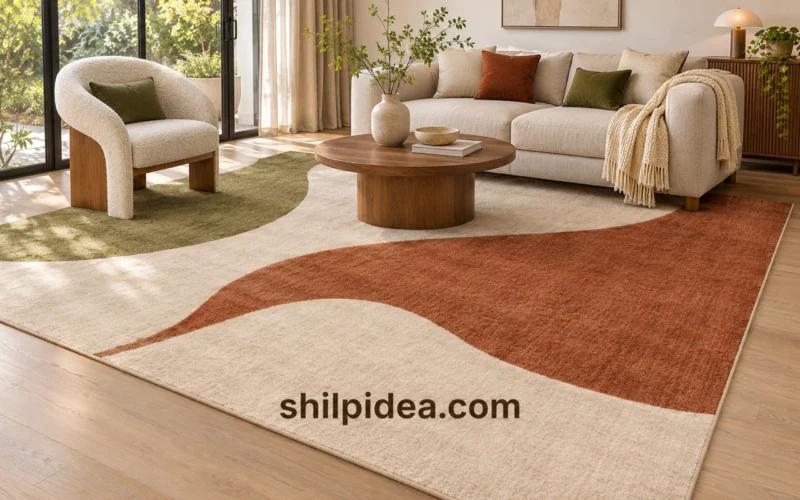
A rug can show where the living room begins in a space shared with dining or cooking. Choose the seating arrangement first and size the rug around the group. A rug that only reaches the coffee table makes the pieces feel scattered, while one that catches their front legs gives the layout a clear boundary. Compare these modern rug ideas if the seating area needs a stronger boundary.
7. Pair Warm White Walls With Oak
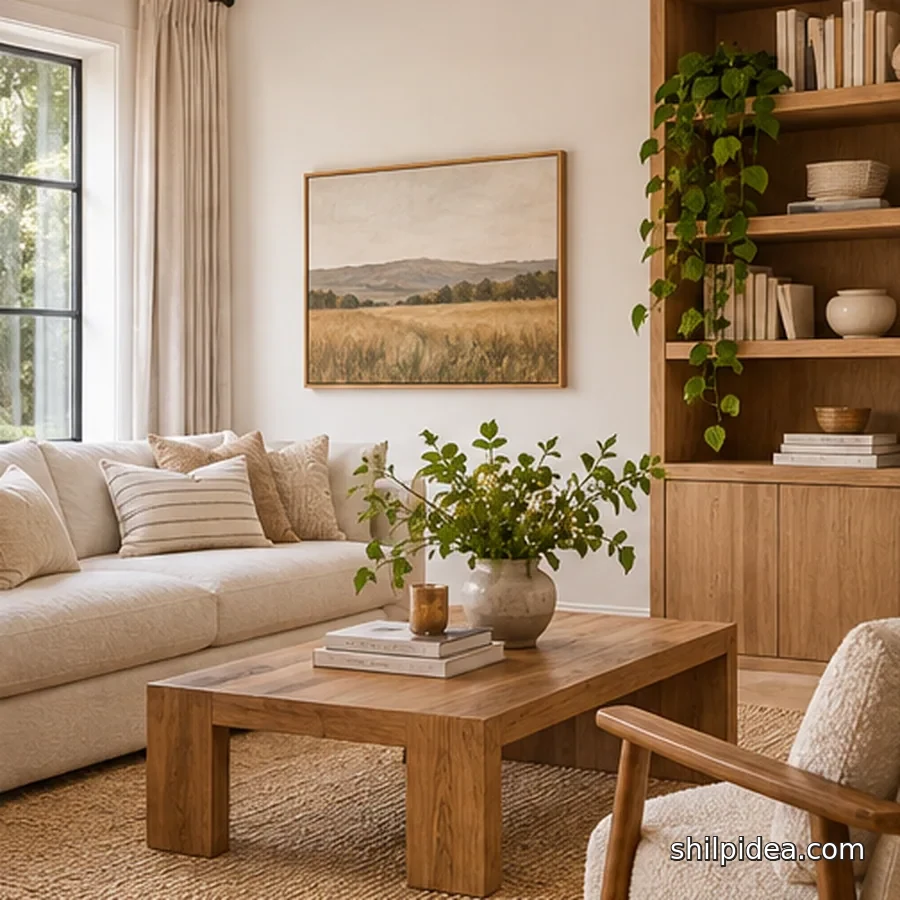
Warm white gives the room an airy base while oak adds enough color to make the furniture stand out. Test your wall sample next to the actual wood in daytime and lamplight. If the two both read strongly yellow, try a quieter white or use a cooler textile to balance the room.
8. Set Cognac Leather Against Blue Upholstery
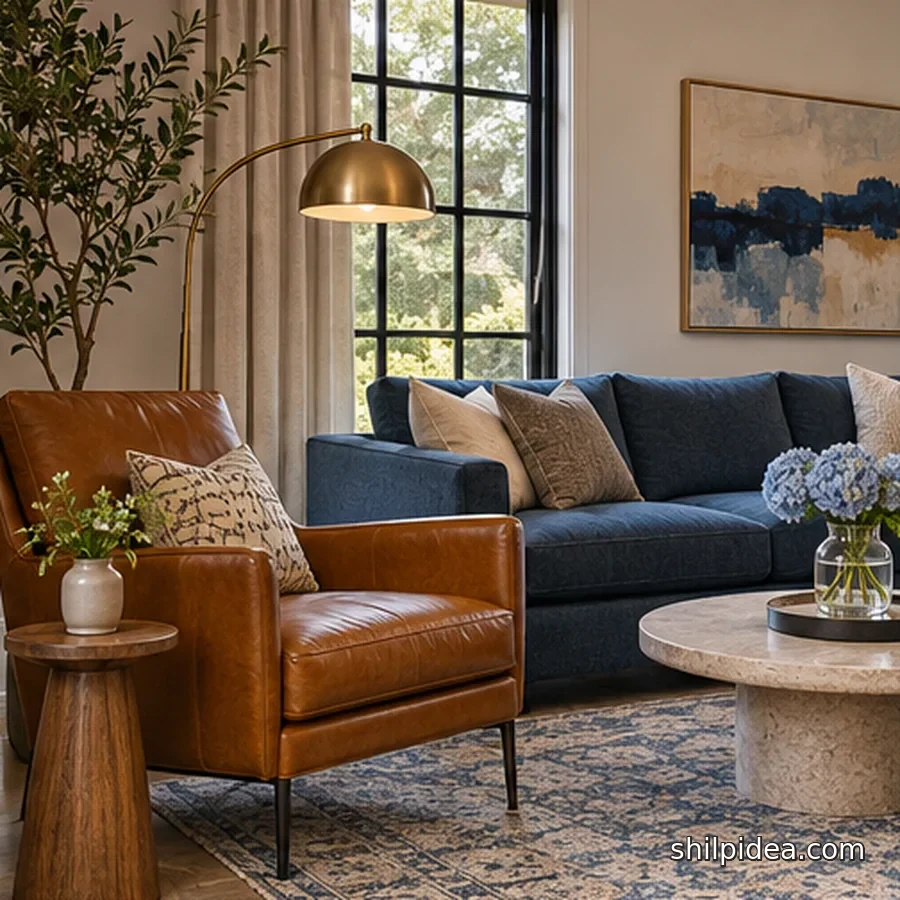
A cognac chair gives a blue sofa a warmer companion and creates contrast without requiring a third bold color. Pick a rug or throw with a quieter pattern so both pieces have room to stand out. Repeat one of the colors in a small accessory across the room to connect the arrangement.
9. Use Muted Olive to Frame Cream Seating
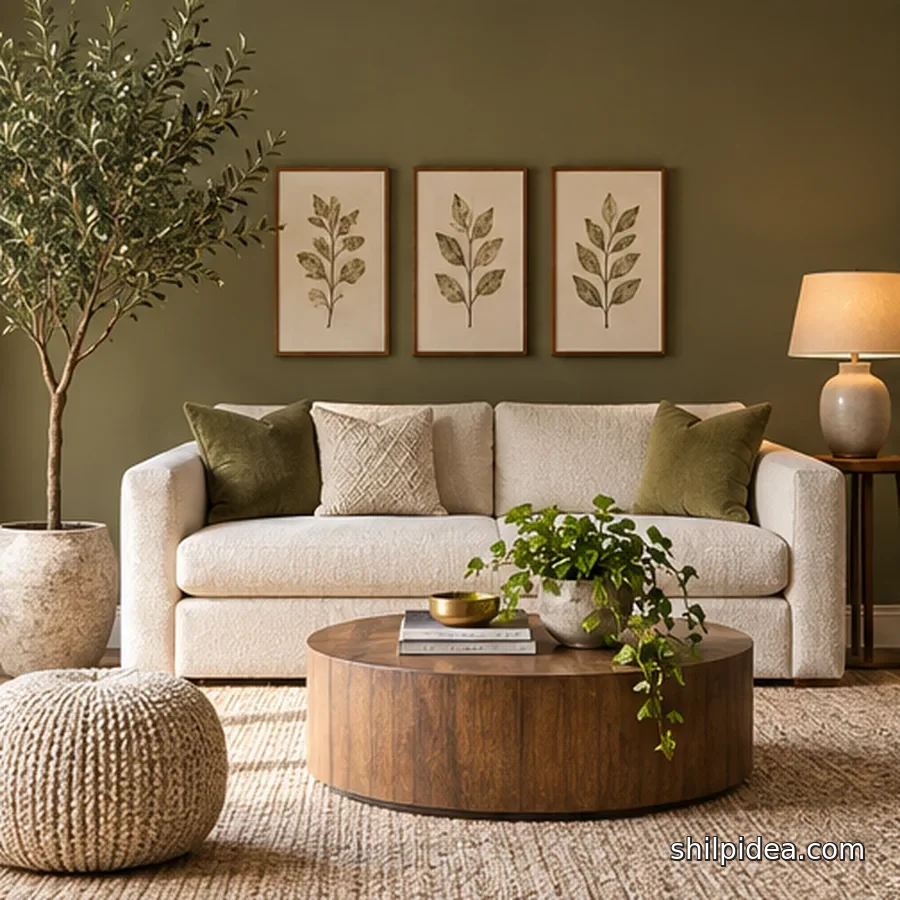
Olive walls give cream upholstery a defined outline while keeping the palette soft. Try the paint in the corner that gets the least daylight and near a lamp you use at night. If the color feels heavy across the entire room, use it behind the seating and carry it elsewhere in smaller accents. These forest-inspired rooms offer more ways to combine green and wood.
10. Give the Fireplace a Charcoal Backdrop
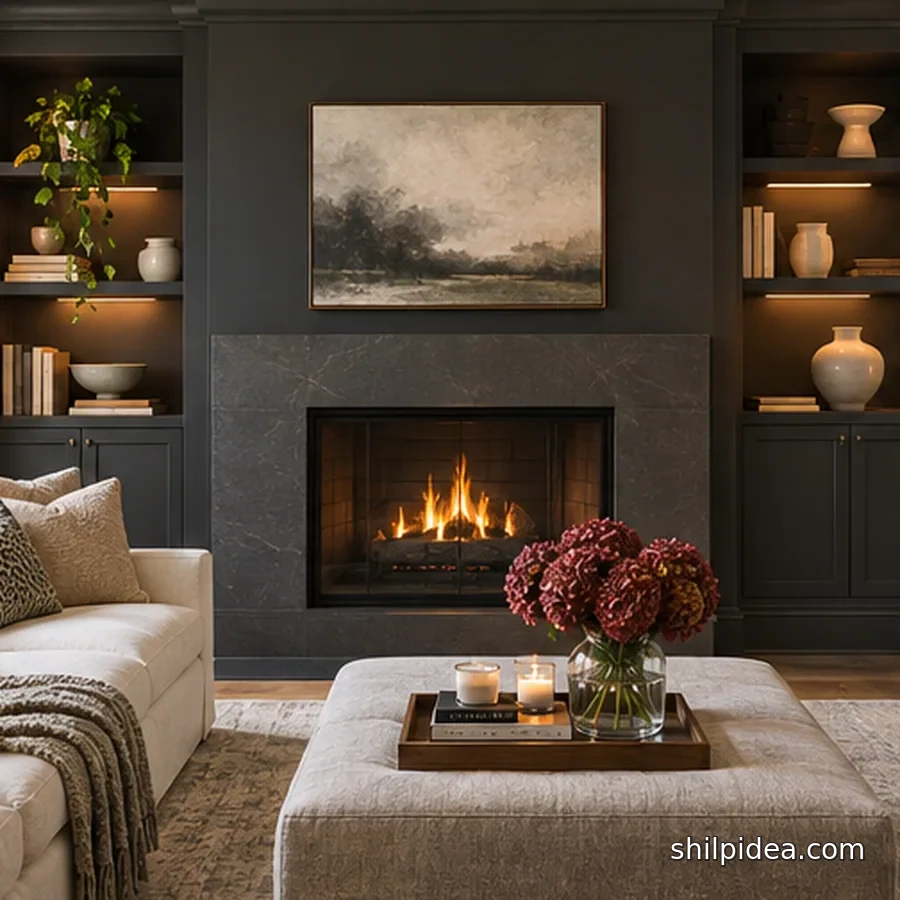
A dark fireplace wall can bring the room’s focal point into focus without painting every surface. Keep adjoining finishes simple and repeat the charcoal in a small piece such as a picture frame. Choose the finish with your fireplace surround and existing lighting in view, since both affect how strongly the color reads.
11. Hang Linen Curtains Near the Ceiling
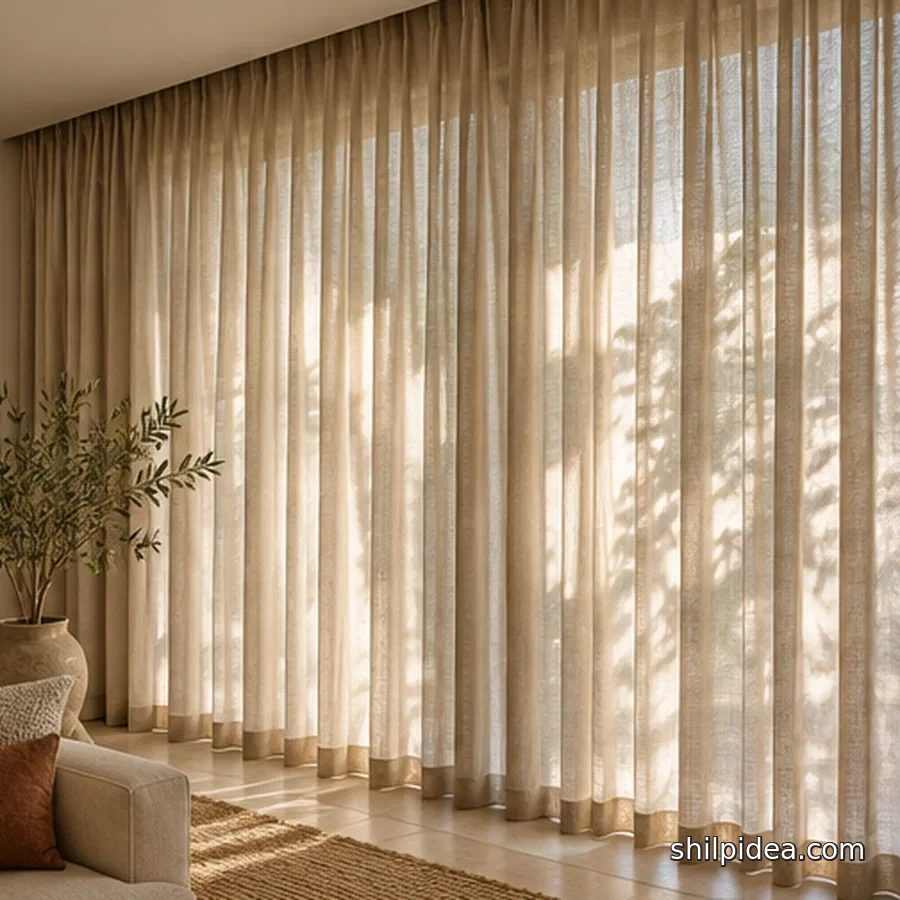
A high curtain rod draws the eye up, while linen softens the window without adding a large block of pattern. Check how far the panels stack when open so they can sit beside the glass. If privacy matters at night, choose lined panels or pair the curtains with a separate shade.
12. Keep Seating Low Beneath a Wide Window
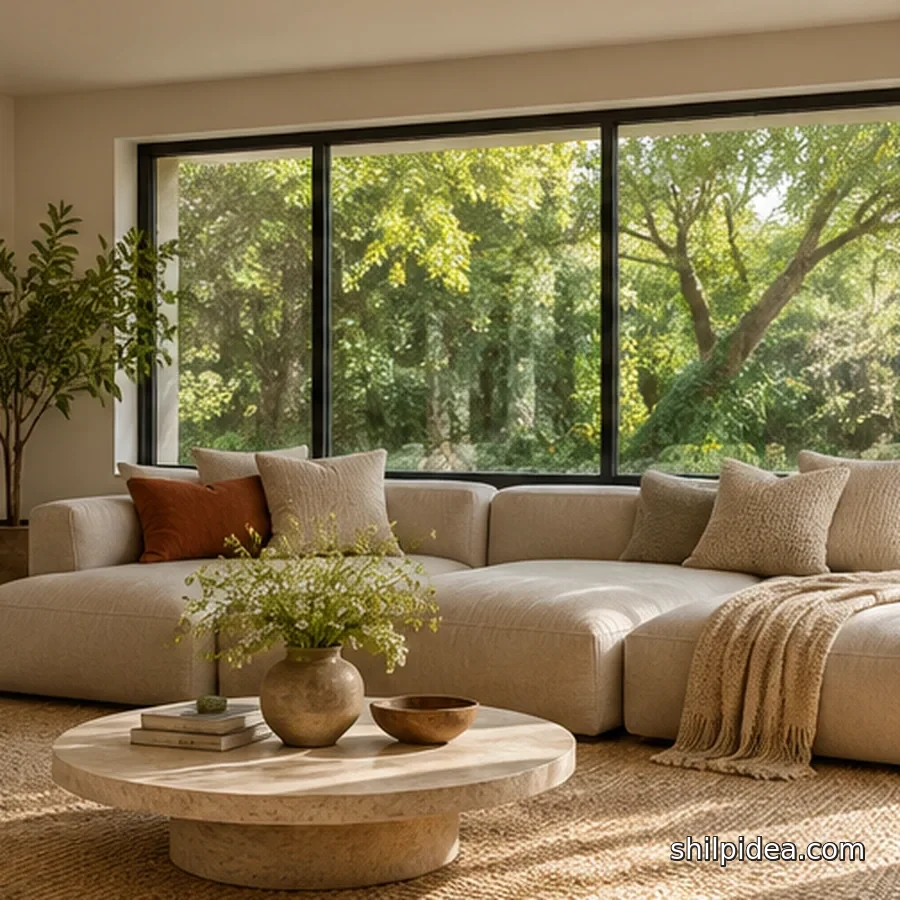
Low-profile seating keeps the view open and allows more of the window to read from across the room. Compare back height and seat depth in person if you can. A chair with a lower back can still support comfortable sitting when the cushion depth and angle suit the people who use it.
13. Build a Reading Spot With a Floor Lamp
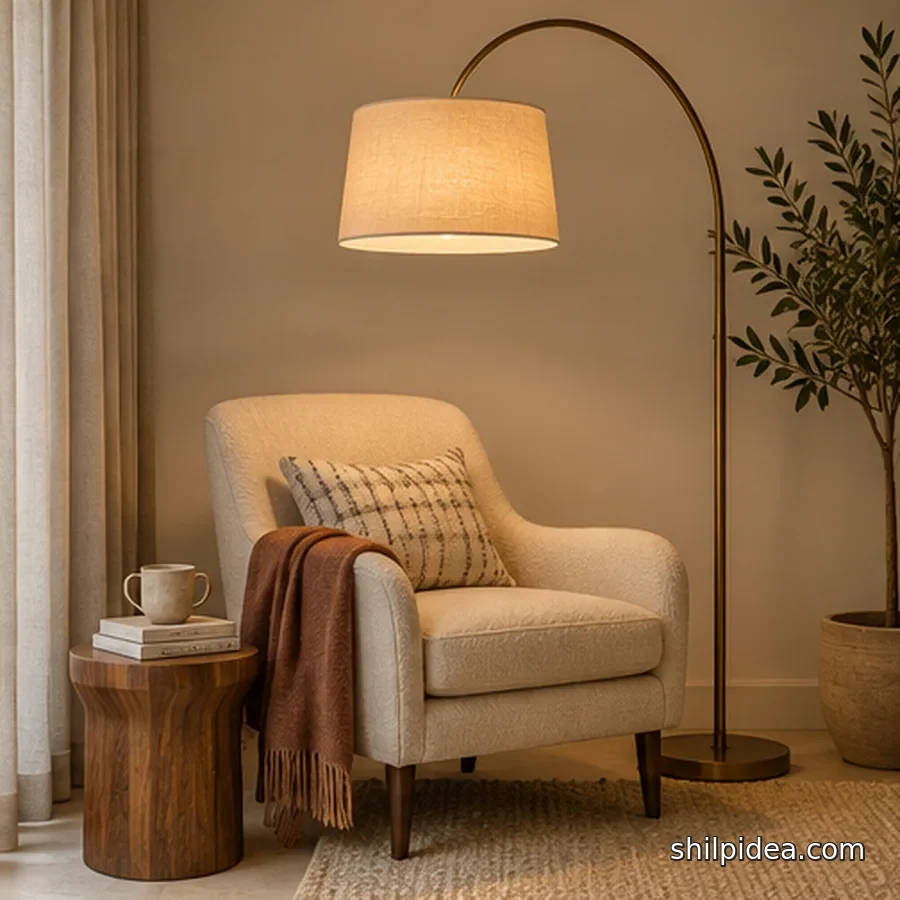
An adjustable floor lamp turns one chair into a useful evening reading spot. Put the light just behind or beside your shoulder and check for glare when seated. A small table or stool gives a book and a mug somewhere to land without taking up the room of a full side table.
14. Flank Artwork With Soft Wall Lighting
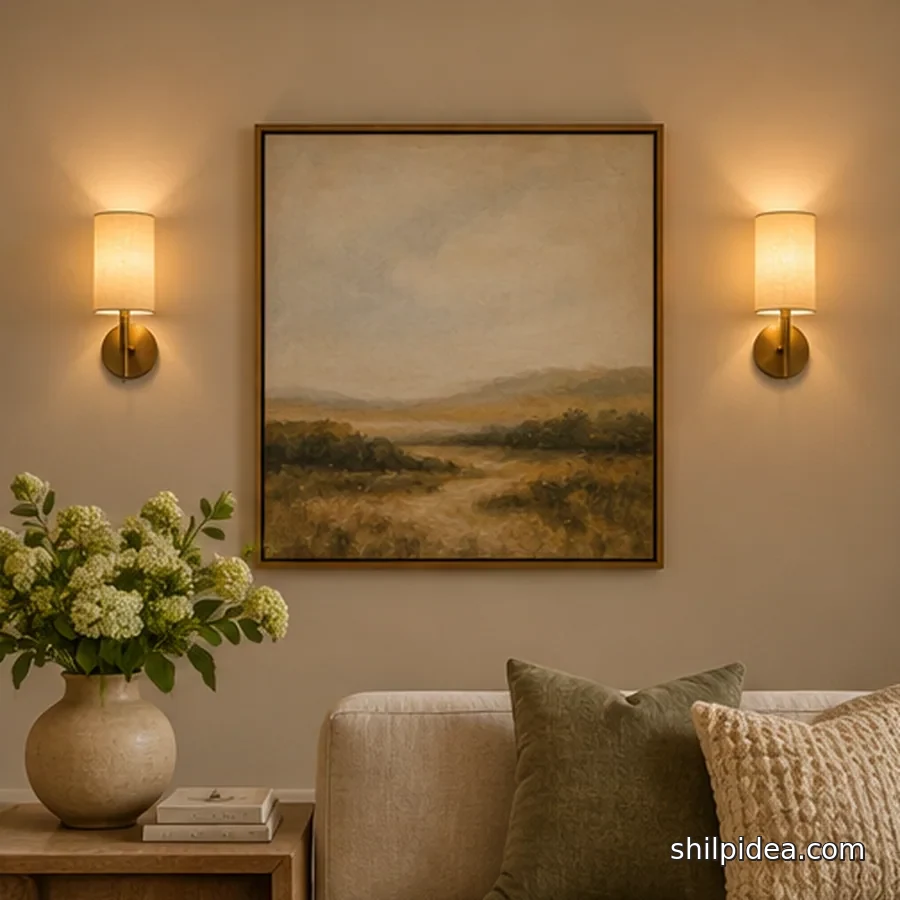
Two sconces can make artwork the evening focal point without flooding the whole room with light. Try the placement with paper mockups and leave breathing room between each fixture and the frame. Choose shades that conceal the bulb from seated eye level if the fixtures will be directly opposite the sofa.
15. Tuck Media Into a Closed Oak Console
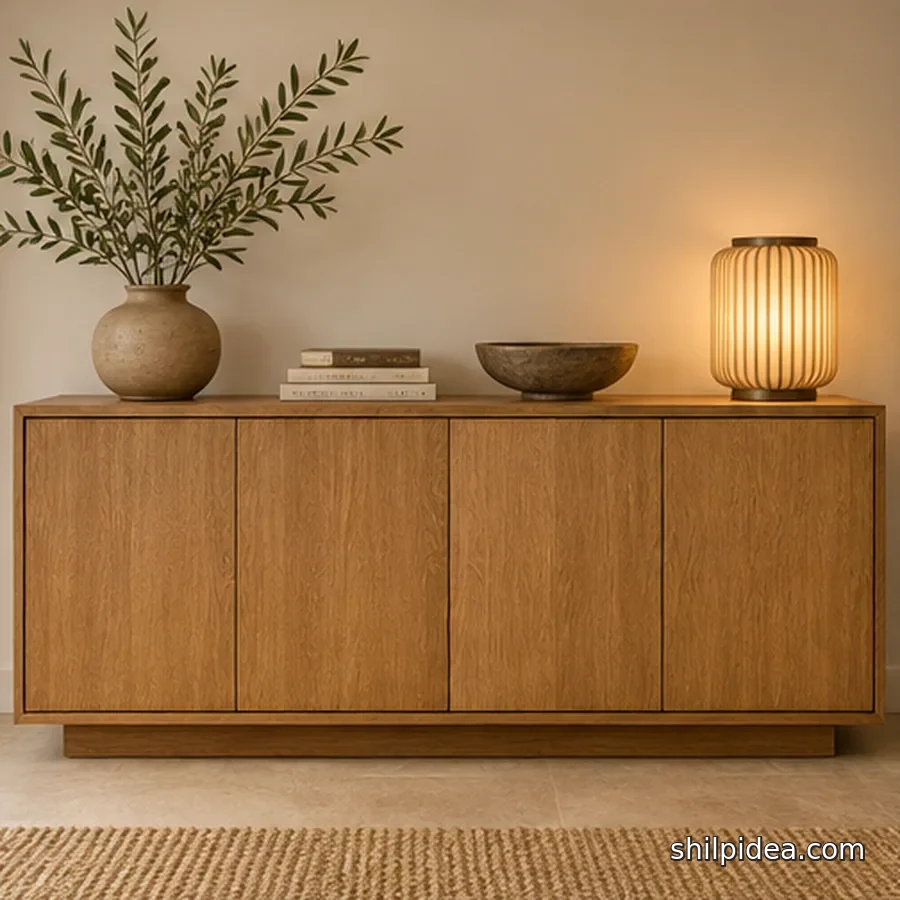
A closed console keeps remotes, controllers and cords away from the room’s main sight line. Measure the equipment with its cables connected and allow ventilation where the manufacturer calls for it. A wider piece can balance a TV visually while leaving the top free for one lamp or a small object. Explore more living room storage if the TV wall needs to hold everyday items.
16. Mix Display Shelves With Closed Storage
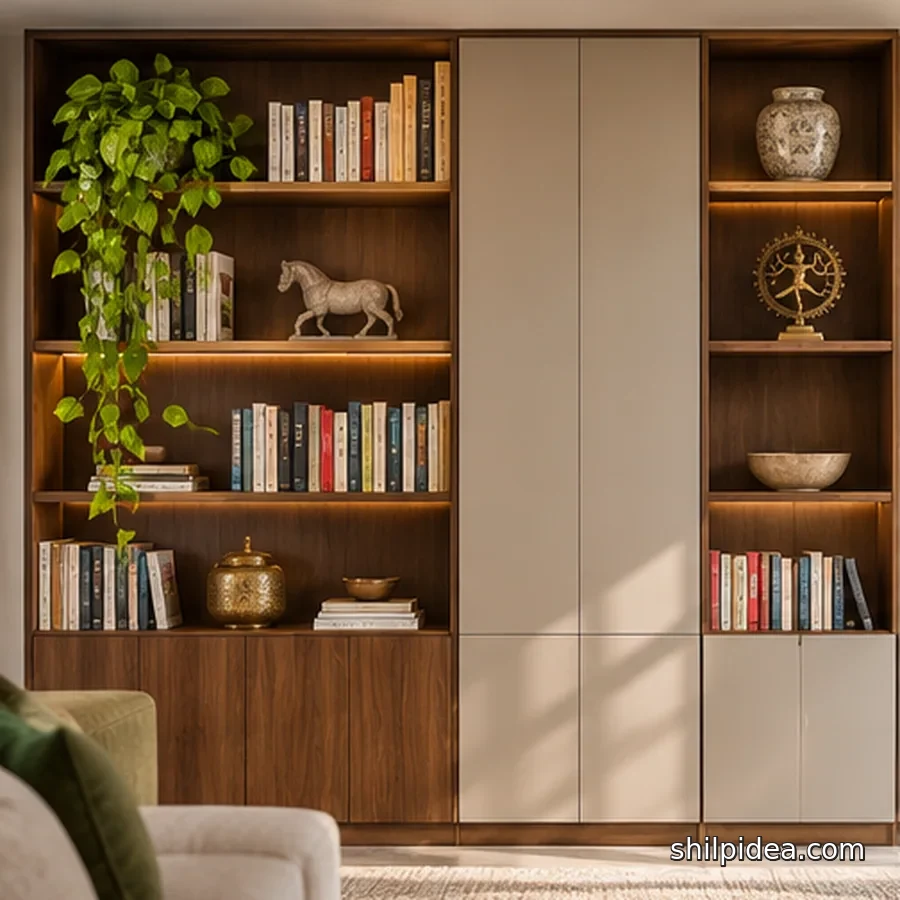
Keep the open part of a bookcase for books and objects you enjoy looking at. Reserve the closed sections for chargers, games and items with small parts. Group the visible objects in a few areas and leave some shelves partly empty so the bookcase remains readable from the other side of the room.
17. Anchor the Sofa With One Large Artwork
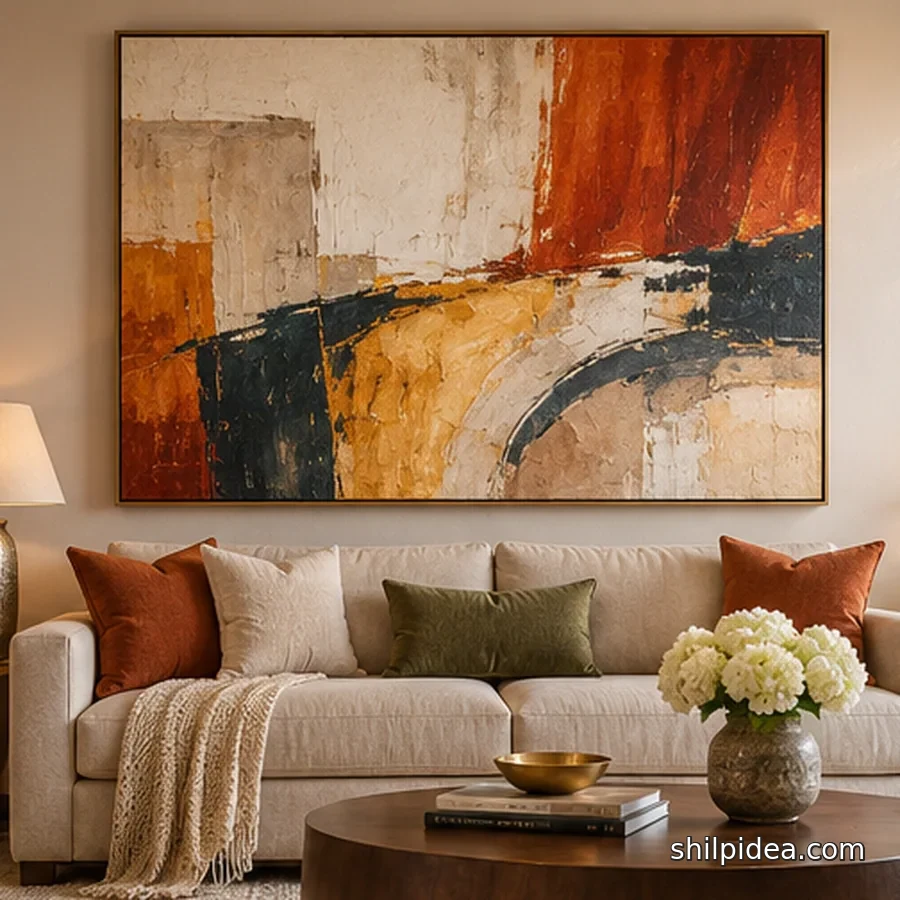
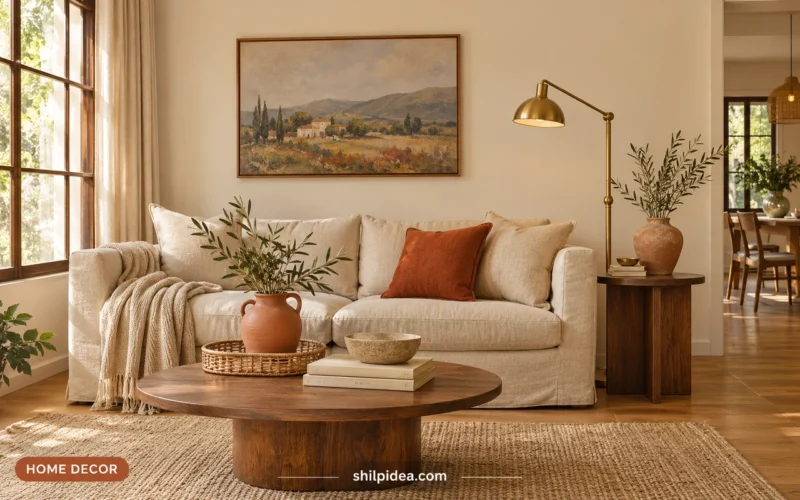
One oversized artwork gives a long sofa a clear backdrop and keeps the wall visually quiet. Cut a paper rectangle to the proposed size and view it from the room entrance and the sofa opposite. The artwork can pick up one room color, while its remaining tones introduce some variety.
18. Group Plants at Three Different Heights
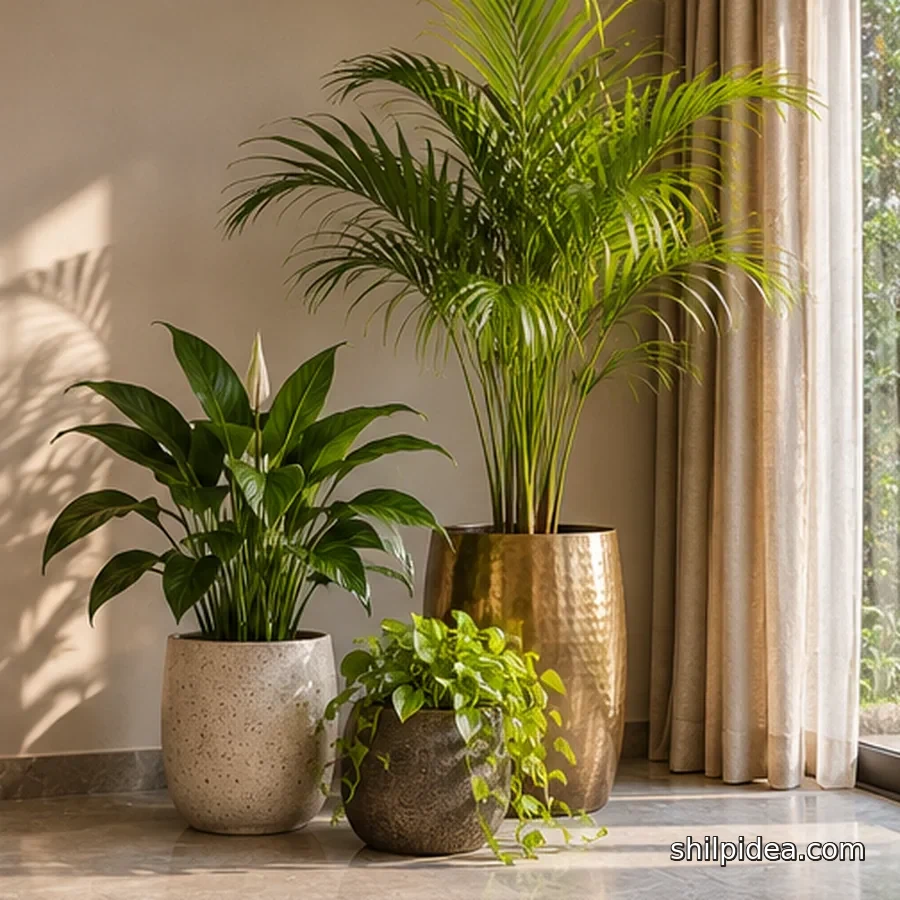
A tall plant, a mid-height leafy pot and a low accent can fill a corner without looking like a row. Choose plants for the light they will actually receive. A stool can lift the middle pot, while similar planters or saucers help the group read as a single composition. Look at these indoor plant displays for more ways to group containers.
More Ways to Make a Room Feel Welcoming
Start with the change that would make the room easier to use every day. Try shifting a chair to open a walkway or moving a lamp closer to your favorite seat before buying anything new. These related ideas can help you build on that first change with a rug, natural textures, plants, or storage that fits the room.
- Cozy minimalist living room layouts
- Modern rugs that anchor a room
- Ways to display indoor plants
- Bring forest textures into living rooms
- Explore practical pallet TV stands
What would make your living room more welcoming, a better seating layout, softer lighting, or a clearer path through the room? Share the first change you’d try in the comments. If you’ve already rearranged your space, tell us what made the biggest difference in everyday use.


















0 Comments