24 Creative Handmade Headboard Ideas for Bedrooms
A handmade headboard can change how a bedroom feels without replacing the bed. Start with the space behind the pillows and decide whether you want texture, color, display space, or extra storage.
Check how much width you can spare beside the mattress. These small bedroom layouts can help if space is tight.
Then compare finishes in daylight and lamplight. The soft palette in these sage bedroom ideas works especially well with wood, linen, and woven texture.
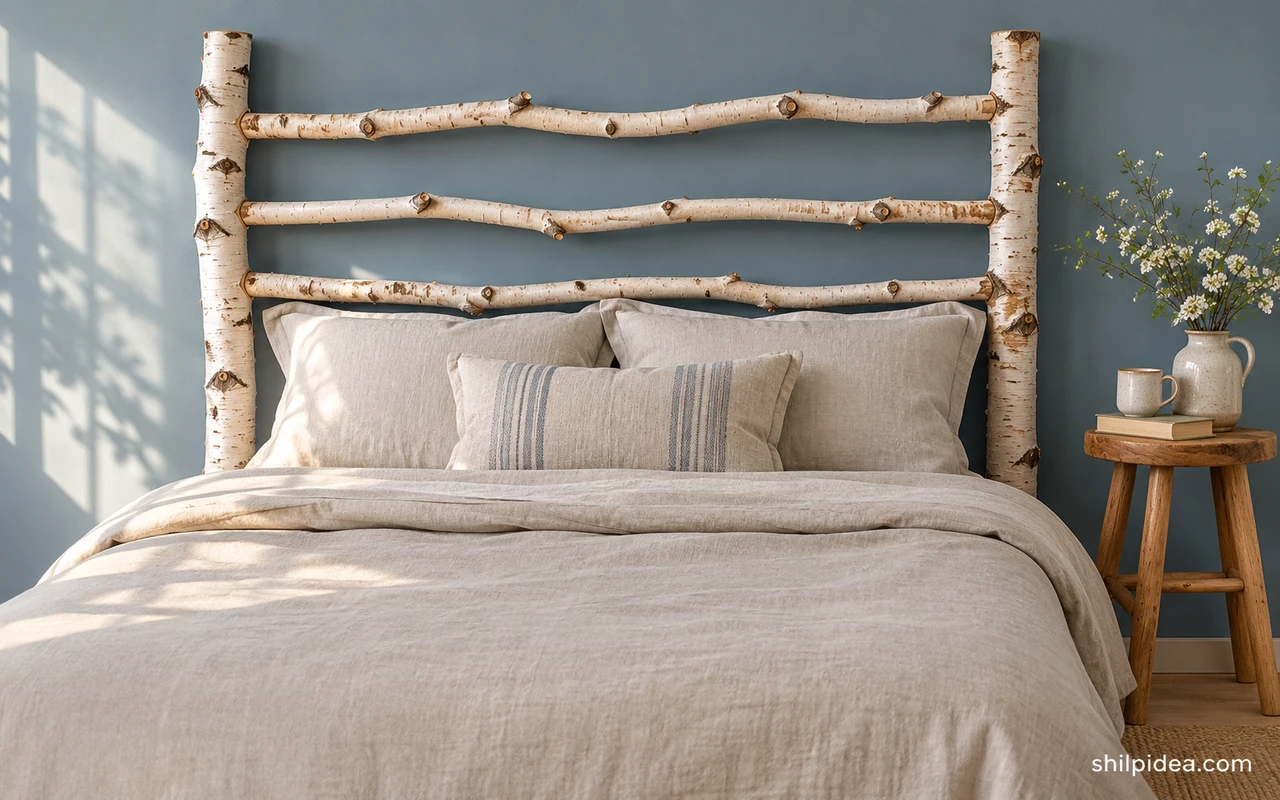
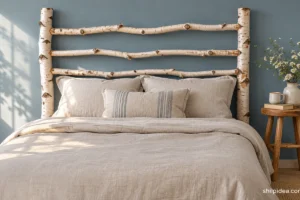
1. Birch Branch Headboard with an Open Frame

Pale birch poles add texture while leaving most of the wall visible. The open center works especially well against a darker wall, where the shape of each branch is easy to see. If your bed already has a strong pattern, choose plain pillows or bedding so the uneven lines of the wood have room to stand out. Echo the material with a few rustic wood accents elsewhere in the room.
2. Low Reclaimed-Pallet Headboard

A low panel made from reclaimed pallet boards gives the bed a clear outline without drawing attention away from the room. Look for sound, clean wood with a known history. A dark finish works well against light bedding. For a smaller room, keep the panel close to the width of the bed to preserve space on either side.
3. Paneled Door Turned Sideways

An old paneled door makes a wide backdrop when turned horizontally. Its original rails create a frame around the pillows, and the worn finish can become part of the look. Center the most balanced section behind the mattress. Keep the bedding simple so the grooves and grain remain visible, especially in a bedroom with several other wood pieces.
4. Painted Boards with a Patchwork Finish

Several narrow boards in related colors can bring the look of patchwork to a wooden headboard. Let one color dominate and repeat the others in small amounts across the panel. If your bedding is striped, keep the paint soft and uneven in tone so the headboard and the fabric can share a pattern without competing. Pair a muted panel with a wall color from these eggshell wall ideas.
5. Painted Rattan with a Curved Outline

Paint gives a secondhand rattan headboard a different character without hiding its curved shape. Brush away dust before you decide which areas need attention, and look at the piece against the actual bedroom wall before choosing a finish. A bright frame can carry most of the color in the room, leaving the surrounding bedding and furniture quiet.
6. Wood Paneling That Continues Overhead

Continuing the wood behind a bed onto a small ceiling area makes the sleeping zone feel more defined. The boards draw the eye up, which is especially noticeable in a room with otherwise plain walls. Plan the visual width with paper first. This is a built-in project, so have the overhead construction and attachment method assessed before installation.
7. Soft Channel Upholstery in a Shallow Alcove

Vertical channels give a broad upholstered headboard a little rhythm without adding a separate pattern. In an alcove, leave enough space at each side to show the shape of the panel. Choose a color that also looks comfortable under your bedside lamp, since a shade can appear quite different at night than it does by a window. A quiet blue version would fit these blue bedroom ideas.
8. Button-Tufted Panel with a Display Ledge
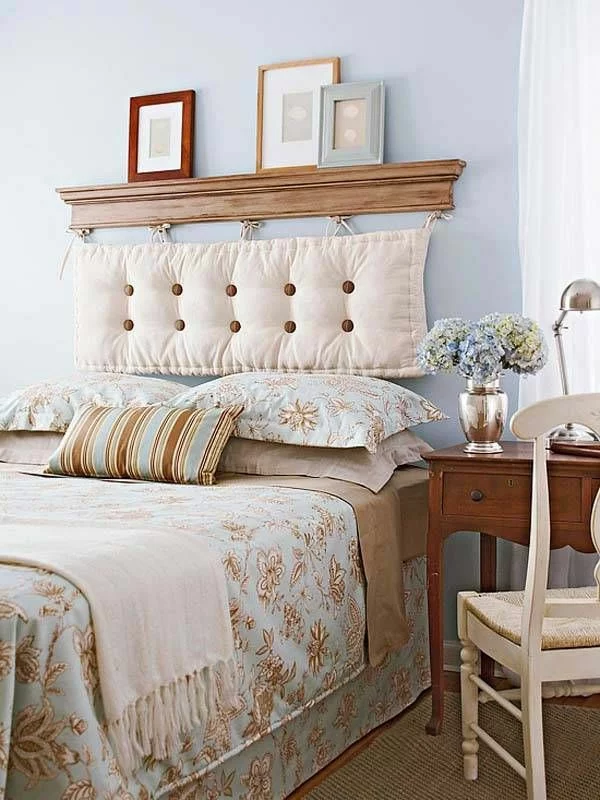
A row of tufted buttons makes a plain upholstered panel feel more finished. The narrow ledge above it adds a place for small decor, but the upholstery should stay the main feature. Try a fabric sample beside your pillows before committing. A simple weave tends to make the shadows around each button easier to see.
9. Separate Upholstered Squares

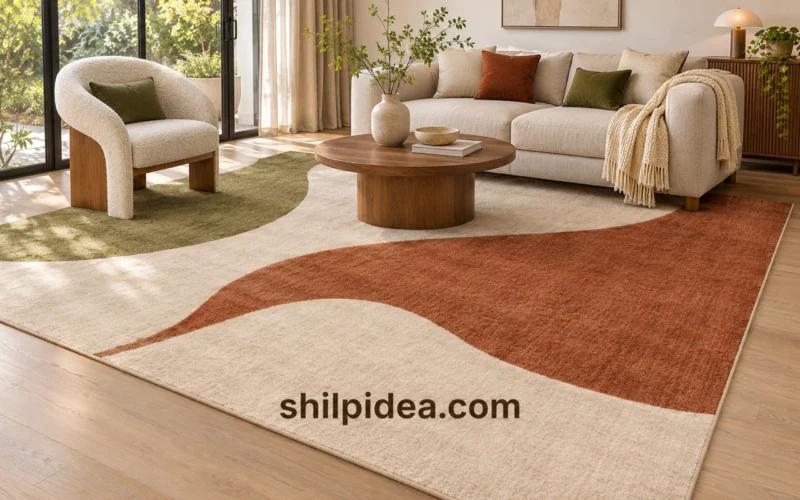
A grid of upholstered squares gives a headboard a clear shape and lets you plan the width one panel at a time. Keep the seams evenly spaced so the grid looks deliberate. In a room with colorful wall decor, one fabric across all the squares can help the bed stand out without adding another busy motif. You can repeat the fabric color in one of these modern rug ideas.
10. Patterned Textile Framed Behind the Bed

A large textile with a central motif can give a low bed a taller focal point. Center the most recognizable part of the pattern above the mattress, then see how much of it remains visible once the pillows are in place. A restrained bedspread lets a detailed textile do most of the work in the room.
11. Fabric Flowers on a Soft Backdrop
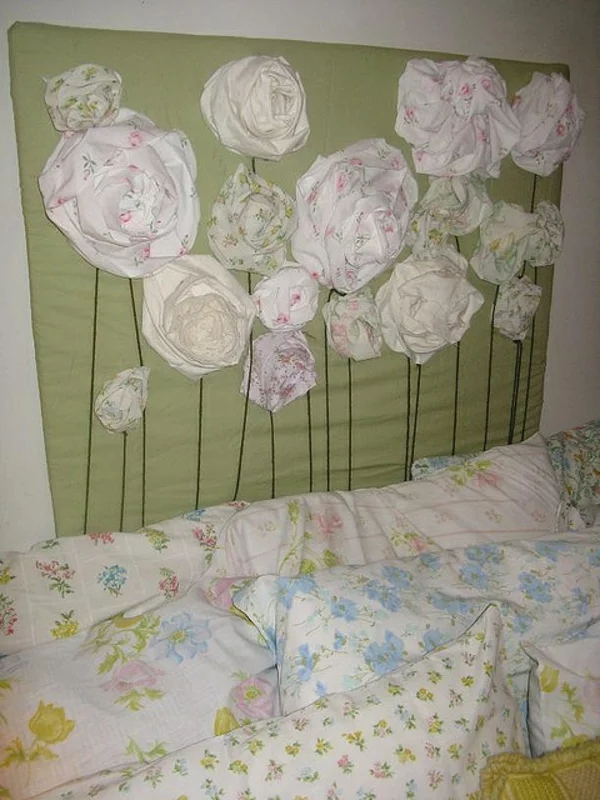
A group of fabric flowers creates a headboard effect that is softer and more dimensional than a printed floral pattern. Keep stems or flower shapes loosely arranged so the wall color shows through. For a smaller bed, concentrate the flowers in one band rather than stretching the display from one end of the wall to the other.
12. Paper Flowers Across a Low Wall Band

A band of paper flowers creates a light visual edge where a solid headboard might feel bulky. Choose shapes large enough to read from the doorway, and leave some plain wall between them. Try the layout on a tabletop before you place the flowers so you can adjust the rhythm without moving everything twice.
13. Suspended Color Discs Over the Pillows

A loose line of hanging discs can suggest a headboard in a bedroom that already has enough furniture. Keep the group within the visual width of the bed and use a few repeated colors so it feels connected. Leave some open wall between the discs and the pillows to let the display read as its own shape.
14. Lightweight Branch with Soft Decorative Lights
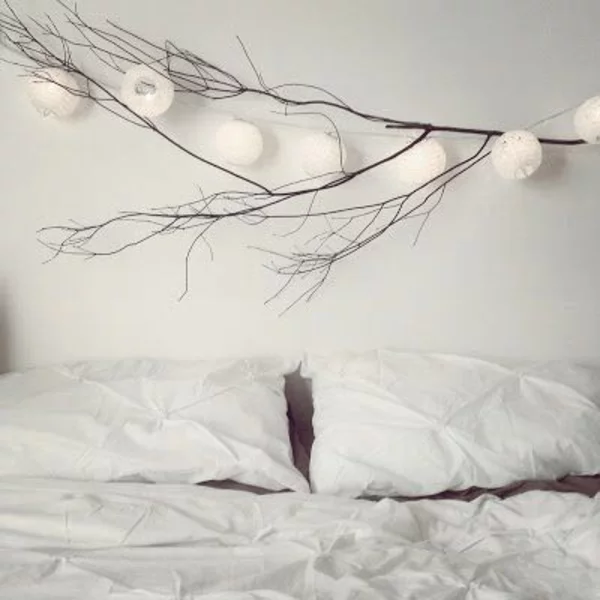
A single branch above the bed gives a pale wall a quiet line and a little natural texture. Follow the existing shape of the branch when planning where to place decorative lights. Keep the arrangement simple and the light source easy to reach so the display remains comfortable to use from one evening to the next.
15. Open-Book Pattern for a Reading-Inspired Wall
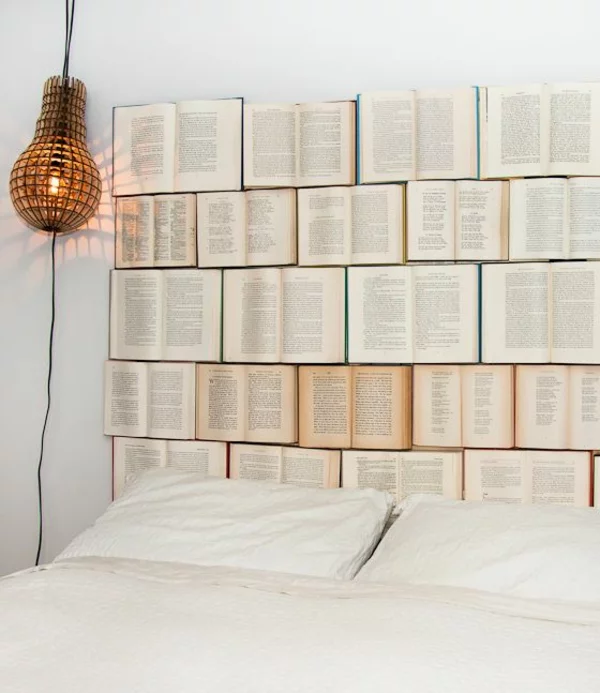
A grid of open pages gives a reading corner or guest room an unusual headboard motif. Test the layout on the floor first to see which edges line up. If you like the look but want a lighter display, use printed page pairs on lightweight panels so the room keeps the same pale grid.
Make This at Home: Open Book Headboard Tutorial
16. Wire Frame with Rotating Photos

A wire frame lets small photos change with the seasons without requiring a new headboard. Choose a handful of pictures and space them apart so the wall stays visible between them. Pick a few that share a color or mood. That makes the display easier to refresh while preserving the relaxed look of the original idea.
17. Oversized Painted Canvas Behind the Bed

A tall canvas can give a low bed a strong focal point, especially when the side tables and lamps are simple. Use a canvas close to the mattress width, then check whether the main painted motif remains visible above the pillows. Pull one color from the artwork into a cushion or throw to connect the two areas. See more ways to shape a room around one feature in these interior design ideas.
18. Tree Motif on a Painted Panel
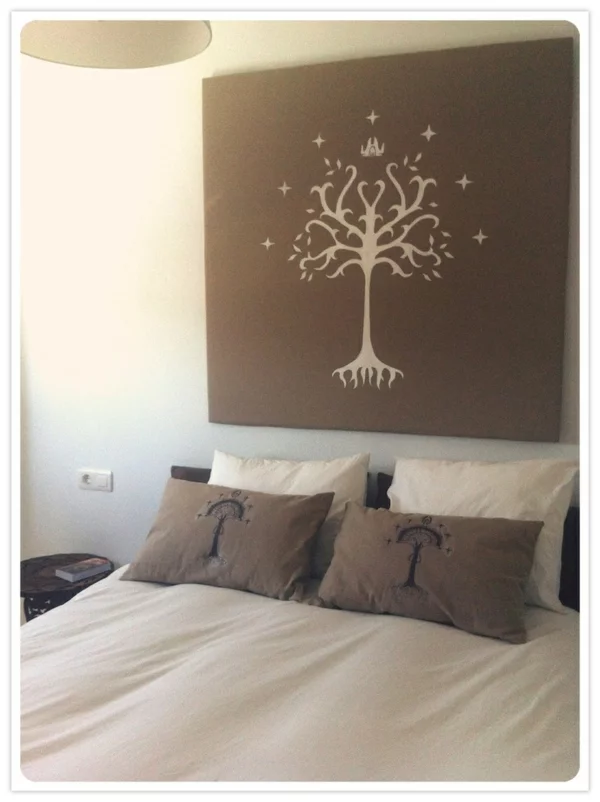
A single painted tree turns an otherwise plain panel into a simple graphic backdrop. Leave open space around the design so it reads clearly from the doorway. Try a paper sketch above the bed before painting. If the room has several wood tones already, repeating a warm neutral in the panel can bring them together.
19. Weathered Panel with an Iron Scroll Detail

A weathered panel with a scroll detail gives a low bed a defined edge and a little contrast. Let the dark motif stand out against plain bedding, then repeat one of the room’s colors in a small cushion. If you are adapting salvaged pieces, lay them out together first so the metalwork looks centered behind the pillows.
20. Retired Hockey Sticks in a Fan

Old hockey sticks can make a playful backdrop in a room already shaped around the sport. Arrange the handles at different angles until the curves look balanced on both sides of the bed. Keep the bedding plain enough for the shapes to read, or pick up just one team color to connect the display with the room.
21. Small Panels in a Bright Patchwork Strip

A horizontal row of colorful panels brings a little pattern to a bed that sits against a plain wall. Group brighter sections near the center or spread them evenly depending on the rest of the room. Compare the planned row to the width of the mattress so the strip feels like part of the bed.
22. Bookcase Surround with Storage on Both Sides

A bookcase surround makes use of wall space beside the mattress, especially when there is little room for separate nightstands. Look at where you would reach for a book or glasses before deciding which shelves stay open. Use some baskets for small items and leave space between them so the built-in still feels calm.
23. Bridge Shelf with a Recessed Bed Opening

A bridge-style shelving unit frames the bed while leaving an opening for the pillows and the wall behind them. A contrasting back panel can make that opening look intentional. Before you plan the storage, decide which items you use near the bed every day and which ones can sit farther away in the room.
24. Pegboard for a Flexible Bedside Display

A pegboard behind the bed offers a changing backdrop for small decor. Plan the holes and accessories around where your pillows sit, leaving a clear area where you lean back. A few light pieces will show the grid better than a full board, and you can rotate the display without changing the whole room.
Plan the Rest of the Bedroom Around Your Headboard
After choosing a headboard, check how much room is left for lighting, storage, and the things you use before bed. A wide panel may look best with simple nightstands, while a low fabric design gives you more room to play with wall color and textiles. These projects can help you decide what to change next.
- Plan a More Comfortable Bedroom
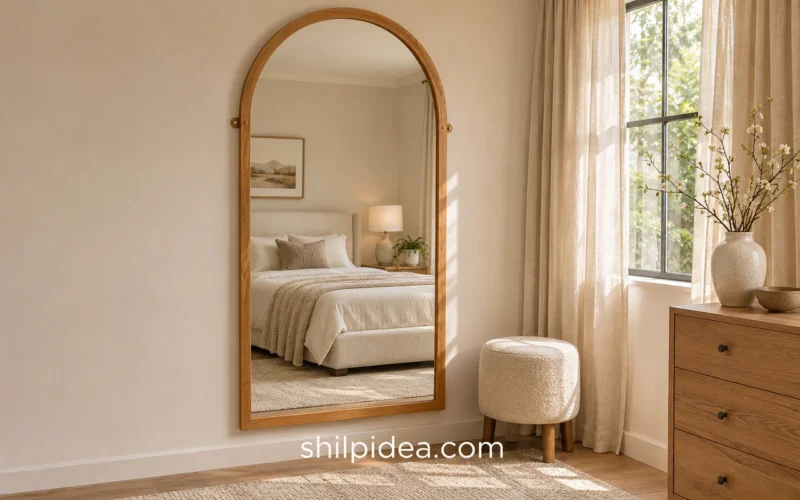
- Style a Large Bedroom Mirror
- Choose a Rug With Character
- Try Handmade Mirror Frame Ideas
- Create a Sage and Cream Bedroom
Which headboard would work best with the bed you already have? Tell us what you would use in the comments. If you’ve made one before, share which material held up well or what you would do differently.


















0 Comments