21 Vintage and Secondhand Furniture Styling Ideas
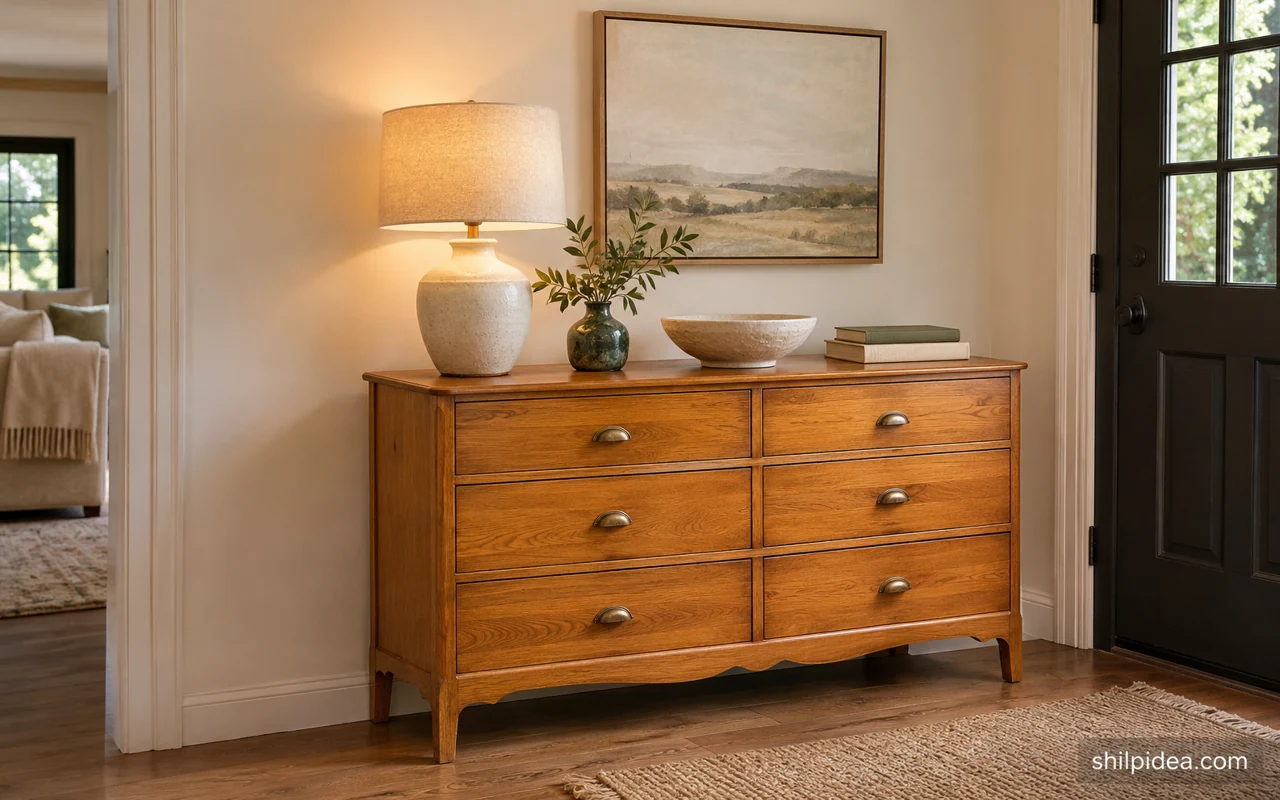
A secondhand piece can make a room feel lived in from the day it comes home. The challenge is finding a job and a place where its character can show.
Look first at the routes you use every day. These small entryway layouts can help you decide whether an old dresser, bench, or narrow table fits the spot you have in mind.
Set one older piece against a few simpler shapes and give it room to breathe. The arrangements in these modern living rooms show how an individual piece can stand out without filling every corner.
1. Make an Old Dresser the Entryway Console

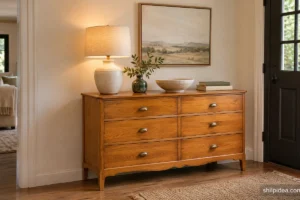
A dresser earns its spot in an entry when the drawers solve a real problem. Use the top drawer for keys and gloves, then leave room on the surface for a small lamp and an everyday catchall. Compare the width and depth with the entryway storage layouts before buying. Check that the drawers open without interrupting the main walking route.
2. Let a Single Mirror Frame the Dresser
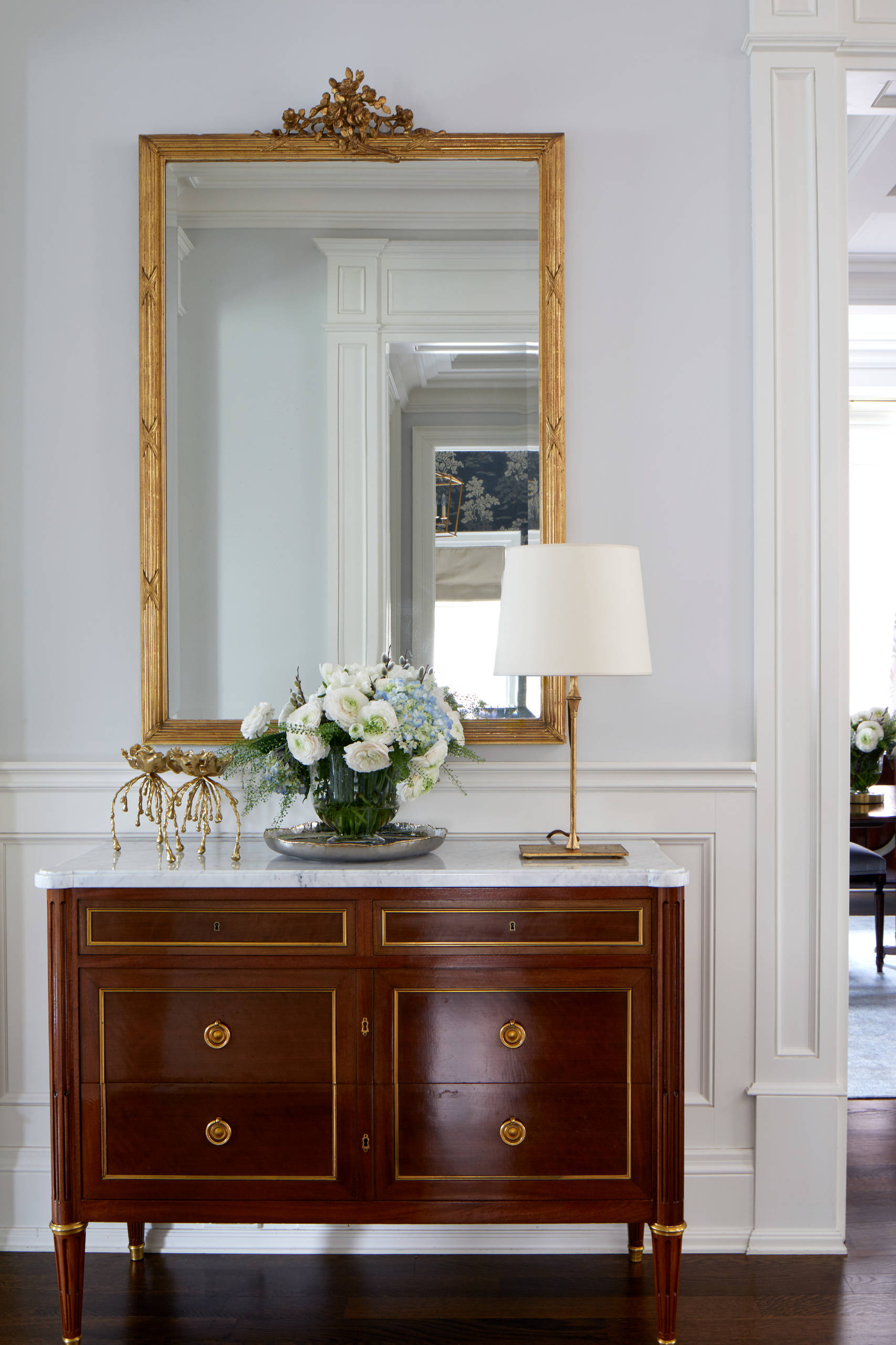
A dresser and one well-scaled mirror can make a short wall feel purposeful. Hang the mirror where you can use it without leaning across the furniture. Keep taller objects to one side so the reflection stays clear. If the dresser has ornate hardware, choose a plain mirror frame and let the existing hardware supply most of the detail.
3. Use Mismatched Chairs Around a Wood Table

A vintage table can bring different chairs together if they share a visual cue. Start with similar seat heights so the chairs are useful together, then repeat a wood tone, a curved back, or an upholstery color. Move the two most distinctive chairs to the ends if the middle feels busy. Leave space around the table to pull out each seat.
4. Pair an Old Dining Table With Plain Seating

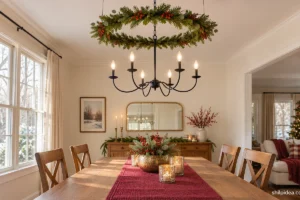
A well-worn dining table can handle everyday use and still feel special. Add simple chairs with less visual weight so you can see the table’s outline. Before bringing it home, sit at the table to check knee clearance under the apron. Keep the surface styling low and change it with the seasons instead of covering up the grain.
5. Use a Trunk as a Living Room Table

An old trunk adds storage and texture between simple upholstered pieces. Look for a flat lid, sound hinges, and a size that leaves room to walk around the seating. Use a small tray for things you want to lift off quickly when opening the trunk. A plain small living room arrangement gives the shape room to stand out.
6. Put a Small Chest Beside the Sofa

A chest beside a sofa keeps blankets or games handy without using the middle of the room. Choose one whose top sits within easy reach from your seat. Leave enough room for the lid or drawers to move. A small lamp will soften a dark finish, while a single dish protects the top from keys and coins.
7. Give an Antique Buffet One Large Accent
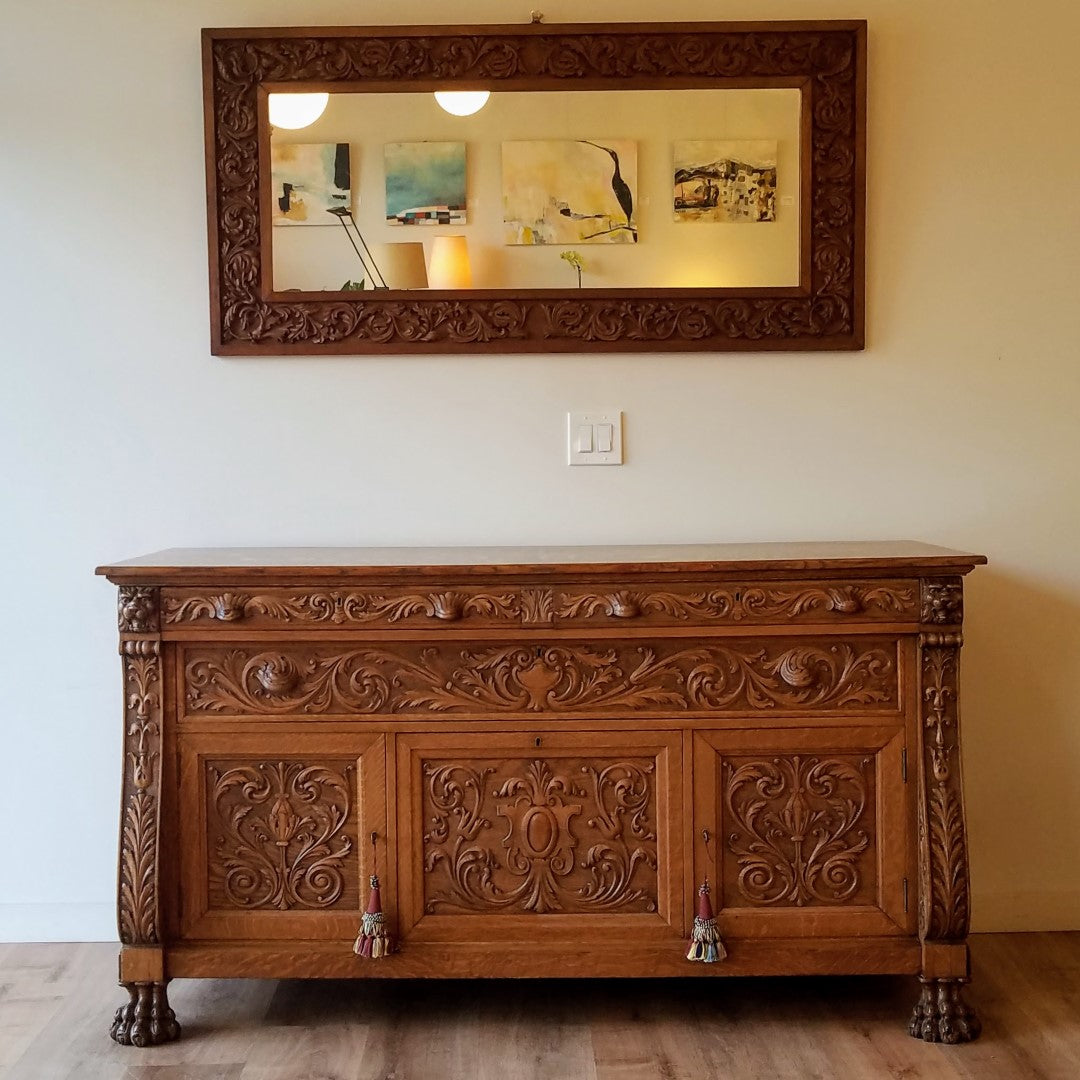
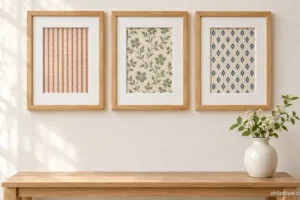
A buffet with expressive legs or carved doors needs very little decoration. Center one big picture or mirror over it and let the rest of the surface remain useful for serving. Try framed botanical art if you want a simple accent with its own texture. A low object at either end keeps the top usable when people come over.
8. Turn a Credenza Into a Media Cabinet
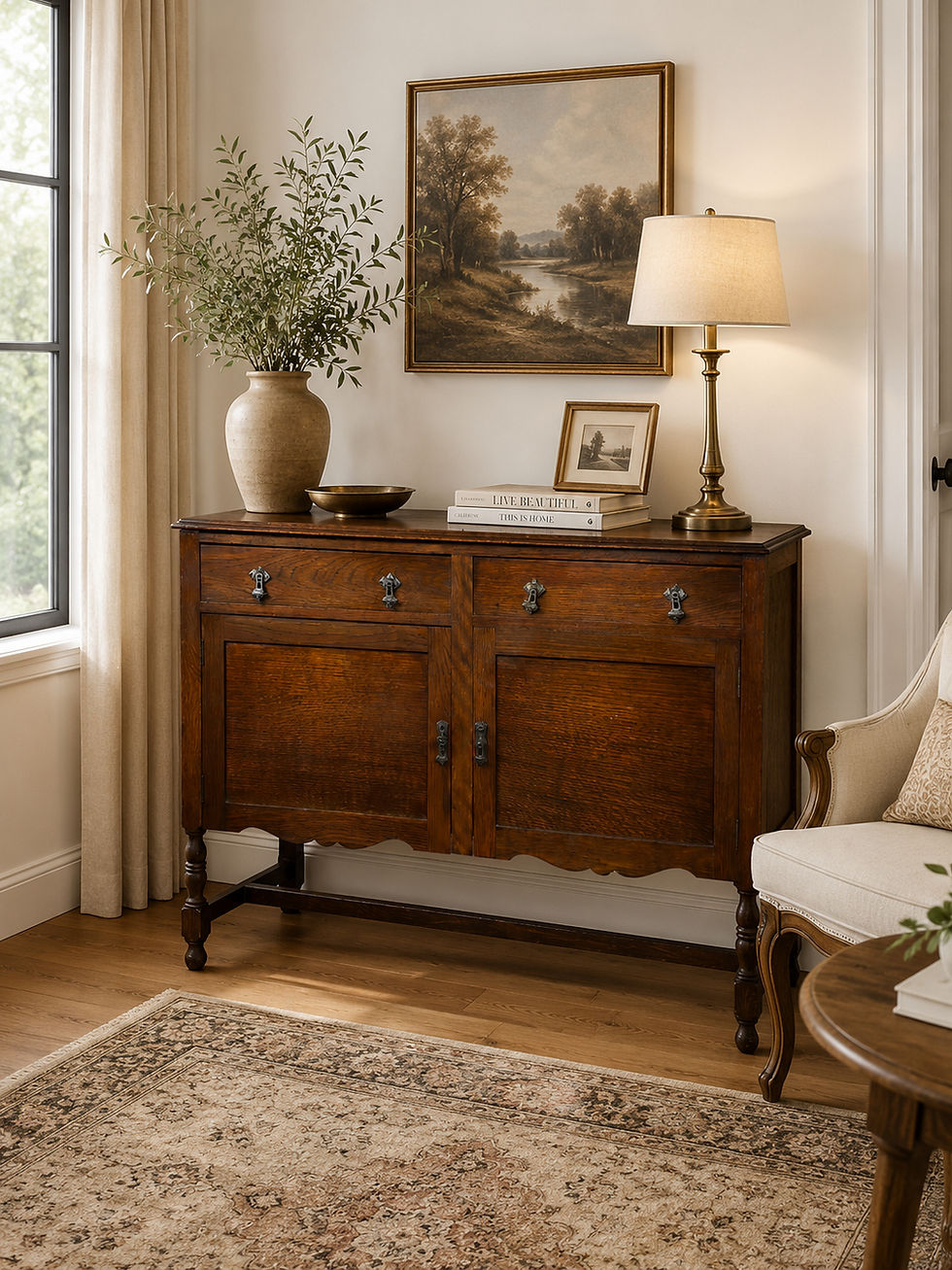
A long credenza gives electronics and cables a single home. Measure the TV and components before deciding how much furniture you need. Check for ventilation and cable access if you plan to hide equipment behind doors. Keep one side of the top mostly clear so the console reads as furniture even when the screen is the darkest thing on the wall.
9. Try a Drop-Front Desk in a Quiet Corner
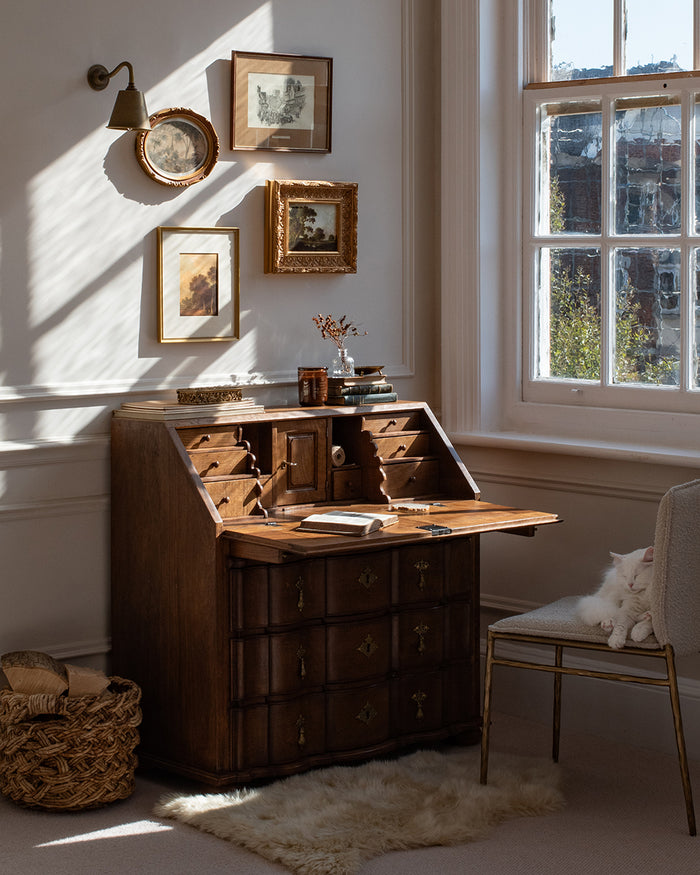
A secretary desk creates a useful place to write in a room that can’t take a full office setup. Pull up a chair and check your knees and elbows with the writing surface open. Store current papers inside and keep the display above simple. When the work is put away, the desk becomes a quieter part of the room again.
10. Use a Writing Desk as a Bedroom Vanity

A narrow old desk can hold a mirror, a small lamp, and daily essentials without taking over the bedroom. Check for enough clearance to slide the stool under it. Group cosmetics or jewelry on a removable tray so you can lift them off when cleaning. Leave the drawers for things you need nearby but don’t want to display.
11. Keep One Distinctive Chair by a Window

An old chair gives you a reading spot without requiring a full seating set. Pull it near daylight while leaving the window and walking route accessible. Add a simple table just large enough for a book and a mug. If the chair already has patterned fabric, choose a plain lamp shade and let the upholstery supply the color.
12. Use a Low Stool as a Side Table

A stable vintage stool can hold a book or small tray beside a chair. Check that the top is level and large enough for what you plan to set there. A stool with interesting legs usually works best where you can see the shape from more than one side. Avoid using it for anything tall or easy to knock over.
13. Style a Narrow Bench With One Basket

A slim secondhand bench gives people a place to pause in an entry without taking up the full wall. Set one low basket beneath it if it fits comfortably between the legs. Keep the seat usable instead of filling it with objects. Where the wall above feels bare, try lightweight paper wall art or a single framed print.
14. Fill a Glass-Front Hutch With Everyday Dishes

A hutch looks better when its contents have a practical purpose. Group plates by size and leave one or two shelves partly open so the collection has some breathing room. Bring frequently used pieces forward and move heavier items to lower shelves. If the wood is dark, pale plates and clear glasses will make the interior easier to read.
15. Use Open Shelving for a Working Kitchen

A freestanding shelf can add useful storage where a kitchen has an awkward stretch of blank wall. Put heavier cookware lower and keep the top for light pieces you can reach safely. Leave a gap between stacks for easy cleaning. If the shelf has an uneven finish, repeat one material in the displayed objects so the arrangement still feels connected.
16. Use Different Nightstands With Matching Heights

Two secondhand nightstands can work together even when their styles differ. Match the top heights as closely as you can and use similar lamps or shades to connect the two sides. Allow enough space for drawers and outlets. If one piece is darker, add a small light object on top to keep the room from feeling weighted to that side.
17. Paint a Dresser and Keep the Old Hardware

A new color can make a plain dresser easier to place, while the old pulls keep a bit of its original character. Test the paint shade beside the floor and look at it at different times of day. Check the surface and identify any potentially hazardous old finish before sanding. Clean and repair the hardware before committing to replacements.
18. Let a Spindle Table Bring in a Curved Shape

A side table with turned legs can soften a room full of square furniture. Set it beside a chair with plain upholstery and leave the lower part visible. Choose a lamp base that doesn’t compete with the legs. Before you buy, check for movement at the joints so you know whether it needs repair before taking on everyday use.
19. Turn a Short Bookcase Into a Display Surface

A short bookcase gives you storage below and a tabletop above. Use the lower sections for baskets or books and put a single object on top that you enjoy seeing from across the room. Carry a wood tone into another small item nearby. Keep enough space between the objects to dust and change the arrangement without rearranging the room.
20. Choose One Painted Cabinet for a Color Accent

A painted cabinet can carry the brightest color in an otherwise calm space. Try a shade already present in a small picture or textile, then leave the neighboring furniture simple. Check that doors and drawers work before deciding how much restoration to do. If the finish has character you enjoy, make a minor repair where possible and let the rest show.
21. Put a Vintage Table Behind the Sofa
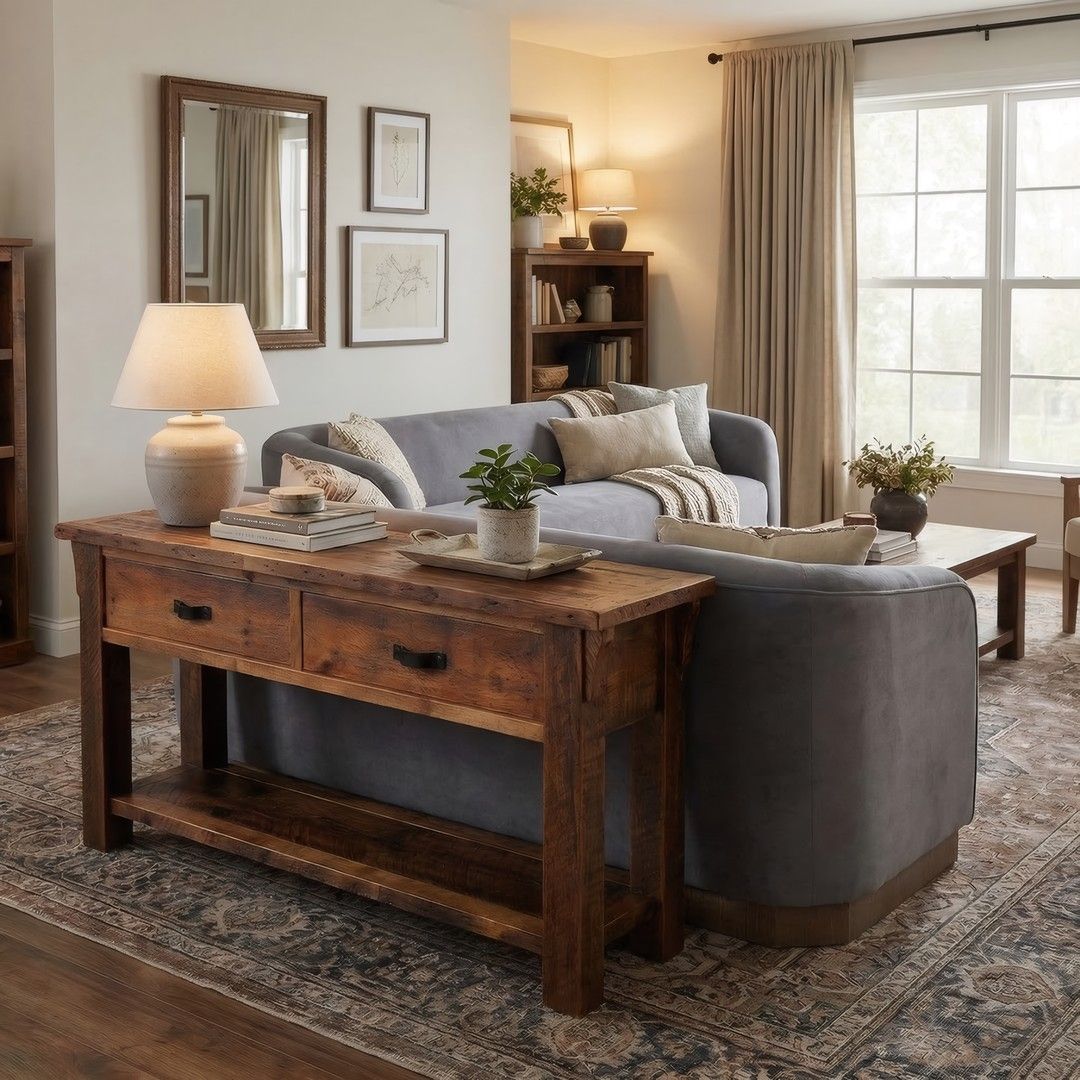
A narrow table behind the sofa can define a seating area and give a lamp a natural home. Look for a top at or just below the sofa back so it doesn’t crowd the view. Keep cords tucked safely away from the walking route. An old piece with a finished back works particularly well if people approach it from both sides.
Give Your Secondhand Piece a Place to Work
A great find usually becomes part of the room when it solves a small everyday problem. Use these projects to work out the surrounding layout, add a little wall art, or organize what the furniture needs to hold.
- Style a Cozy Living Room
- Find Storage for Small Entryways
- Frame Pressed Flowers for Display
- Try Modern Living Room Layouts
What secondhand piece would you give a new job in your home? Tell us in the comments where you found it and what you want it to do. If you’ve already put an old piece to work in an unexpected way, share the change that made it useful.









0 Comments