18 No-Sew Curtain Styling Ideas for Easy Window Updates
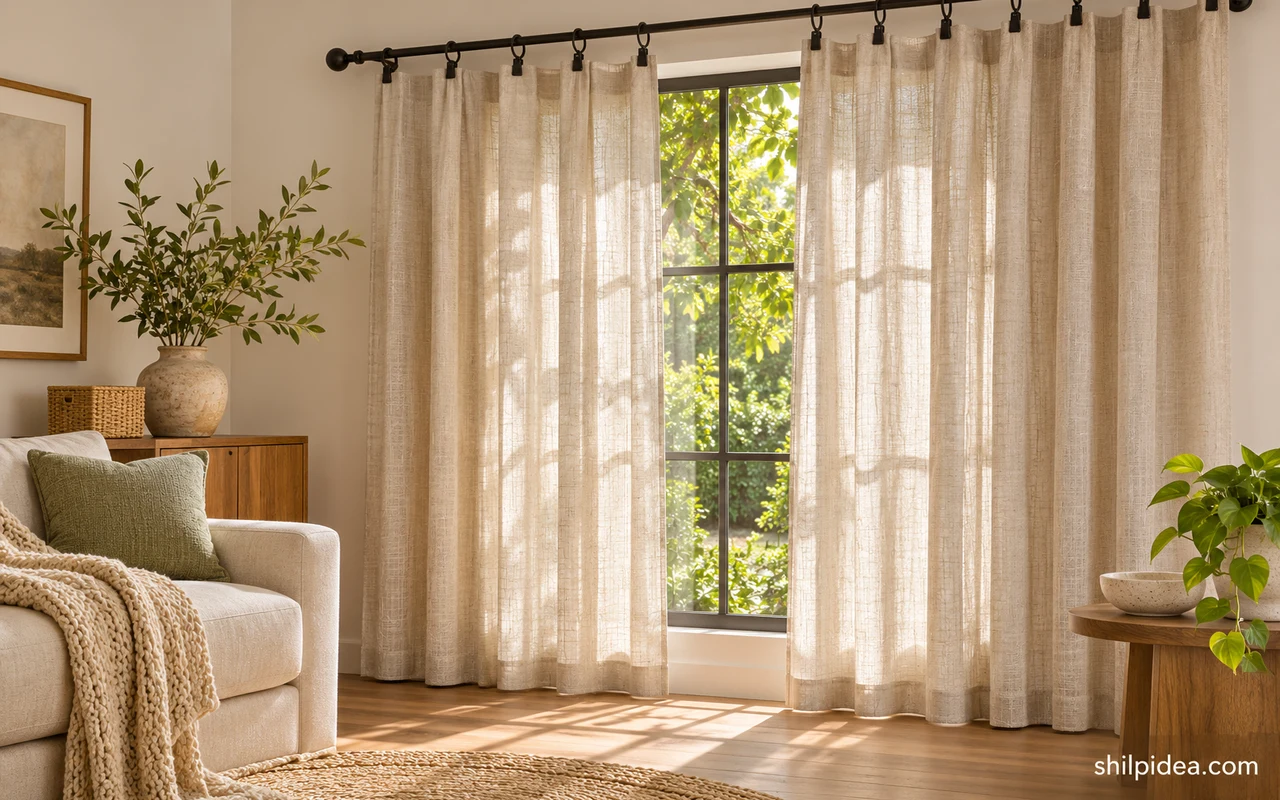
No-sew curtain styling can change a room with a few clips, a length of cloth, or a small topper. Start by deciding if you want softer light, more privacy, or a little color.
Check how the window opens and leave room around handles and shades. Look at your fabric alongside the textiles in hygge living rooms to see whether it suits the room.
The examples include gathered toppers, light panels, and short curtains. Compare kitchen windows with nearby kitchen wall decor before choosing a print or a new trim.
1. Frame a Window with Warm Yellow Panels

Use warm yellow to draw attention toward a bright window. Check the fabric from inside the room in the afternoon, when a stronger glow can change how the color looks. If you plan to add the panels with clips, try a repeatable fold at the top so both sides hang at the same height.
2. Layer Light Side Panels over a Shade

Keep the original shade for light control and frame it with a pair of cloth panels. Measure the window depth so the cloth does not interfere with the shade as it moves. Let the panels stay light enough to clip onto the outer rod and choose a color that repeats nearby.
3. Frame a Window with a Fabric-Wrapped Topper

Use a shallow fabric-covered topper where you want to draw the eye toward a window. Lay the fabric against the frame before you fasten it, especially if it has a large repeat. Set the lower edge high enough to leave room for the shade or curtains and test the clearance before mounting the piece.
4. Run Stripes Across a Short Valance
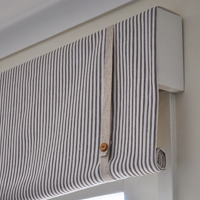
Let stripes carry color across the top of a window above a blind. Check whether you want the stripes to fall vertically or horizontally before cutting the fabric. Hold the cloth above the frame first to see how much of the window it will cover and whether the shade still moves freely. Compare the color with hygge living rooms.
5. Give a Small Window a Dark Patterned Topper

A short dark floral print frames the upper part of a small window and leaves the lower glass available for daylight. Hold the material at the intended height before attaching it so you can see where the pattern falls. Keep the lower edge clear of blind cords, handles, and moving hardware.
6. Hang Strips for a Casual Decorative Screen

Choose a few fabrics with similar weights and test how they hang side by side. A row of narrow strips can add color to a sheltered window or doorway while letting plenty of light through. Keep the strips clear of young children, heaters, and places where they could catch as people pass.
7. Try a Bold Geometric Valance Above a Light Window

A few large motifs work well on a shallow topper when there is enough plain wall around them. Use removable clips to compare the fit before trimming the cloth. Stand on the far side of the room and make sure the pattern starts and ends where you want it to.
8. Use Color Blocks to Emphasize the Window Height

Long colorful panels can make a narrow window look taller. Pick a usable base panel and position the strongest colors where they can be seen from the entrance. Keep a little wall visible at the sides or install a slightly wider rod so the cloth can clear the glazing when open.
9. Add Triangle Details to Plain Panels

Choose a simple panel and lay out colored fabric triangles before attaching them. Check their placement with the curtain hanging because folds can hide part of the pattern. Use an iron-on adhesive suitable for your fabric if you want a no-sew version of the look. Repeat one color in nearby framed fabric art.
10. Let a Floral Print Supply the Pattern
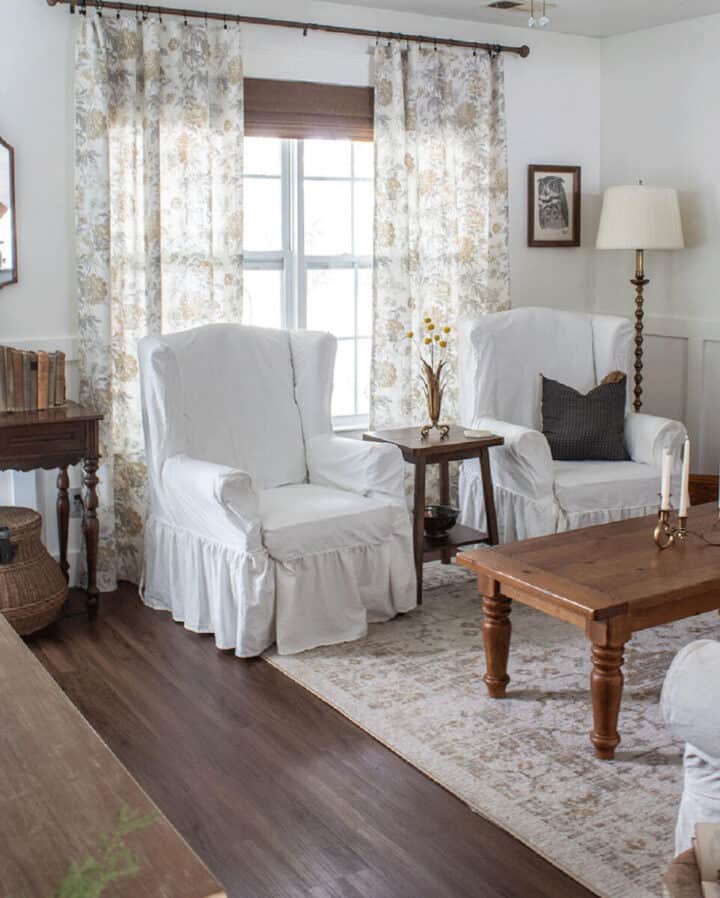
Let the floral fabric fill the window so the pattern can be seen even when the curtains are open. Hold the full width up before cutting and compare the repeat on both sides. Use iron-on hem tape for a clean edge, then space the ring clips evenly across each finished panel.
11. Run Pompom Trim Along the Curtain Edge

Set the trim on a surface where you can see whether the spacing looks even. Start with a short section and check how well it adheres to your fabric before cutting the rest. Keep the trim away from accessible cords or spaces where small children could pull off the decorations.
12. Use a Coffee-Sack Topper in a Dining Room

Let the material follow an easy shallow curve so its weave remains visible. Keep the fabric above the moving part of a window and use a finish that suits its edge. Try it with everyday dishes on the table to check how the warm tone works in the room’s natural light.
13. Hang Curtains Just Across the Lower Glass
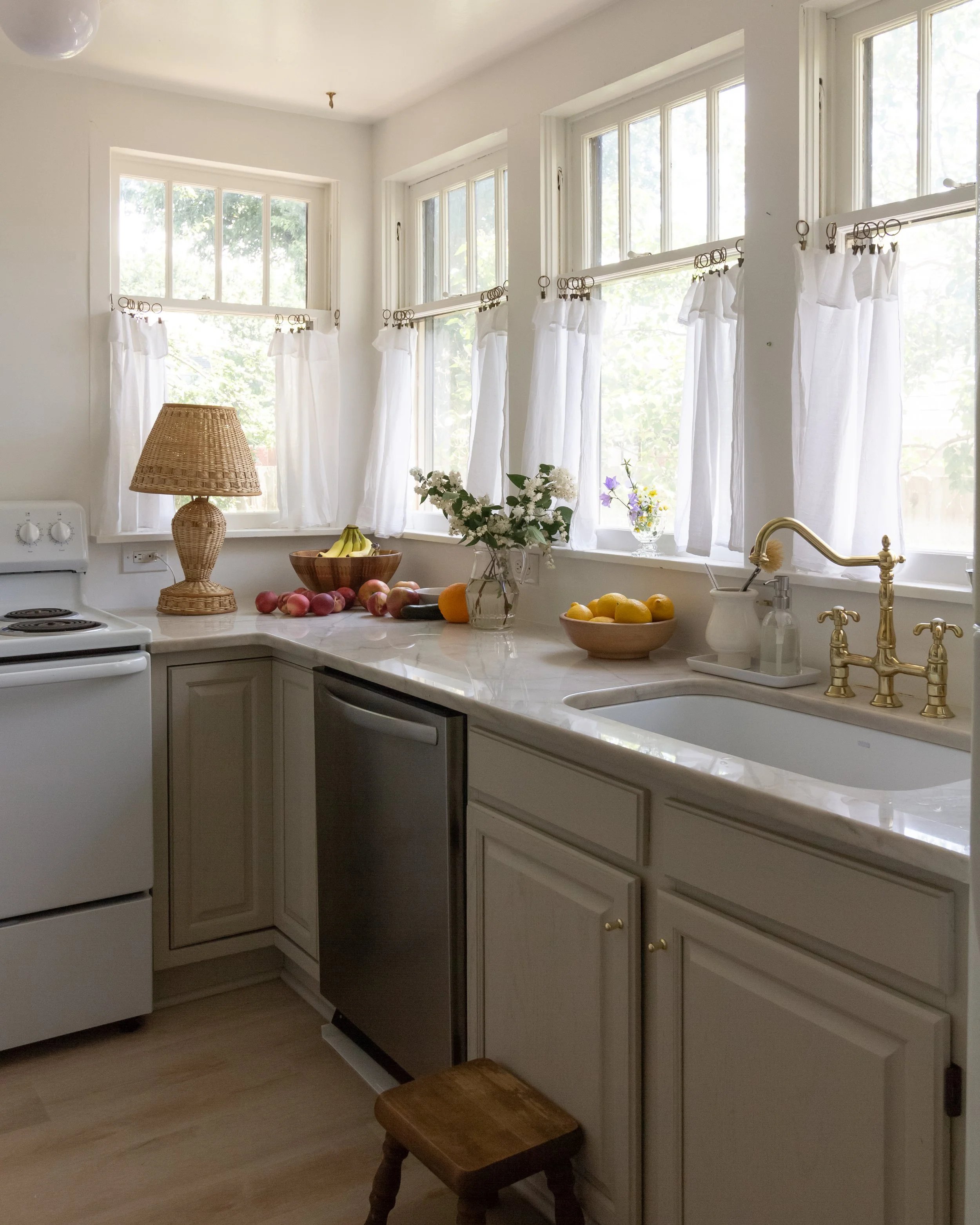
A lower panel gives a kitchen or dining window some privacy without blocking the top light. Measure the window opening and check that the support is appropriate for the frame. Position the curtain far from heat and splash zones, and choose a fabric that can be cleaned as often as needed.
14. Try Different Folds on a Bright Panel

Test a flat panel, a loose gather, and a folded arrangement before deciding where the rod should go. The same bright fabric can look much calmer in a broad shape. Watch where the edges fall from the side of the window as well as straight in front of the glass.
15. Use Simple Ties to Hold a Cream Panel
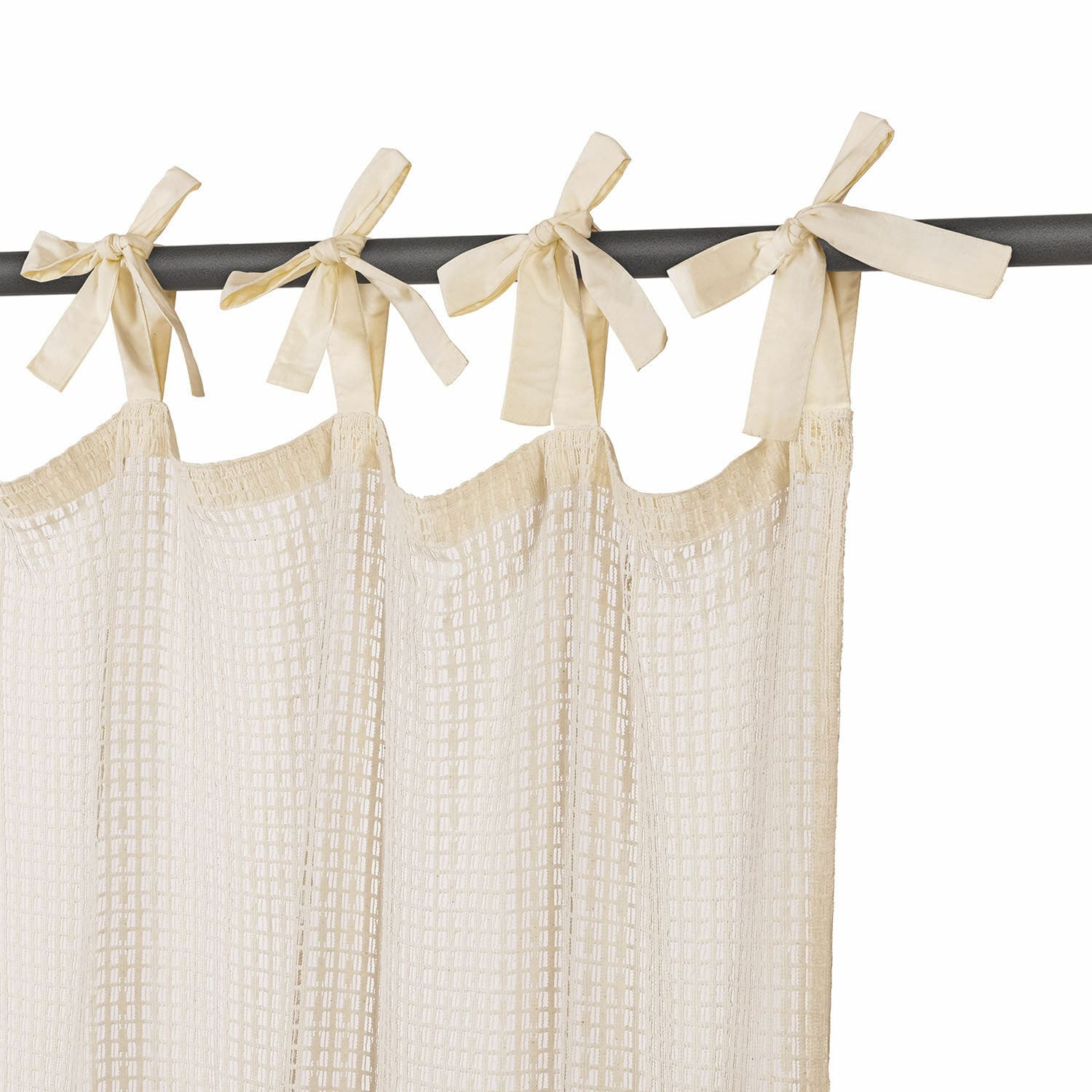
Attach ties at regular intervals and check whether each brings the curtain top to the same height. If you want to wash the fabric periodically, start with ties you can undo without pulling at the cloth. Compare the side spacing so the whole panel looks evenly held across the window.
16. Make a Soft Swag from Printed Fabric

Use a lightweight printed fabric to soften the line above the glass. Hold it up first so you can judge how much of the design shows in the folds. Check that the gathered edge sits above handles or blinds. Coordinate the print with nearby kitchen wall decor.
17. Filter Dining Room Light with Sheer Fabric

Choose a sheer cloth where daylight matters more than privacy. Test it after dark with the room lights on so you know how much can be seen from outside. If you need more coverage, plan the sheer as a decorative layer over an independent shade that can still operate smoothly.
18. Make Warm Stripes the Only Window Accent

Use a stripe that repeats one shade from a nearby dish, cushion, or wall detail. Compare a straight lower edge with a relaxed fold to see how much color you need. A strong print is easier to live with when nearby decorations are simple and the window hardware remains easy to reach.
Finish the Window with a Few Room Details
Look at your finished window twice, once when daylight comes through and again when the room lights are on. The fabric may read as a strong stripe at one hour and a soft color accent at another. Use the projects below to decide whether a nearby frame or wall detail should echo the curtain pattern or give it room to stand out.
- Hygge Living Rooms with Gentle Lighting
- Kitchen Wall Decor Beyond the Backsplash
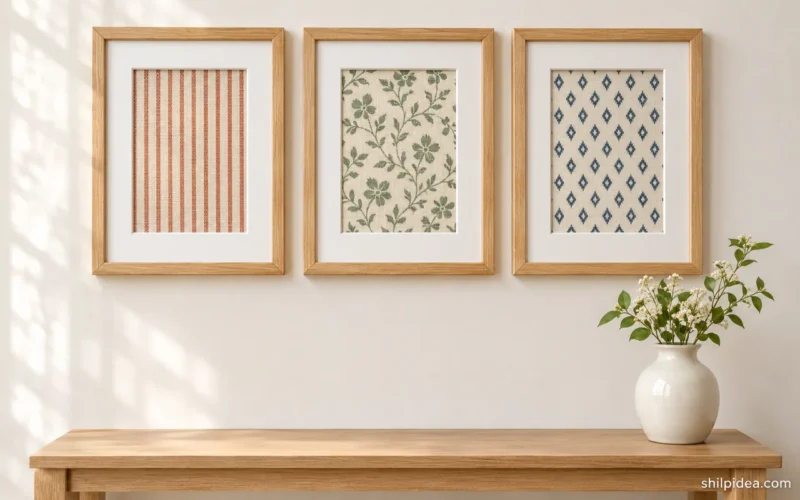
- Framed Wall Art from Fabric Samples
- Staircase Photo Walls for Family Memories
What would you like your window treatment to change about the room? Tell us in the comments whether you want more privacy, softer daylight, or a little color, and which curtain idea fits the window you have.

































0 Comments