7 Popular Houseplants to Reconsider If You Have Pets
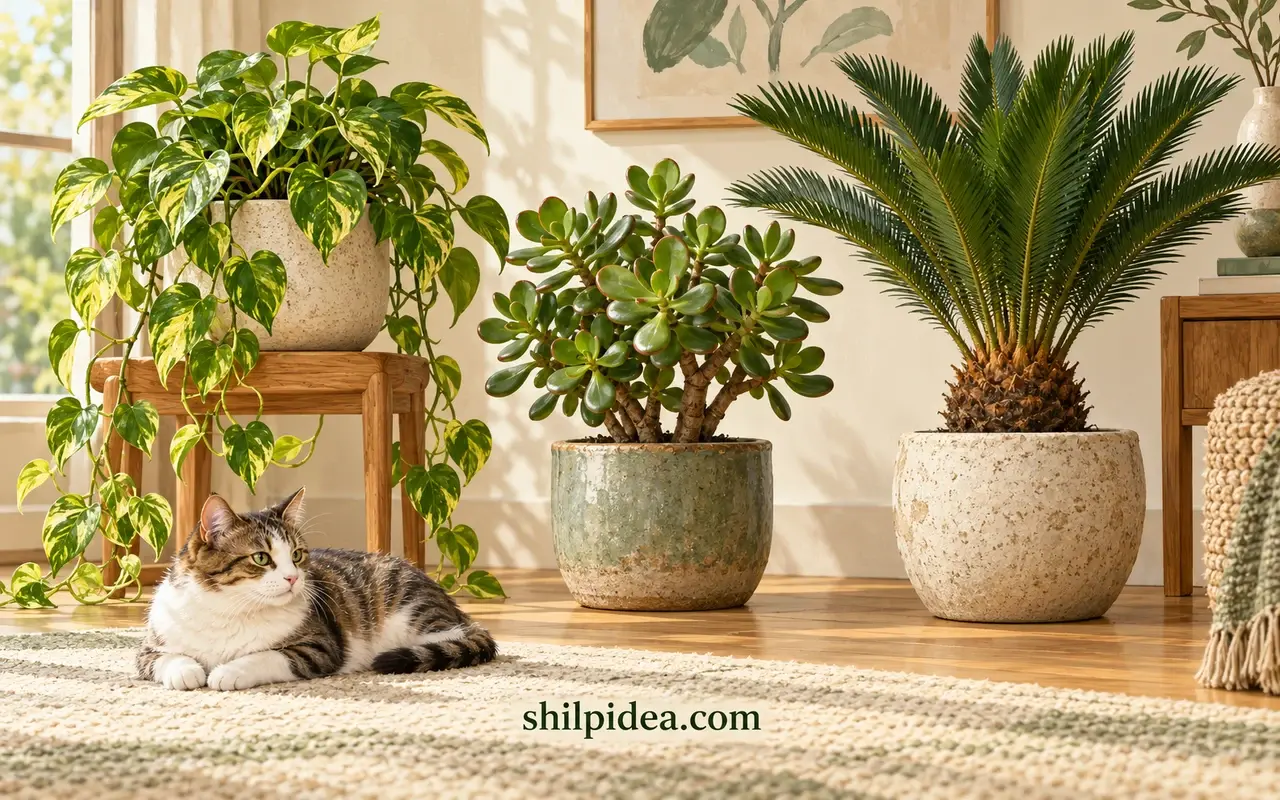
Beautiful foliage can make a room feel welcoming, but choosing a houseplant involves more than finding the right color or shape. If you share your home with cats or dogs, it helps to check which houseplants are toxic to pets before bringing them home.
Some popular plants cause irritation when chewed. Others can lead to much more serious poisoning. Understanding that difference makes choosing your greenery easier.
These seven plants deserve a closer look, along with practical considerations and a few non-toxic alternatives for your next plant-shopping trip.
1. Sago Palm: A Serious Risk for Curious Pets
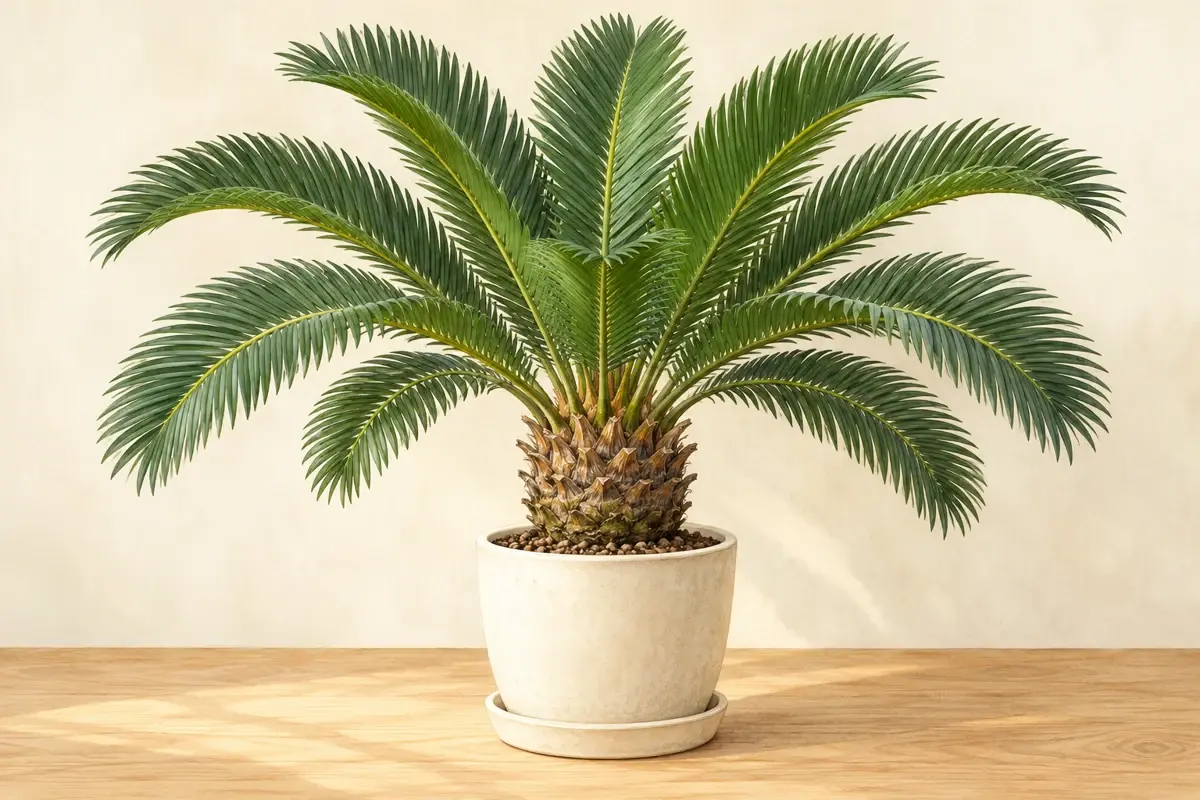
Botanical name: Cycas revoluta
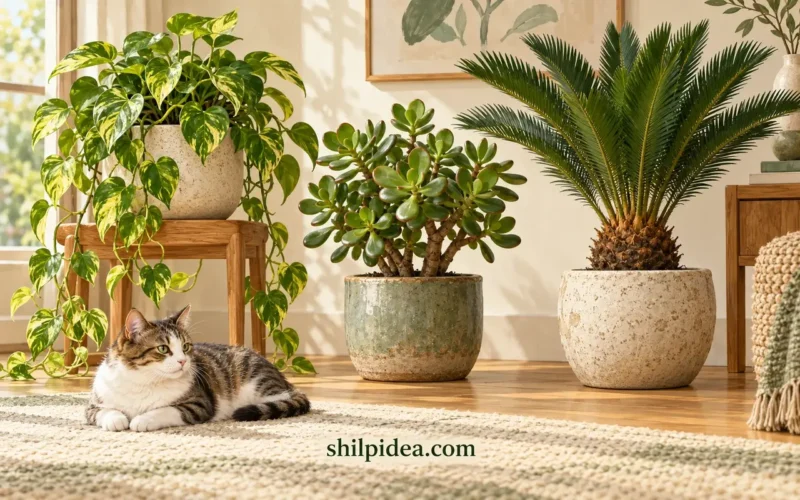
The sago palm’s sculptural trunk and symmetrical fronds make it an eye-catching accent. Despite its name, it is a cycad rather than a true palm.
For pet owners, its toxicity deserves particular attention. Every part is poisonous, with especially concentrated toxins in the seeds. Ingestion can cause severe liver damage and can be fatal. If your pet may have eaten any part, contact a veterinarian immediately—even if symptoms have not appeared.
For a home with plant-chewing pets, choose a different species rather than relying on a raised pot.
2. Oleander: Beautiful Flowers With a Significant Hazard
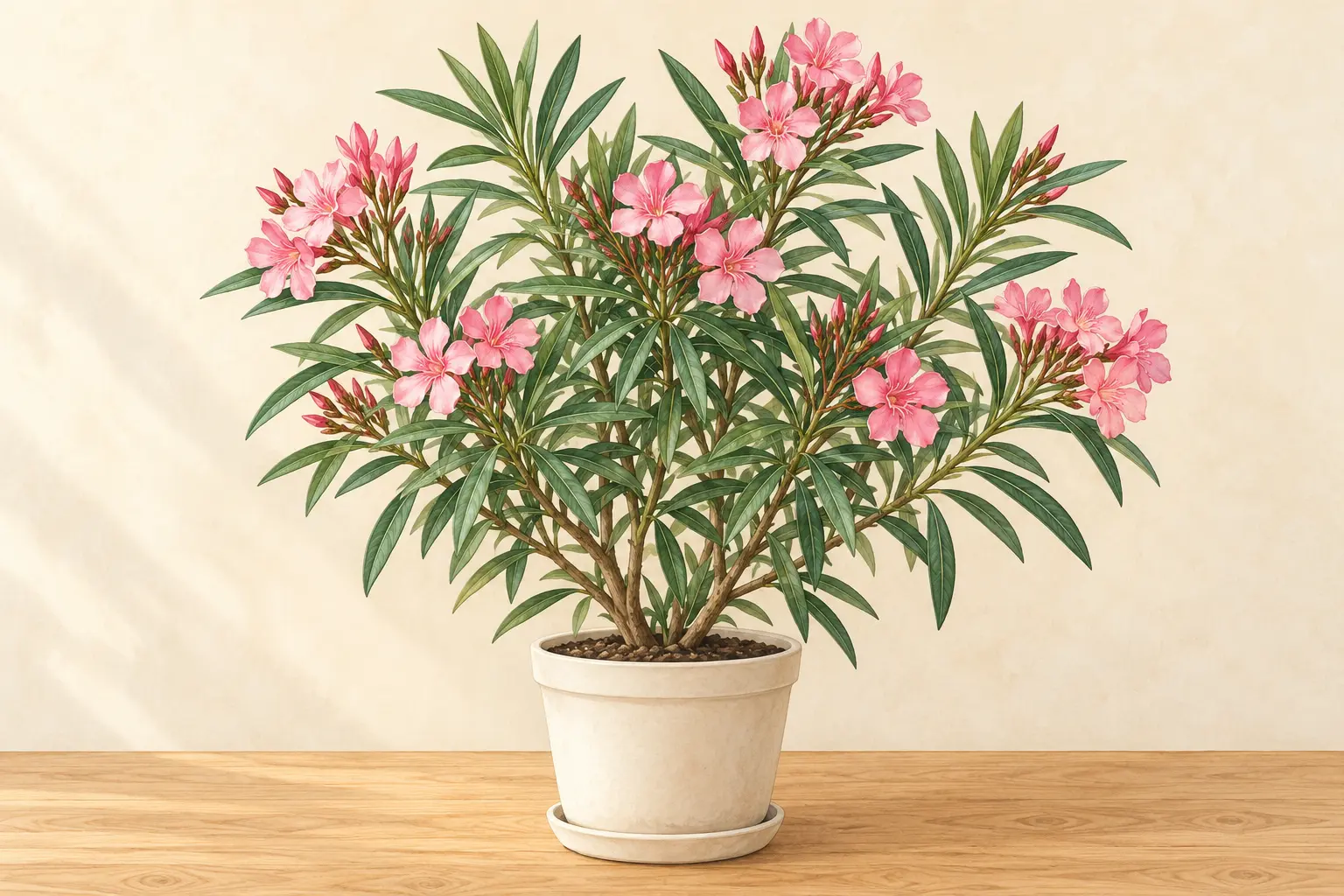
Botanical name: Nerium oleander
Oleander is primarily a flowering landscape shrub, although container plants are sometimes brought indoors during cold weather. Its narrow leaves and colorful blooms can look attractive beside a sunny window.
However, it contains cardiac glycosides that can affect the heart. All parts should be treated as poisonous. Moving it onto a patio does not solve the problem if pets can still reach it or fallen plant material.
If you suspect ingestion, seek veterinary help promptly rather than waiting to see whether your pet becomes unwell.
3. Dieffenbachia: Bold Leaves That Should Stay Away From Chewers
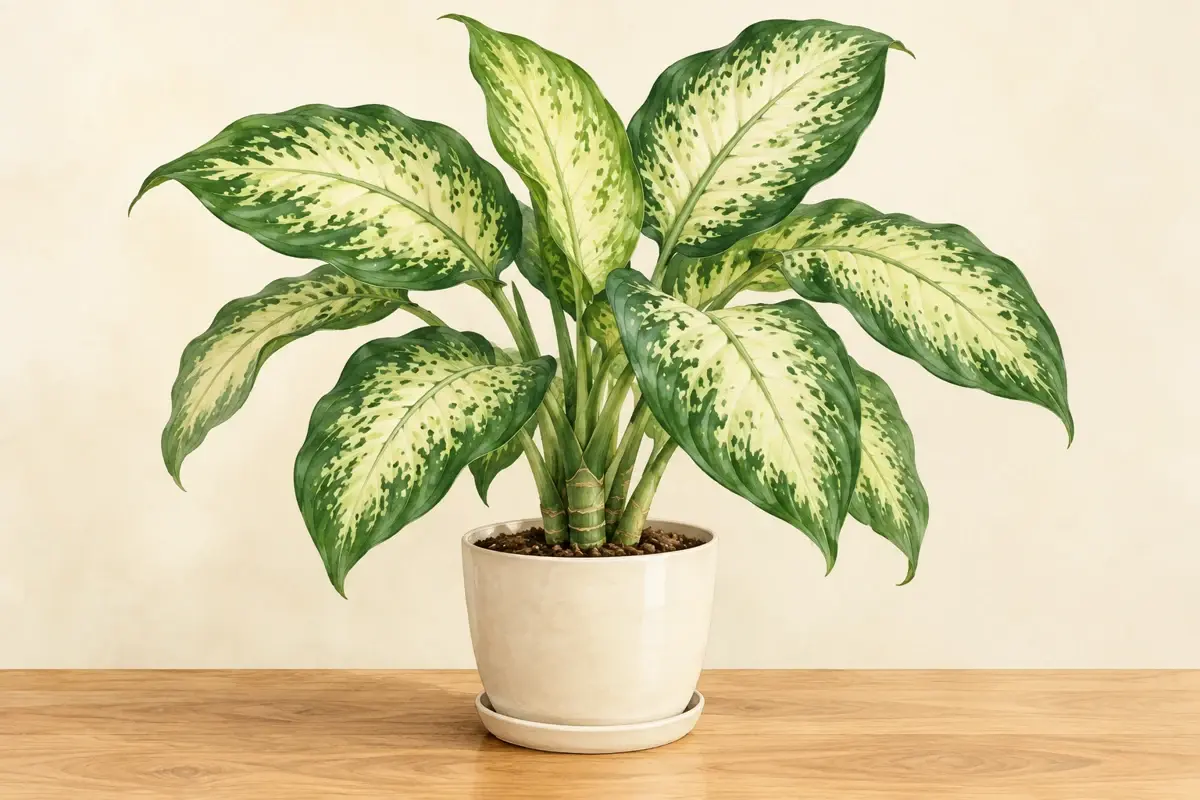
Botanical name: Dieffenbachia seguine
Large leaves patterned with cream and green give dieffenbachia plenty of decorative appeal. It is a familiar indoor plant, so the concern is not that it inherently “doesn’t belong” indoors.
The issue is exposure. Its tissues contain needlelike calcium oxalate crystals that can irritate the mouth when chewed. Drooling, pain and difficulty swallowing may follow; severe swelling is possible.
Consider whether you can genuinely prevent access, including to fallen leaves. If your cat climbs shelves or your dog investigates every pot, selecting another plant is the more practical choice.
4. Golden Pothos: Trailing Vines Can Invite Unwanted Attention
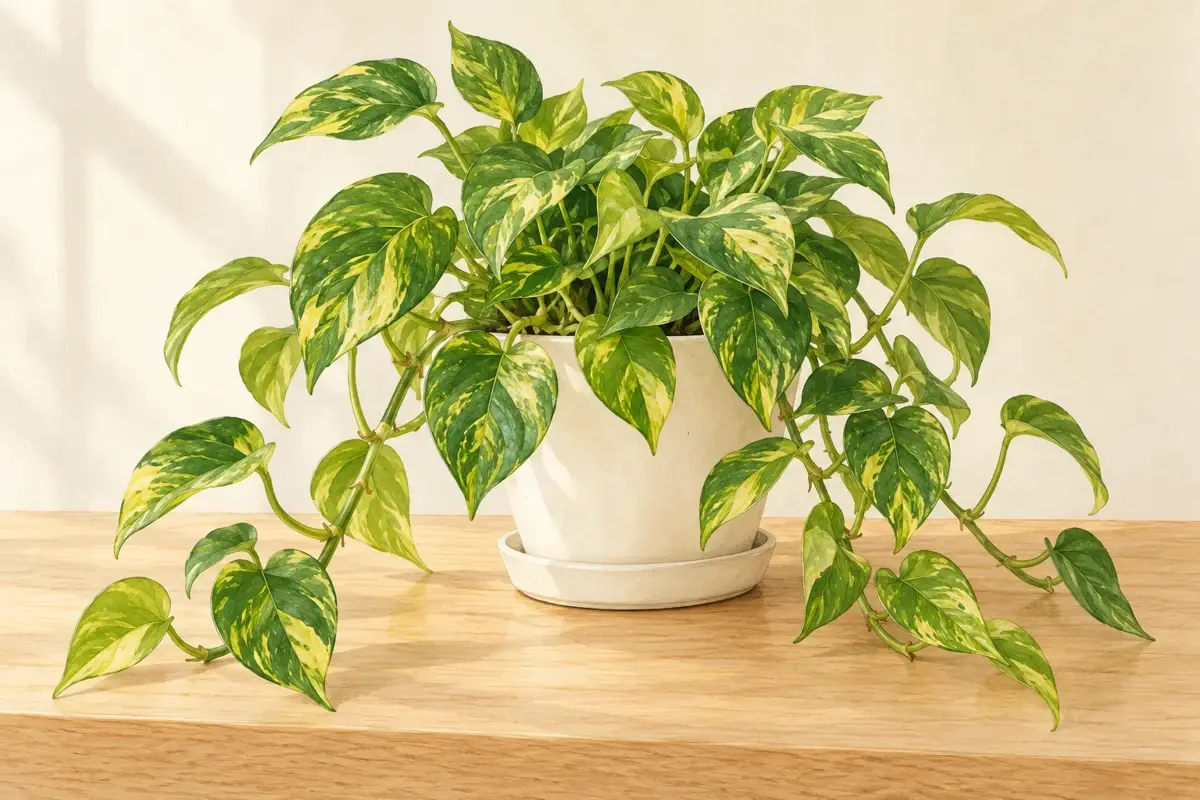
Botanical name: Epipremnum aureum
Golden pothos is loved for its cascading vines and yellow-marked foliage. Unfortunately, dangling stems can also become something for a curious pet to investigate.
Chewing the plant can release insoluble calcium oxalate crystals, causing burning and irritation in the mouth, drooling, vomiting or difficulty swallowing. A hanging basket does not automatically remove the risk: vines grow longer, and cats may reach nearby furniture.
Before choosing a display spot, consider the mature vine length and your pet’s behavior—not simply the height of the original pot.
5. Heartleaf Philodendron: Easy-Care Does Not Mean Pet-Safe
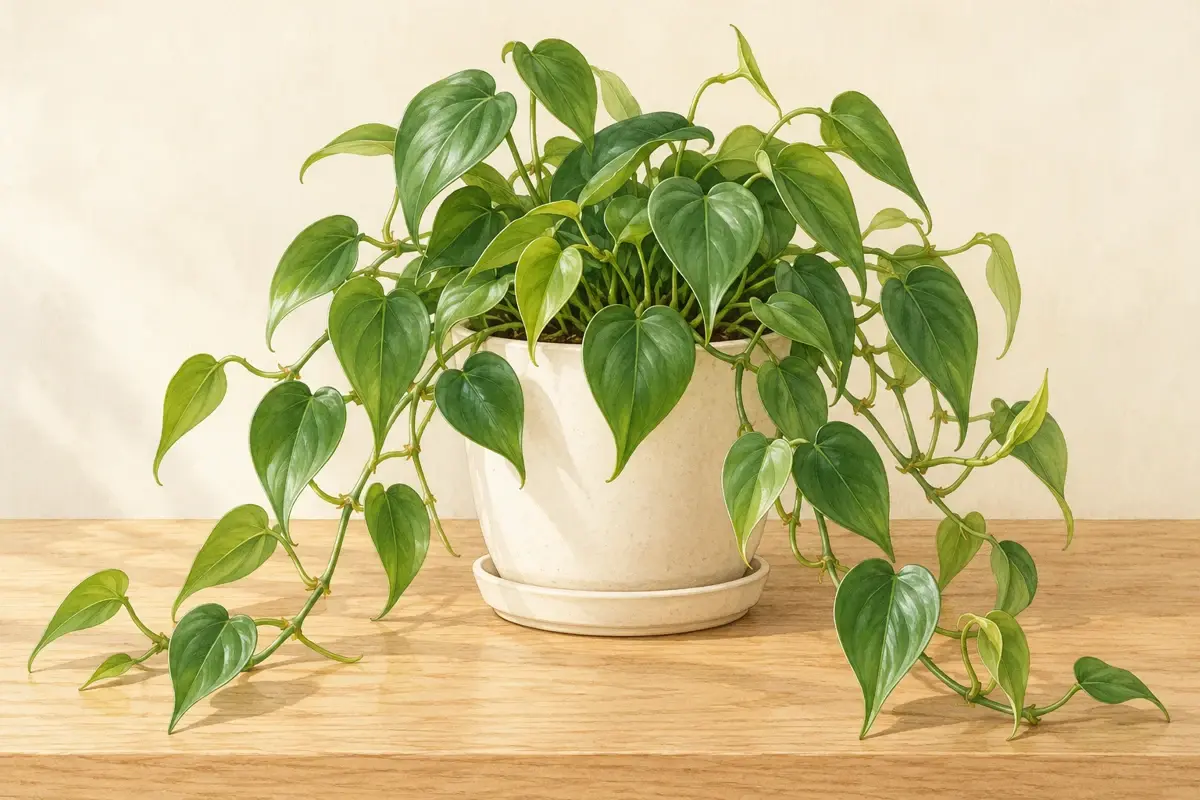
Botanical name: Philodendron hederaceum
Heartleaf philodendron brings soft, trailing greenery to shelves and bookcases. Its reputation as an approachable houseplant can make toxicity easy to overlook.
Like pothos, it contains insoluble calcium oxalates. Chewing can cause oral pain, swelling, drooling and trouble swallowing. Keep this distinction in mind when shopping: a plant described as beginner-friendly may still be unsuitable for a household with leaf-chewing pets.
Check the botanical label, too. Common names can overlap, and plants sold under similar names may have different care requirements or safety profiles.
6. Rubber Plant: Check the Species Behind the Name
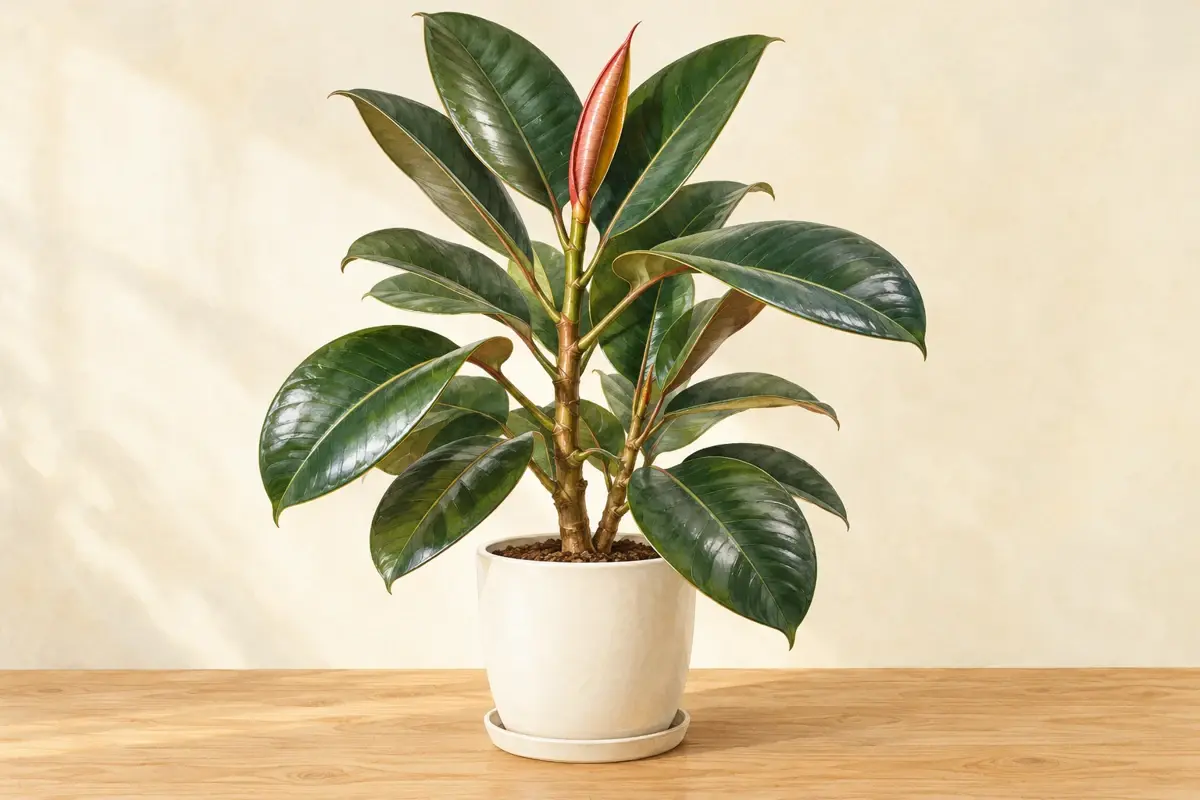
Botanical name: Ficus elastica
A rubber plant’s broad, glossy leaves create a strong focal point, especially in a simple container. It can also become a substantial indoor plant, so consider its eventual size and stability before choosing a spot.
NC State Extension flags Ficus elastica as problematic for cats and dogs. It also produces milky sap when cut. Do not confuse it with the smaller baby rubber plant, Peperomia obtusifolia, which ASPCA lists as non-toxic to both.
Once you have selected a suitable species, explore these cement planter ideas for container inspiration. North Carolina Extension Gardener Plant Toolbox
7. Jade Plant: A Popular Succulent to Reconsider
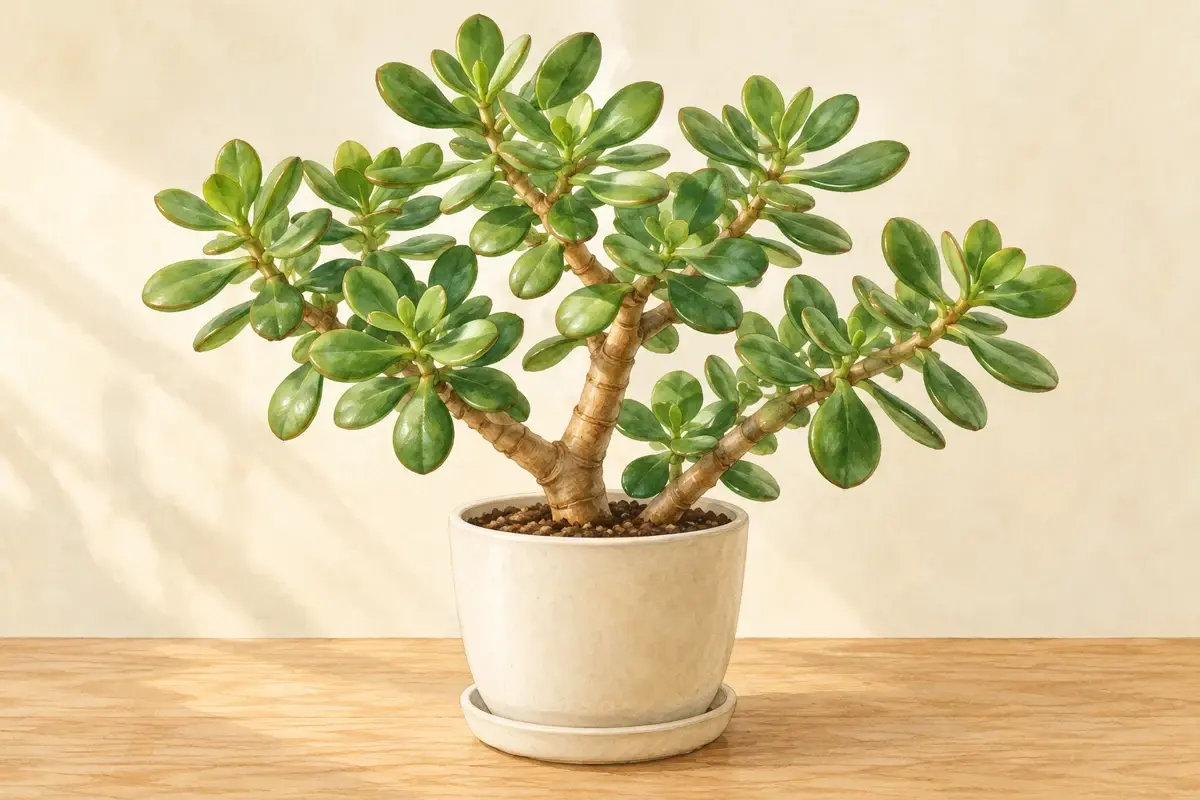
Botanical name: Crassula ovata
Jade plants have a miniature-tree appearance, with branching stems and thick, rounded leaves. Their compact shape makes them tempting additions to desks and windowsills.
However, jade is toxic to cats and dogs. Reported effects include vomiting, depression and poor coordination. Being a succulent does not make a plant automatically pet-safe, and loose leaves can become accessible even when the main pot is raised.
If you enjoy small plant displays, choose the species first, then browse upcycled planter ideas for a container that suits it.
Non-toxic alternatives to explore
For different foliage styles, consider these species that ASPCA lists as non-toxic to cats and dogs:
- Parlor palm — Chamaedorea elegans: an option for an airy, feathered foliage effect.
- Baby rubber plant — Peperomia obtusifolia: compact greenery with rounded leaves.
- Spider plant — Chlorophytum comosum: arching foliage for a softer display.
Non-toxic does not mean a plant is intended to be eaten. Match your choice to the available light, use a stable container, and discourage chewing.
If your pet has already chewed a plant
Contact your veterinarian or an animal poison service promptly. Keep the plant label or take a clear photograph to help with identification. Do not induce vomiting or give home remedies unless a veterinary professional instructs you to do so. Suspected sago palm or oleander ingestion needs urgent attention.
More Plant Display Ideas to Explore
After choosing a plant that suits your household, you can enjoy planning its container and surroundings. A decorative pot should still accommodate drainage, remain stable, and fit the plant’s growing needs. These Shilpidea collections offer starting points for different materials and spaces; check each plant’s identity and suitability separately before recreating a display.
- Plastic Bottle Planter Ideas for Your Garden
- 10 DIY Cement Planter Ideas for Home Decor
- Upcycled Gardening Ideas for Creative Planters at Home
- Old Boot Planter Ideas for Upcycled Garden Displays
- Sand Art Terrarium Ideas






0 Comments