18 November Bullet Journal Ideas for Fall Planning
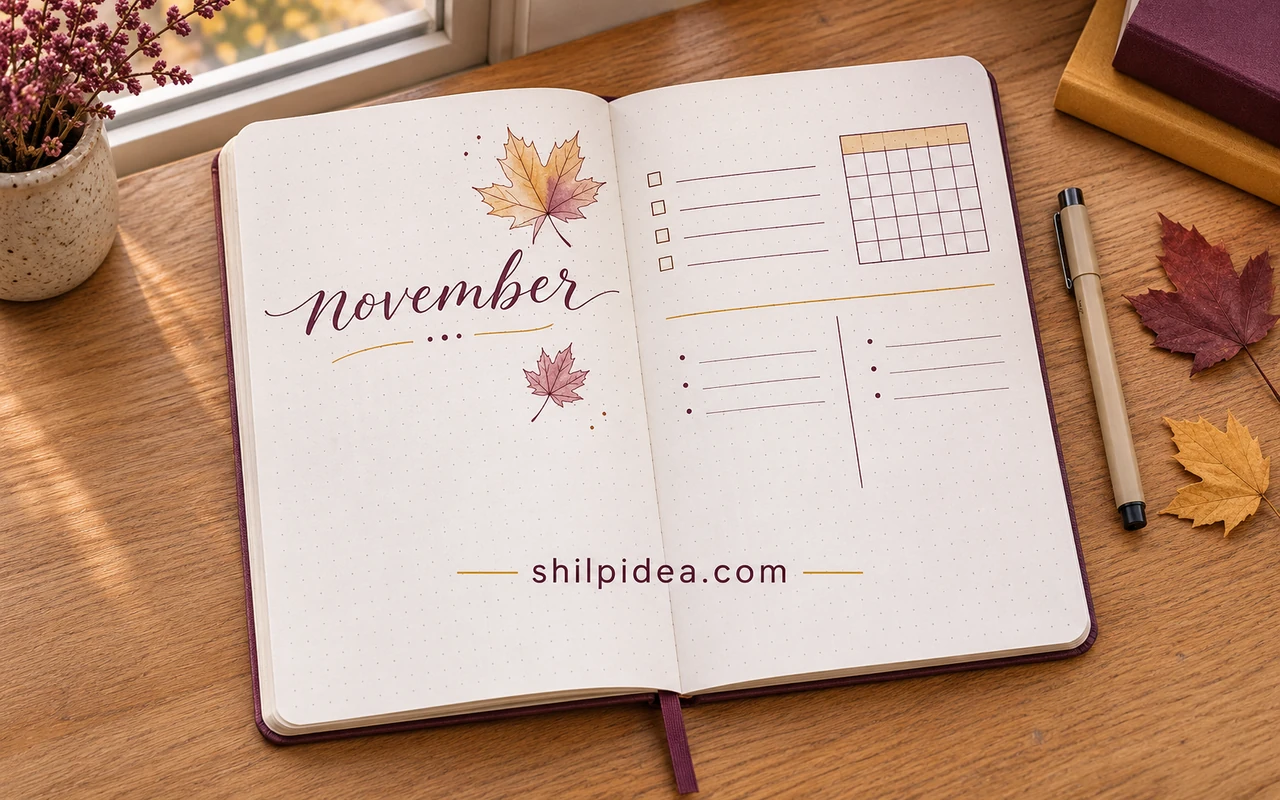
A November bullet journal can hold appointments, the ideas you keep putting off, and the little things you want to remember. Pick a few pages that will earn a place in your routine.
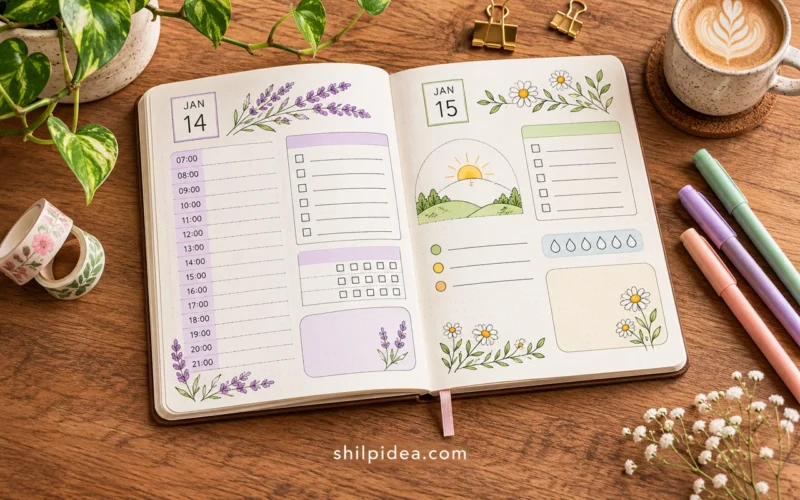
Keep a ruler, one pen, and a couple of autumn colors on hand. If you mainly need room to plan tomorrow, try one of these daily journal spreads alongside the monthly pages.
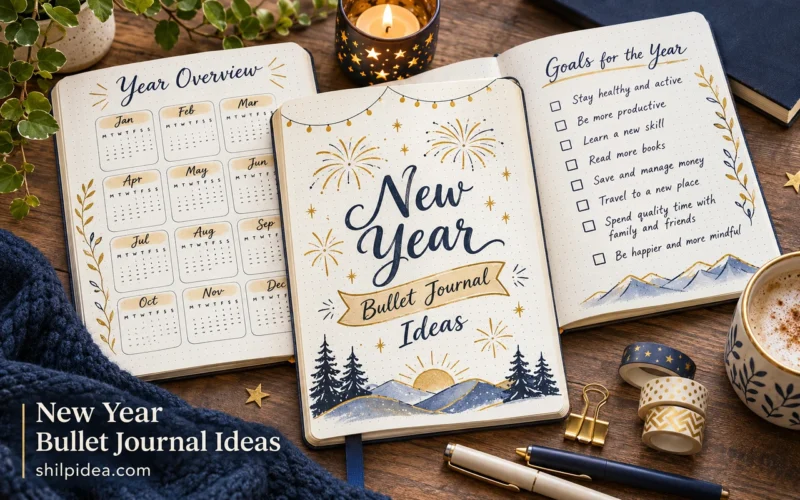
The examples below range from illustrated covers to practical lists and trackers. Leave room for the habits you might want to carry into these new year journal ideas later.
1. Give a Plaid Cover One Strong Color

Draw a few bands in one color, rotating the notebook to cross them at right angles. Let the lines vary slightly so it looks hand-drawn. Leave a plain area around the month’s title where it will be easy to read. Pen in a little pattern first to see whether you want a quiet plaid or stronger color contrast.
2. Draw a Small Town Across the Cover
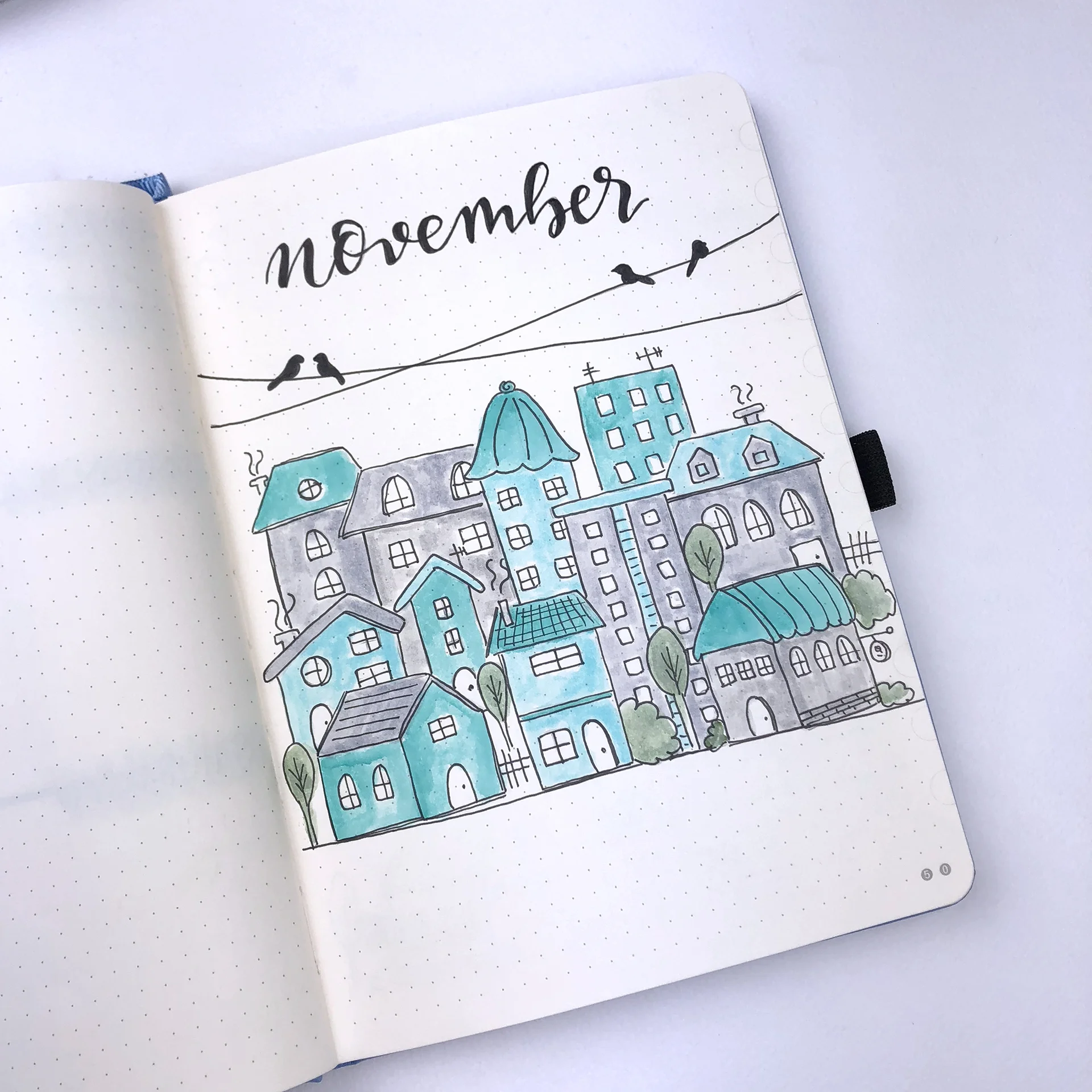
Use simple rectangles and roofs to draw a row of little houses. Leave a break in the skyline for your title, and try a cool color such as blue to suggest the days turning colder. Test the pens on a spare page before you fill in the sky or use several layers on the same spot.
3. Start the Month with a Butterfly Collage

Layer two small paper scraps behind a main butterfly motif. Trace the shape first if you’re drawing your own, or cut a butterfly from spare stationery. Keep the title on plain paper so the letters stay visible. If you want to save other small scraps and pictures, these accordion photo books can hold the pieces you leave out.
4. Give One Line a Page of Its Own

Set aside a small area for a sentence that fits what you want from the month. Try writing it on scrap to see where the lines will break, then use just one accent color for a key word. Leave the rest of the page open for a sentence you might want to add later.
5. Fit the Month on One Page
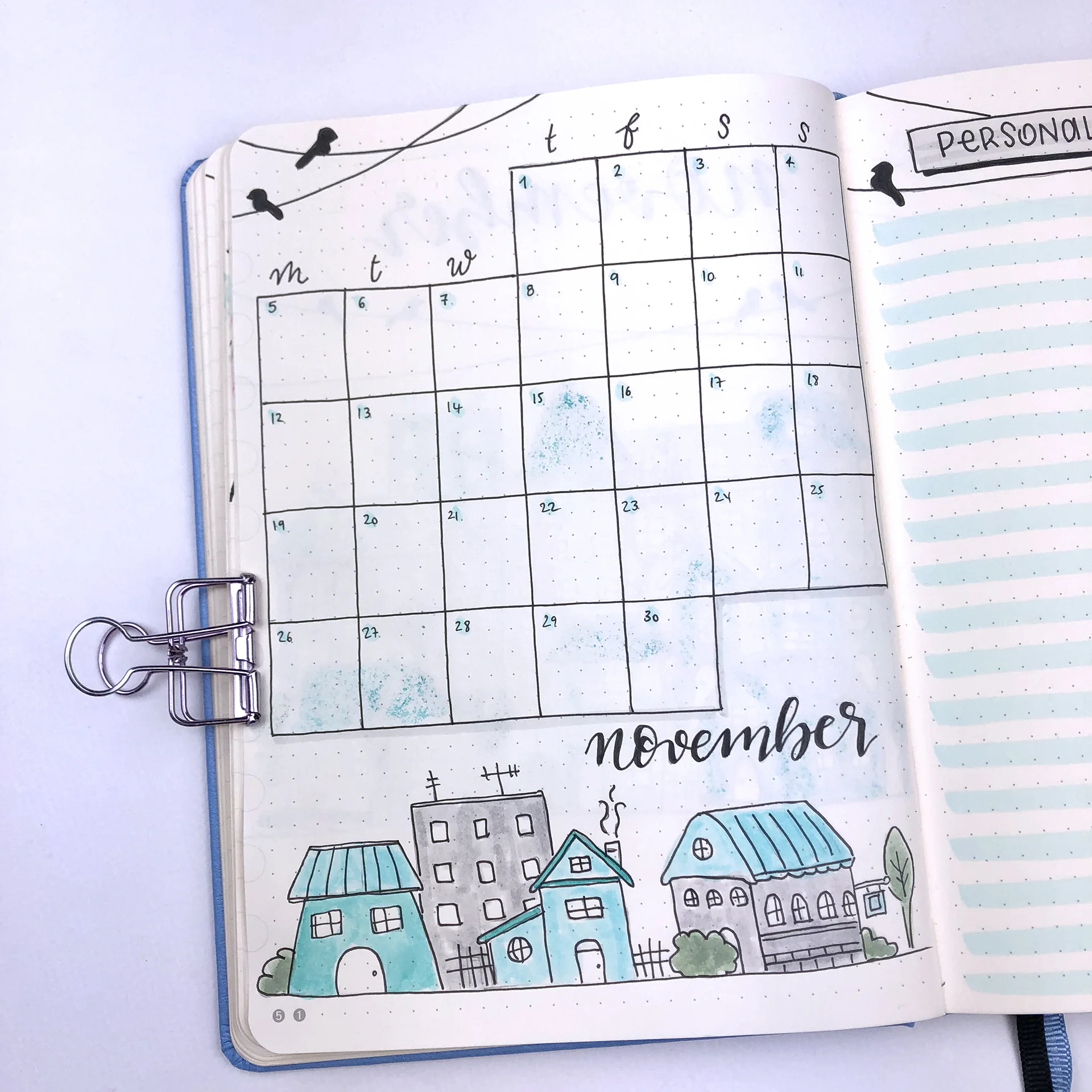
Keep a one-page month readable by using the same size for dates and saving another color for events. Place tiny houses or sky details beyond the grid where they will stay visible as your notes fill up. Use the remaining space to list items whose dates still need to be confirmed, then move them into the calendar when you know.
6. Let the Calendar Boxes Loosely Overlap

If a rigid grid makes the page feel cramped, sketch one box per day and let a few corners overlap. Make the numbers easy to find by putting them in the same corner. Use the spaces outside the boxes for decorations, and start with the events you’ve already committed to so there’s room for them.
7. Fit a Few Trackers Beside the Calendar

Put one or two habit grids beside your calendar so you see them when checking the date. Make a small mark for any day you complete the habit and use a different mark if you want to indicate a planned break. Start with actions you can define clearly. A smaller grid gives you room to track something else later.
8. Keep Day Boxes Simple Around One Doodle

Draw the day boxes first and look for a space that can hold a small drawing without crowding your busiest day. A small detail at the bottom can make the whole layout feel seasonal. Try the same box widths for a week and change them only if you often reach the bottom of one box early.
9. Leave Gaps for Tiny Weekly Collages

Draw enough space for a short note each day, then look for two gaps where small paper pieces can fit. Try thin scraps or stickers so the spread can close flat. Keep the edges of each section clear so the page stays readable even after you add notes. A repeated neutral accent can make different scraps feel related.
10. Keep Personal and Work Goals Apart
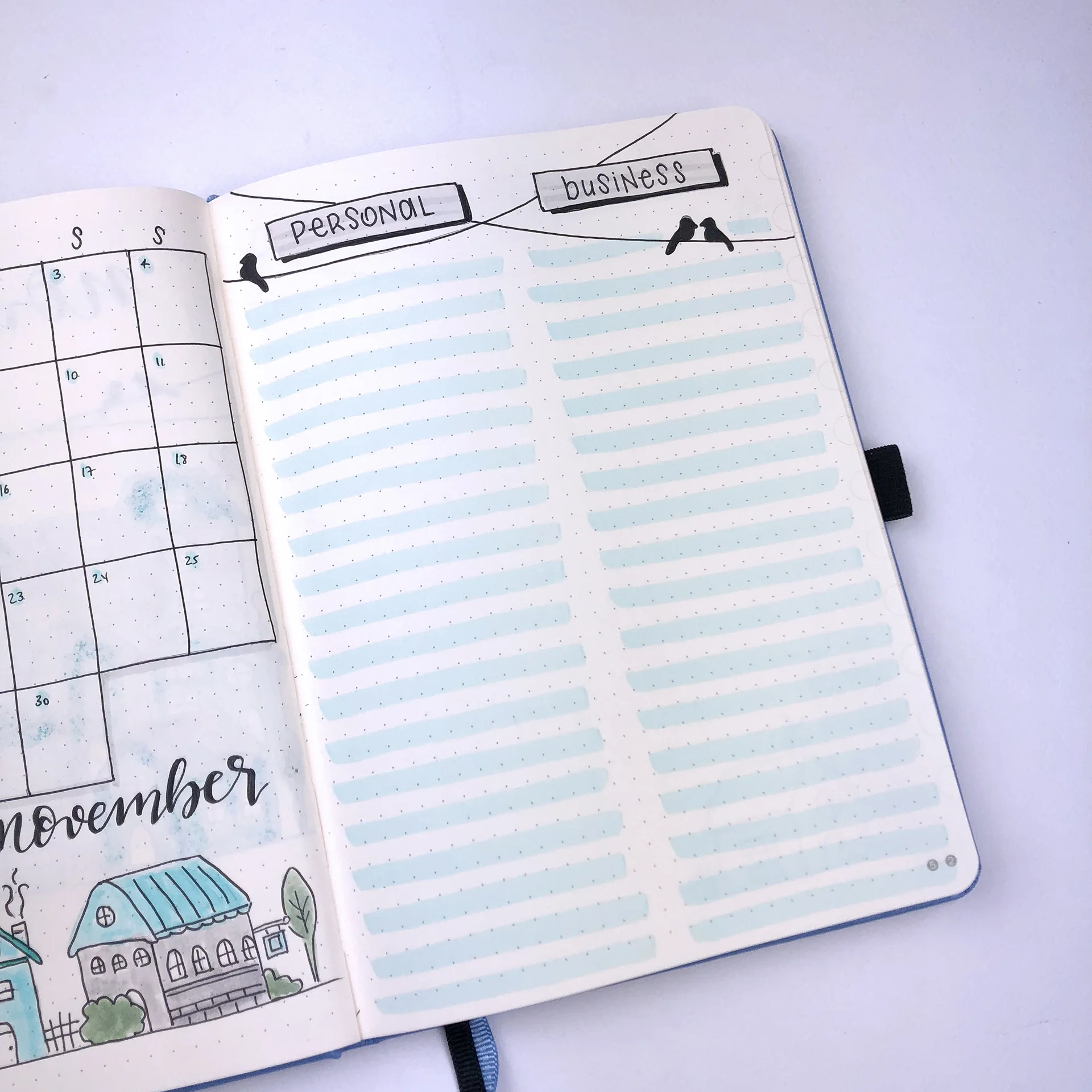
Make one column for work and one for personal goals if the two compete for your attention. Write a small first action under each goal so you know what to do when you return to it. Put the easiest item at the top if you need help getting started. Leave a few lines for something that changes midmonth.
11. Break a Monthly Goal into Weekly Tasks
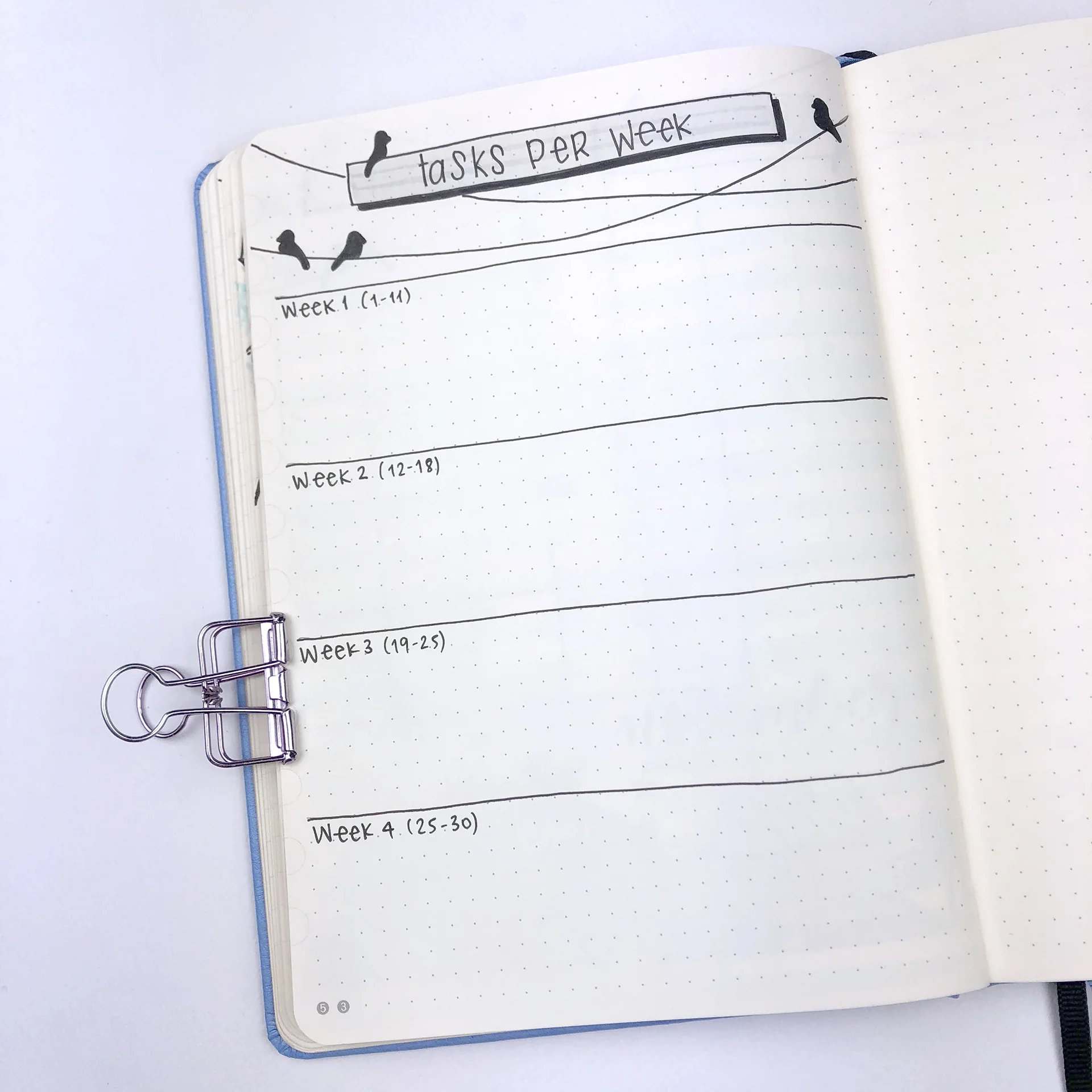
Pick a monthly goal and work backward from the last week. Give each week one task that can fit in the time you actually have. Mark a backup week for a task that depends on supplies arriving or someone replying. This keeps the month readable even if you need to move one item down a row.
12. Start a November Reading Queue

A reading queue gives you a place to put suggestions without trying to read everything at once. Leave a line for the title, a short note about who recommended it, and the format you want to try. Put a dot next to the first book you plan to open, then leave some blank lines for late arrivals.
13. Give Each Recipient a Gift Idea Line

Write the names first, then put a few possible gifts next to each one. Add a small check next to anything you’ve already ordered or made. Keeping the list separate from your calendar leaves space for changes. If you’re making a gift, finish it with one of these paper quilled gift tags and record whose package it belongs to.
14. Keep a Short Menu of Quiet Activities

Write a few activities you could realistically do in the amount of time you usually have. Give the list an easy-to-find heading and leave a line for something you can do for five minutes. Fill out the page around what you enjoy, so picking an activity feels as simple as checking a menu.
15. Leave Room for a Few Lines of Gratitude

Put down one line when there’s something you want to note and leave the other space open. Choose a small moment over a broad description so it feels specific when you reread it. If dates make the page easier to keep up with, write them in as you go and give yourself room to skip a day.
16. Give Small Good Moments a List

Number a few lines and use them whenever something happens you want to remember. A detail such as who said what or where you were is enough to make the moment easy to recall. If you want a family prompt to add to the page, these Thanksgiving memory cards offer questions you can use in a notebook, too.
17. Pair an Intention with a Memory Spot

Use one page for a few things you want to try and the facing page for notes about what actually happened. Label the spaces with short headings so you can fill them without following a strict order. Leave an open corner for an image or small scrap of paper if you want something visual beside a note.
18. Keep One Page Free for Stray Notes
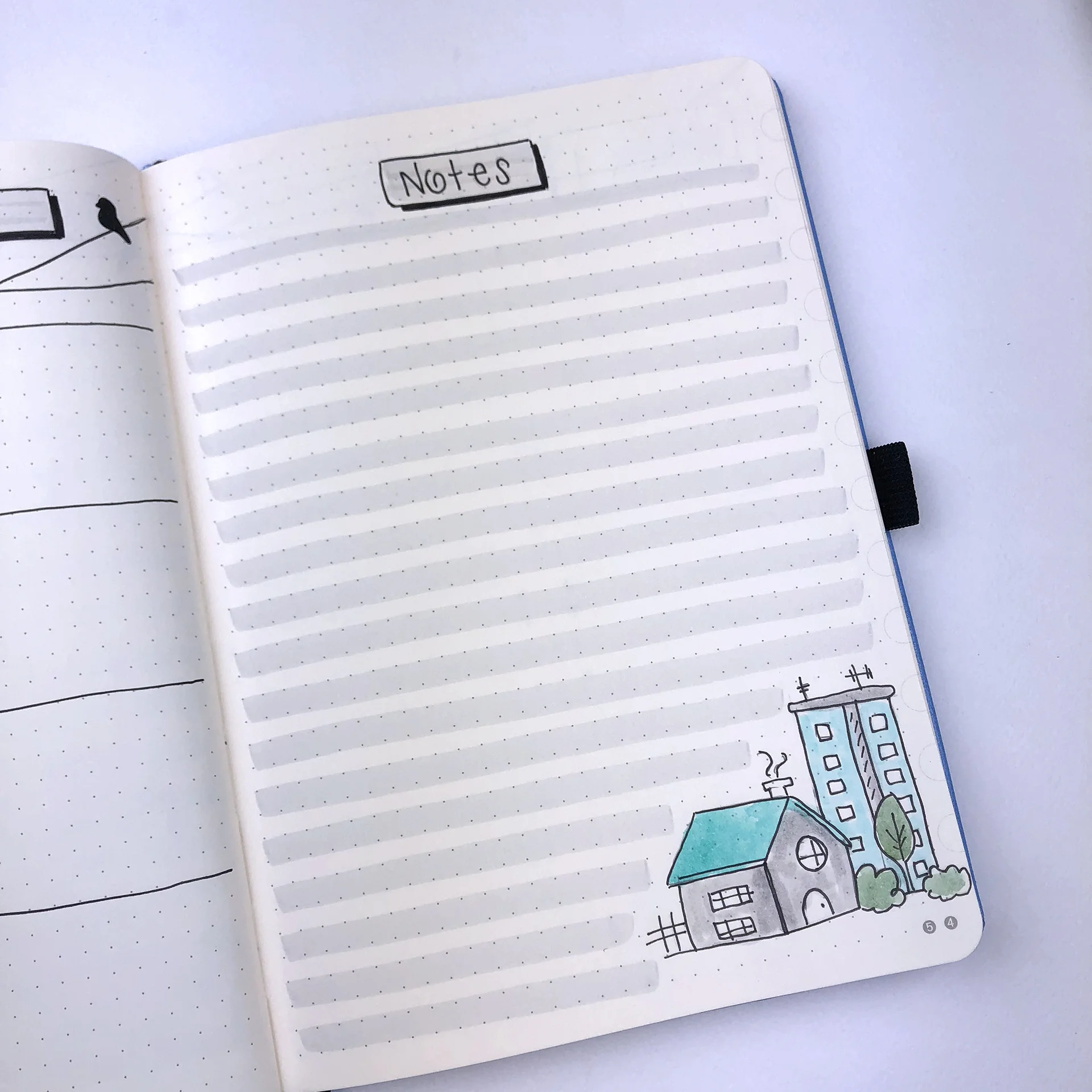
Set up a single page for ideas that don’t yet belong in a date box. Add light rules if you prefer straight lines, or leave it blank if you draw diagrams. Once a week, read through the notes and copy any decision or upcoming task into the place you’ll actually look for it next.
Choose the Pages You’ll Use Next Month
At the end of November, note which page was easy to keep up with and which one you barely opened. Copy the useful layout forward, then borrow one small idea from these projects if you want to bring more photos, motifs, or handwritten details into the next notebook.
- Try a detailed daily spread
- Start a new year journal
- Make an accordion photo keepsake
- Write Thanksgiving family memory cards
- Make quilled tags for gifts
- Make paper leaves for place cards
Which page would you make room for this November? Tell us in the comments what you’d write in it first. If you’ve found a way to keep up a tracker during busy weeks, share how you made it easier.


























0 Comments