18 Bullet Journal Ideas for a Fresh New Year
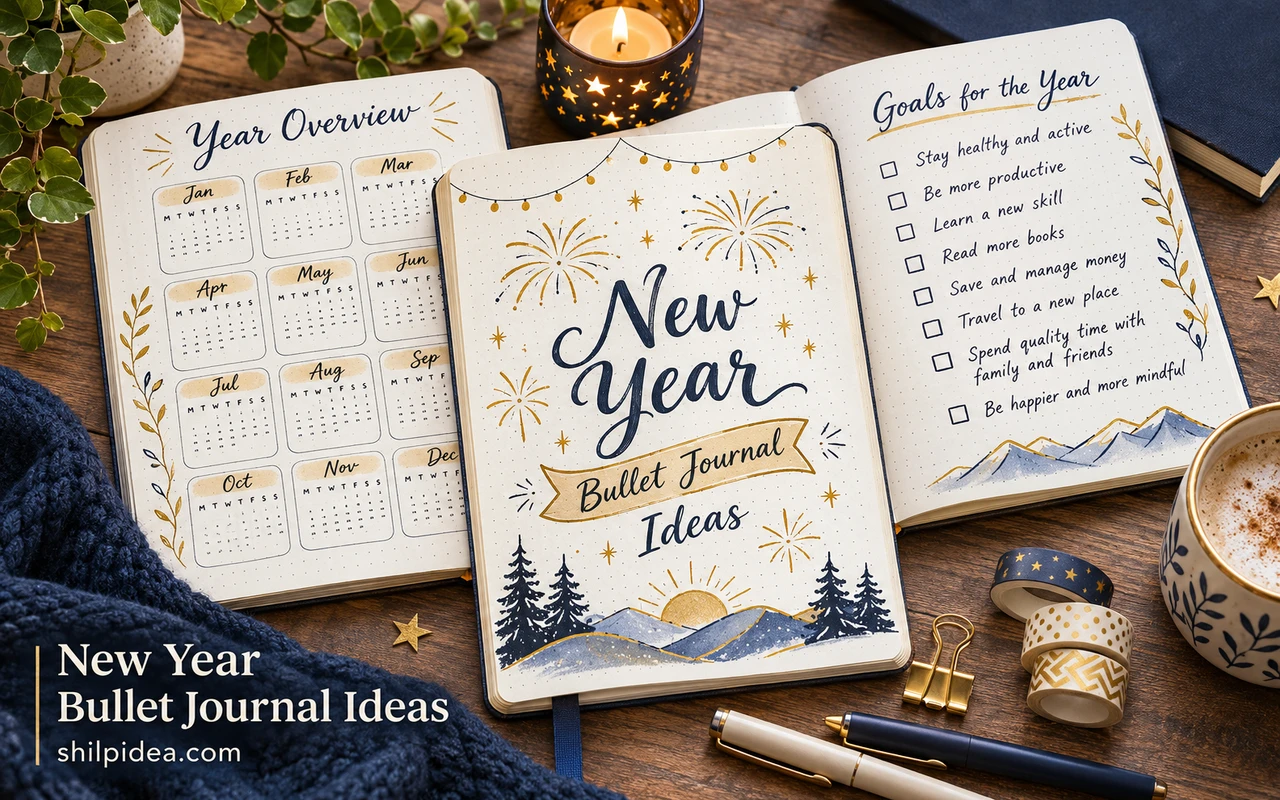
A fresh bullet journal can hold everything from next month’s appointments to a wish list for the year. Start with a small set of spreads you’ll actually return to.
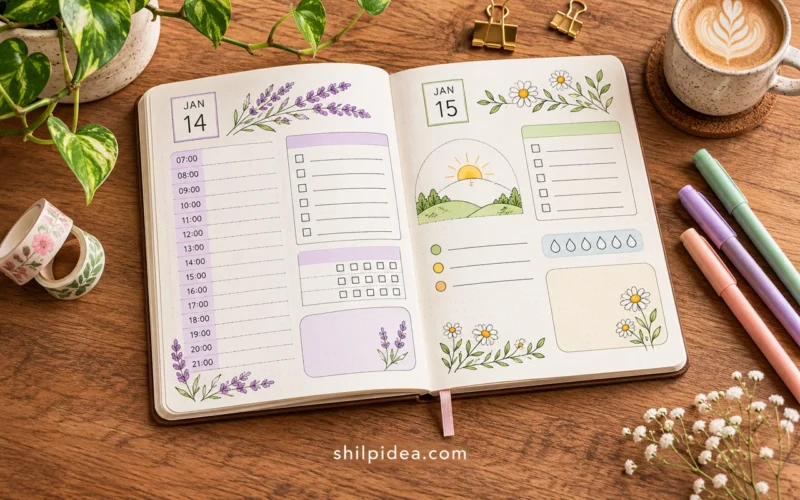
You only need a notebook and a pen for most of these ideas. Pair your yearly pages with daily journal spreads so there’s an easy place to carry plans forward.
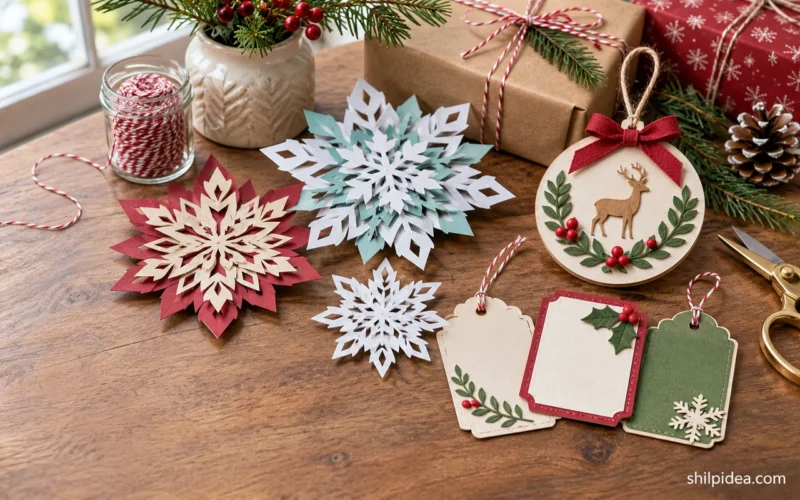
If you want to decorate, borrow small motifs from handmade paper designs. A single repeated detail can make the pages feel connected without slowing you down.
1. A Lettered New Year Cover

A hand-lettered greeting is a quick way to mark the change of year. Test the placement on scrap, then pencil a loose box for the lettering before tracing in ink. Leave the facing page open for the reason you’re starting a new notebook, even if your reason is only to remember ordinary days.
2. A Fireworks Opening Spread

Use black and gold bursts for a page that feels like a celebration. Draw the largest bursts first and keep the center clear until the greeting is in place. The example shows a past year, so swap in the year you’re planning and write the change in the same lettering style.
3. A Navigation-Themed January
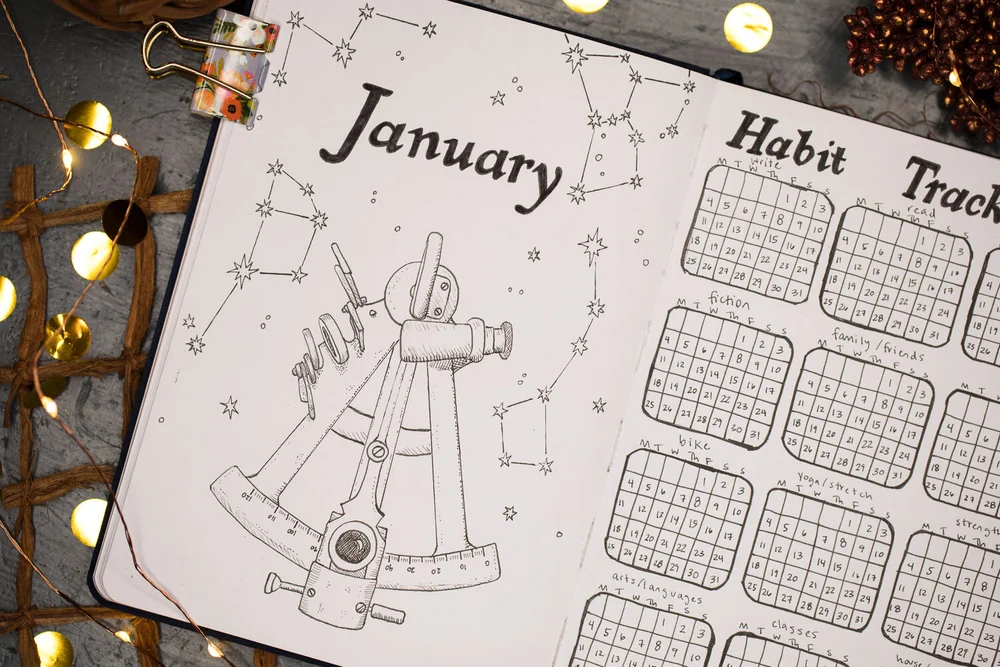
A sextant and constellations turn January into a visual theme about finding your bearings. Try fine ink lines on the header and use just one small star as the recurring mark for important entries. A simple pen illustration works well if you want a detailed cover with less decoration on the weekly pages.
4. A Snowflake Monthly Grid

Put a full January calendar beside small snowflake doodles, with distinct symbols for birthdays and appointments. Draw the grid first so you can see how much room your real entries need. If you live somewhere warm in January, replace the snowflake border with a seasonal detail that makes sense where you are.
5. A Spare Monthly Log

Keep the calendar simple when your month changes often. Pencil in longer events and use the right margin for tasks that aren’t tied to a date. This option is especially useful in a narrow notebook because abbreviations and a single column can do the work of a much larger decorative spread.
6. A Year-at-a-Glance Grid

Put twelve month boxes across two pages to see the whole year in one opening. This format is useful for birthdays and big deadlines, but short labels are easier to scan than full notes. Use an index or a tiny reference number if a date needs a longer explanation on another page.
7. A Six-Month Log with Color-Coded Dates

Draw six mini calendars across two pages and use one highlight color for the dates you need to spot quickly. Add a small key in the margin so you can remember what the marks mean when you return to the spread. Start with appointments or deadlines, and give recurring events a tiny dot if a second color would make the calendars too busy.
8. A Future Log on Black Paper
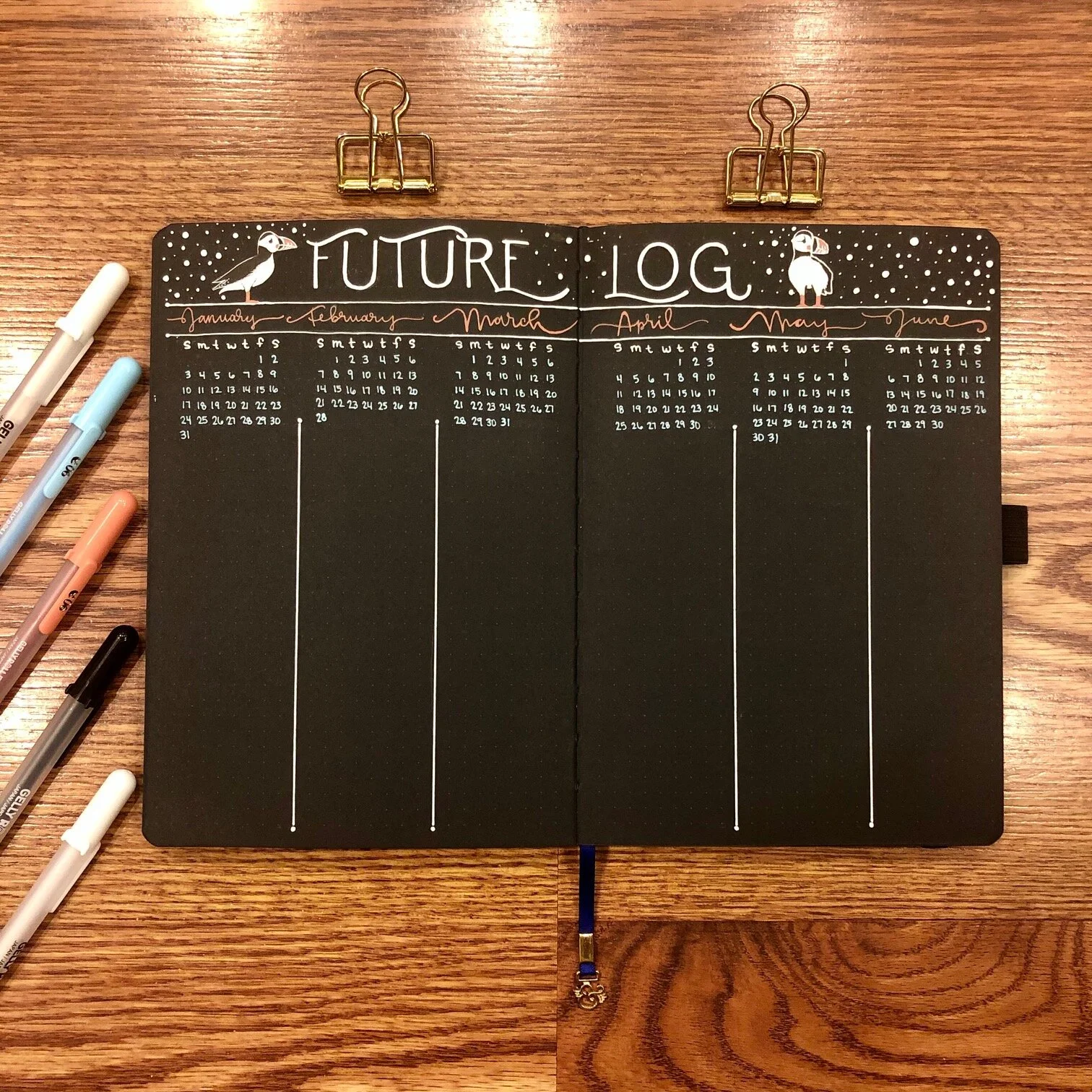
A blackout spread makes pale writing easy to distinguish when the pen has enough contrast. Try a small swatch first and wait for it to dry before drawing the dates. Use one ink color for the calendar and another for appointments so a striking design stays easy to read at a glance.
9. Mini Calendars Over Event Columns
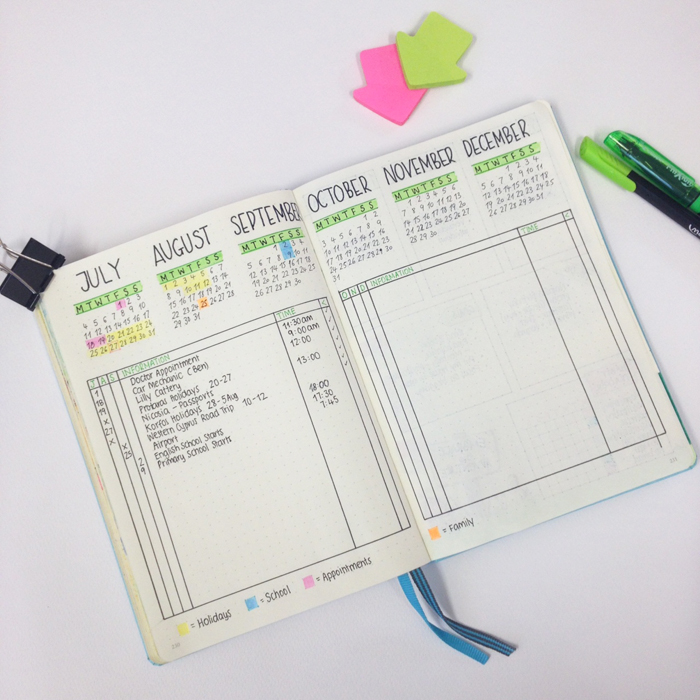
Stacking mini calendars above long columns gives every month both an overview and room to write. Draw an example appointment before deciding the column width. For a busy travel or birthday month, place the dates on the left edge and write the event names next to them as they come up.
10. Four Quarters of Goals

A goal circle for each quarter gives the year four clear starting points. Put a project or theme inside each circle and pick one small next action below it. If priorities change, revise the next quarter’s choices so the layout remains useful instead of becoming a record of old obligations.
11. An Annual Review for the Next Year
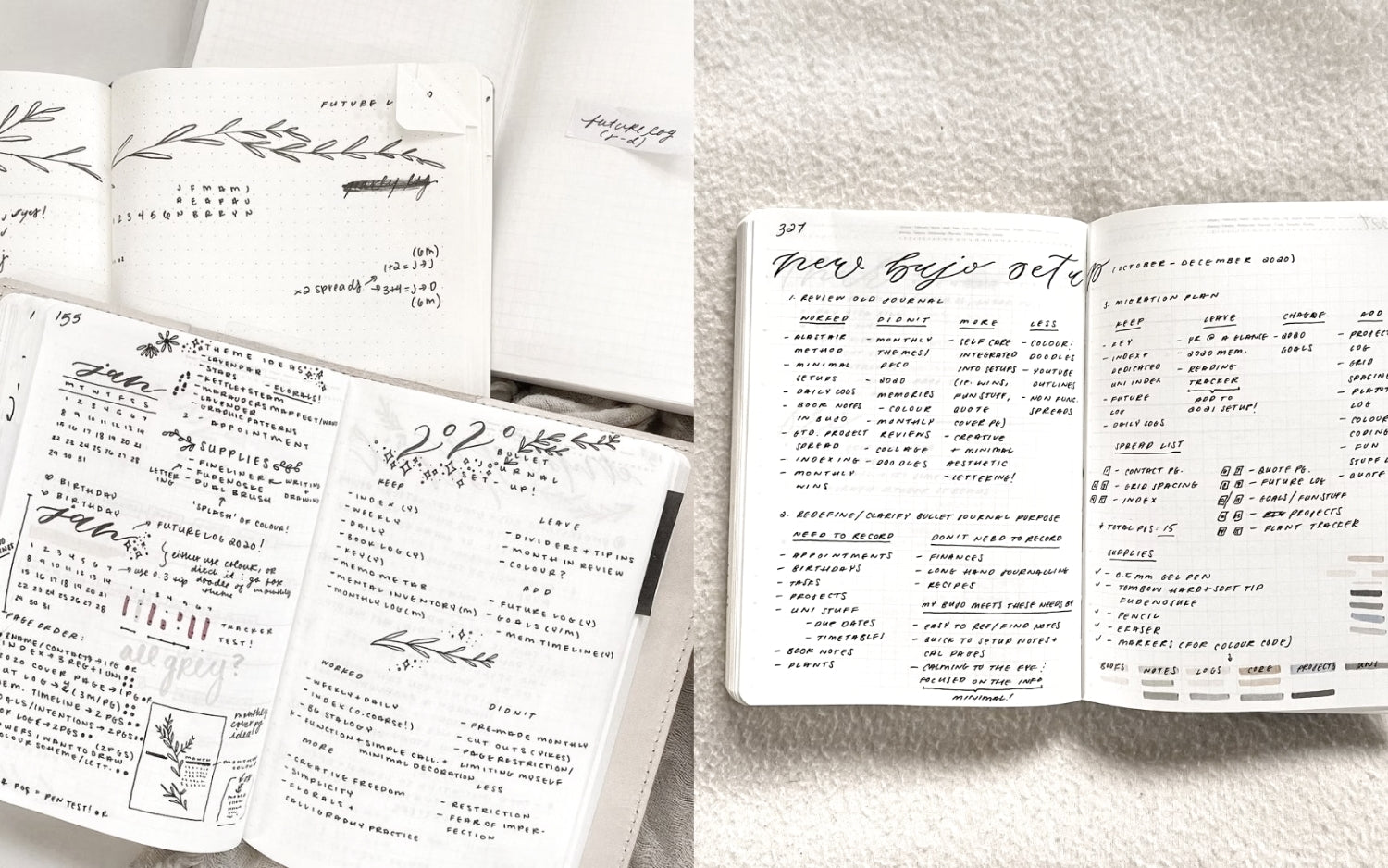
Reflect on what earned its place in your previous notebook before setting up a new one. Pick two prompts that matter, such as what helped you finish a project and what stayed on the list too long. Use those answers to choose one change for the first month of the year.
12. A Circle for Each Life Area
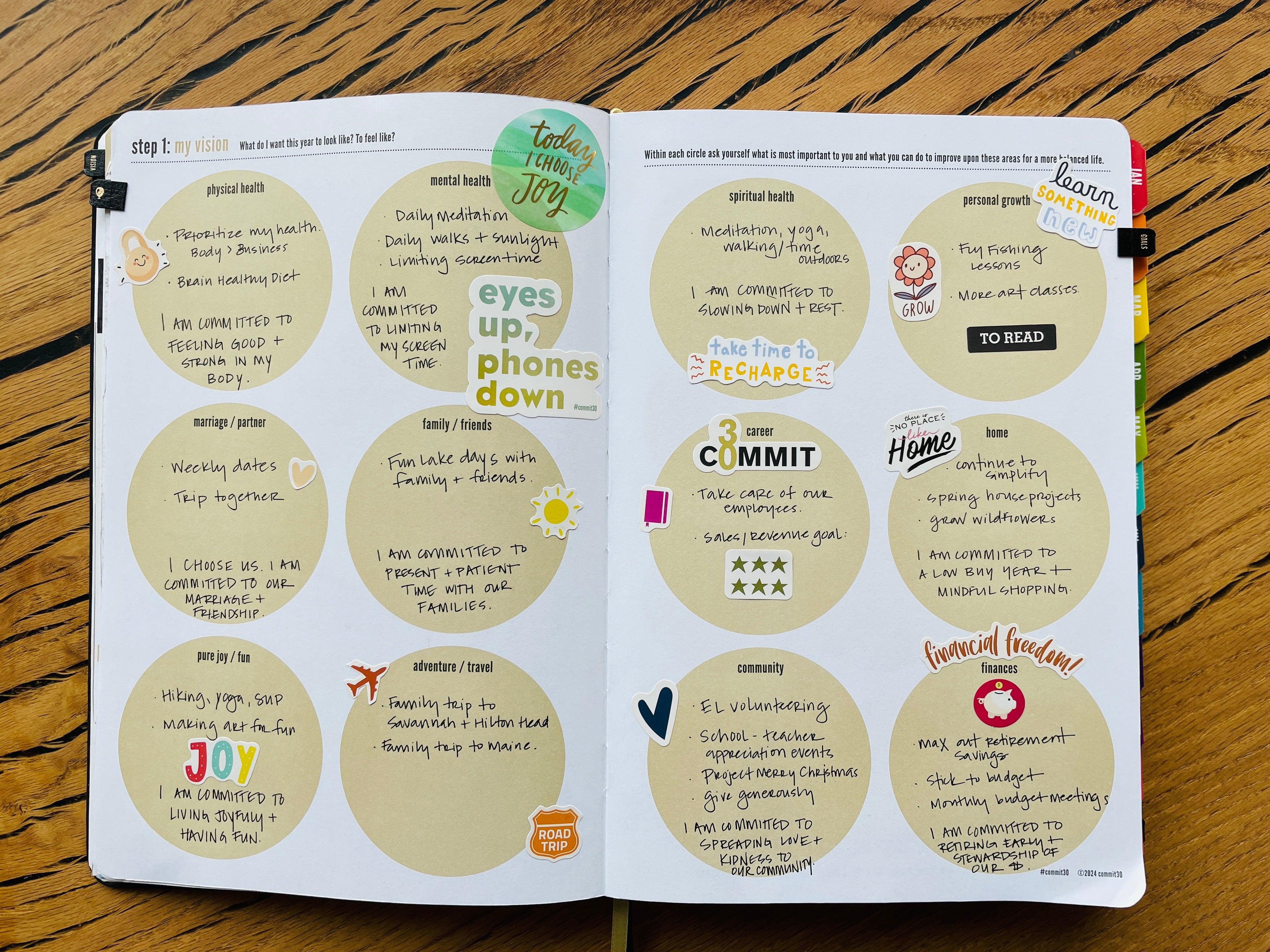
Small circles can hold a word or short intention for different parts of your year. Choose categories that reflect your own life and leave any unrelated ones out. Add a periodical check-in date on the opposite page so you can see which intentions still feel useful once everyday routines resume.
13. A Cut-Paper Vision Board

Build a vision board inside the journal with a few images that remind you of things you want to make or try. Arrange the pieces before gluing them and trim anything that crosses into the gutter. Leave a blank corner for an image or a thought you find later in the year.
14. A Theme Word with a Goal List

Give a single theme word space on one page and list small projects on the other. Keep one list for actions that can be done this month and a smaller space for ideas with no deadline. This division can make a creative theme easier to revisit on a busy workday.
15. A Watercolor Habit Key

Use light watercolor headings and a matching key to track a small number of habits. Test the paper in the back of your notebook before adding water to a finished grid. Set a forgiving mark for a partial day so the tracker records progress even when your plans change.
16. A Reading Goal Tracker

Give reading its own page if books are part of your yearly plans. Divide the space into groups you care about, perhaps library holds, gifts and titles already on your shelf. Leave a narrow column for the finish date so it’s easy to carry unfinished titles forward.
17. A Gallery of Books Read
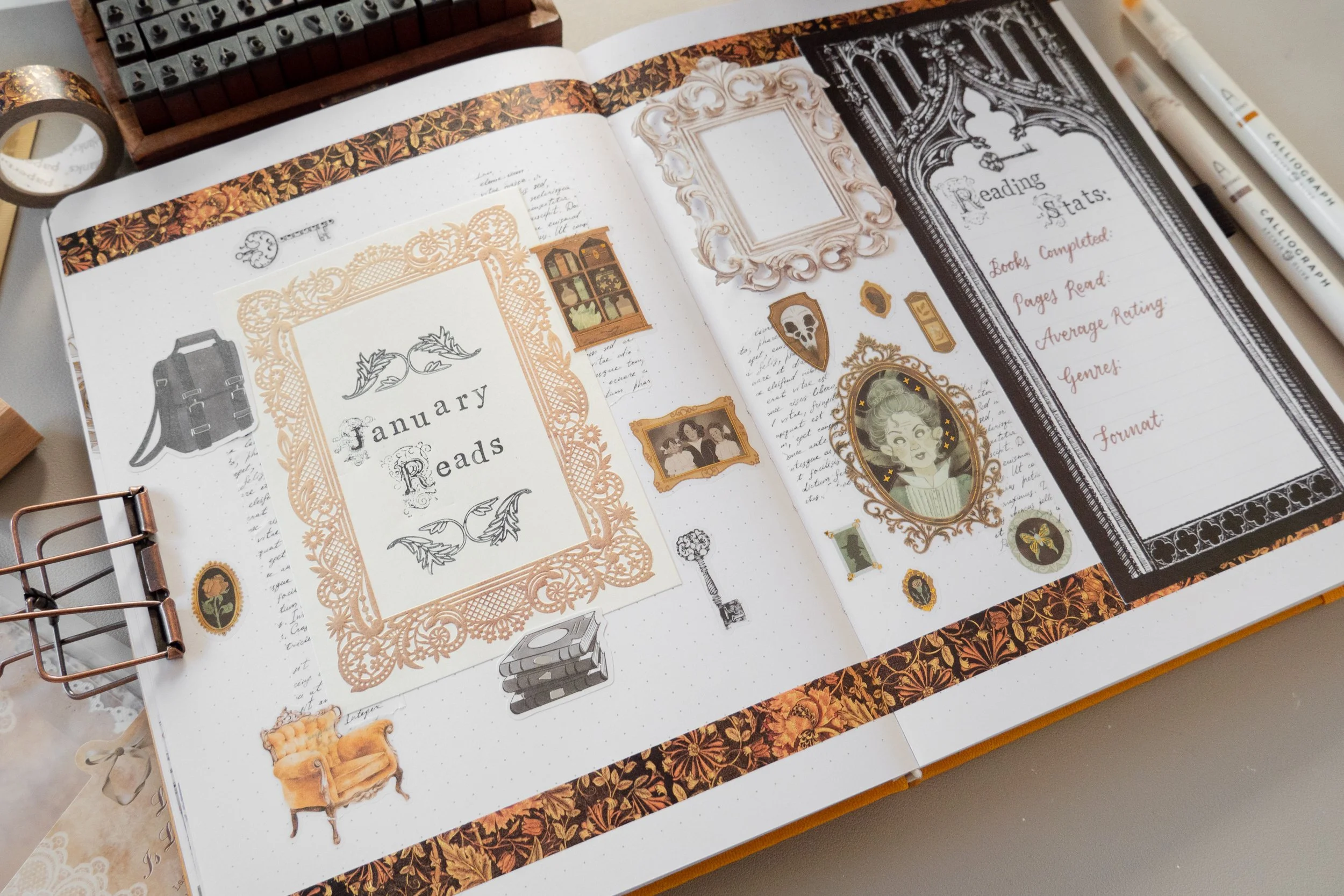
Draw a small frame for each book you finish and leave enough room for a tiny title or a quick sketch. The gallery format works nicely when your reading pace varies because you can add one frame at a time. Group them by month only if you want the month boundaries to be visible.
18. A Reading Log with Ratings

A list with star ratings is useful if you often forget what you liked about a book. Keep each rating beside a single note, such as a character you remember or a friend you’d lend it to. Turn the motif in the example into your own border and reserve plenty of writing room.
Keep Your Bullet Journal Useful All Year
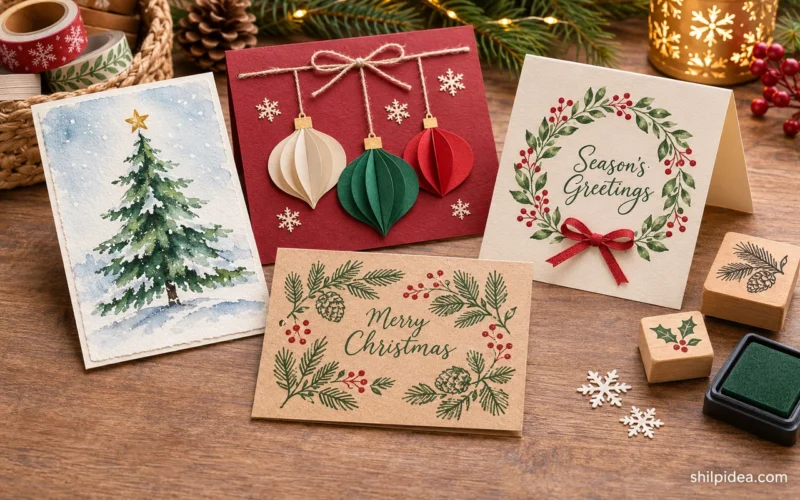
Once your future log is ready, try a daily spread for the plans you want to act on this week. Save interesting paper scraps for a page marker, or borrow a flower shape from a handmade card to decorate your next monthly cover. If your pens and tape keep getting lost, give the supplies you use most a spot within reach.
- Plan with Daily Journal Spreads
- Find Motifs in Quilled Cards
- Reuse Card Scraps for Tags
- Build a Small Pegboard Station
- Make Organizers for Journal Supplies
Which page would earn the first spot in your new journal? Tell us in the comments what you’d use it to track. If a spread helped you stick with journaling last year, we’d love to hear what made it easy to revisit.

























0 Comments