19 Mini Succulent Display Ideas for Desks and Shelves
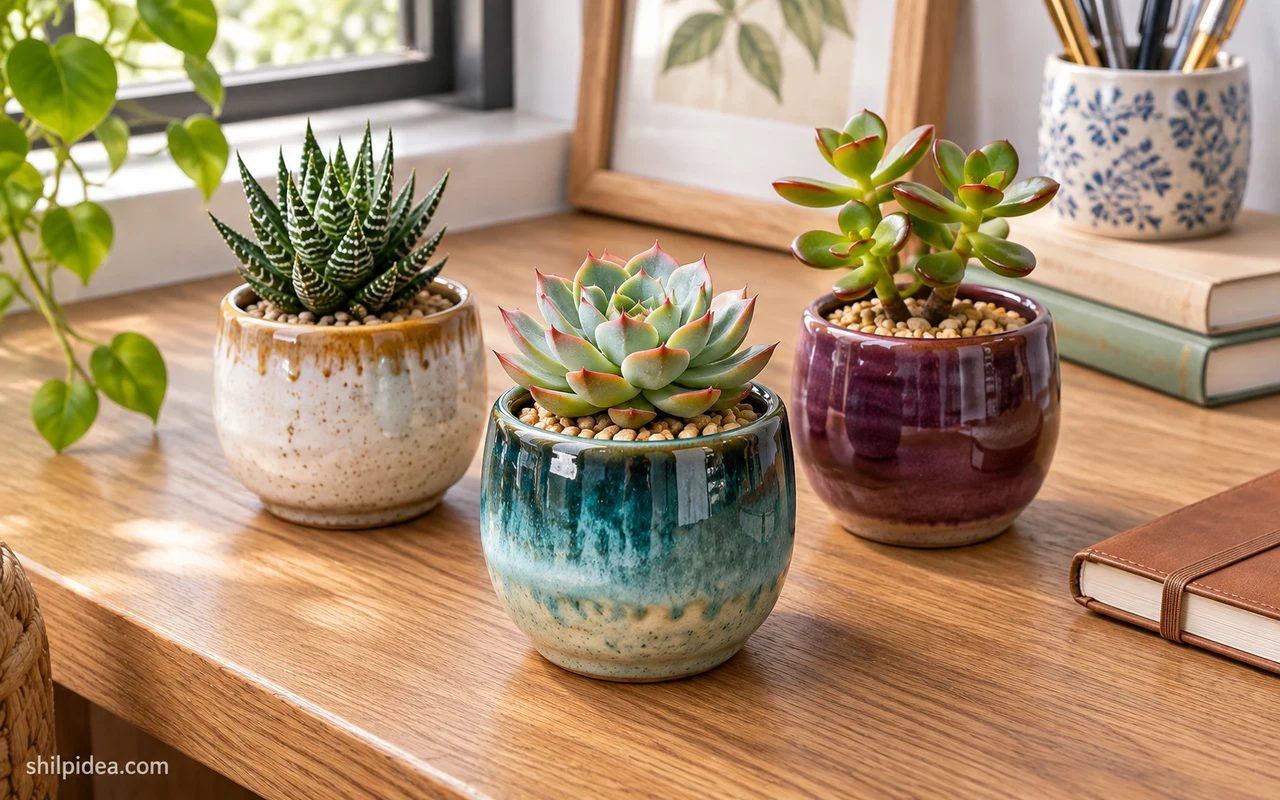
Mini succulents can add color to a desk or shelf without taking over the space. Start by finding the bright spot where your plants will spend most of their time.
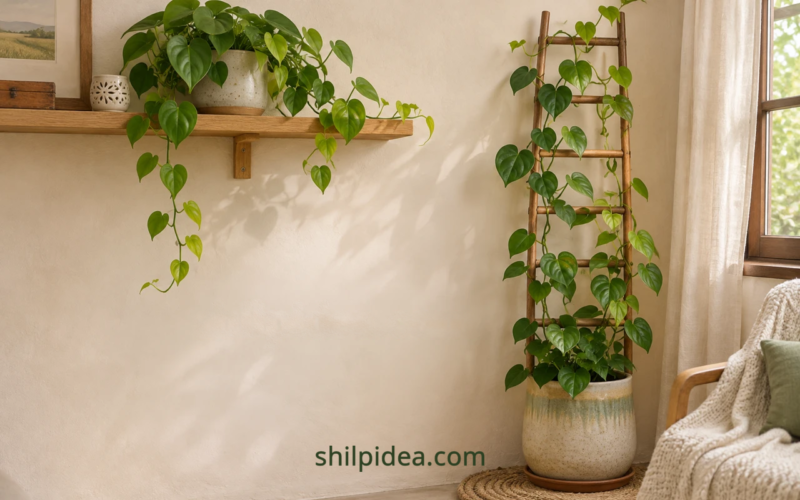
Individual nursery pots and small trays make a display easy to adjust. For a more vertical look, see these climbing plant displays.
These 19 ideas use pots, saucers, ledges and small stands to make each plant visible. If a cup or dish fits your space, get more inspiration from these old dish upcycling ideas.
1. Line Up Tiny Terracotta Pots
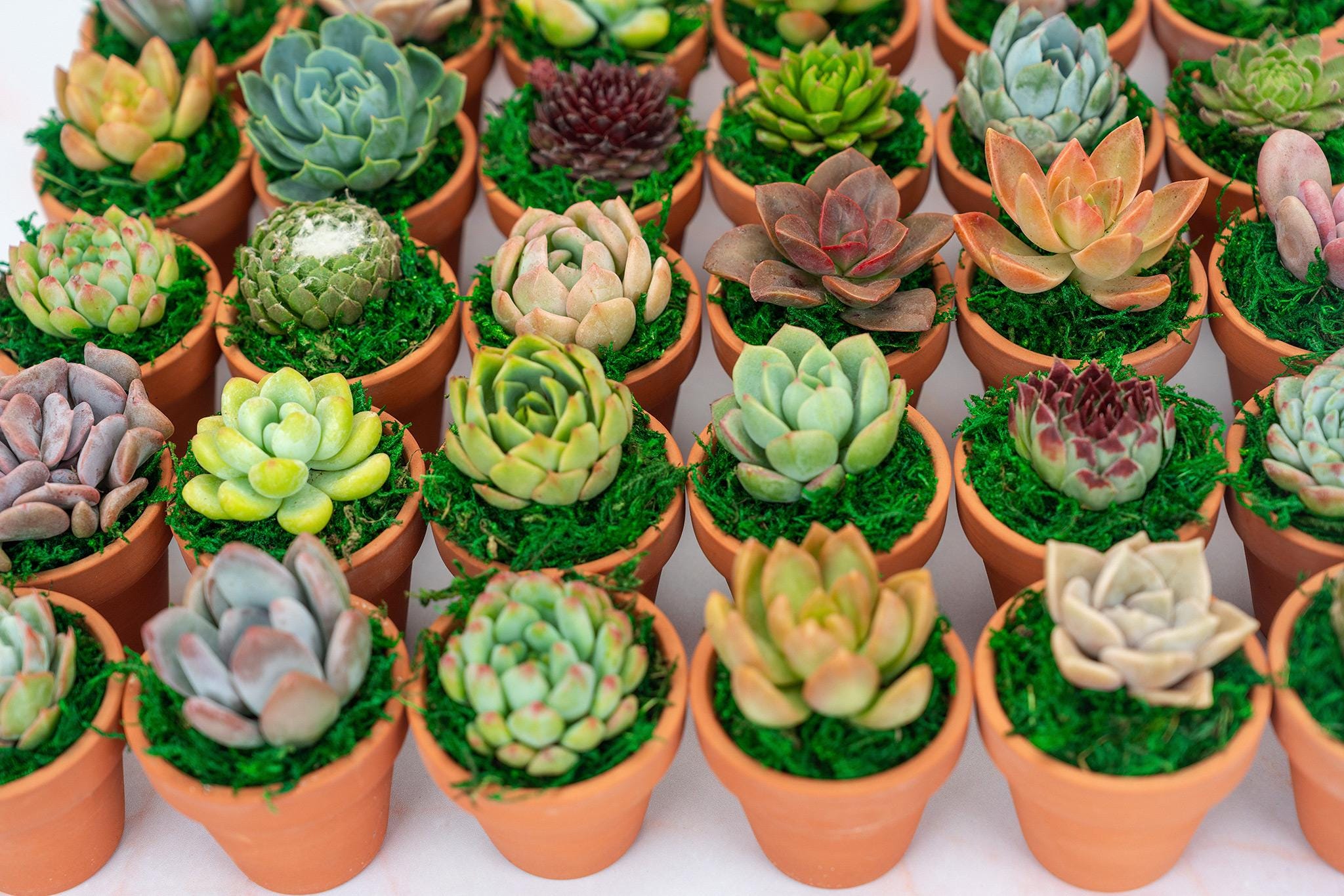
Use a narrow saucer or tray to give small pots a clear boundary on a desk. Repeat the terracotta finish and vary the leaf shapes so each plant keeps its own silhouette. Leave enough room to lift one pot at a time.
Shilpidea tip: Check each pot before watering, since neighboring plants can dry at different rates.
2. Set a Nursery Pot Inside a Teacup

Look for a cup wide enough to hide a miniature nursery pot without gripping it tightly. Lift out the inner pot when you water and let it drain before putting it back. The cup adds color and a handle without a repot.
Shilpidea tip: A saucer under the cup helps it feel like a deliberate desk display.
3. Gather Three Planters on One Wooden Base
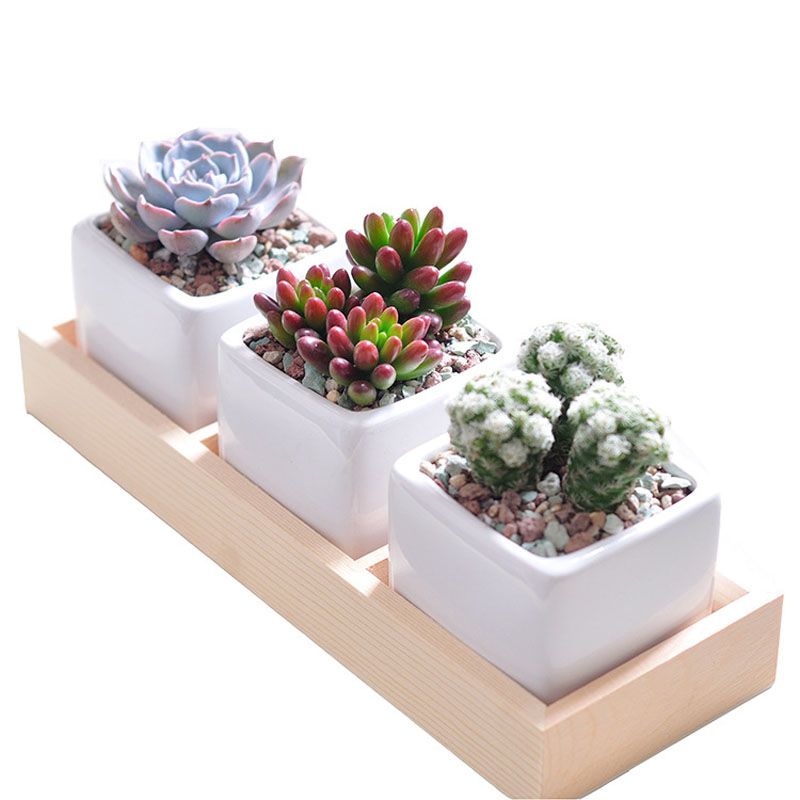
A common wooden base makes three small plants read as one display. Put the tallest plant at the far end of the desk so it leaves the work surface clear.
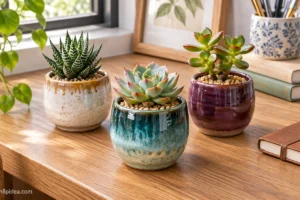
Shilpidea tip: Lift the pots out to water and dry the base before returning them.
4. Use a Floral Cup for a Single Rosette
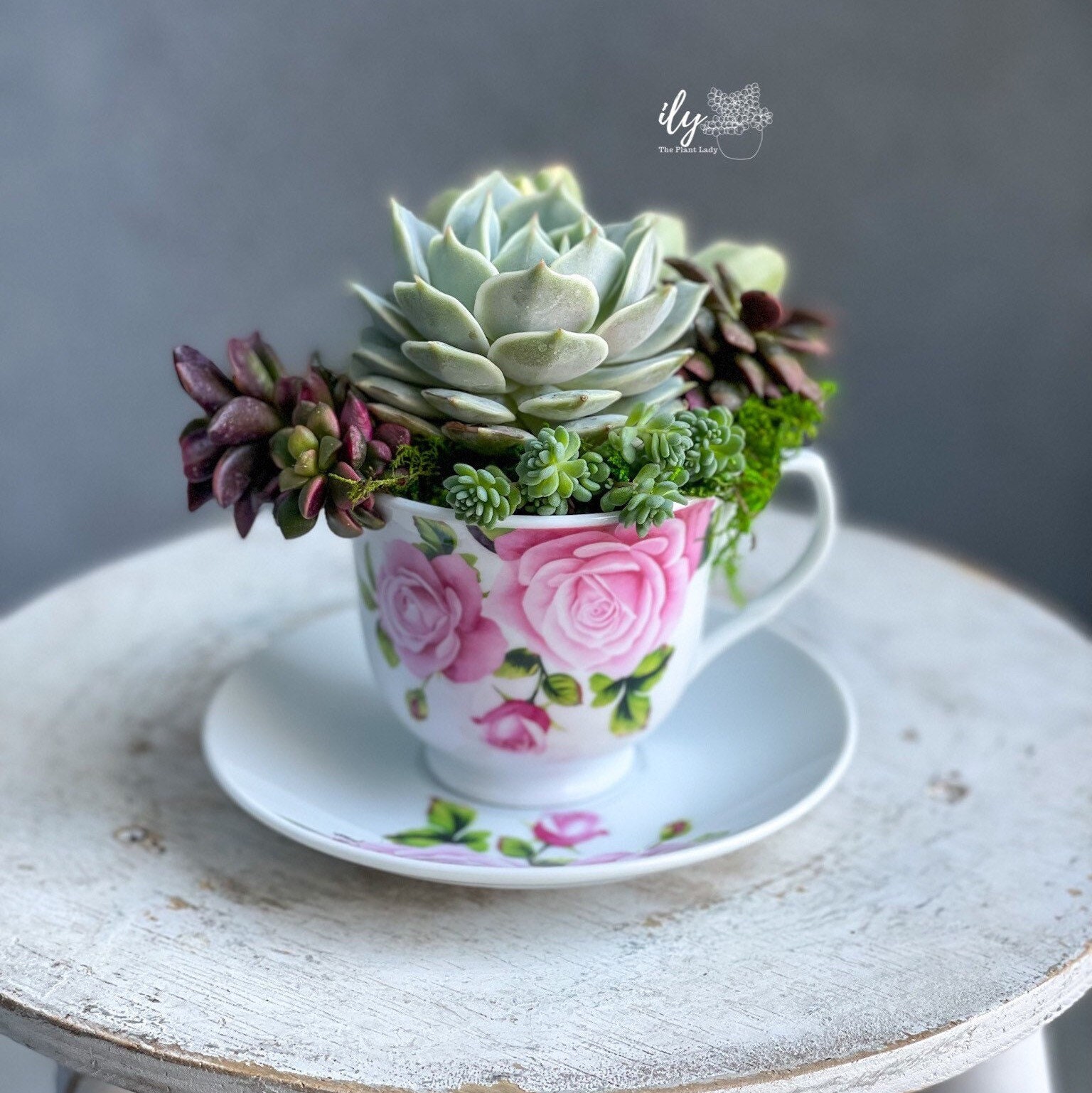
A single rosette leaves the painted roses on the porcelain visible. Use a small inner pot that lifts out for watering.
Shilpidea tip: Turn the handle toward the open side of the shelf so it does not knock into a neighboring pot.
5. Stagger Three Pots on a Windowsill
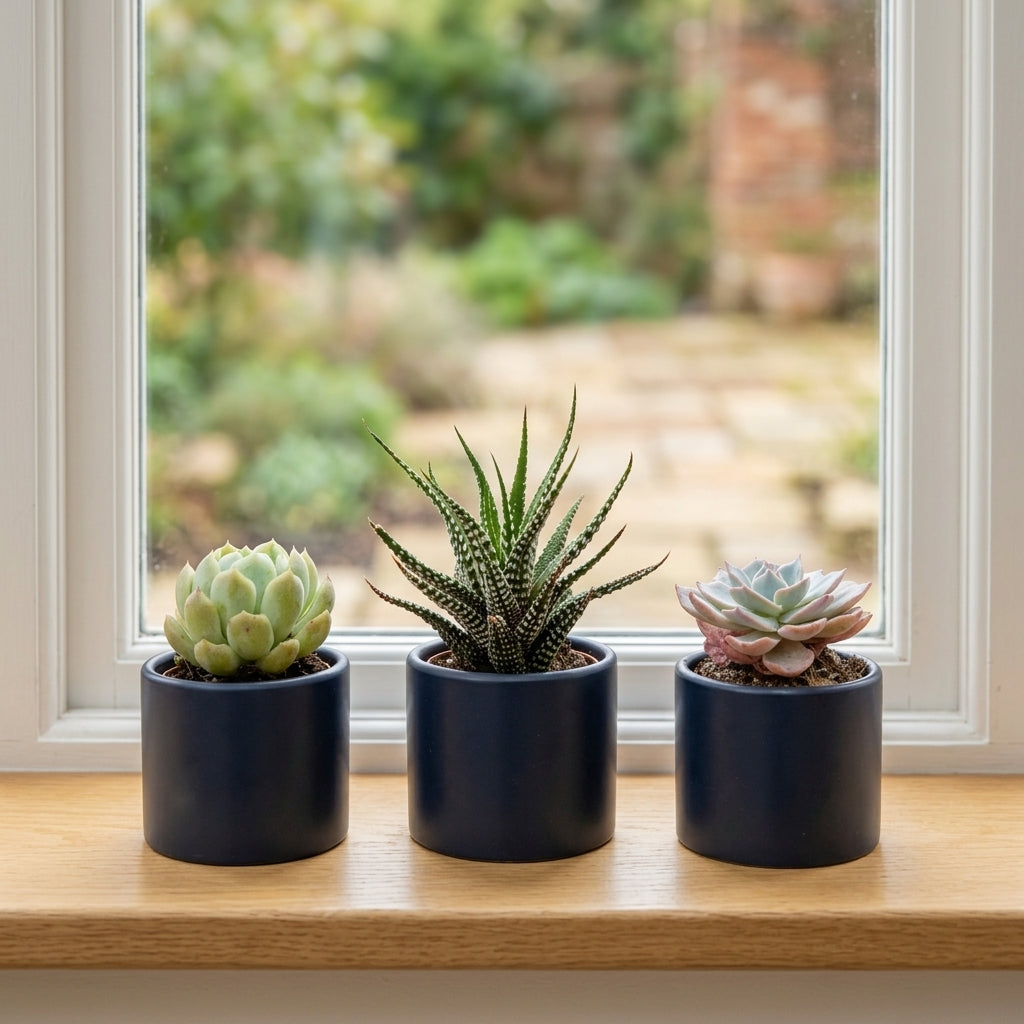
Raise one small pot on a low stable riser so a taller plant can sit beside it without obscuring the smaller rosette. Keep the bases wholly on the sill. Leave a gap behind the leaves so they do not press against the glass.
Shilpidea tip: A narrow tray keeps the pots together during cleaning.
6. Hang a Mini Trailing Pot Near the Window
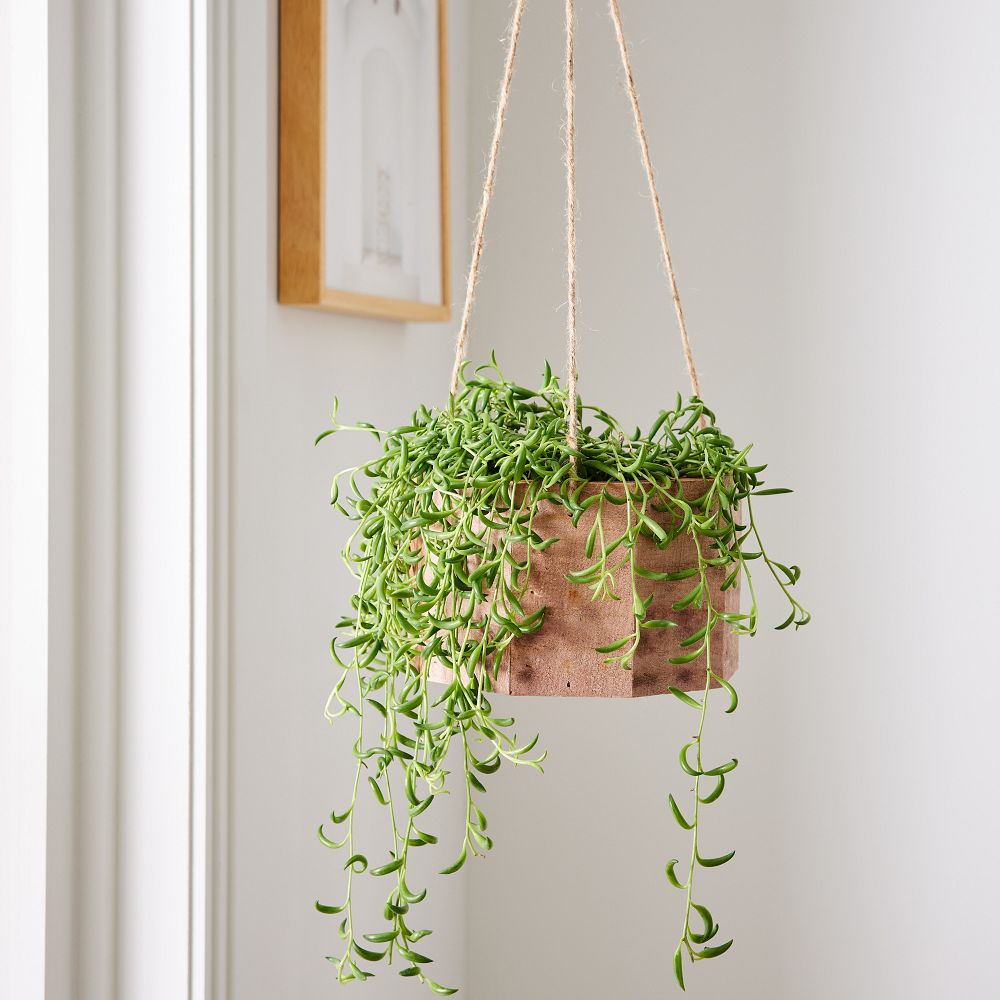
A trailing plant finds display space above a desk where there is little room for more pots. Set the hanger at a height where you can lift the pot down without standing on a chair. Keep delicate stems away from the window latch.
Shilpidea tip: Water at a sink and let the pot finish draining before rehanging it.
7. Contrast Striped Leaves With a Black Pot
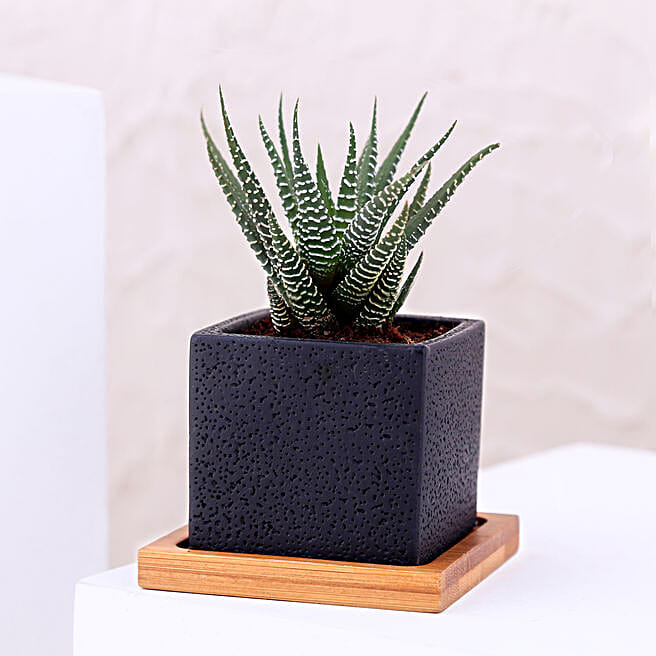
Dark pottery makes the pale markings on a compact haworthia stand out. Give the angular pot a little breathing room and place it where you can see the leaves from above.
Shilpidea tip: A coaster protects the desk when you lift the pot.
8. Fit a Shallow Rectangle Along a Shelf
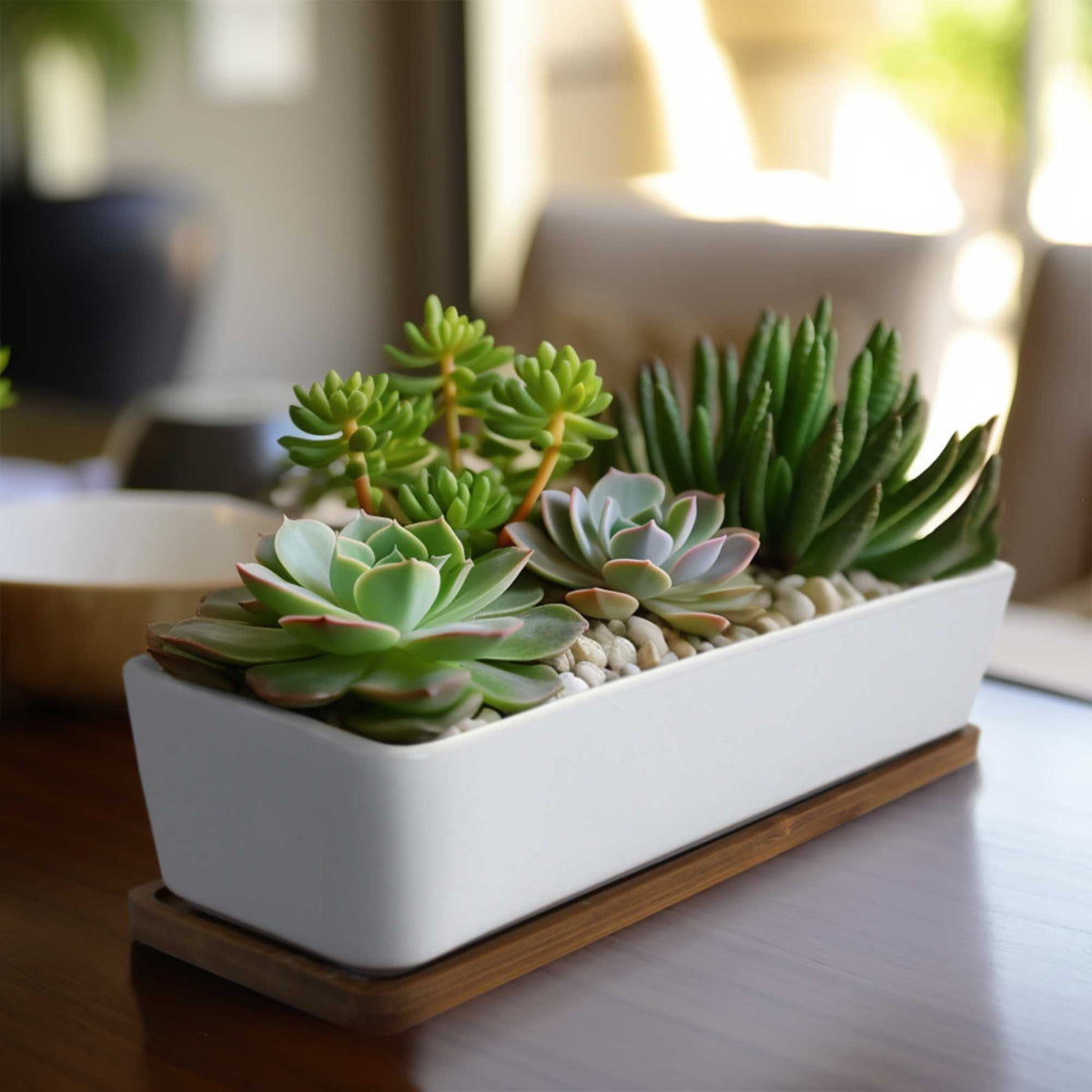
A short rectangular planter makes use of horizontal shelf space while leaving taller objects visible behind it. Choose small plants with similar light and watering needs if they share a container.
Shilpidea tip: For more flexibility, use separate pots inside an open rectangular tray so you can move each one to a brighter position when needed.
9. Build a Removable Ledge Box
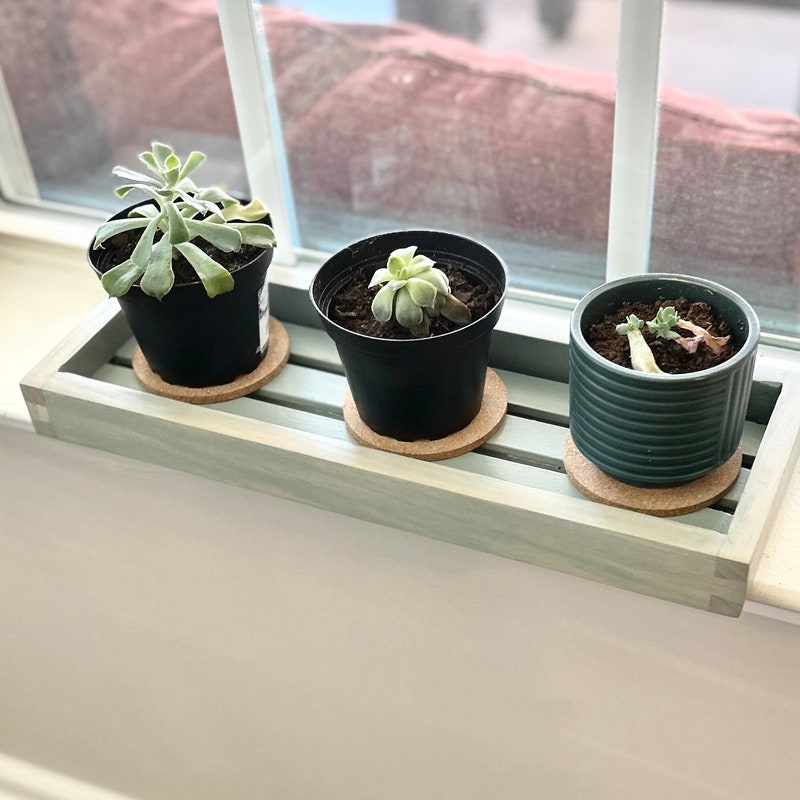
Set a few individual pots inside a narrow decorative box and use spacers to keep them upright. A removable insert is helpful if you like to rearrange plants seasonally. Choose a ledge where the full box sits flat.
Shilpidea tip: Leave enough space above the plants to lift each pot out without brushing neighboring leaves.
10. Frame a Pale Rosette With Concrete
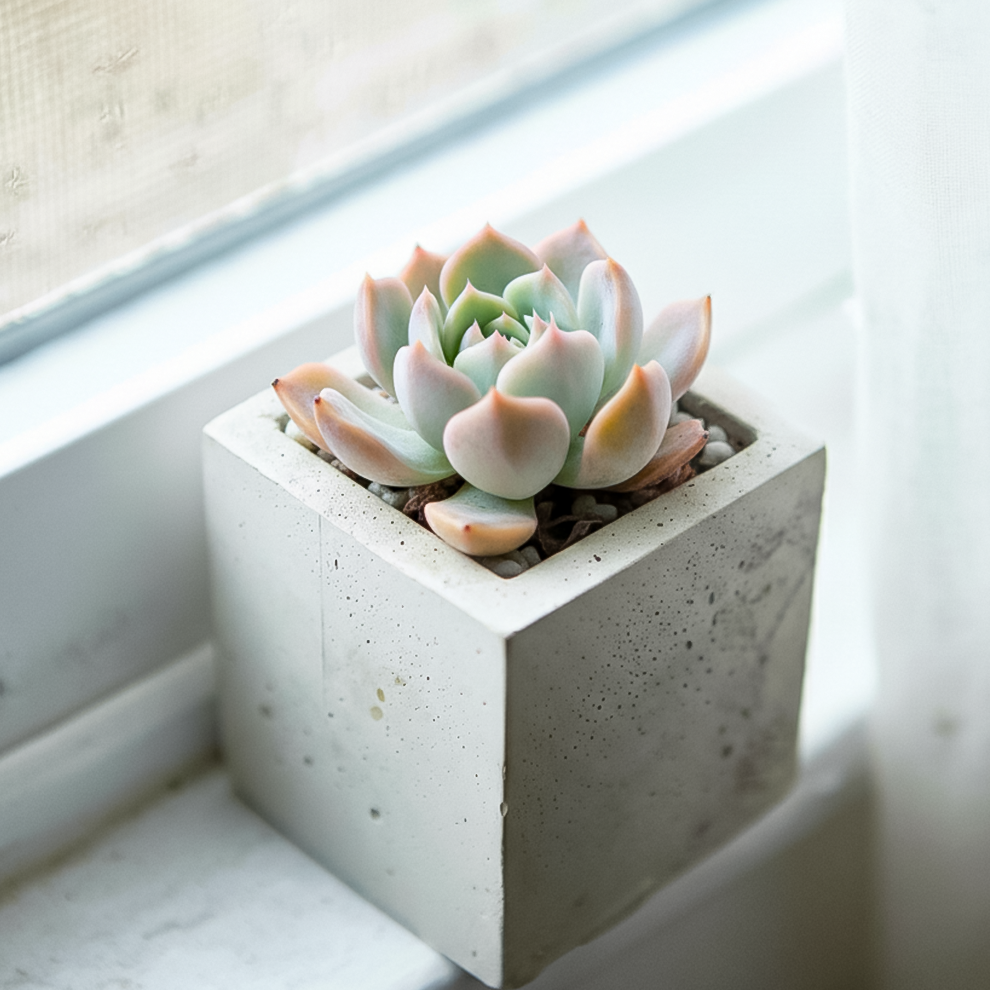
A matte concrete pot can make the soft color of a pale rosette easier to see. Compare the pot and plant from sitting height before committing. If the rim cuts across the leaves, place a shallow insert underneath the nursery pot.
Shilpidea tip: Keep the concrete off delicate surfaces with a stable protective saucer.
11. Pair Two Tiny Mugs
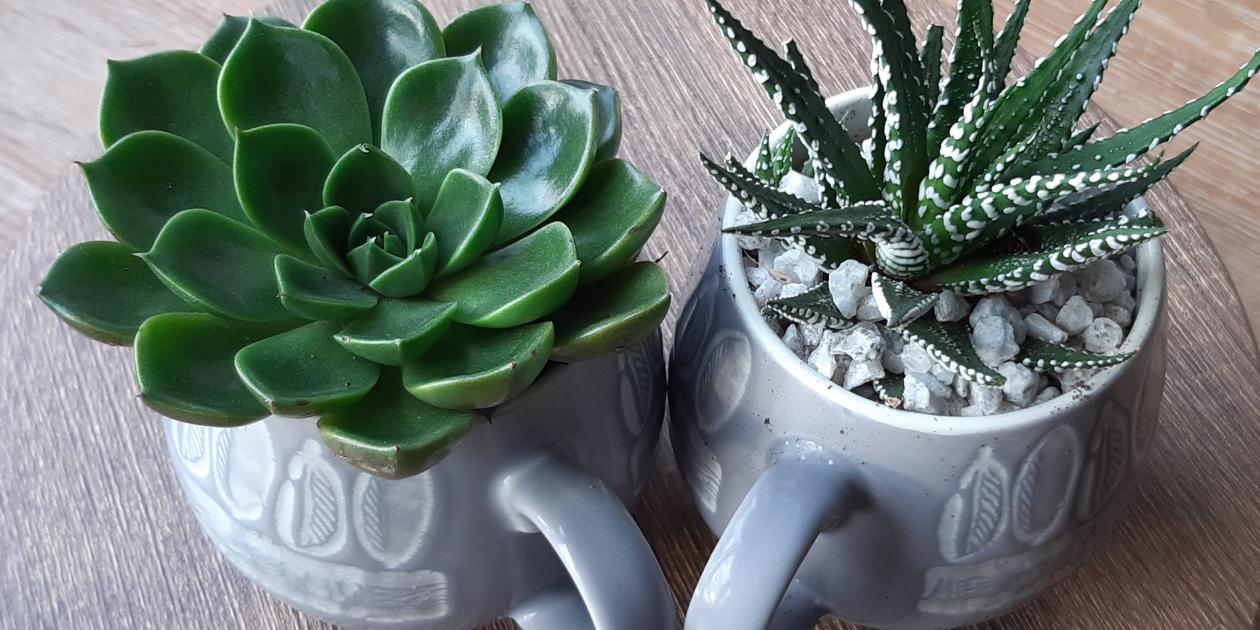
Use a pair of sturdy mugs as cover pots for two compact plants. Point the handles outward if the pair sits alone or line them up if they sit among books. For a less busy display, pick cups with one shared color.
Shilpidea tip: Take the nursery pots out to water and wipe any standing moisture from the cups.
12. Put a Spiky Rosette Against a Rounded Pot
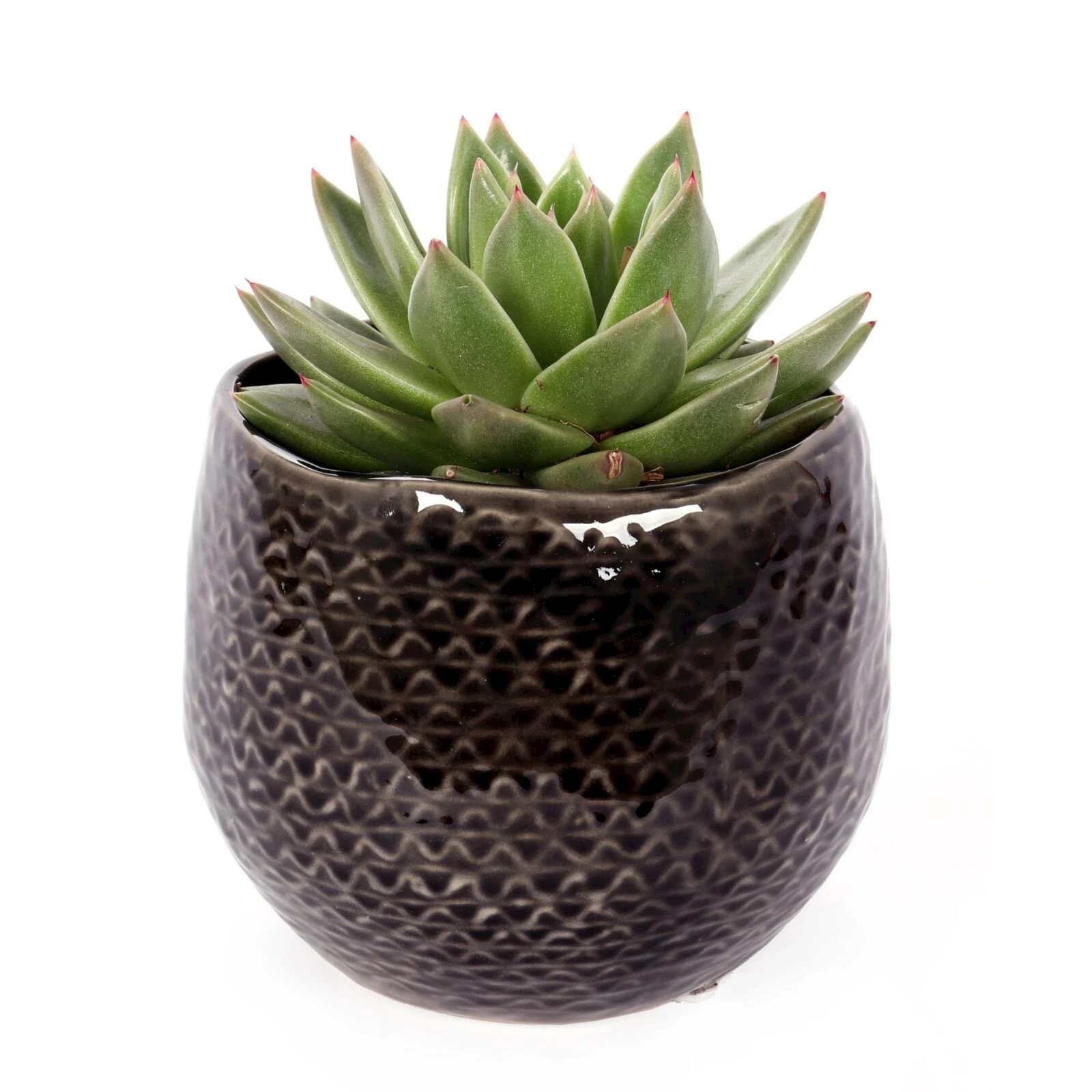
A pot with a soft outline can make an angular plant stand out. Choose a vessel whose top is wide enough that the leaves do not rub against the rim. Display it alone near the front of a bright shelf for a clear silhouette.
Shilpidea tip: Keep a second contrasting plant farther back if you want more depth.
13. Group Different Leaf Shapes in a Low Bowl

Start with one upright silhouette, one rosette and one plant that softens the edge. Use a shallow outer bowl to gather separate pots if the plants have different watering needs.
Shilpidea tip: Leave space around the rims so each pot lifts out easily.
14. Give One Tiny Clay Pot a Place of Its Own
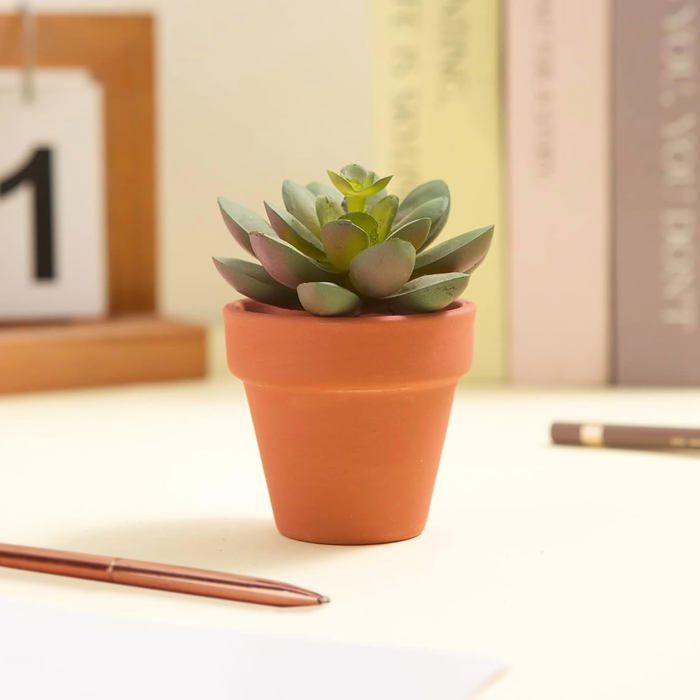
An unglazed clay pot can make a single plant feel intentional on a crowded desk. Put a washable saucer beneath it and check the underside after watering.
Shilpidea tip: Keep paper and books a little way back from the rim.
15. Keep Living Stones in a Separate Pot
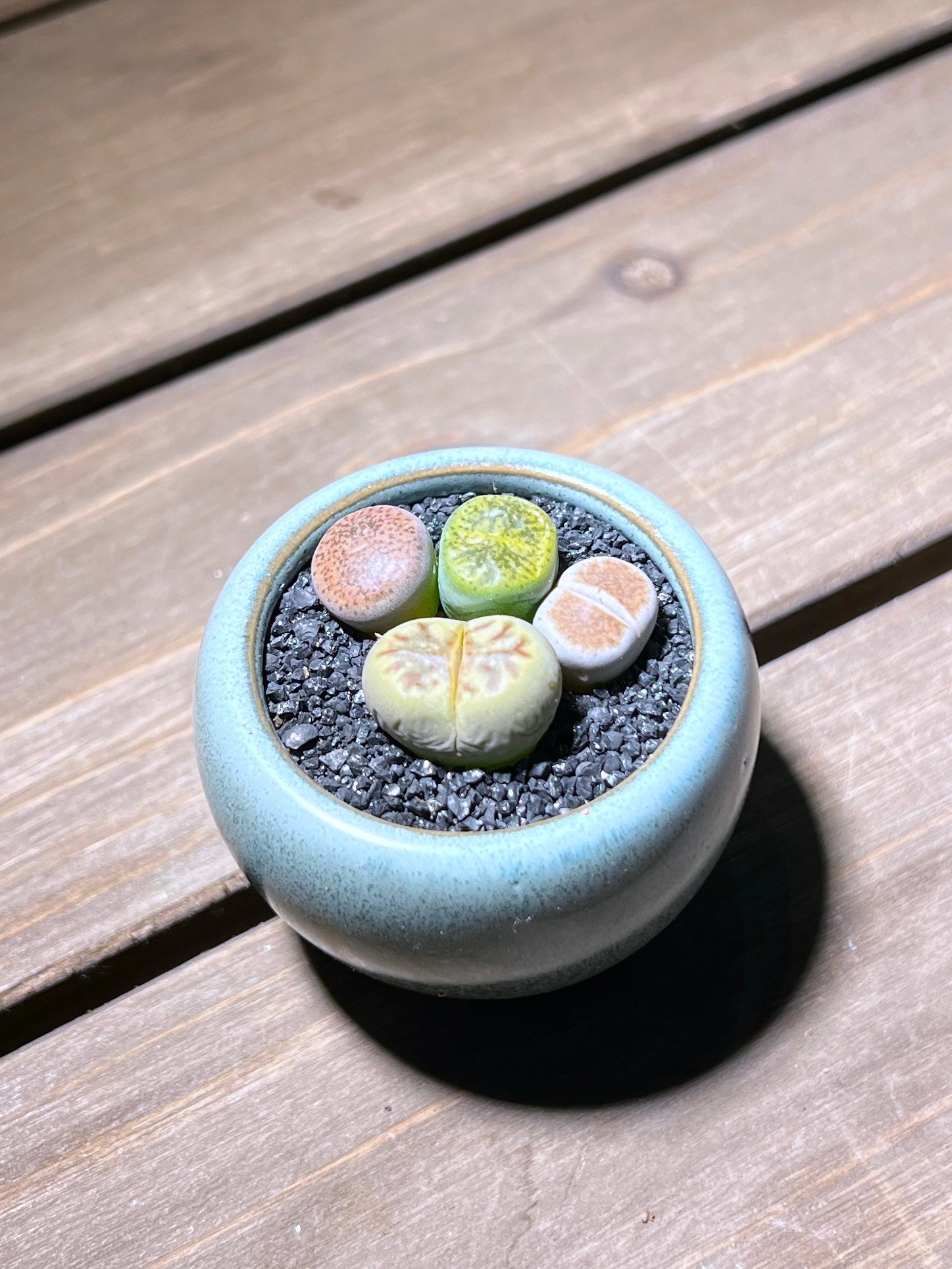
Give living stones their own small pot so you can follow their care cycle separately from other succulents. Use a low container and an open view so the tiny patterned tops remain visible. Do not copy a neighbor pot’s watering schedule.
Shilpidea tip: Check species-specific guidance before you add water, especially during a leaf change.
16. Pair a Jade Plant With a Ribbed Pot
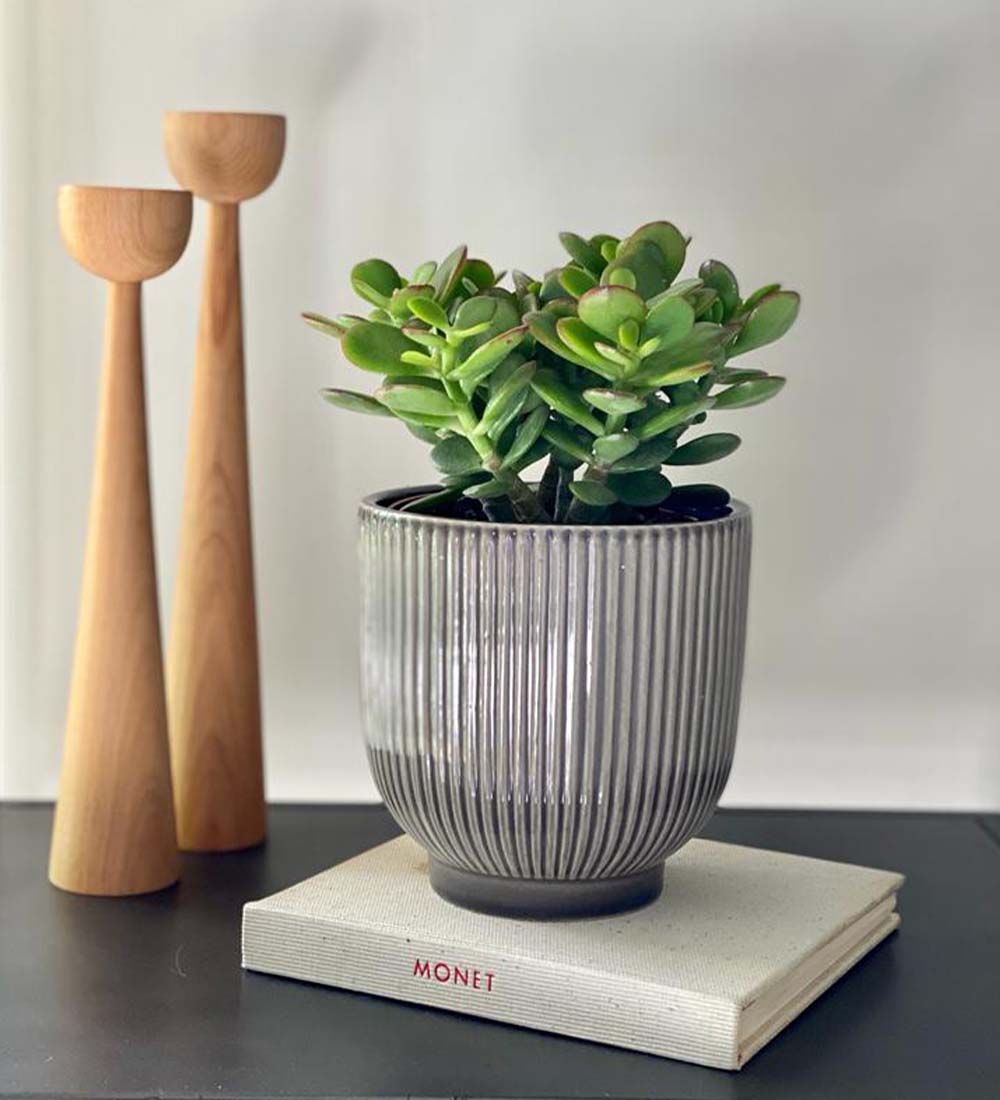
Rounded jade leaves look especially clear against a pot with straight vertical ridges. Stand it beside a book or small object for scale.
Shilpidea tip: Move it off the shelf for watering and return it only after the base is dry.
17. Slip Mini Pots Into Woven Sleeves

Small matching sleeves give a group a warmer texture. Choose sleeves wide enough to lift out the inner pots and keep the weave dry when watering. Line up the baskets loosely across a shelf or group them in a triangle.
Shilpidea tip: Give the leaves enough space to grow without overlapping or getting caught on the weave.
18. Display Small Offsets as a Nursery
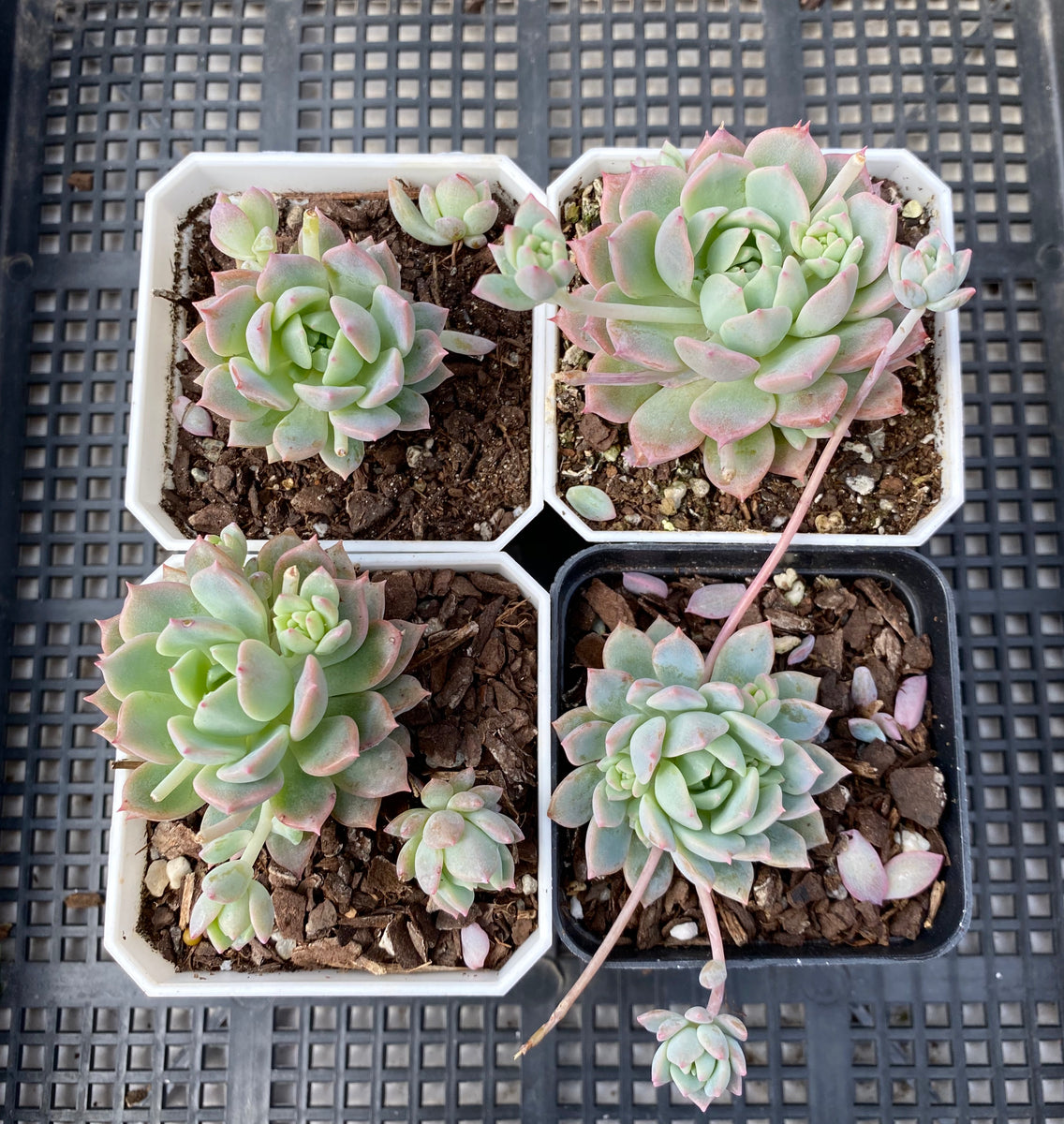
Set young offsets in separate pots and keep them together in a shallow nursery tray so they are easy to check. A low card with the date and plant name helps you keep track. Leave room to move faster-growing babies to their own spot.
Shilpidea tip: Follow propagation instructions for the specific plants you choose.
19. Turn a Bright Shelf Into a Grow-Light Station
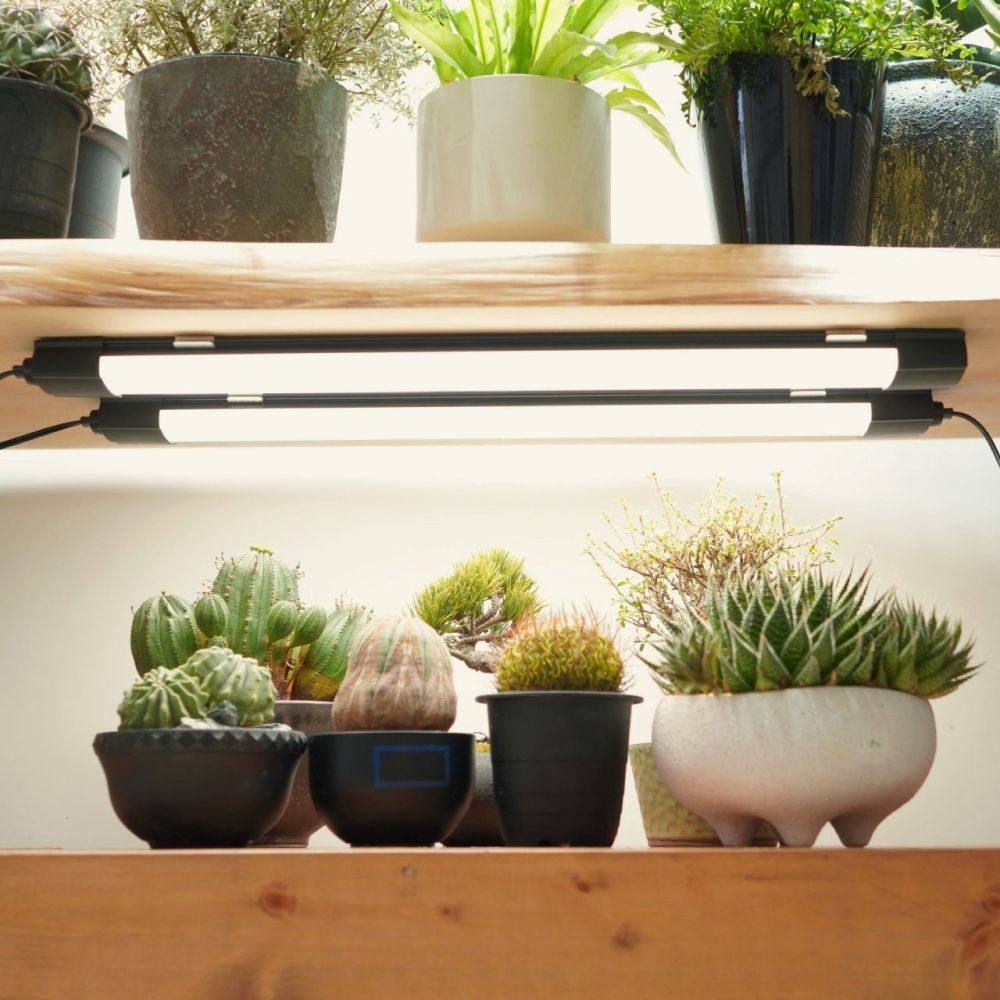
A shelf away from the window can hold a compact display if you add an appropriate grow light. Set the lamp and timer according to the manufacturer and the needs of the plants. Keep cords away from the watering area.
Shilpidea tip: Group plants with comparable light preferences so you can position the fixture for the whole shelf.
Plan for Light and Drainage First
Choose light and watering based on the plant. A display container can conceal a pot with drainage holes, but lift out that pot for watering and empty standing water before replacing it. For a new plant, start with the Almanac’s succulent display and care guidance.
Pick a Display You Can Water Easily
Choose one bright spot and try moving a small plant into it before you assemble a whole group. Check that you can reach the plant, lift its pot, and wipe the surface around it. Once that feels easy, add a second pot with a different leaf shape or put the two together on a narrow tray.
- Old Dish Upcycling Ideas
- Climbing Philodendron Display Ideas
- Wood Wall Decor Ideas for a Natural Look
Where would a tiny succulent fit in your home, and how much light reaches that spot? Tell us in the comments which pot or shelf you would try and how you would make watering easy.





0 Comments