22 Fabric Quiet Book Design Ideas with Tactile Details
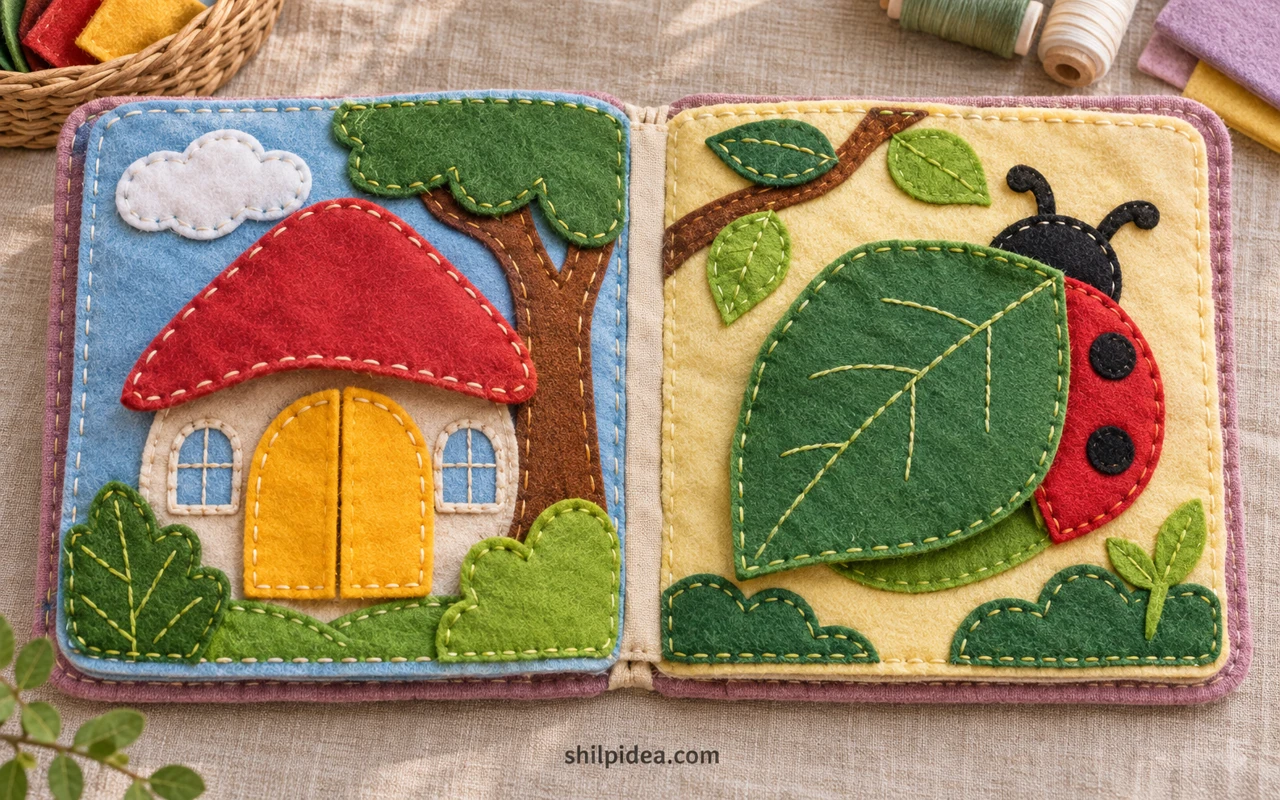
A fabric quiet book gives little hands something to lift, trace or match. Begin with one action per page so the shapes and textures are easy to explore.
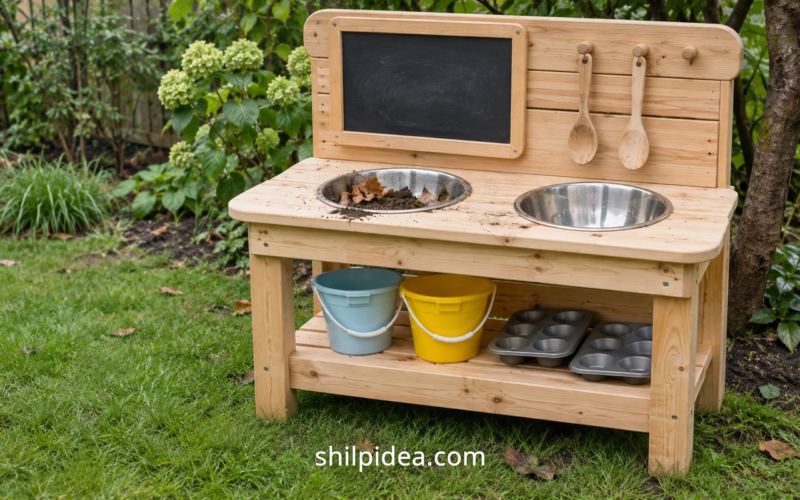
Felt, closely woven fabric and simple stitching can turn an ordinary scene into play. If you like making open-ended activities, see these mud kitchen ideas for creative play.
These 22 designs show how to use a few tactile details at a time. Carry an autumn color into your book with inspiration from this Thanksgiving garland collection.
1. Sew a Starfish With Textured Arms

Make the starfish large enough for a child to trace around it with a finger. Vary the fabric on two arms or sew raised lines along them so the difference can be felt. Keep the points soft by rounding the ends in your template. For a simpler page, use one starfish on a plain background without small decorations.
2. Make an Ocean Search Page

Use a whale shape as the starting point for a search game. Show a few large ocean shapes behind a stitched flap or through a soft window, then ask the child to point to one at a time. For a small child, skip loose fillings and sew the motifs in place. Keep the number of shapes low so the game has a clear starting point.
3. Match Color Panels on a Balloon

Use the curved sections of a hot air balloon to repeat a few easily distinguished colors. Give each section a different stitched outline so a child can also compare its shape. Make the basket from another texture to separate it from the balloon. For a version with no removable pieces, turn the panels into wide flaps sewn along one edge.
4. Hide Sea Shapes at Submarine Windows

A row of submarine windows gives the page a simple pattern to explore. Try sewing a fish shape under one flap and a shell under another, then leave one window open as a visual clue. Make each flap easy to grasp along an exposed edge. Keep details large enough to read even if you simplify the original designer’s fastenings.
5. Open a Pelican’s Beak to Find a Surprise

An opening beak can reveal a fabric fish or a contrasting inner color. Make the reveal large and let the texture do part of the work. If your version uses a sewn flap instead of a zipper, leave a broad edge a child can lift. A plain background keeps the bird easy to find and gives you space to stitch around its shape.
6. Make a Road to Follow With a Finger

Sew a road across the page with two or three changes of direction and a clear destination. A slightly raised stitch line gives fingers a path to follow, even without a detachable car. Leave space between corners and avoid crossing the road with too many background details. Add a garage or a house at the finish for a simple story prompt.
7. Use Large Pieces to Make a Plane Shape

A plane breaks into a few easy-to-see shapes, such as a body, wings and tail. Sew the pieces as hinged flaps over a contrasting silhouette when you want everything to stay attached. Keep the outlines bold enough that it is easy to see where each piece belongs. Start with two parts if a bigger puzzle is frustrating.
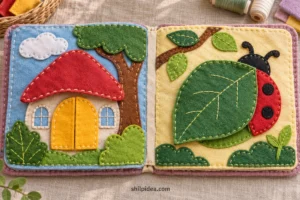
8. Build a Ladybug Trail Through the Garden

A simple maze gives a finger a path to travel from a leaf to a flower. Start with a few wide turns and repeat visible markers at the beginning and end. Make the lines from contrasting stitches or fabric so the route can be seen and felt. Use a fully sewn route for a young child instead of leaving loose maze pieces.
9. Reveal a Hippo’s Teeth

A wide hippo mouth makes room for a row of large tooth shapes. Sew them in place under a soft flap, then use the page to point to teeth or talk about brushing. Leave a contrasting color around the mouth so the flap is easy to find. One row can be enough when you want to keep the sewing simple.
10. Match Mittens by Color and Pattern

Sew two large mittens from fabrics with clearly different patterns, then make simple cuffs that a child can feel. Add a matching patch beside each mitten as a clue. If you want a reveal, tuck the patch beneath a wide flap. Try using one striped fabric and one solid fabric instead of relying on two shades that look similar in low light.
11. Make a Clock With Big Hour Marks

A large round clock face makes its numbers easier to see than a clock surrounded by several other activities. Use bold fabric marks at a few hours while a child is getting familiar with the shape. For a version without moving parts, embroider the hands and make a matching page showing a different time. Use the two pages to talk about a simple daily routine.
12. Use Watermelon as a Counting Picture

The wide red wedge and pale edge of a watermelon make it easy to separate the counting area from the rest of the page. Sew a few large seed shapes firmly onto the red fabric. Leave space between them so a child can touch each one once. Five or fewer shapes work well for a simple page with a clear beginning and end.
13. Follow a Mouse’s Route to Cheese

Use a bright mouse and a cheese shape to mark the ends of a short path. Make the path curved enough to feel different from a straight seam and keep the route visible across a plain background. If you want a tactile finish, sew a raised cloth patch at the mouse’s destination. A short route is easier to follow than several competing trails.
14. Make a Fire Station Cover
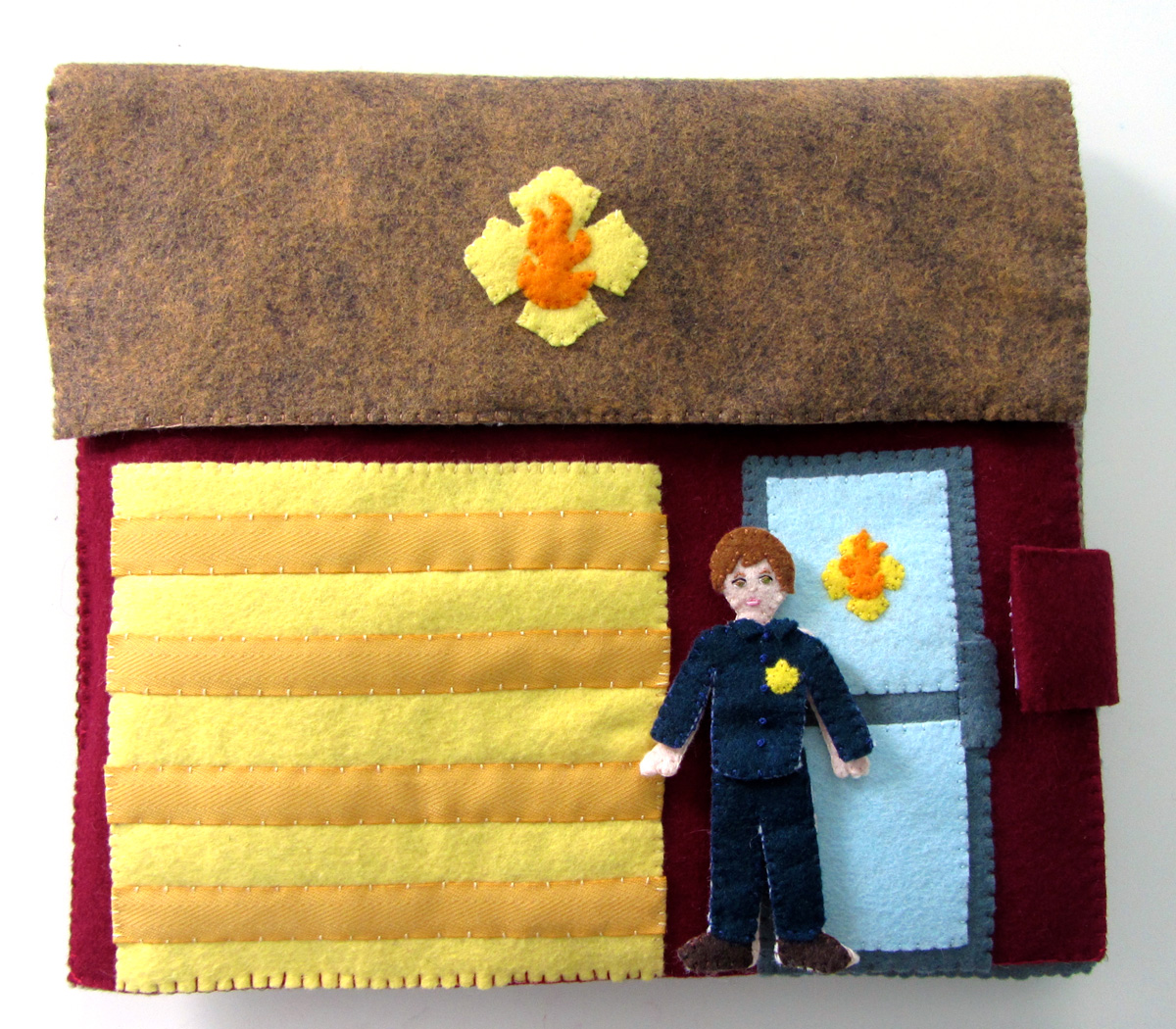
A fire station cover can introduce the theme before the book opens. Use a large doorway and a few window shapes, keeping the lines simple so the design reads across the room. Choose one bright color for the doors and repeat it inside the book. Leave room along the binding edge before you decide how wide the cover design should be.
15. Explore a Large Fabric Map
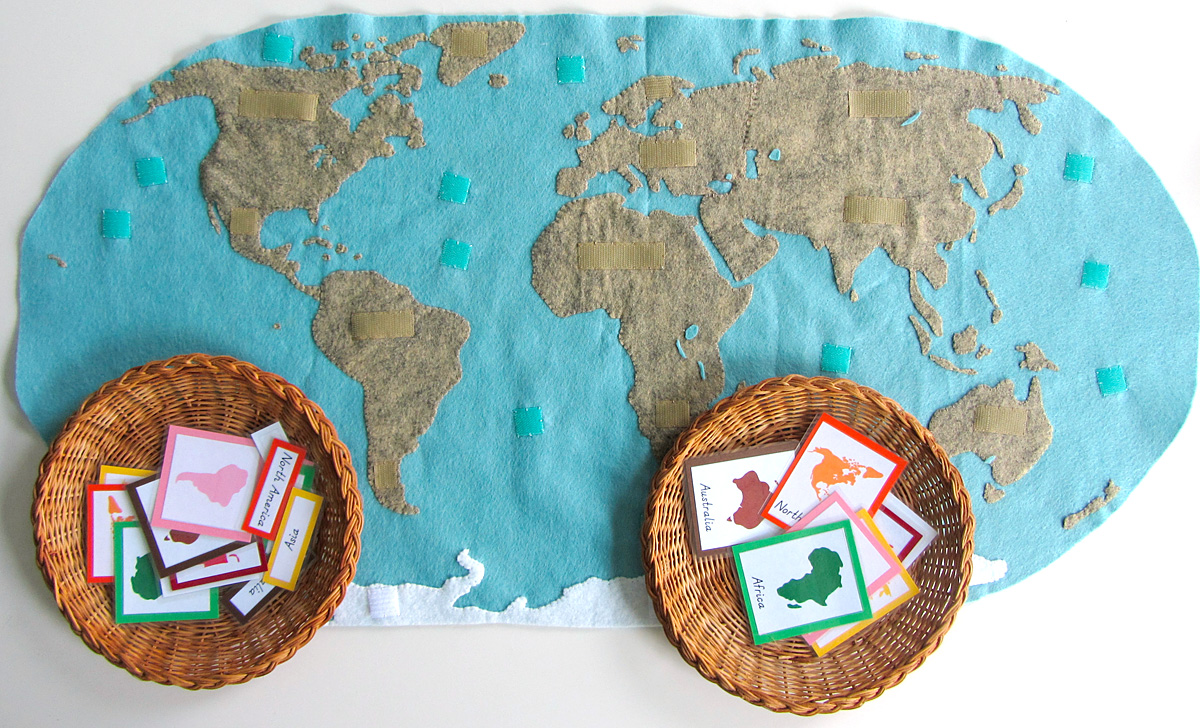
A map makes a useful two-page spread because large shapes need clear space around them. Choose contrasting fabrics to separate nearby land and water, then sew the largest pieces first. A simplified one-region page may work better for a smaller book. For a fixed version, have the child trace the coastline or point to large shapes rather than handling detachable labels.
16. Match Socks on a Laundry Page
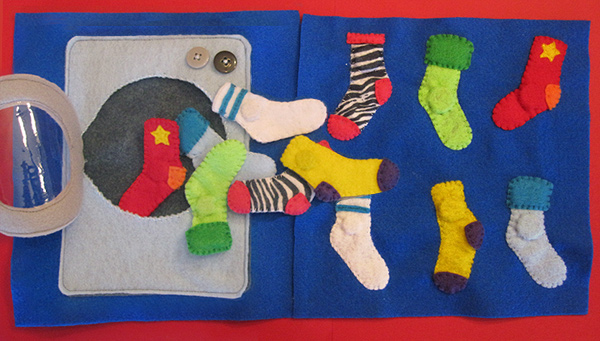
Use a simple everyday task to make a matching page easier to understand. Give each pair one shared pattern, such as stripes or a wide patch, and leave enough room to see the pairs together. Sew the socks down if the page is for a young child. Leave a few pairs unmatched on an example row and find the partner by pointing.
17. Sew a Page of Autumn Leaves
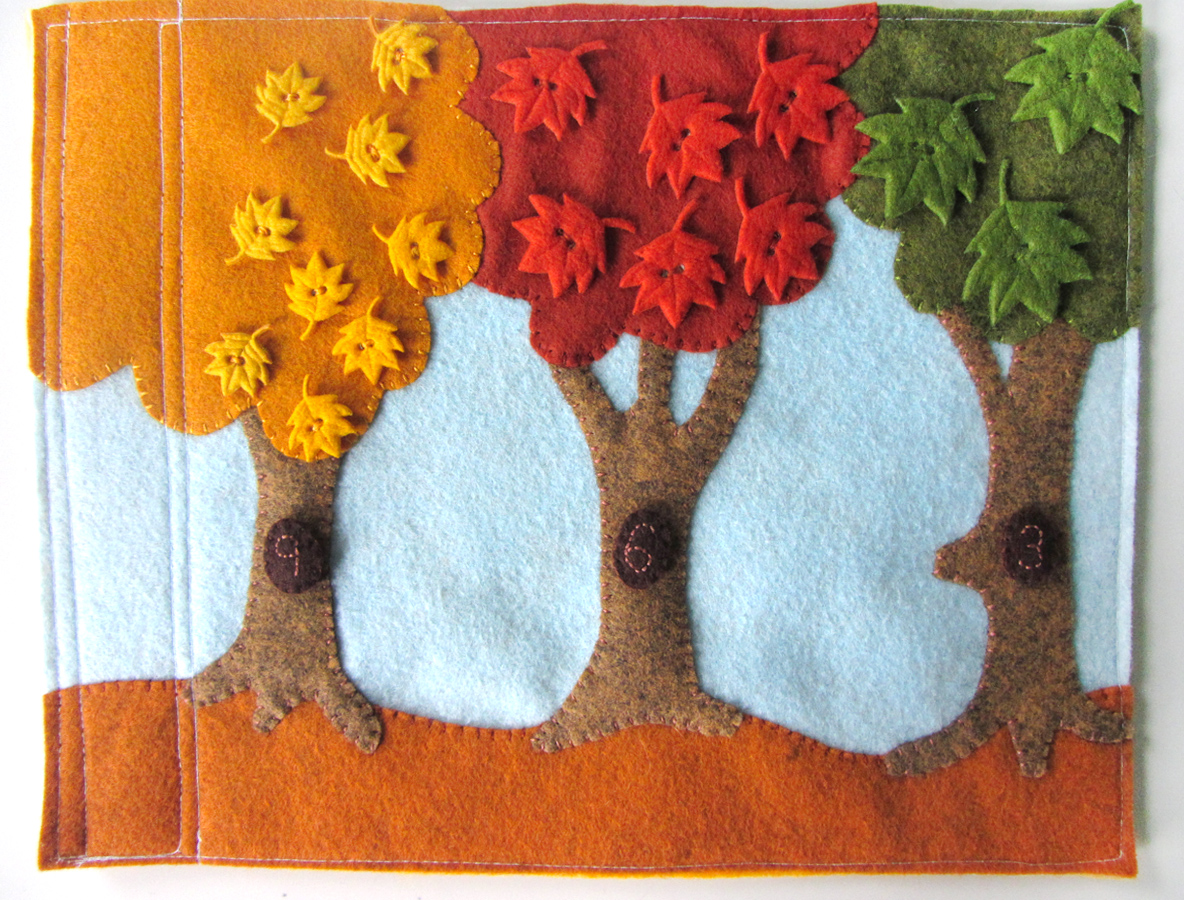
Compare two or three large leaves with clearly different outlines. Stitch veins inside the leaves so the shapes still offer something to feel after the colors are familiar. Give them room on a plain background instead of filling the whole page with small pieces. You can pair a rounded leaf with a pointed one and ask which feels different along the edge.
18. Build a Sandcastle With Layered Fabric
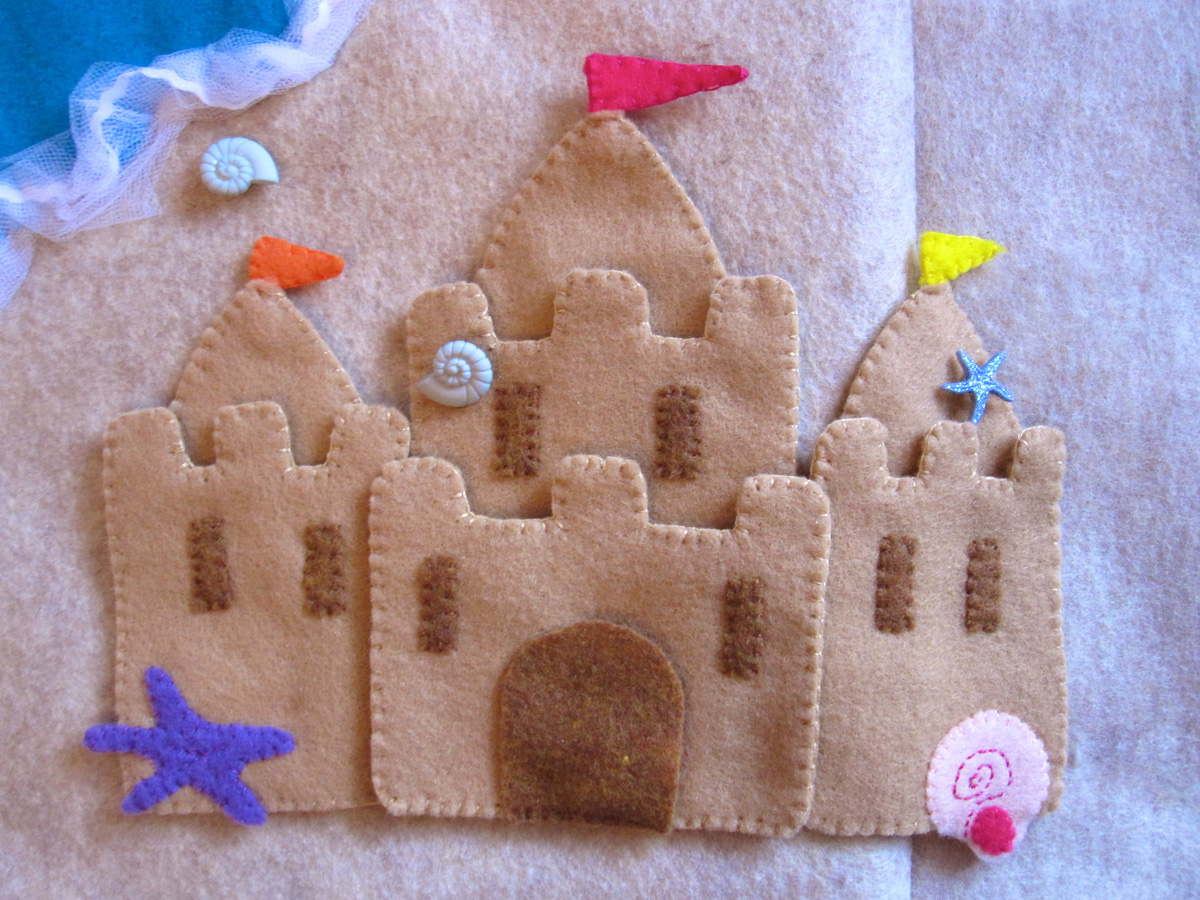
Stack large sand-colored shapes to make a castle with a clear outline. A slightly darker fabric for the doors keeps the page readable, and a strip of wavy fabric can give it a shoreline. Use wide sewn flaps if you want to lift a turret or window. Keep the castle large enough that the different fabric edges can be traced.
19. Set Up a Pretend Breakfast Page
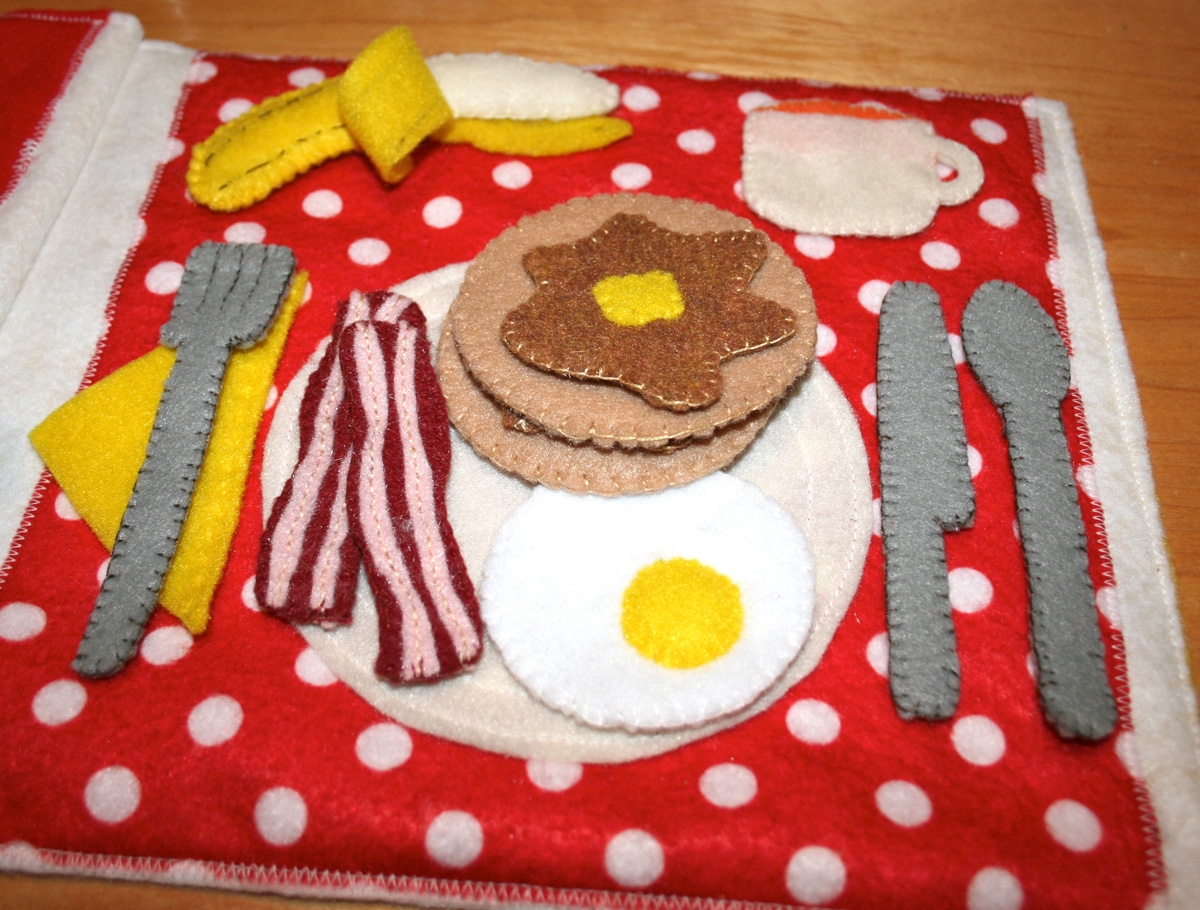
Choose only a few breakfast shapes, such as toast and an egg, and give each one room to stand out. Stitch the food shapes onto the pan or plate in a young child’s book. Try combining smooth fabric for the plate with a slightly rougher fabric for the toast. Ask which breakfast item the child would serve first.
20. Open a Fabric Mailbox
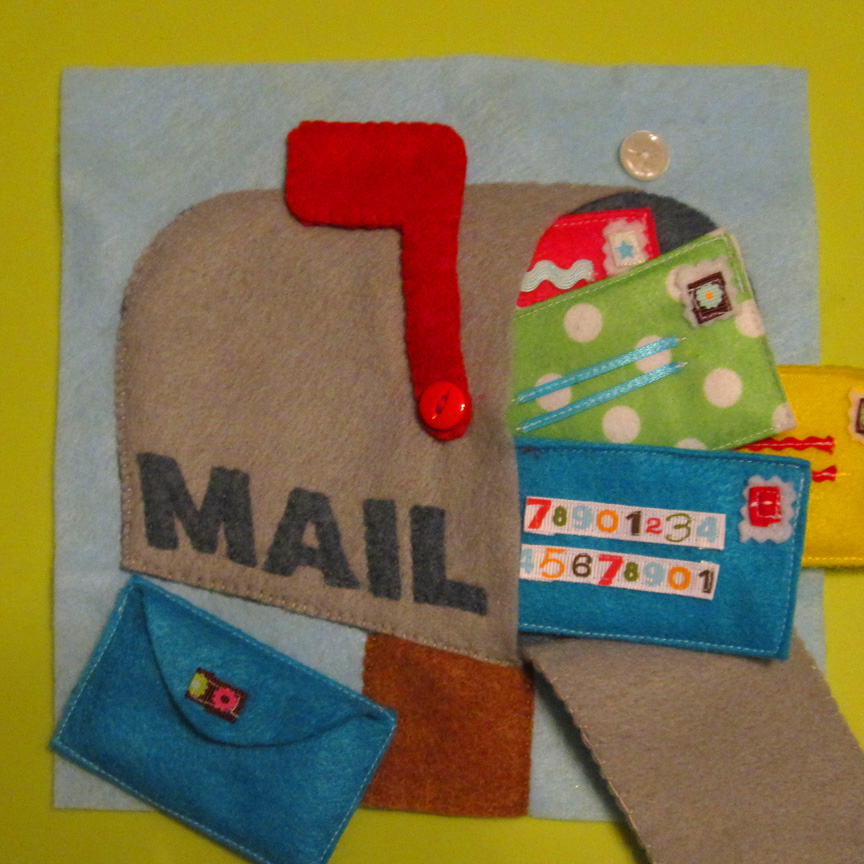
A wide mailbox flap gives a page a clear action without requiring several fastenings. Sew a pretend envelope under the flap and use a contrasting edge so there is a clear place to lift. For a story prompt, ask who sent the letter or where it should go. If the page has a pocket, keep its contents attached for younger children.
21. Sew a Truck With a Tipping Bed
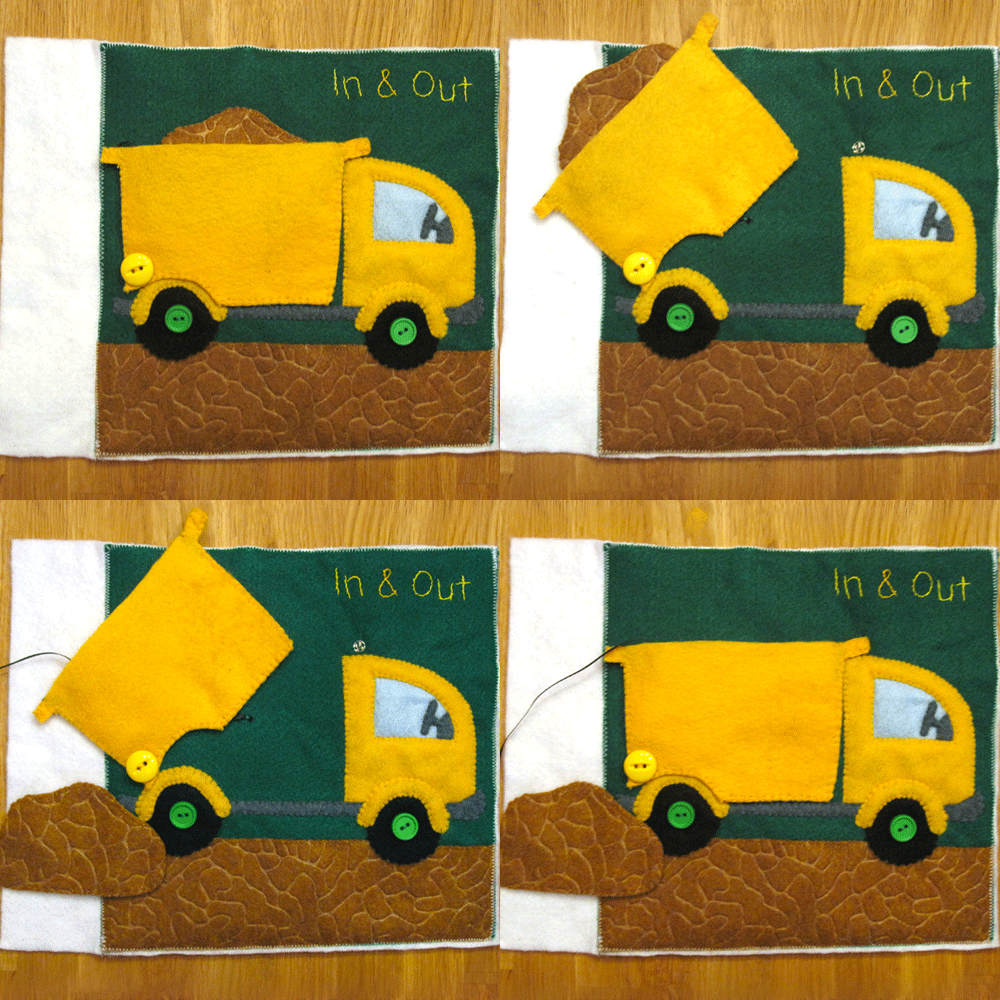
A dump truck gives you a way to introduce a simple hinge. Stitch the bottom of a wide cargo flap to the page so it can lift and reveal a new color underneath. Use a plain road or ground strip to give the scene a base. Make the wheels large and firmly attached so the truck is recognizable without tiny trim.
22. Turn the Weather Into a Fabric Scene
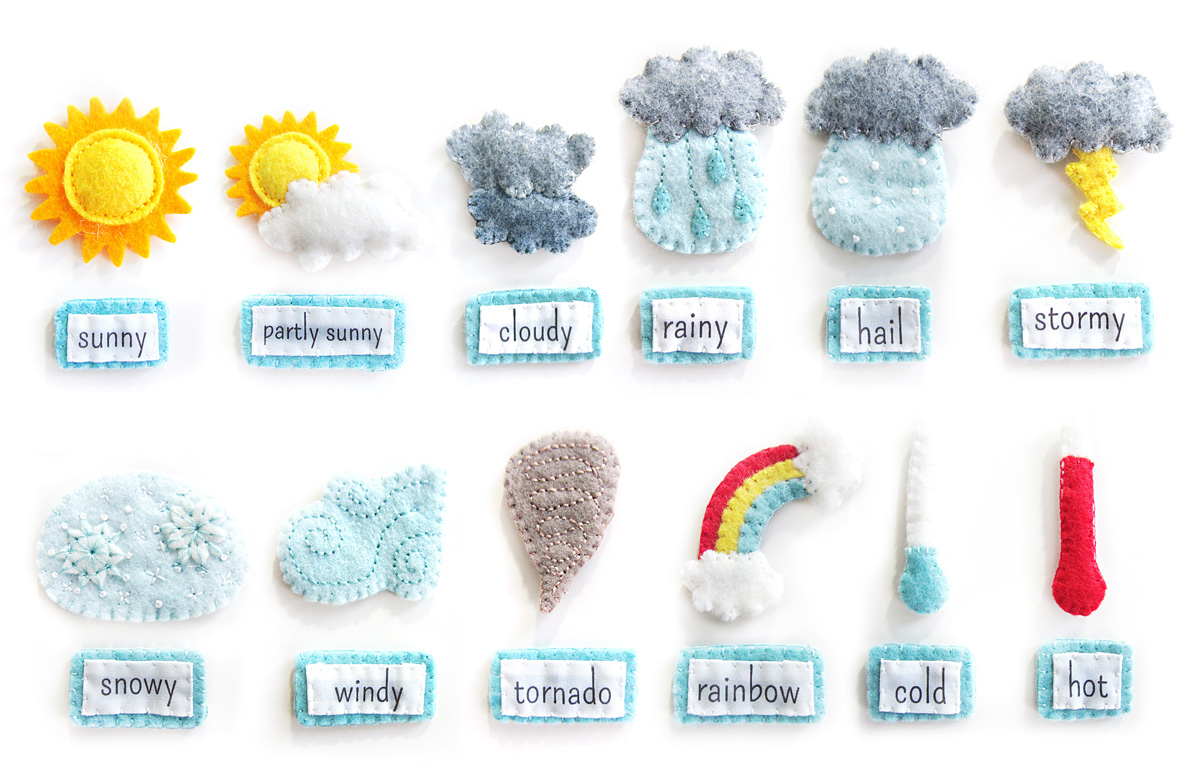
Use large shapes for the sun, a cloud and rain so the differences are easy to see and touch. Stitch them onto one page or make a fixed flap to reveal the weather of the day. Leave the edges of each shape visible against the background. Use the page to compare what is outside the window with what is in the book.
Start With Simple Pages and Check Every Seam
Some source examples contain small or detachable parts. Adapt the idea to the age of the child. For children under 3, leave out small parts, including pieces that can break off, and avoid long cords. Use sewn-in details and soft flaps, supervise play and check seams regularly. See the CPSC guidance on small parts before choosing materials.
Pick Three Pages Before You Plan the Binding
Choose three activities that feel different in the hand, such as an opening flap, a path to trace and two patterns to compare. Lay them in order and mark the binding margin before cutting your fabric. You can make the first book small and extend the idea later when you know which pages get used most.
Which activity would get the most use in your fabric quiet book: a flap, a pocket, or a texture to touch? Tell us in the comments which page you’d make first and what fabrics you’d choose.









0 Comments