18 Ways to Make a Narrow Room Look Wider
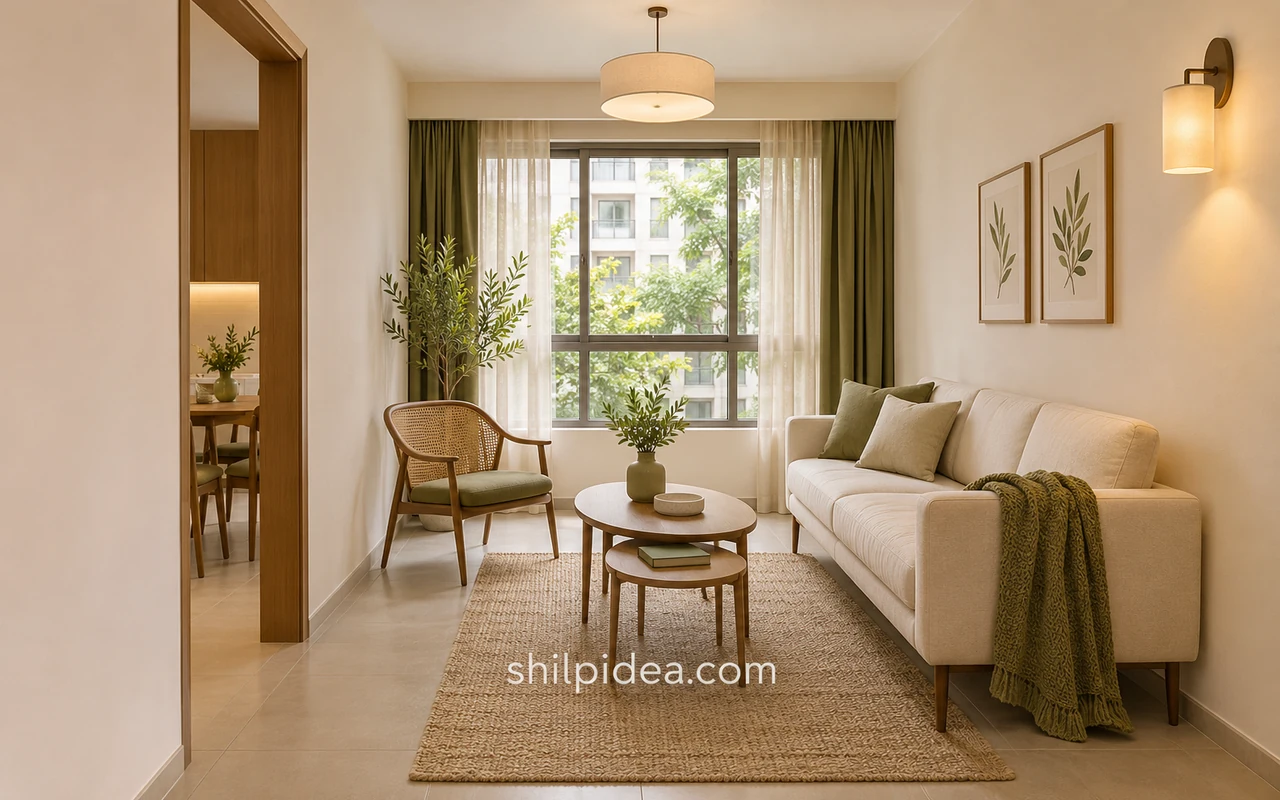
A narrow room often feels tight at the spots where you turn, sit down, or pass another person. Start there before you think about paint colors or replacing the sofa.
Measure from one wall to the other at the tightest point, then check how doors and drawers open. These small living room layouts can help you picture a few ways to set up the main seats.
The ideas below cover walkways, furniture, light, color, and storage. Many work in bedrooms too, especially alongside these small bedroom layouts.
Start with How You Move Through the Room

1. Trace the route you use most
Walk from the door to your usual seat, the window, and any doorway beyond. Mark where you naturally turn or step around something. Move the item that causes the biggest detour before you decide the whole room needs a new layout.
2. Give the main activity the best spot
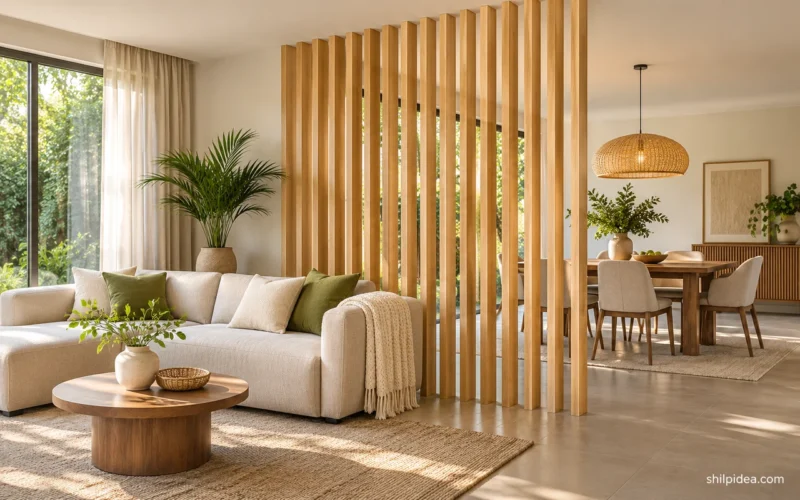
If you use the room most for reading or chatting, plan the best seat and light around that activity. Keep less-used functions at one end. In an extra-long room, two small zones can make more sense than stretching one seating group from door to window.
3. Try a slightly off-center arrangement
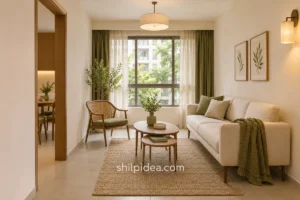
Test the sofa at different points along the wall. Pair it with a compact chair placed at an angle where the walkway allows. This can give the seating its own shape and keep the room from feeling like a series of objects lined up along both edges.
Choose Furniture That Fits the Actual Width
4. Compare seat depth and overall depth
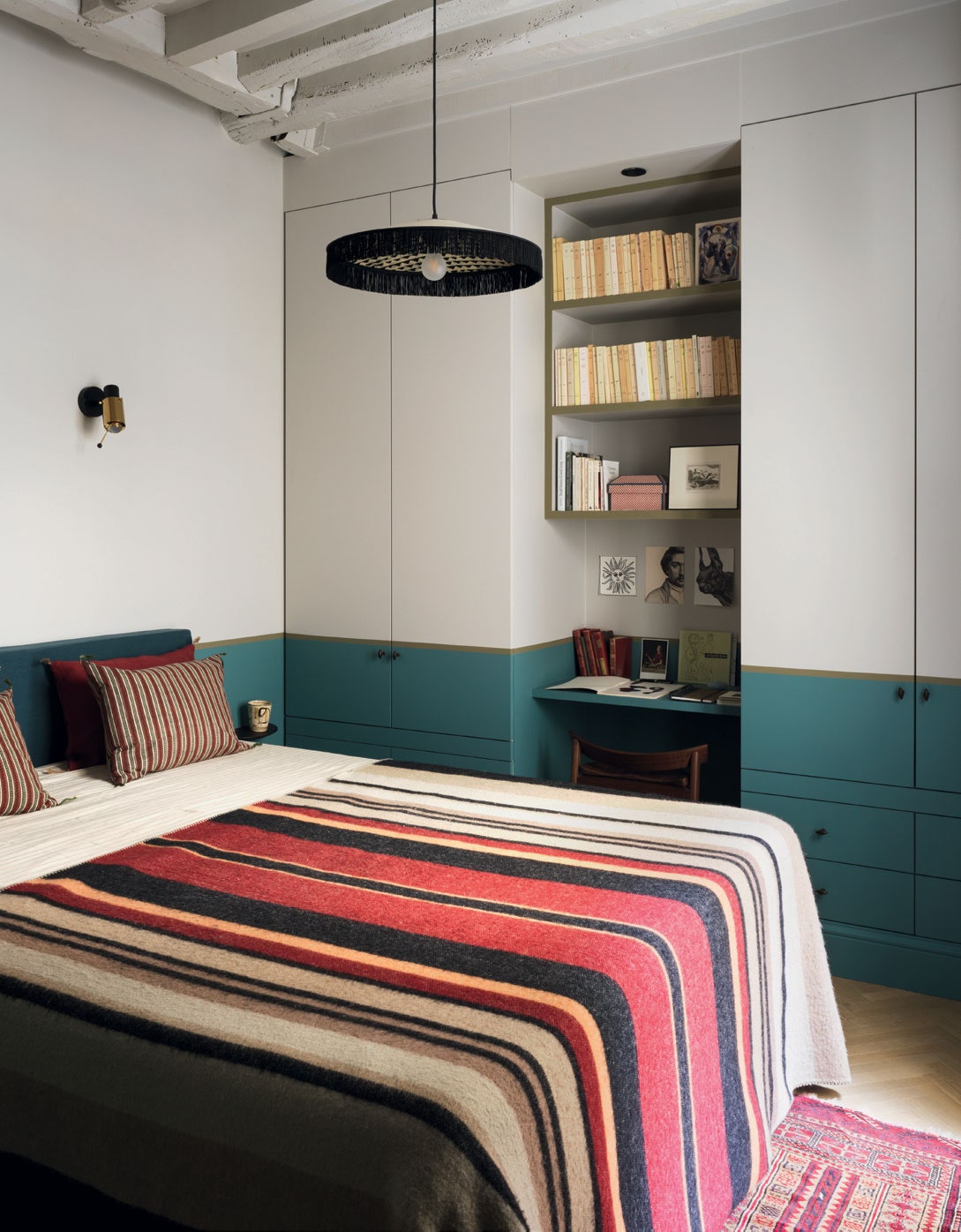
Check the full depth of a sofa, including its back, instead of judging it by the seat cushion. Tape out the footprint or mark it with newspaper. Stand where you normally enter and see how much floor is still visible.
5. Look at the arms before you size up
A slim arm can give you useful seat width without a much wider frame. Measure your existing seating and decide how many places you genuinely need. A small extra chair or stool may be more flexible than a sofa that fills the entire wall.
6. Let a little floor show beneath furniture
Open legs let your eye see beyond a chair or table. Try this first with the piece nearest the route through the room. If one large object has a solid base, use lighter-looking pieces around it to keep the floor from appearing interrupted everywhere.
Give Small Tables a Job

7. Choose curves at a pinch point
In the place where you round a corner, try a small oval or round table with a usable top. Its shape won't create more floor area, but it can remove a corner you keep stepping around. Some sculptural coffee tables offer a similar shape without a bulky rectangular base.
8. Use nesting tables when the footprint changes
Keep a smaller table tucked under a larger one on ordinary days, then pull it out when you need another spot for drinks. Check both pieces in their open position. They should stay inside the seating area when you use them together.
9. Swap one central table for side surfaces
If people step through the middle of the room, put a surface beside each seat you use most. One solid perch for a lamp and a drink may be all each seat needs. Avoid adding an extra table just to make the arrangement symmetrical.
Spread Light Across the Width

10. Let curtains clear the glass when open
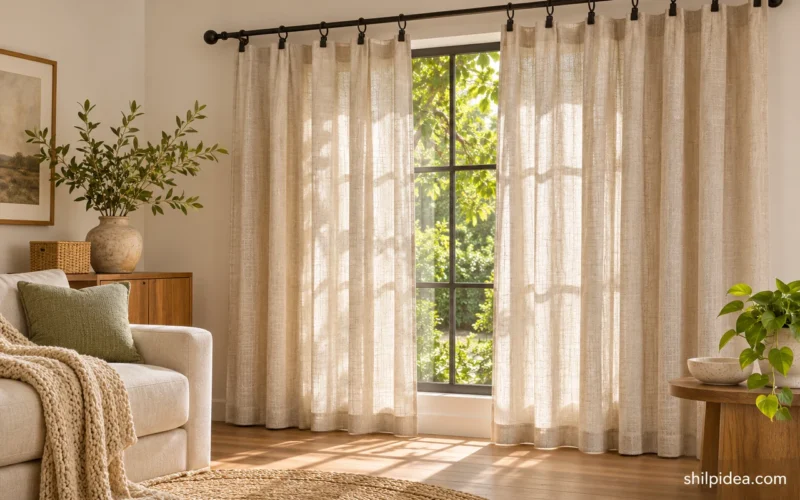
If the wall and hardware allow, place curtains so they stack mostly beside the window. You'll see more of the glass and the opening can read wider. These easy curtain updates show other ways to change the window treatment without redoing the whole room.
11. Aim a mirror at something you want to see
Try positioning a mirror so it reflects a window, a lamp, or a calmer wall. Check what it reflects from the doorway and from a seat, since the view will change. Follow the mounting instructions for its weight and wall type.
12. Light the sides and the far end
A single overhead fixture can leave the ends or side walls in shadow. Try a lamp at the far end and a shaded task lamp where you read. Turn the lights on after dark before buying extra fixtures so you can see where light is actually missing.
Use Color and Pattern to Join the Room Up

13. Repeat a wall color in one large textile
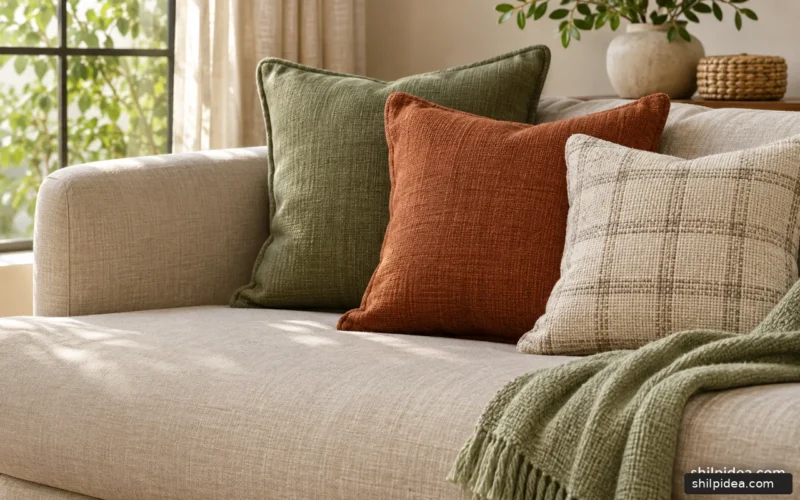
A curtain or sofa close to the wall color can give the eye fewer strong edges to stop at. Keep a little contrast in the cushions or art so the layers are easy to distinguish. Test paint and fabric samples in both daylight and lamplight.
14. Try a rug that ties the seats together
Set the rug so the main seating reads as one group rather than a row of disconnected pieces. Where space allows, bring the front legs of the seats onto it. Compare the effect of a quieter pattern with these modern area rugs before choosing a strong stripe.
15. Give the short wall something worth looking at
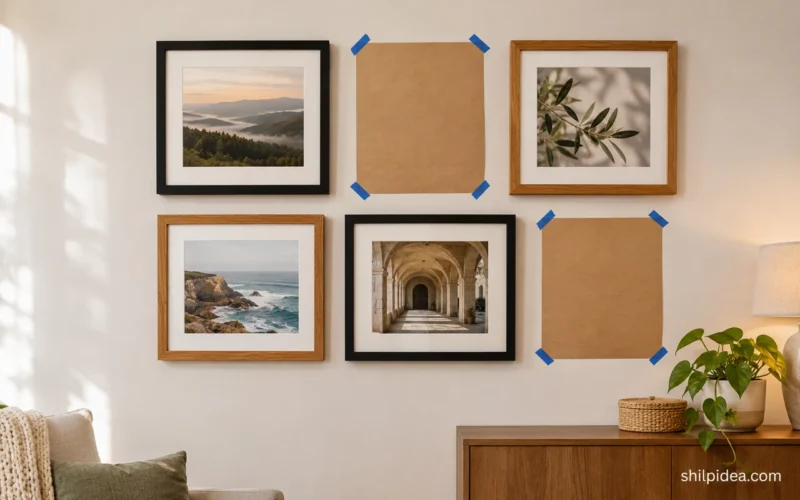
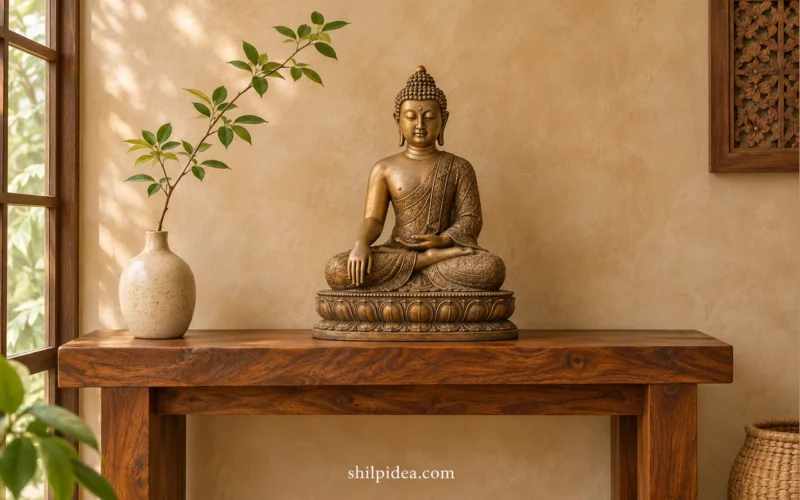
Try one piece of art or a low console at the end of the room. A simple focal point draws attention to the room as a whole instead of to the running length of the walls. Check it from the doorway and leave blank wall around it if the focal point looks crowded.
Put Storage Where It Costs Less Floor Space
16. Check the real depth of a closed cabinet
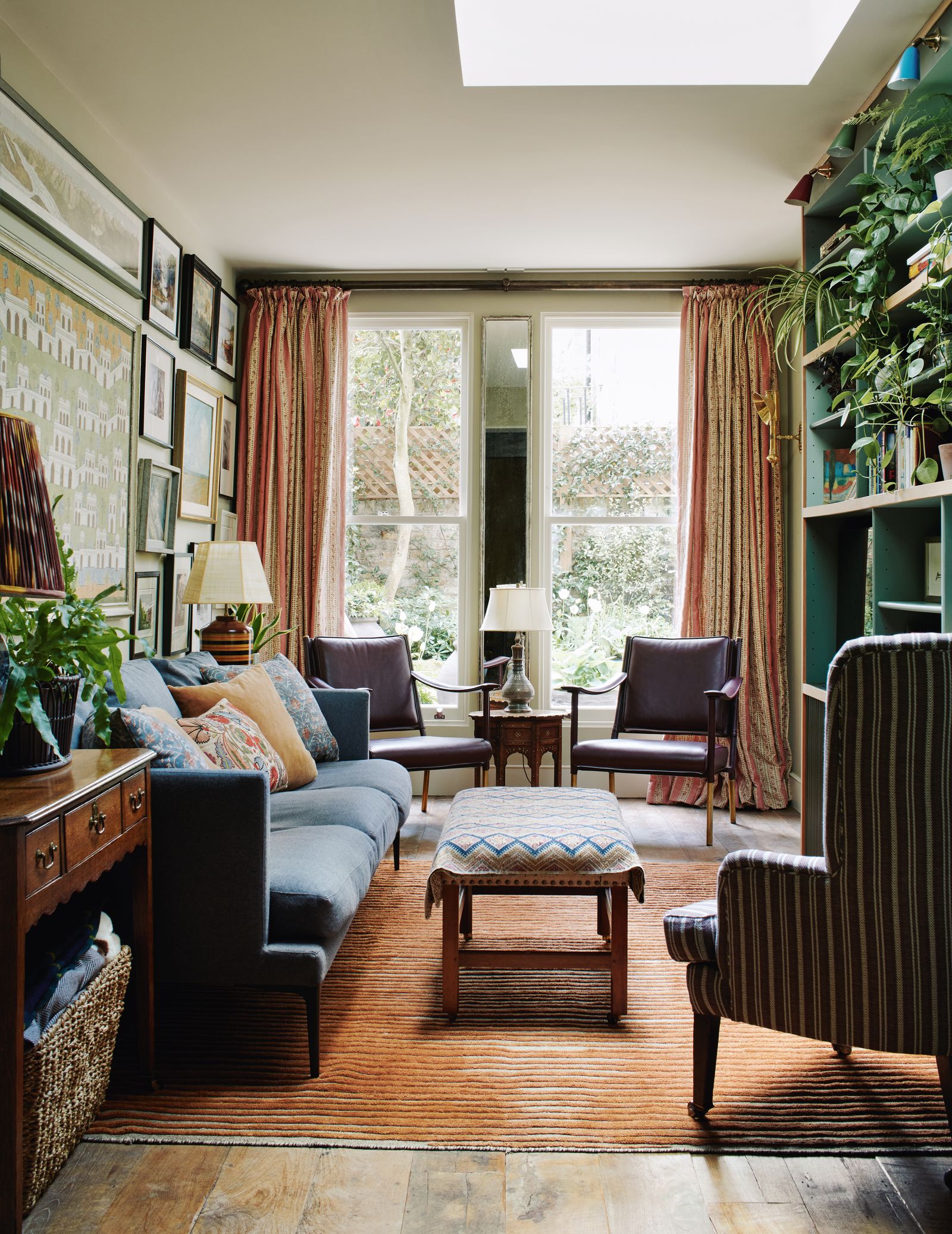
A slim cabinet can keep the sides of the room tidy, but check its depth with the handles and doors included. Try the door swing against the path past it. Make room for the objects you actually use instead of picking the largest storage unit that fits the wall.
17. Raise a small piece when the wall can take it
A securely mounted shelf or shallow console can free up floor under it. Put it where people can reach it without stepping into the busiest route. Use hardware suited to the wall and the expected load, and keep heavy items where they can be stored securely.
18. Give one piece two jobs
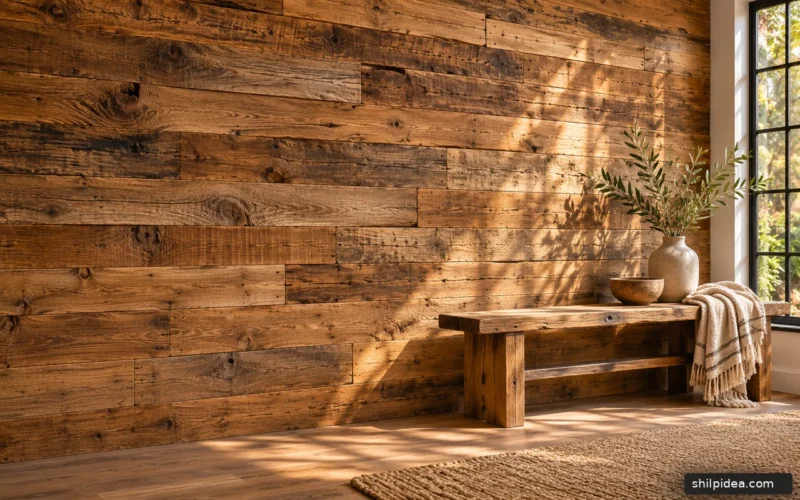
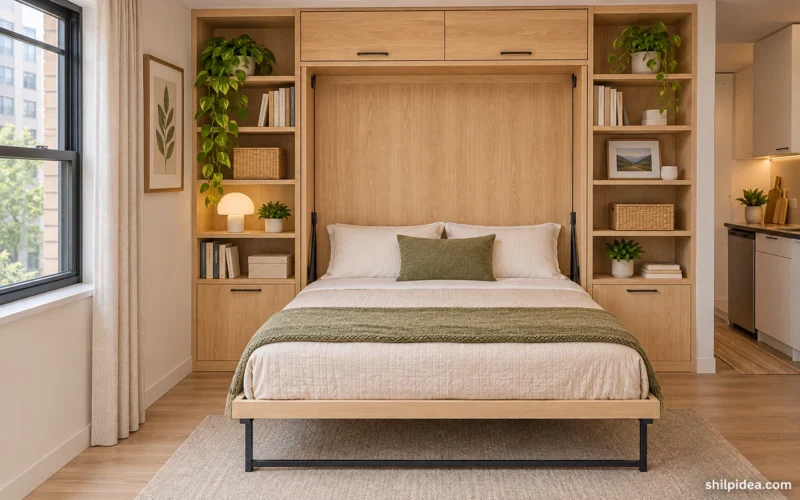
A bench can provide seating and a place for loose blankets. In a room that doubles as a guest room, compare flexible Murphy bed layouts for a similar approach on a larger scale. Check how the piece behaves when it’s in use so you know where chairs and walking space will go.
Test the Layout Before You Buy Anything
Move one piece at a time and use the room through an ordinary evening. Open the doors, try the seats, and check where you set a mug or switch on a lamp. Use these projects to explore an adjustment for the part that still feels tight.
- Arrange a small minimalist living room
- Find a better small bedroom layout
- Update curtains without sewing
- Choose a rug with character
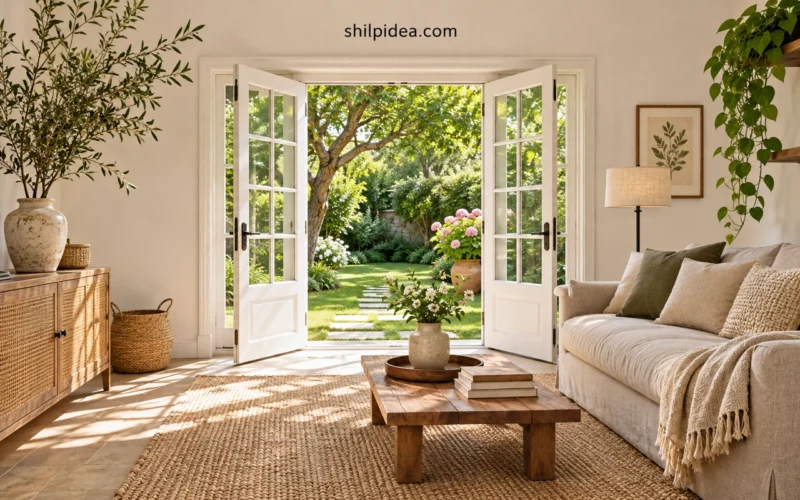
- Plan a room around French doors
- Make space with a Murphy bed
Where does your narrow room feel tightest right now? Tell us in the comments what you have to walk around or reach past. If a small furniture swap helped, share what you moved and where it went.
















0 Comments