18 Knitted Slipper Design Ideas for Handmade Gifts
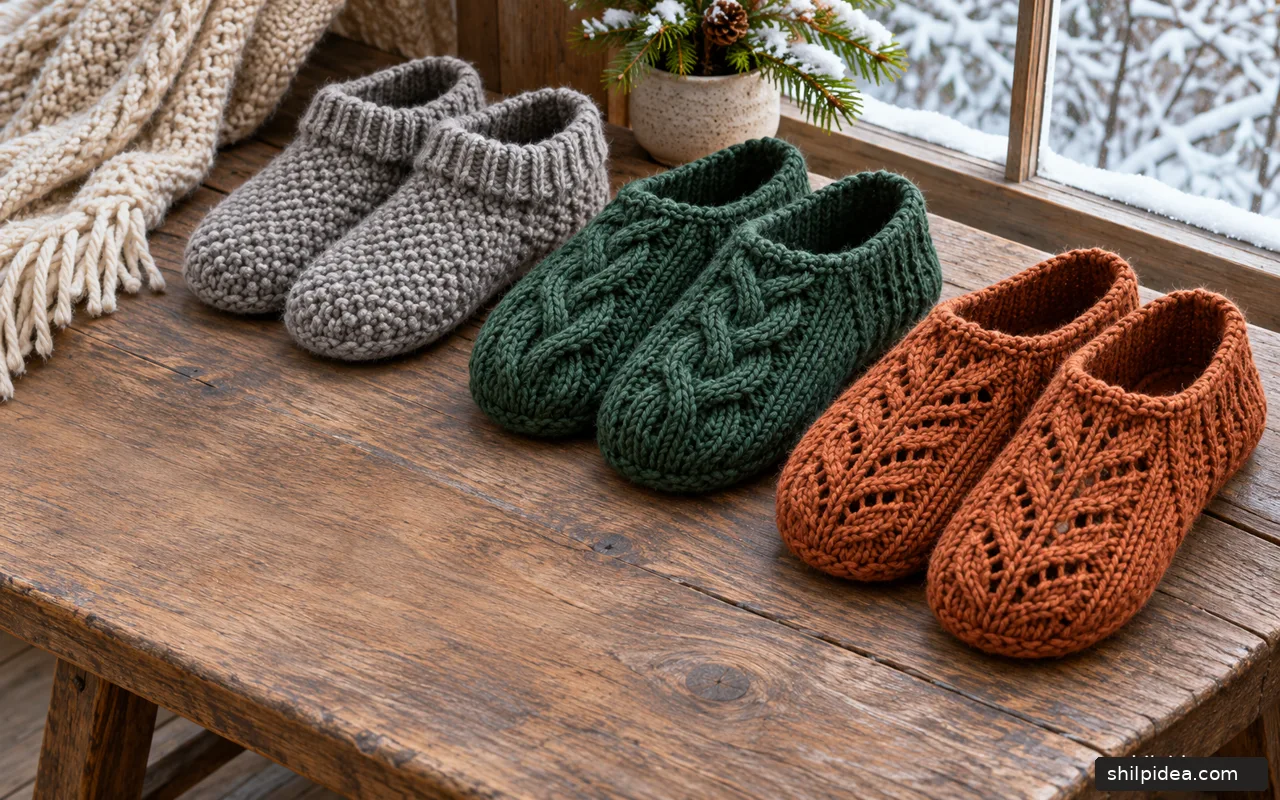
Knitted slippers are small enough to use a special skein and useful enough to give as a winter gift. Compare the opening, heel, and sole as well as picking a color.
If you enjoy giving homemade Christmas gifts, choose a slipper shape that suits the recipient and the socks they normally wear around the house.
These examples cover low-cut shapes, boot cuffs, and stripes. Try using the same color in a fleece hand-warmer pocket if you want to make a companion piece.
1. Use stripes to give each pair its own colors

Choose a small set of stripes and use different combinations for different recipients. A darker cuff can keep the colors from blending into the leg of a pajama or a sock. Keep some yarn from each color together until both slippers are finished, especially if a dye lot is difficult to replace.
2. Try a plain slipper with a raised center seam

A seam running down the front can become part of the design when the yarn is a quiet neutral. Keep the edge even on both slippers and compare the length before weaving in the ends. Check that the seam sits comfortably around the toes when the wearer stands or wears socks.
3. Pair pale stripes with a contrasting trim

A distinct color around the opening and toe makes a striped pair easy to read even in a subdued palette. Start with one yarn for the main background and use only enough contrast to pick out the lines. Check the proportions on one slipper before repeating them across the second piece.
4. Use a warm mix of marled colors

A marled or variegated knit adds detail without requiring many separate balls of yarn. Use a quieter trim to define the edge and test the opening on a foot or size form before finishing both slippers. If the color changes are long, decide how closely you want the two toe colors to match.
5. Finish crisp stripes with a soft pastel edge
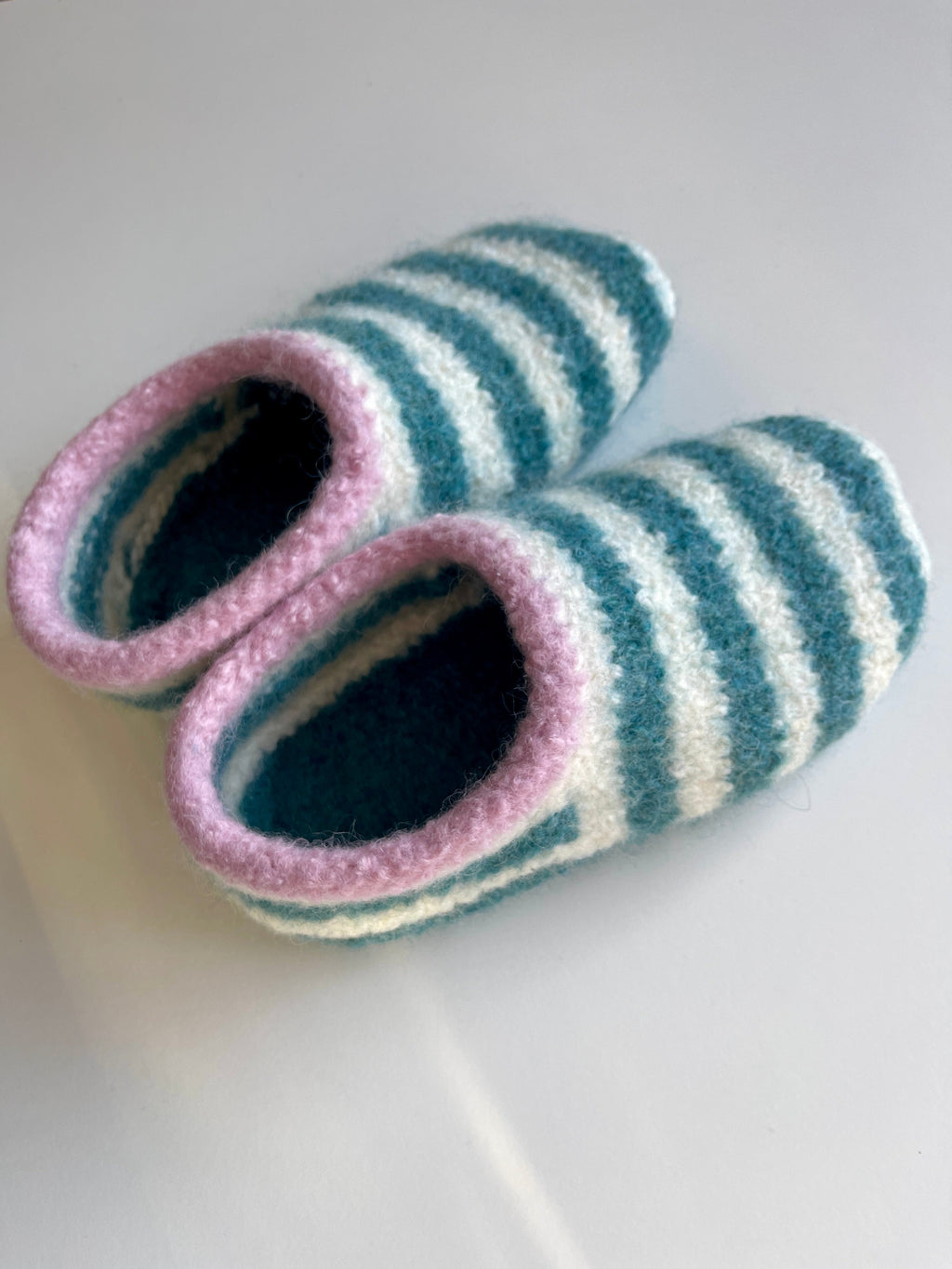
Pale pink can brighten the edge of a teal and neutral stripe so the opening has a clear shape. Work the trim after checking how snug the slipper feels around the foot. If you plan to felt the slippers, follow the pattern’s sizing and test the yarn first so the opening remains usable.
6. Let thick marled yarn show on a simple slipper

A chunky yarn creates dramatic texture on a small pair of slippers. Use a basic shape without many raised details so the yarn stays easy to read. Before choosing the size, check stitch gauge and see how firm the sample is after washing or blocking by the care method the pattern specifies.
7. Choose a lilac low-cut shape
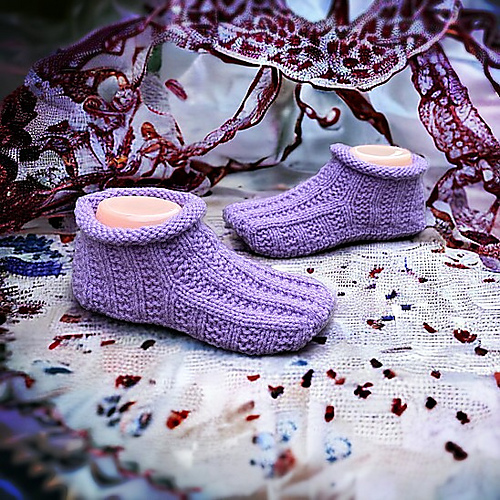
A low slipper shape leaves the top of the foot relatively open, so check that the heel still holds in place when the wearer walks. A soft lilac shows the ribbing without adding another pattern. Compare the fit with the wearer’s usual house socks if they expect to wear both together. See these homemade Christmas gifts for another way to use a similar material or color.
8. Show off mixed purples in a low-cut slipper
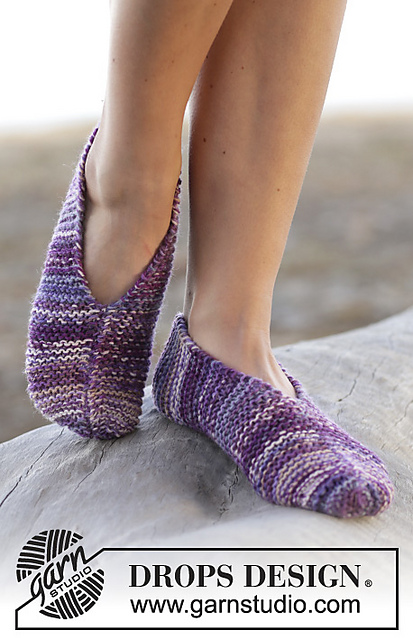
Purple and gray variegated yarn gives this low-cut slipper a visible stripe without changing balls of yarn. If you want both slippers to start with a similar shade, unwind the yarn to matching points before casting on. Check the opening with the socks you plan to wear so the heel stays snug.
9. Make a close-fitting pair with soft color changes

A gentle green-to-blue transition is enough to give a snug knitted pair visual interest. Keep the outside of the sole fairly smooth and compare the lining feel against skin if the yarn has a distinct texture. When giving the slippers as a gift, share any care instructions that help maintain their shape.
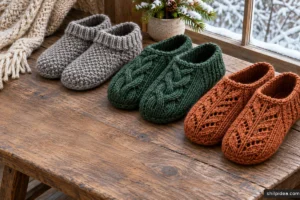
10. Put a raised cable where it will show
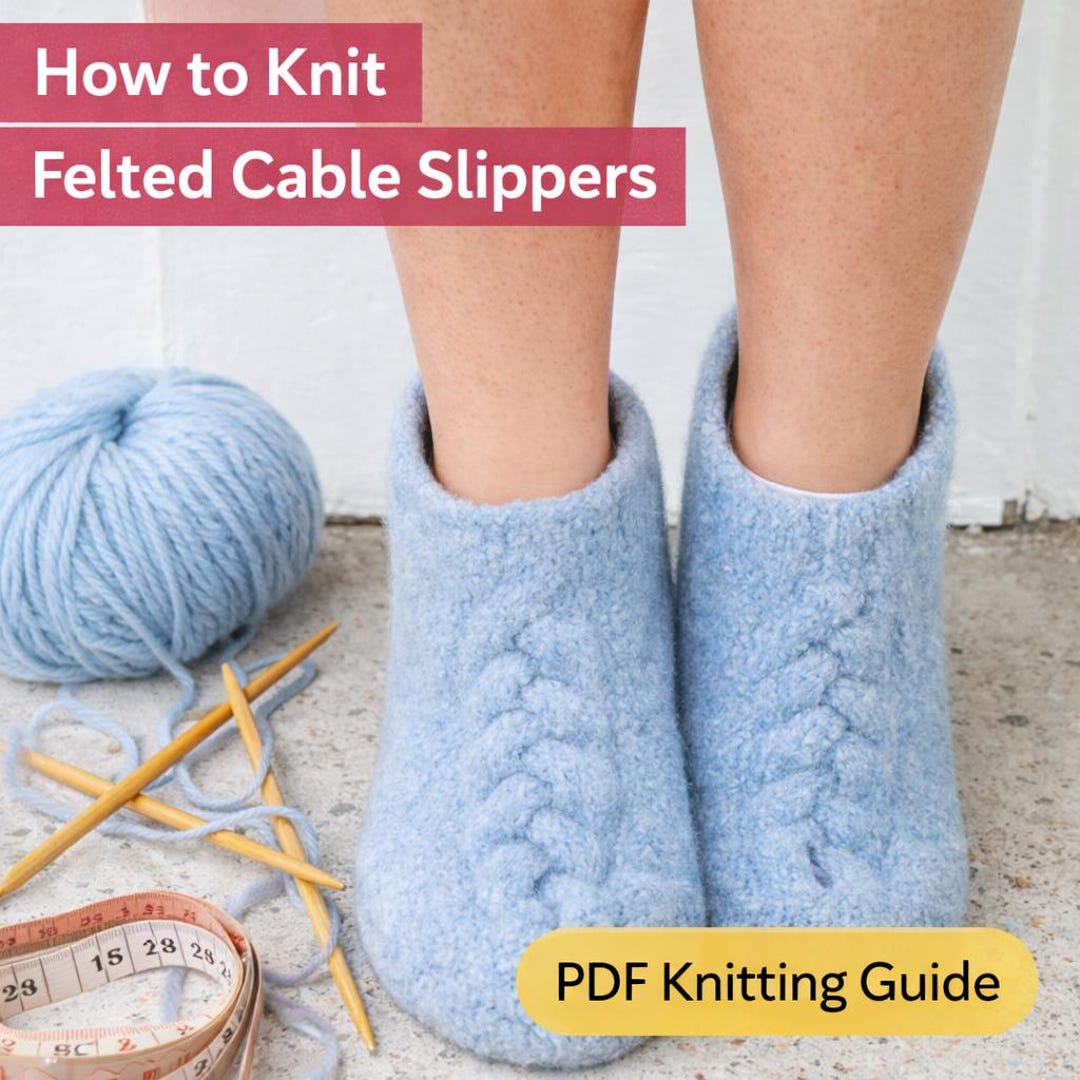
Use a small cable down the top of a plain slipper if you want texture visible from above. Give the motif enough open space and work a sample before committing to a pair, since cables can alter the width. If felting is part of the pattern, check how much of the raised pattern survives on the sample.
11. Give lilac slippers a textured front
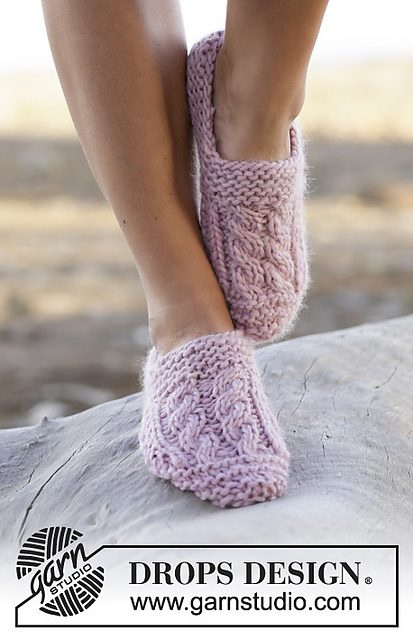
A pale lilac yarn helps the raised pattern show across the top of the slipper. Work a small sample first to see how much the texture changes the width and whether it still shows in soft light. Keep the opening comfortable against the foot and choose a sole finish suited to the floors where the slippers will be worn.
12. Try a tall pair with a folded cuff

A high cuff puts more knitted fabric around the ankle and works especially well where the wearer wants a slipper boot. Check the height before finishing so the fold sits comfortably over socks or lounge pants. A contrasting button or small detail can mark the outer side if the cuffs are otherwise identical.
13. Use warm peach yarn in an ankle-high pair
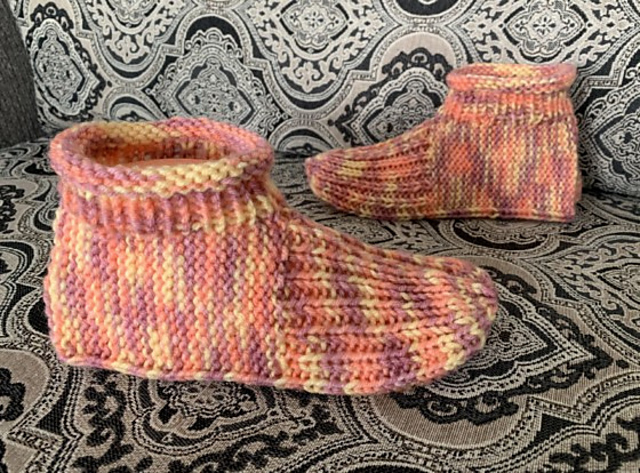
A peach or coral blend has enough variation to stand out while covering only a small area. Keep the opening simple, and check that the ankle of the first slipper works with the yarn’s stretch. If you are using several skeins, compare their color at the toe before finishing the second piece.
14. Define an earthy pair with narrow green lines
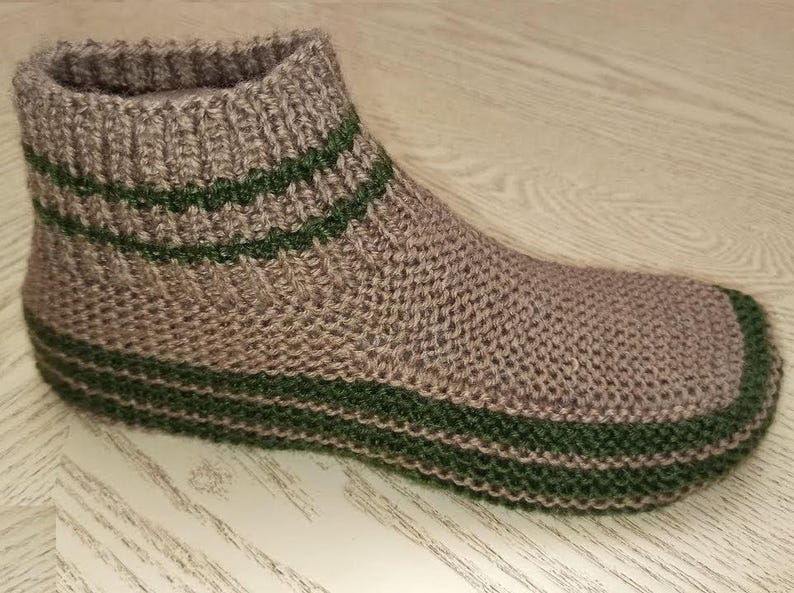
Two green lines pick out the cuff and sole of a tan slipper. Keep enough contrast for the line to stay visible against the main yarn. Choose a stripe thickness that looks in proportion on the smallest size in the pattern, especially if you want several pairs to look related when displayed together.
15. Work a pale blue pair with visible texture

A light blue yarn gives raised stitches room to show without making the pattern look too busy. Compare how the outside catches light along the toe and sole. Use the gauge and yarn weight recommended by the pattern when fit matters, even when you plan to use a different shade from the photographed example. See these fleece pocket project for another way to use a similar material or color.
16. Try a smooth felted finish in blue
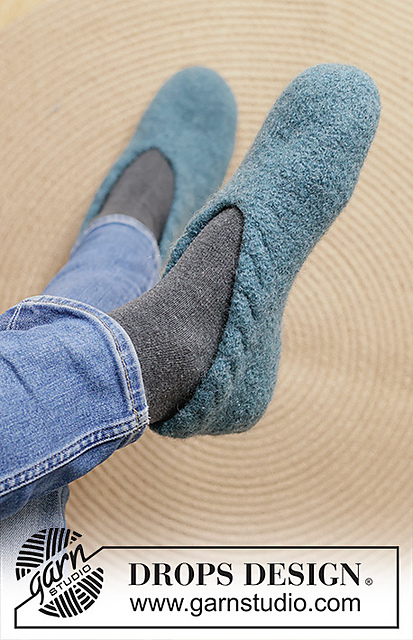
Felting softens the look of individual stitches and gives these blue slippers an even surface. Follow the pattern’s yarn and sizing guidance, and felt a sample to see how much it shrinks before making a pair. Leave room for the socks the recipient normally wears, especially if they prefer thicker ones in winter.
17. Choose a soft pink pair with ankle coverage

A single pale color keeps the knitted shape visible along the heel and ankle. Try one slipper on with the socks you expect to use and confirm that the fabric stays comfortable without pulling at the seam. Give the yarn’s washing instructions with the pair so the recipient can keep the fit.
18. Make the cuffs stand out with mustard stripes
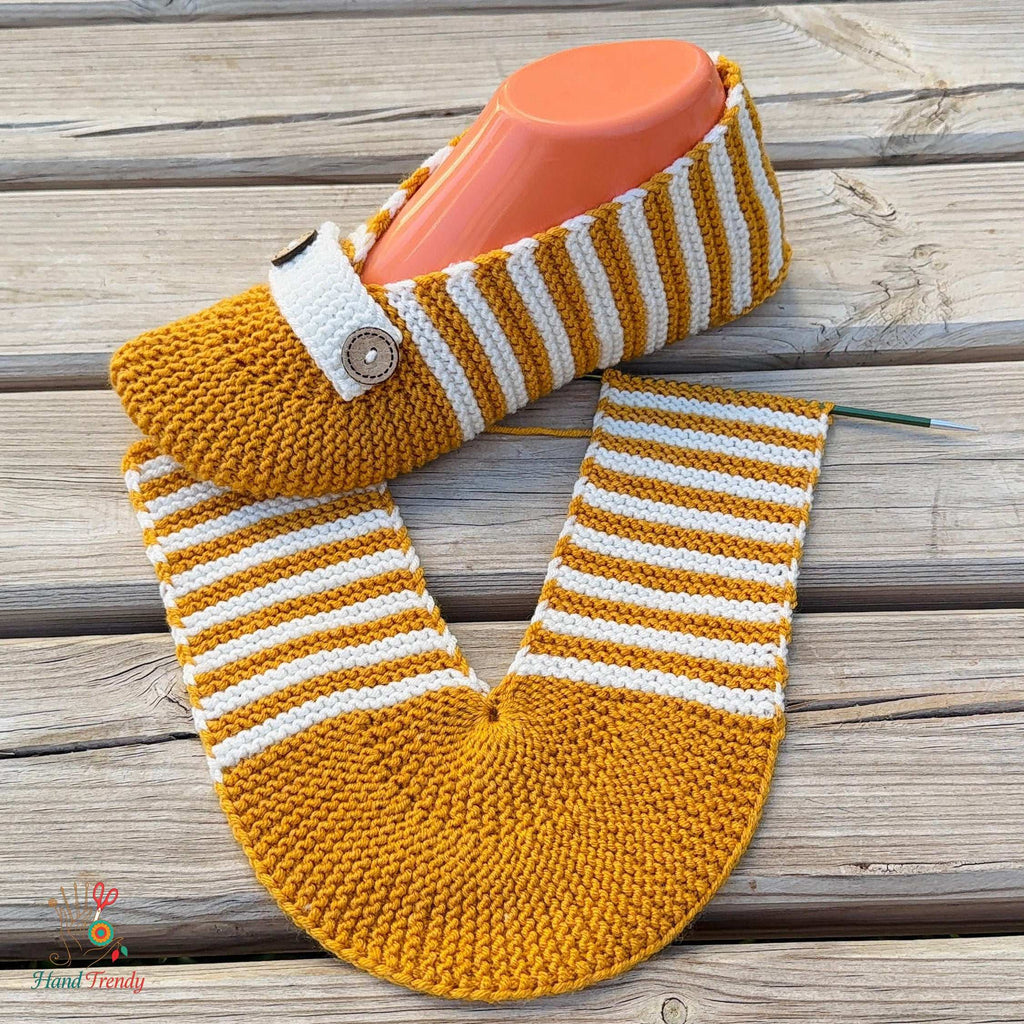
Mustard and white bands define the ankle while leaving the toe a solid color. Put the stronger shade at the opening to make both cuffs stand out from darker pants. Count the rows of the first cuff before knitting the second. If the gift is for a smaller foot, make the stripes narrower so they do not take over the whole slipper.
Pair the Slippers with a Small Handmade Gift
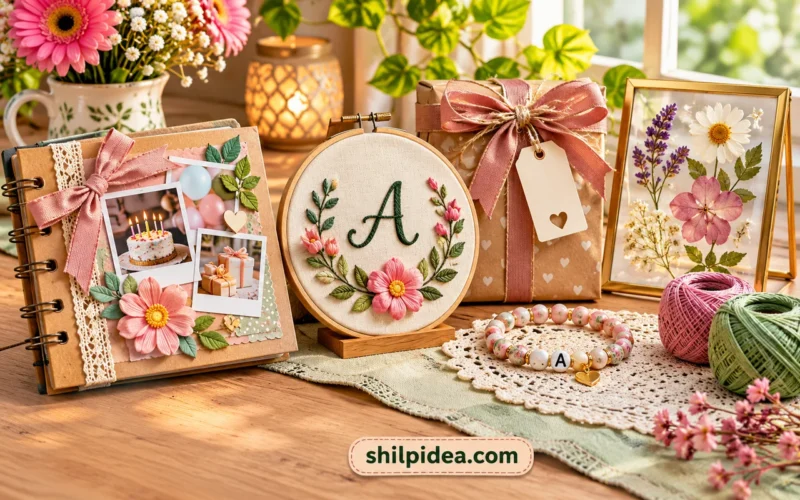
Once you know which slippers you want to make, keep the care instructions and leftover yarn with the pair. A simple wrapper or coordinating fabric project can finish the gift without hiding how the slipper feels. The ideas below show ways to reuse small offcuts and add one more useful winter detail for the same person.
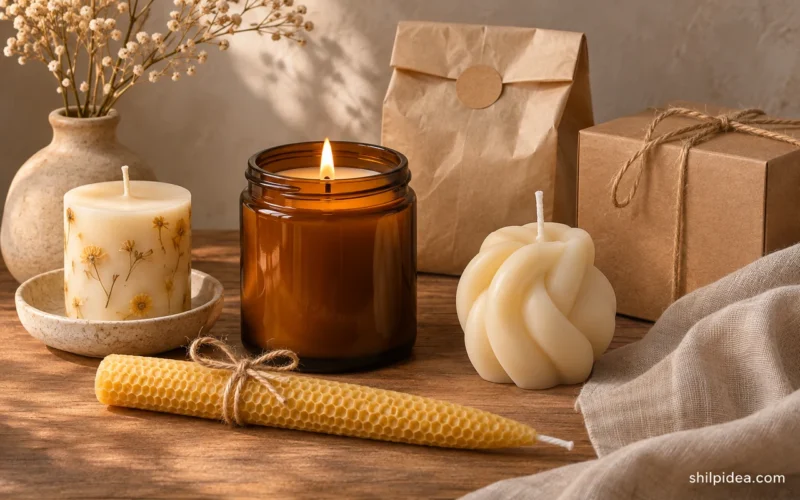
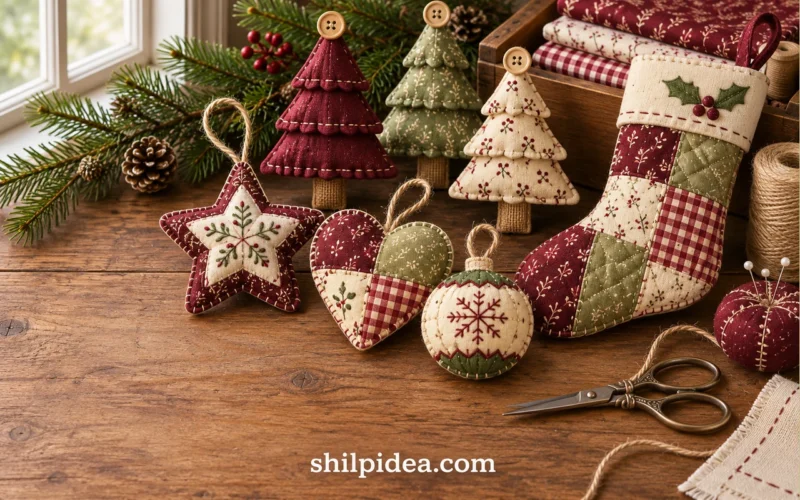
- Homemade Christmas Gifts for Cozy Evenings
- Reversible Fleece Hand-Warmer Pocket
- Make and Decorate Paper Bags
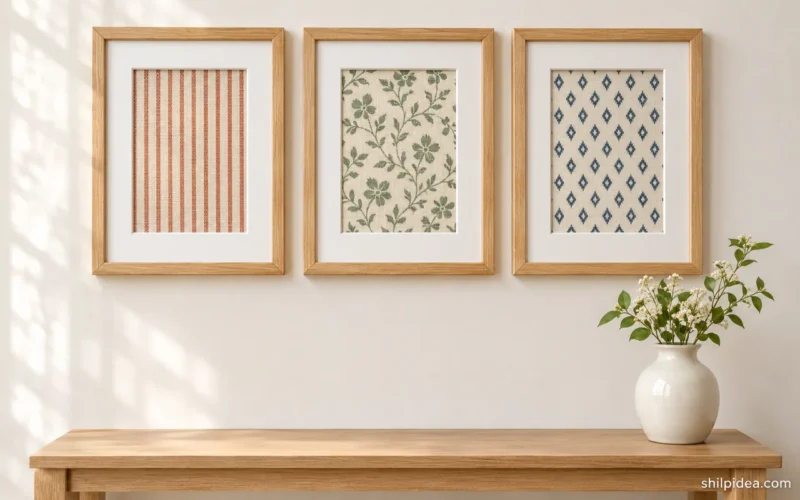
- Framed Wall Art from Fabric Samples
- Decorative Projects for Old Jeans
What makes a slipper feel right to you, a low opening or a taller cuff? Tell us in the comments who you’d knit a pair for and which yarn color you’d start with.









0 Comments