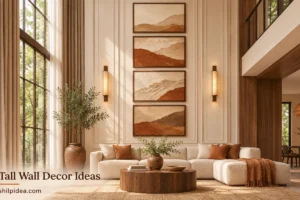
18 Tall Wall Decor Ideas for High Ceilings
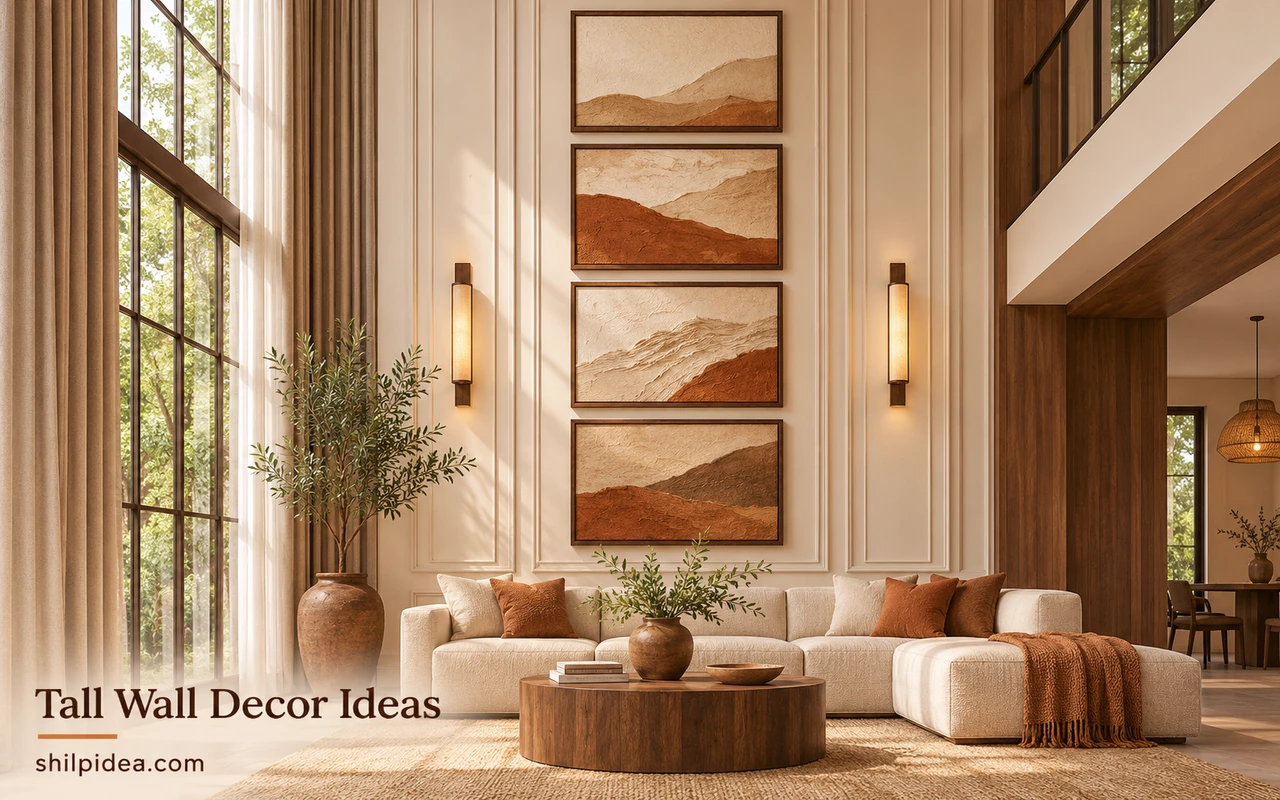
A tall wall gives you room to make an ordinary corner feel intentional. Start by deciding whether the wall should be read from a sofa, a doorway, or halfway up the stairs.
For a group of frames, work out the spacing with gallery wall templates before making holes. One measured layout is easier to scale than a collection of scattered pieces.
A wall that gets daylight may only need one strong subject. Borrow colors from these bright living rooms to tie a large wall treatment to the room below.
1. A Single Narrow Canvas
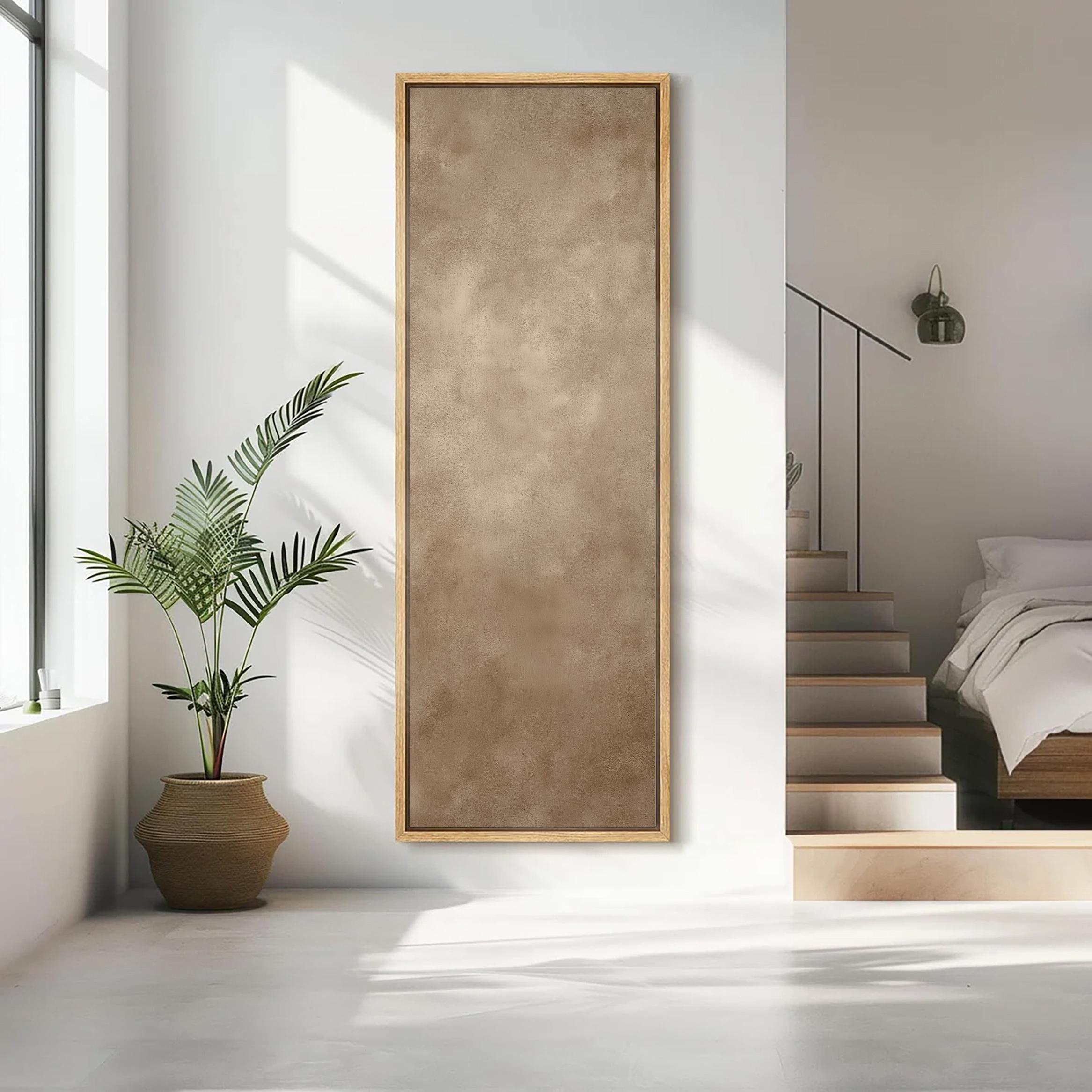
A tall, slim canvas can fill an awkward wall bay without competing with the doorway or window beside it. Match its width to the available wall rather than the room as a whole. Mock it up with a strip of kraft paper and stand in the adjacent room to check the proportions.
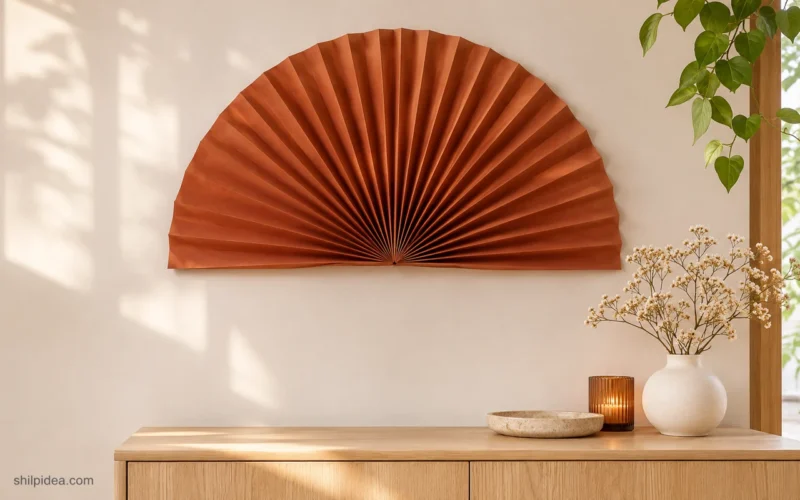
2. A Graphic Panel Above a Console
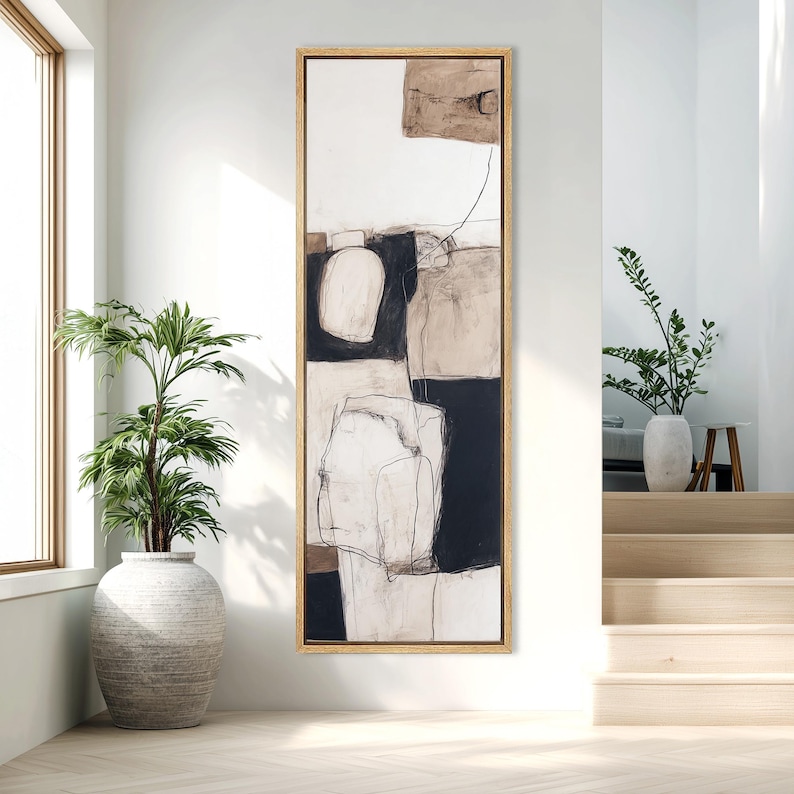
Simple curves and geometric shapes let a tall panel remain readable from across the room. Anchor it to a console or bench so it has a relationship to something below. Center the strongest part of the composition where you normally look when walking into the room.
3. A Misty Landscape for a Hall

A narrow forest landscape draws the eye vertically while keeping a small hall quiet. Give the dark trees enough contrast with the wall and leave space around the outer edge. Check how the surface looks under your usual evening light before choosing the final position.
4. One Saturated Abstract
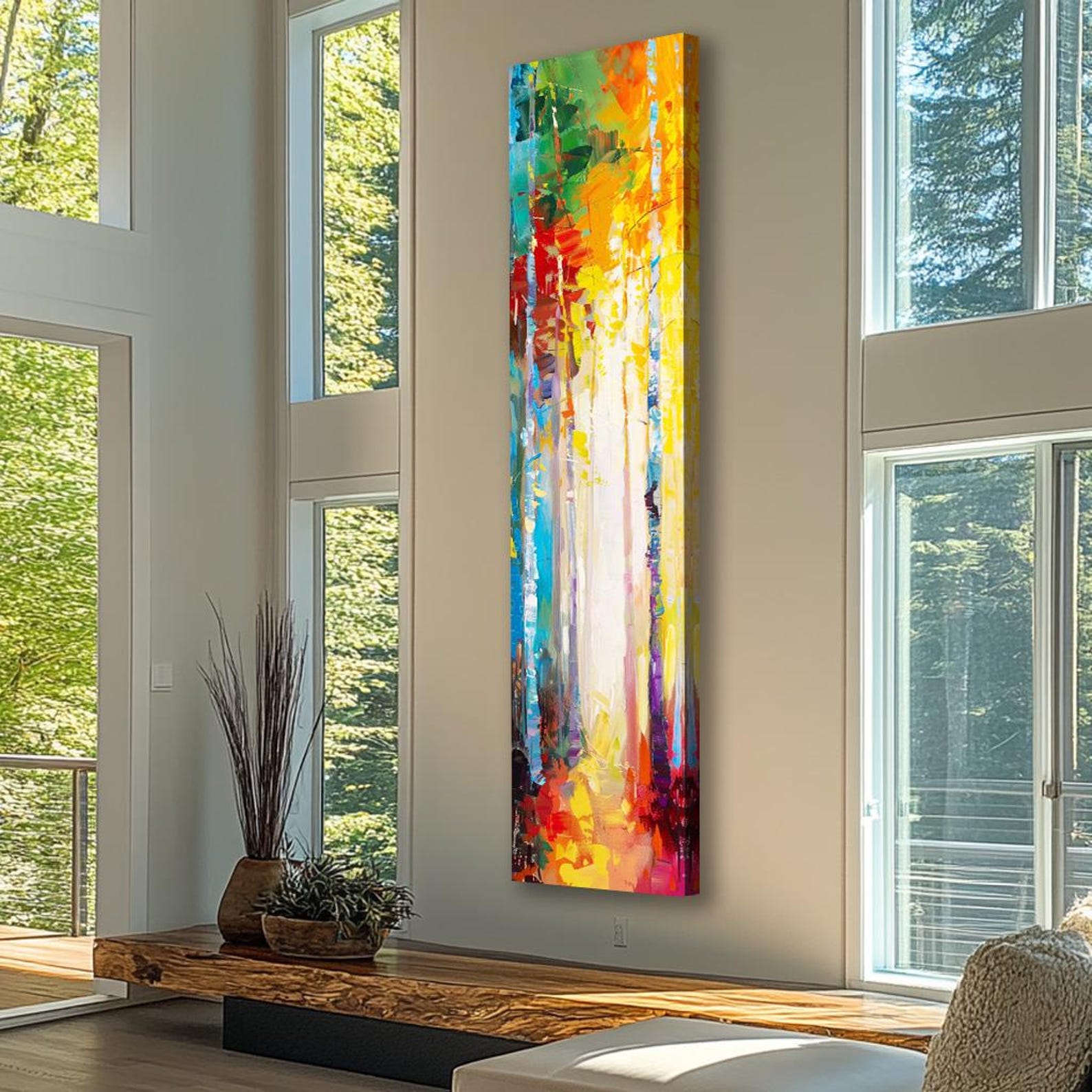
An elongated artwork in a bright palette can carry a space furnished in quieter tones. Pull a single color from the painting into a pillow or small object so it feels connected from the doorway. Use a simple frame and let the wall around the artwork remain mostly clear.
5. A Botanical Panel in Warm Neutrals

A branch design is a useful choice when you want something organic to soften a narrow intersection of walls. Repeat one tone from the picture in a basket or wood frame nearby. Pick a panel with a vertical silhouette and avoid hanging it so high that the leafy detail is lost.
6. Pale Geometric Art in Walnut
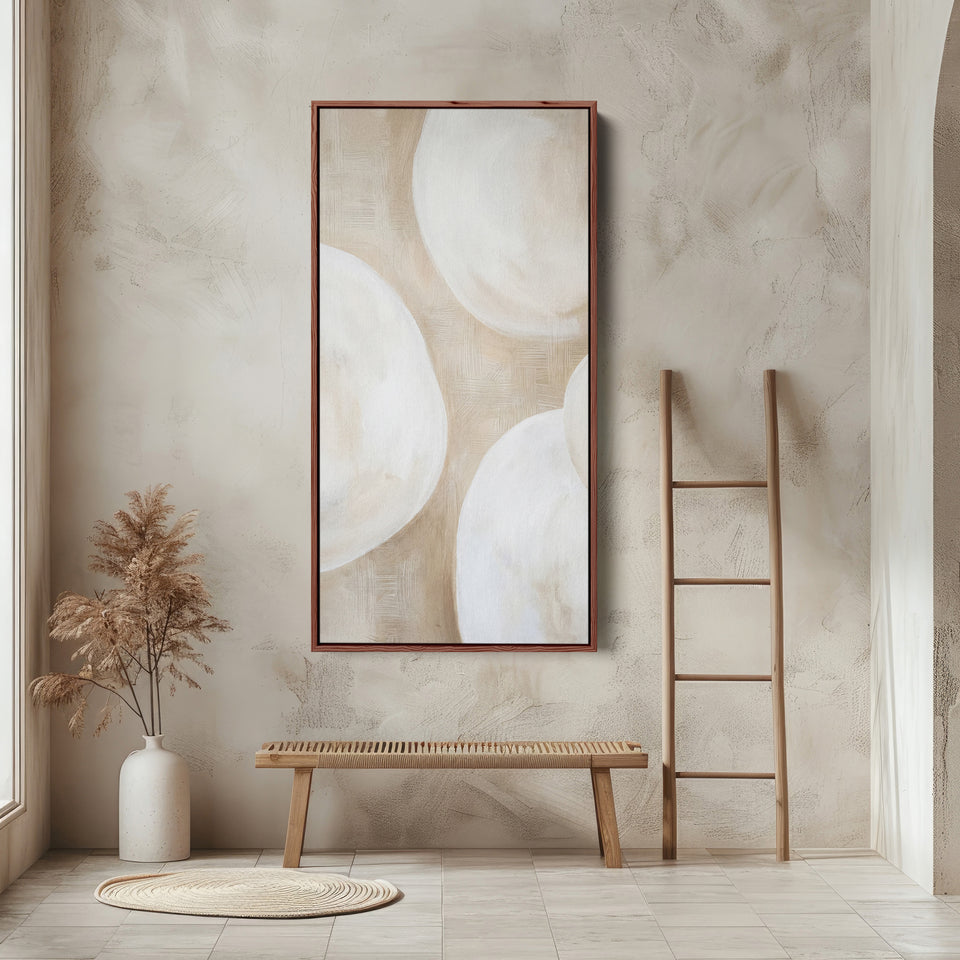
A slim walnut edge gives pale circular shapes a clear outline against a neutral wall. This approach can work where a dark frame would look harsh. Keep the wall near it uncluttered, then repeat the wood tone on a small table or a piece of nearby furniture to carry the look down.
7. A Grid That Reaches Up
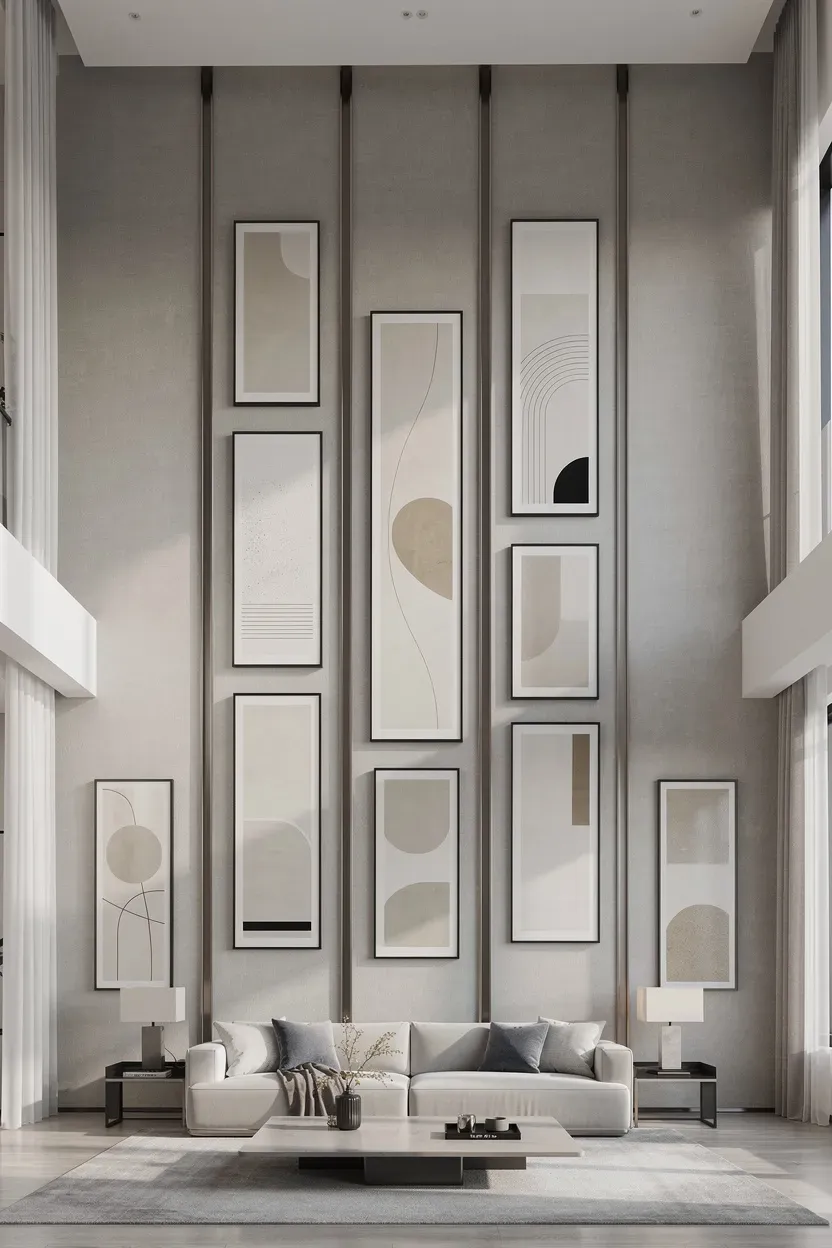
A consistent grid makes a collection read as one wall-sized piece. Lay everything out on the floor and choose one frame gap you can reproduce accurately. Leave more space at the outer edges so the arrangement has room to breathe, especially where the wall meets an adjacent window or molding.
8. Stair Frames with an Arched Mirror

An arched mirror can soften the strong diagonals of a staircase gallery. Place it near a turn or landing where it is easiest to see. Check what it reflects before setting the final height, and use wall fasteners rated for its weight rather than treating it like a light frame.
9. A Round Mirror on the Landing
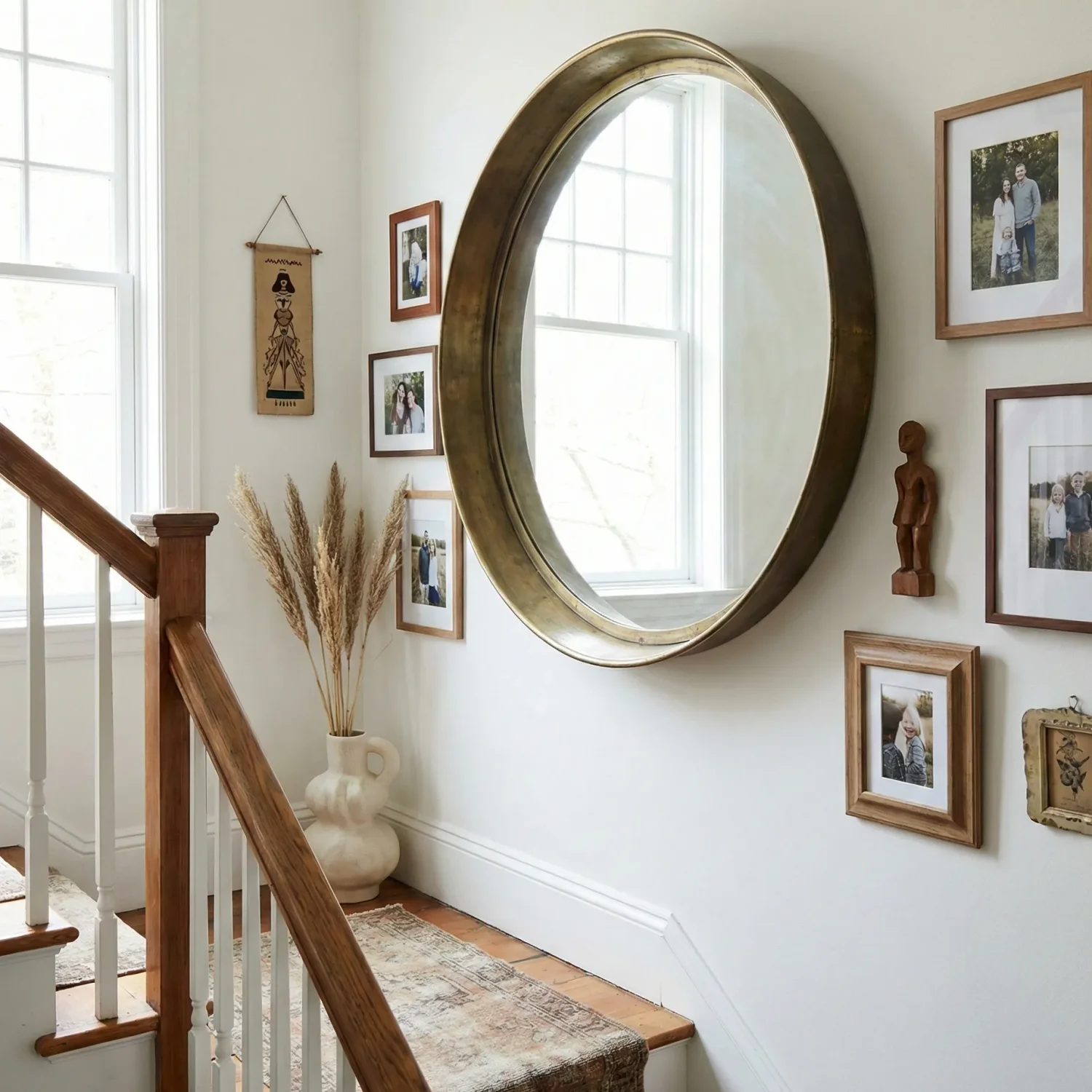
A round brass mirror gives a landing a focus while smaller frames help it connect to the stairs. Choose the main reflection first, then balance frames to the left and right. A few matching margins are enough to connect photos of different sizes without making everything look overly formal.
10. Frames That Follow the Stair Slope
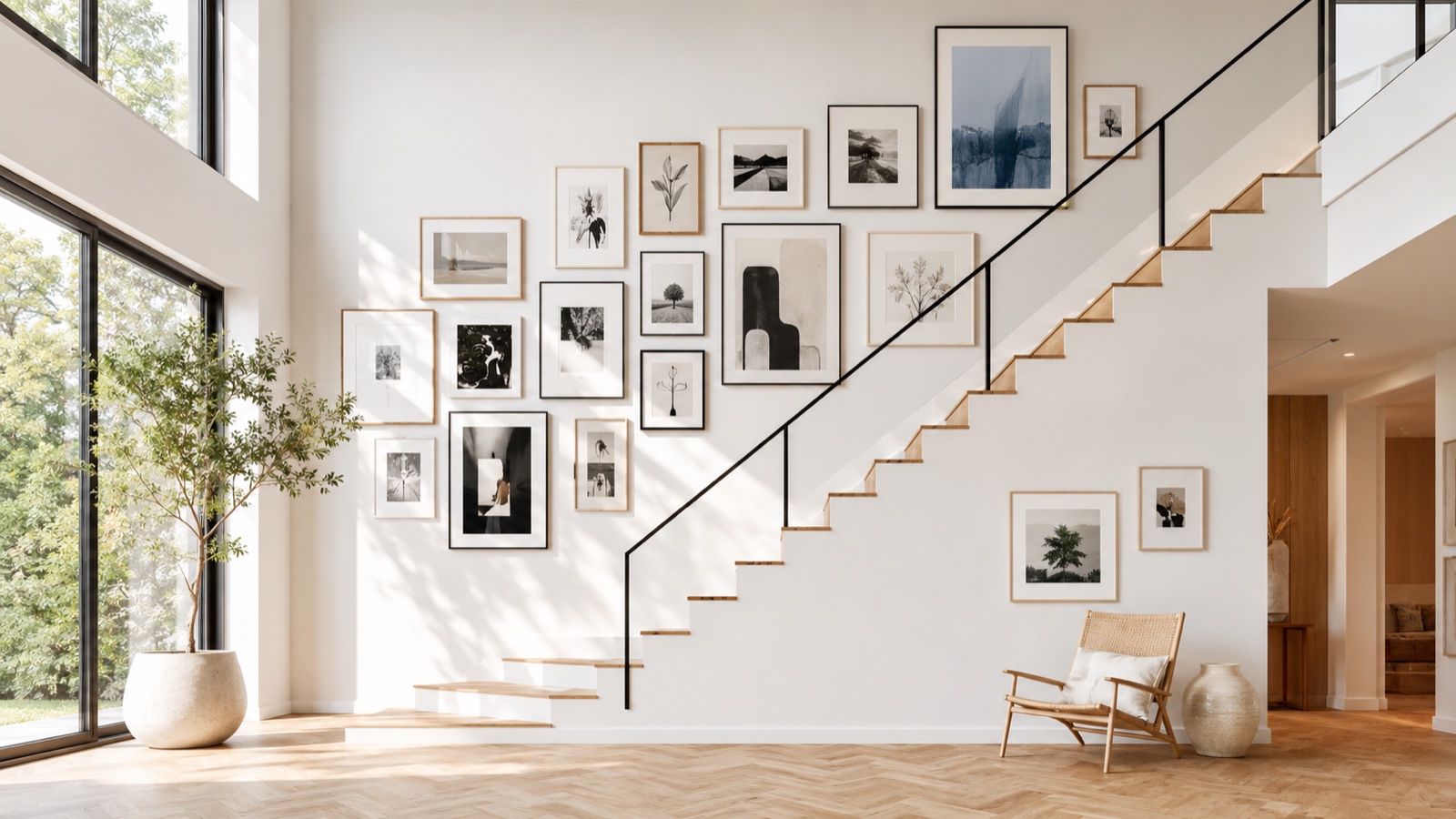
Repeat a diagonal line of similarly sized frames when the wall is long and the staircase already gives it a strong direction. Measure from corresponding points on the stair treads to establish a guide. Leave enough visual clearance at the handrail for the two lines to remain easy to read.
11. Black-and-White Photos on a White Stair

Monochrome photos can hold their own on a bright staircase without adding a new color scheme. Start with a few images that have good contrast, then use pale mats to give small pictures a little more room. Keep especially delicate originals out of strong direct sunlight.
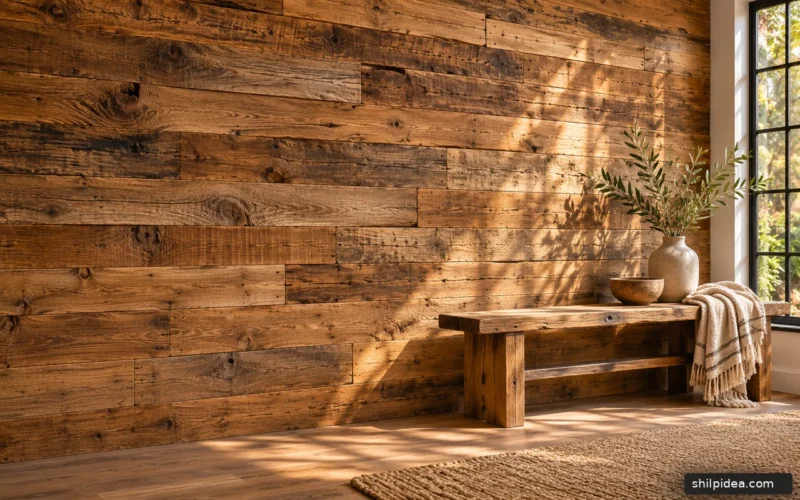
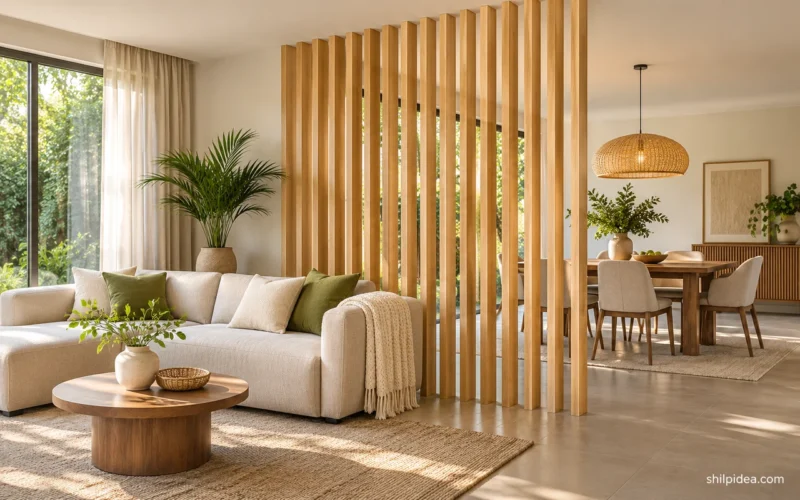
12. Full-Height Vertical Battens
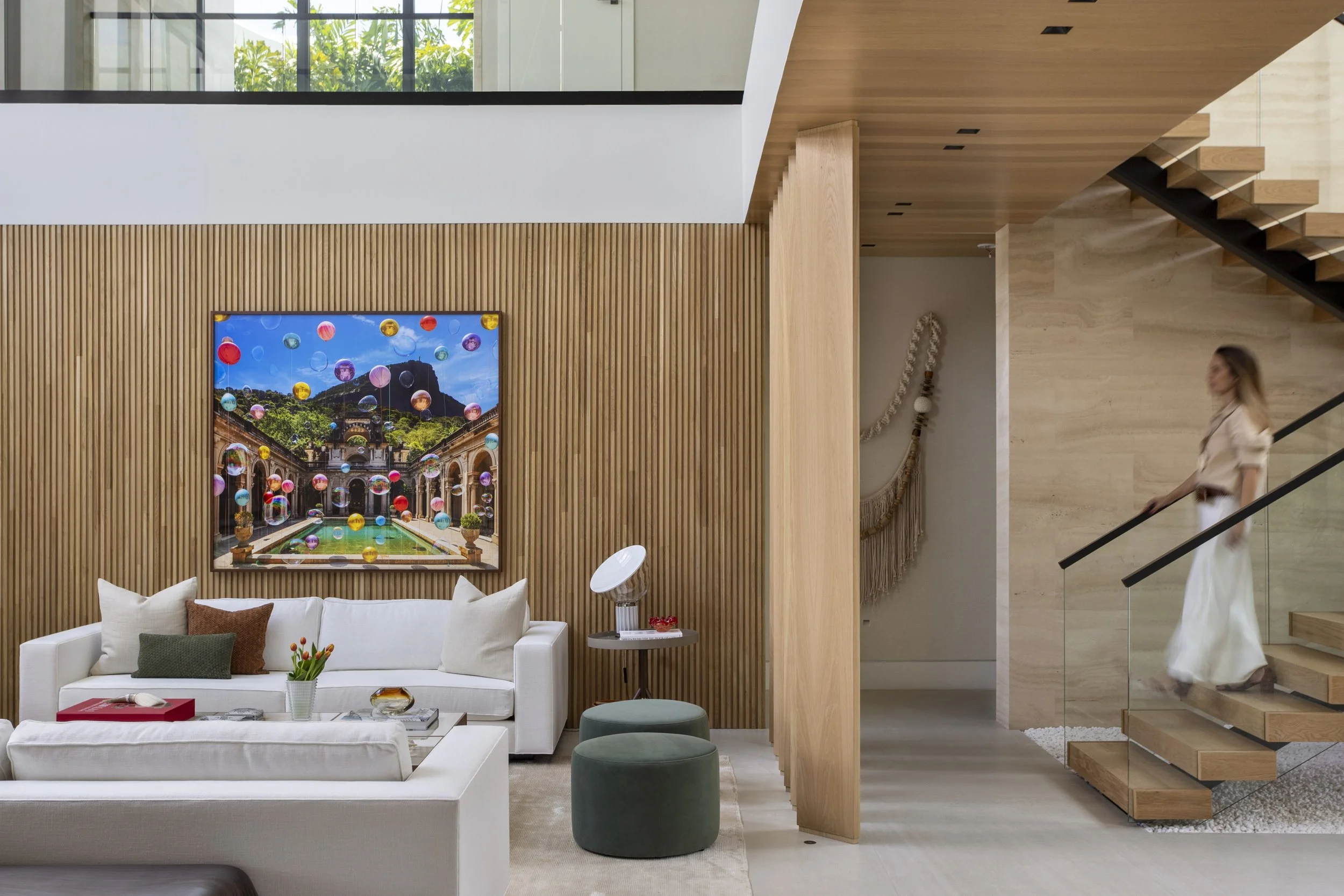
Repeating vertical wood lines lets an open wall add warmth without needing a large picture. Balance the strong height with wider shapes lower down, such as a sofa or bench. Tape out a short test run of the spacing and look at it in both daylight and evening light.
13. One Blue Artwork on a Wood Wall
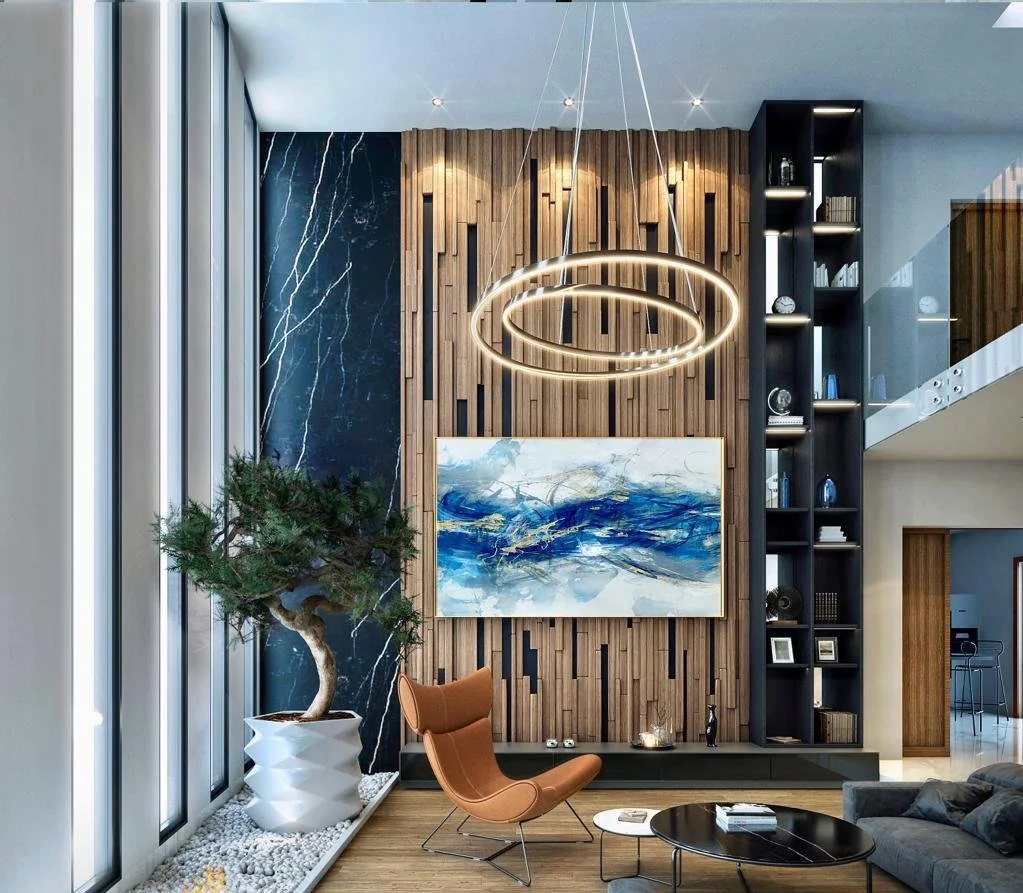
An abstract blue painting creates a clear center on a wall already rich in wood grain. Choose artwork that still reads against the texture, and check the contrast from a seated view. The feature works best when nearby shelving, frames and textiles allow that one color to lead.
14. A Bold Art Subject Above the Seating
A large artwork with a distinct subject can energize a tall wall with few competing details. Choose a scale that holds the wall from the far end of the room. Relate the lower edge to furniture so the art visually belongs to the seating area rather than floating far above it.
15. Shelving Across Two Levels
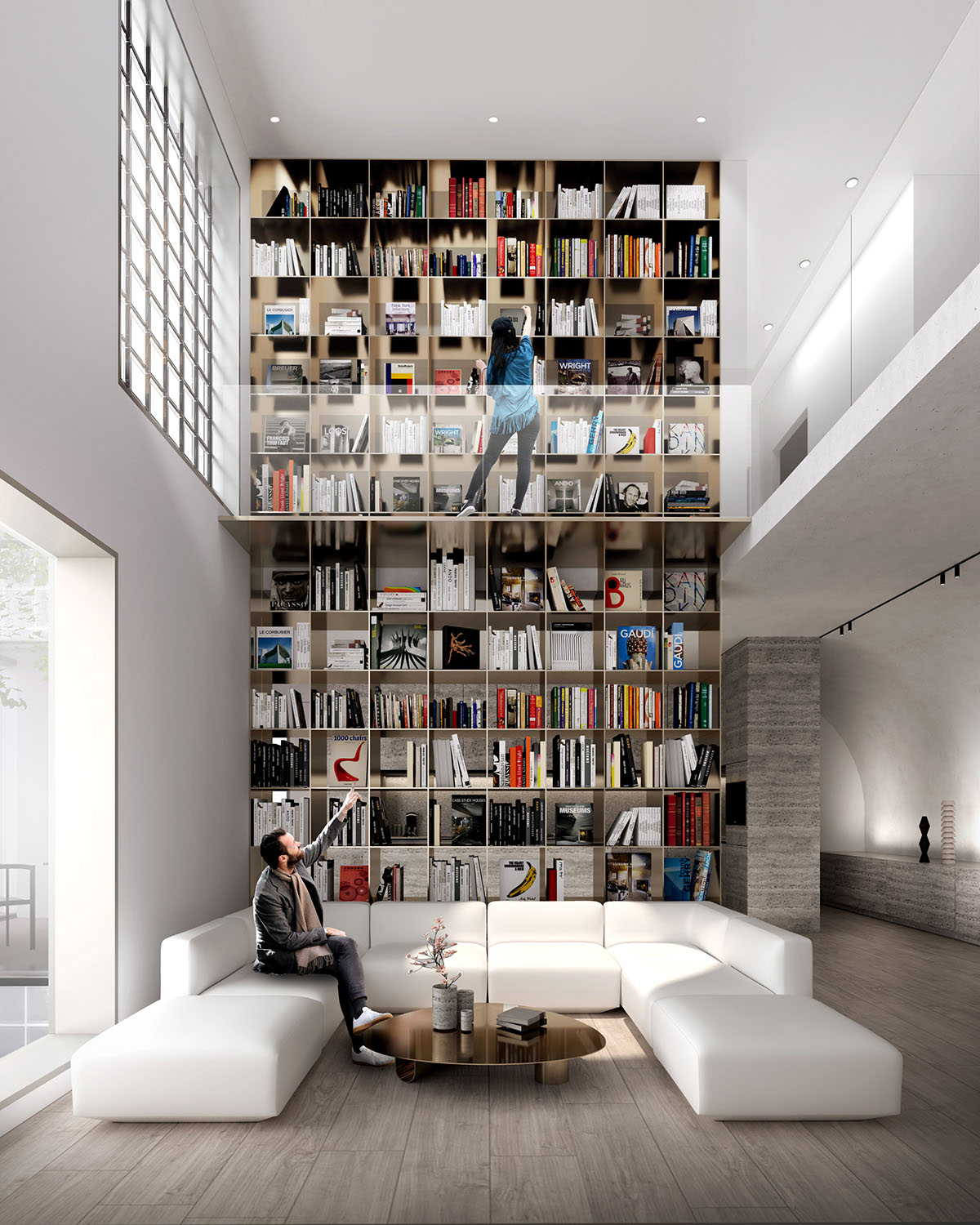
A two-story bookcase uses height as storage and display in a large room. Keep items you reach for often within ordinary reach, with lighter decorative pieces in higher areas. For a built-in at this scale, ask a professional to plan anchoring, load support and safe access.
16. Lit Shelves with Generous Gaps

A tall built-in can feel less dense when shelves alternate books with larger empty stretches and individual objects. Integrated lighting adds depth after sunset. Consider where wiring can be serviced, and mock up the color of the lighting so white shelves do not turn yellow or overly cool.
17. A Library Wall Beside Tall Windows
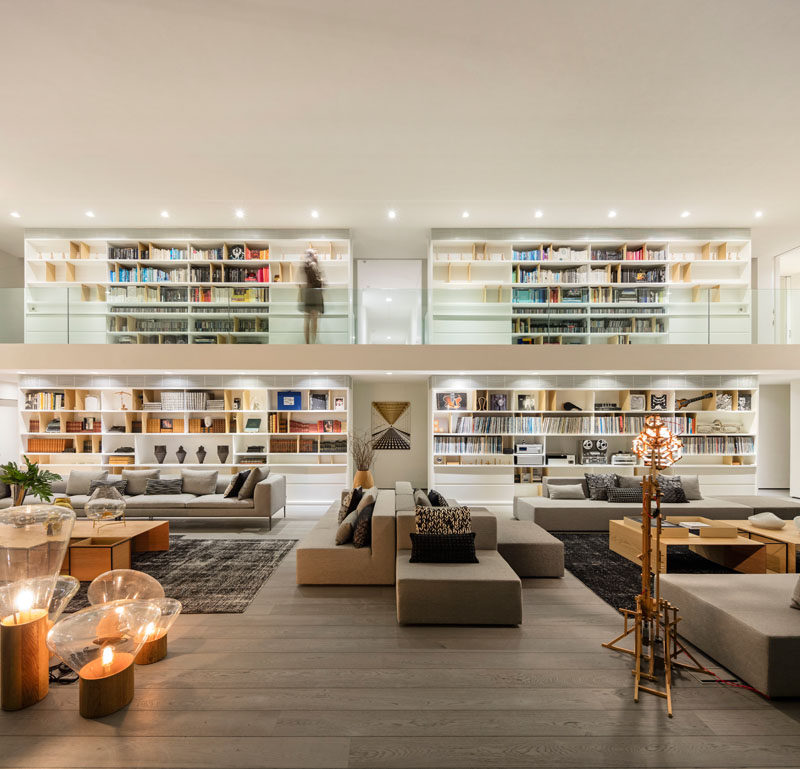
Books and collectibles can make a bright double-height room feel personal. Repeat a few colors or materials through the shelves, leaving gaps to keep the pattern legible. Reserve areas with direct sun for objects you are comfortable exposing, since prolonged light can fade paper and other materials.
18. A Tall Foyer with Low-Level Lighting

In an entry with marble or strong architecture, modest lighting at the stairs can bring attention to the whole wall without covering it in decor. Choose fixtures that avoid glare from the main approach and keep the wall simple. Have an electrician advise on permanent wiring and safe placement.
Plan Your Next Tall Wall Display
Before you fill a tall wall, decide where you want the eye to land when you walk into the room. Test a large canvas or a group of frames with paper templates before reaching for the drill. If the room already has striking windows or a patterned ceiling, use the ideas below to give each feature enough room to stand out.
- Plan a Gallery Wall Layout
- Arrange a Staircase Photo Wall
- Display Favorite Photos on Canvas
- Make Lightweight Cardboard Photo Frames
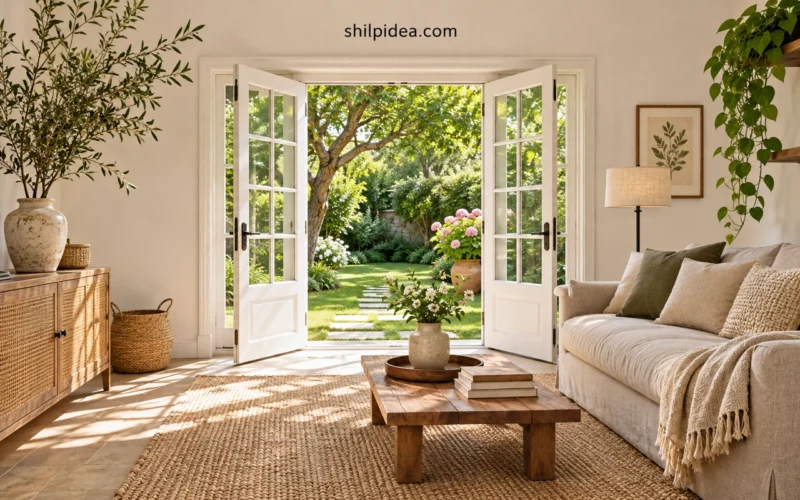
- Style Living Rooms with French Doors
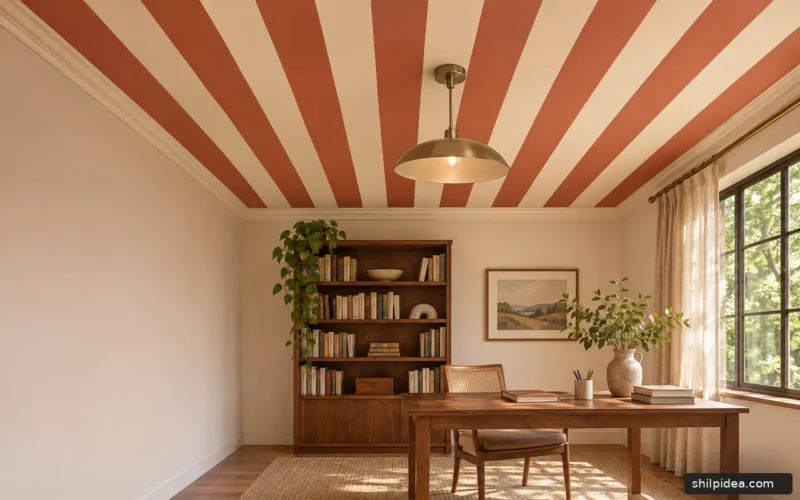
- Add Color with Striped Ceilings
Which wall in your home would you start with? Describe its shape in the comments and tell us whether you’d use one large piece or a group of frames. If you’ve hung artwork high before, share how you settled on the spacing.






















0 Comments