20 Cozy And Rustic Farmhouse Living Room Chairs You Should See
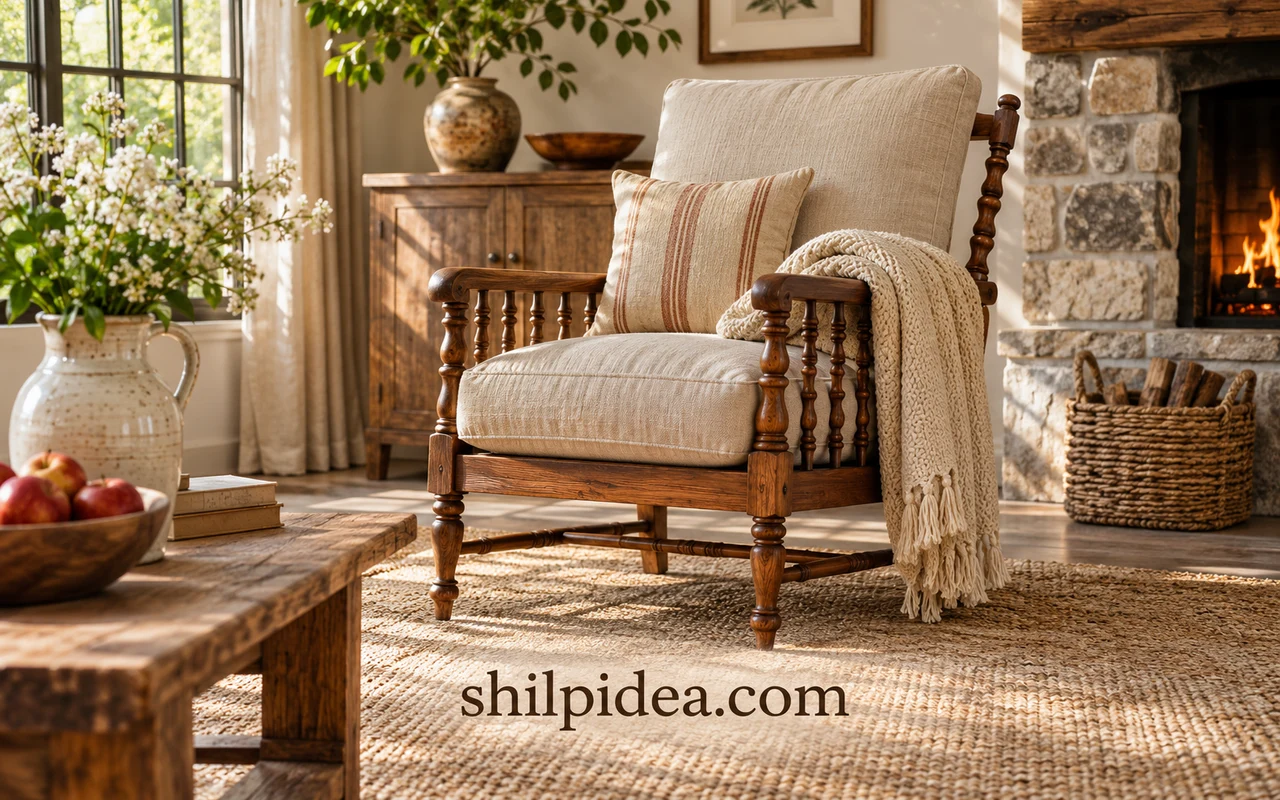
A farmhouse chair earns its place twice. It has to look right beside a worn table or a pale sofa, and it has to feel good when you settle in for longer than you planned.
In a small living room, the view through a chair back and the space beyond its arms can matter as much as the upholstery.
These examples borrow the warmth of hygge living rooms and show where stripes, checks, visible timber or one old rocker can carry the room.
1. Angle a Pair Toward Each Other

Two upholstered chairs can turn an empty stretch of wall into a place to talk. Start with their front legs roughly aligned, then angle the seats until the people in them can see each other comfortably.
Shilpidea tip: Pull up a small table and check that both people can reach it without leaning across an arm.
2. Let Warm Wood Frame the Seat

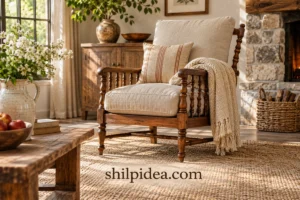
Exposed timber gives a generously cushioned chair a lighter outline. Repeat the wood tone once nearby, perhaps on the rim of a tray, and let the other finishes vary. An exact furniture set can make a collected room feel stiff.
Shilpidea tip: Look at the underside of the arms for a comfortable place to rest your hands.
3. Use a Tall Wingback as a Reading Nook

The side wings of a high-backed chair make a reading corner feel sheltered even in an open room. Keep the lamp just outside the wings so the shade throws light over your shoulder onto the book.
Shilpidea tip: Sit down with an open paperback before deciding on the lamp height.
4. Turn an Open-Back Chair Toward the Dining Area

In an open living room, a chair you can see through is useful where a living area meets a farmhouse table. It defines a stopping place without drawing a solid line across the room. Echo its darker frame in a picture frame or a table leg.
Shilpidea tip: Check the sightline from the doorway before putting a tall cushion against its back.
5. Frame the Fireplace With Low Seating
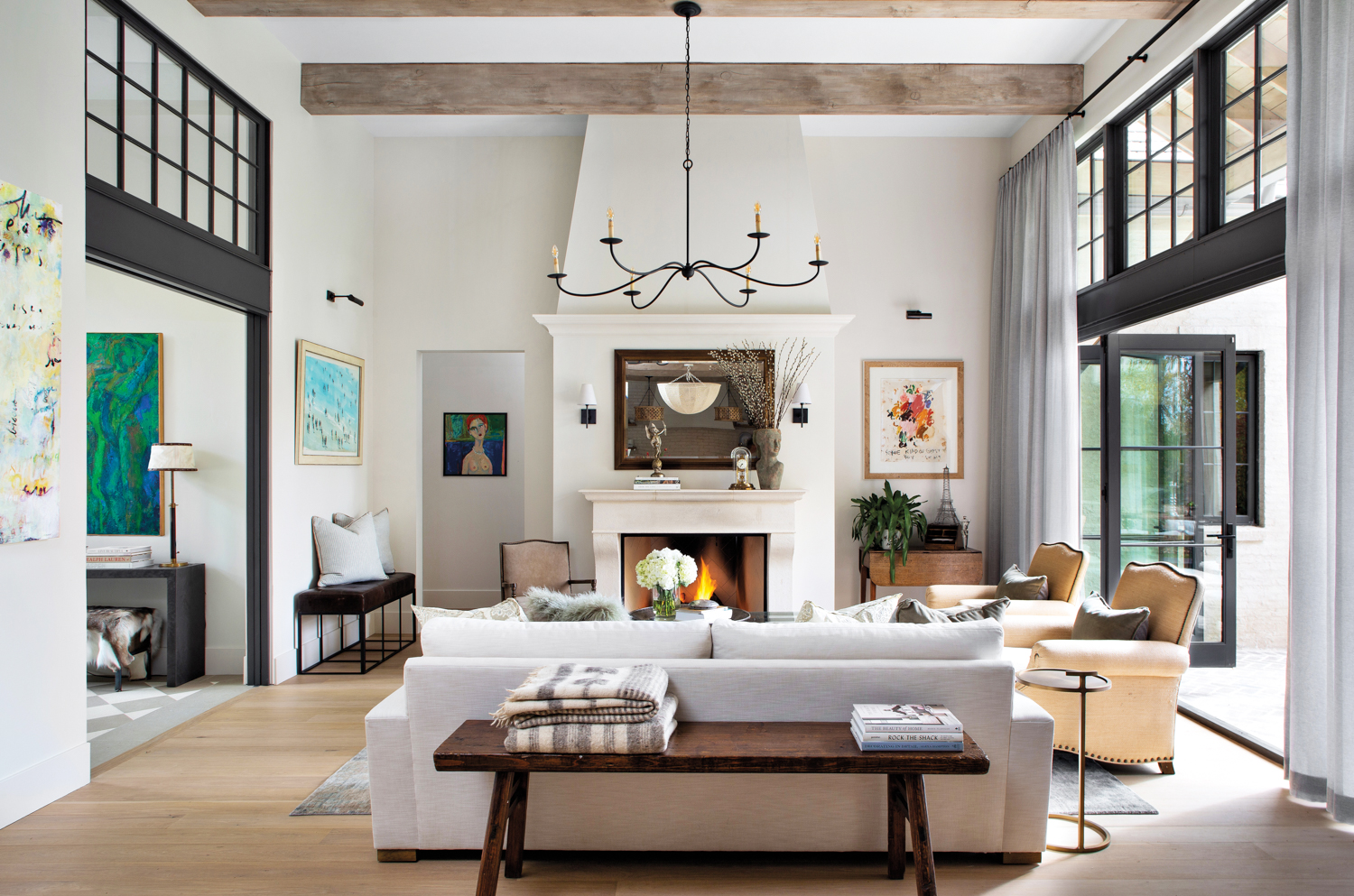
Keep the tallest part of a fireside chair below the detail you want people to notice on the mantel. Two low silhouettes leave the fireplace visible and give the conversation group a natural focus.
Shilpidea tip: Use the appliance manufacturer’s required clearances when you lay out the seats.
6. Bring Garden Green Into a White Room
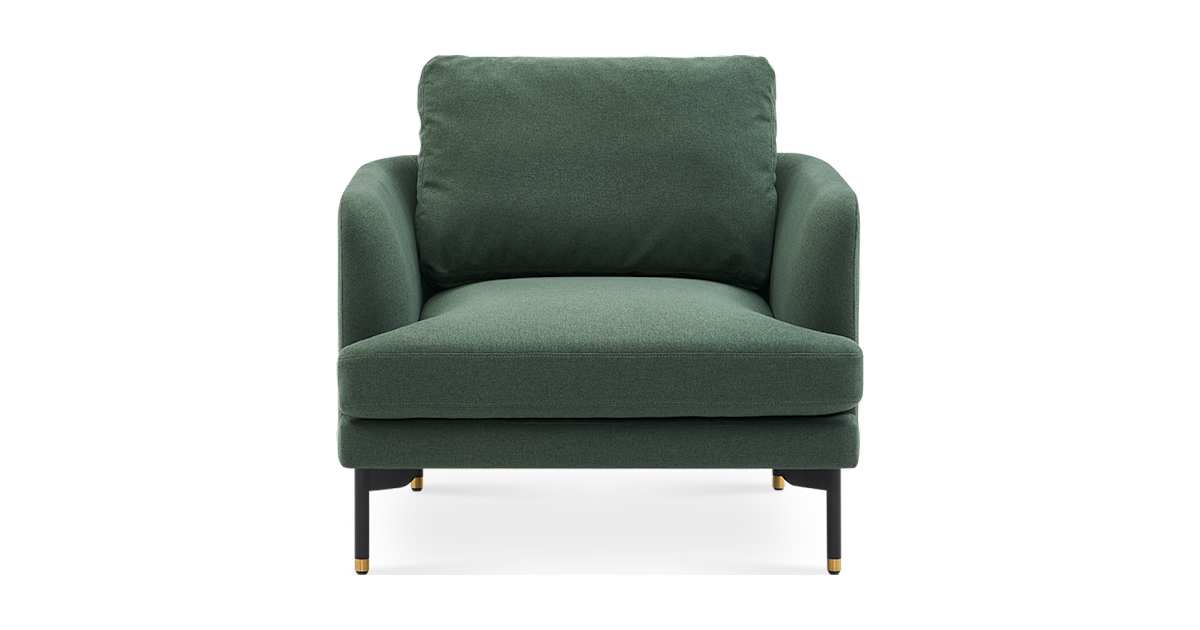
Muted green upholstery gives white walls a warmer companion and looks at home beside wood and woven textures. Repeat a little green in foliage or art, then give the seat a clear outline with a lighter rug beneath it.
Shilpidea tip: Look at a fabric swatch beside the actual wall in afternoon light.
7. Balance a Dark Leather Seat With Pale Walls
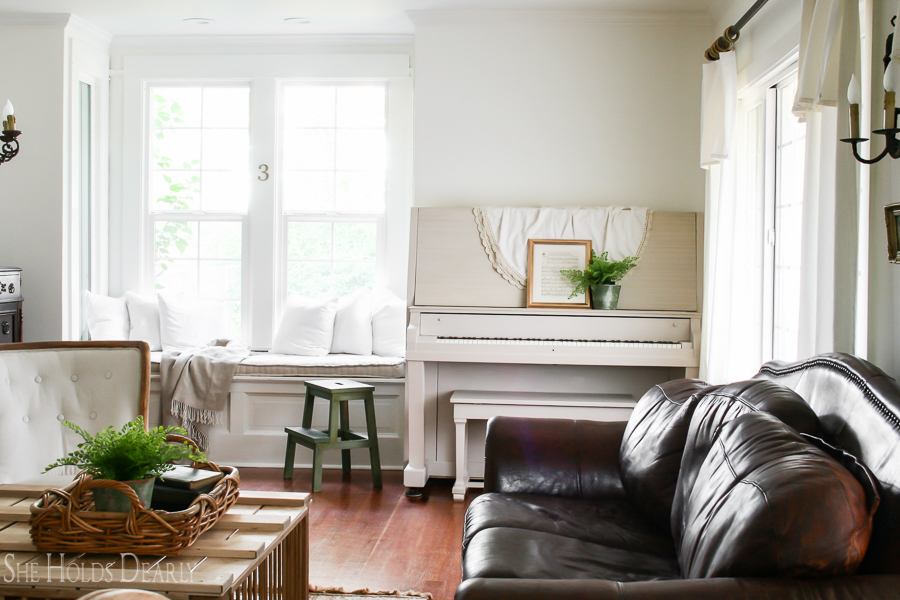
Dark leather gives an airy living room a visual anchor. As with sculptural coffee tables, keep nearby furniture legs visible so the corner still feels open, and use a small woven mat or linen cushion to break up the smooth surface.
Shilpidea tip: Choose a cushion with a textured back if smooth fabric keeps sliding off the leather.
8. Run Stripes Down a Restored Armchair
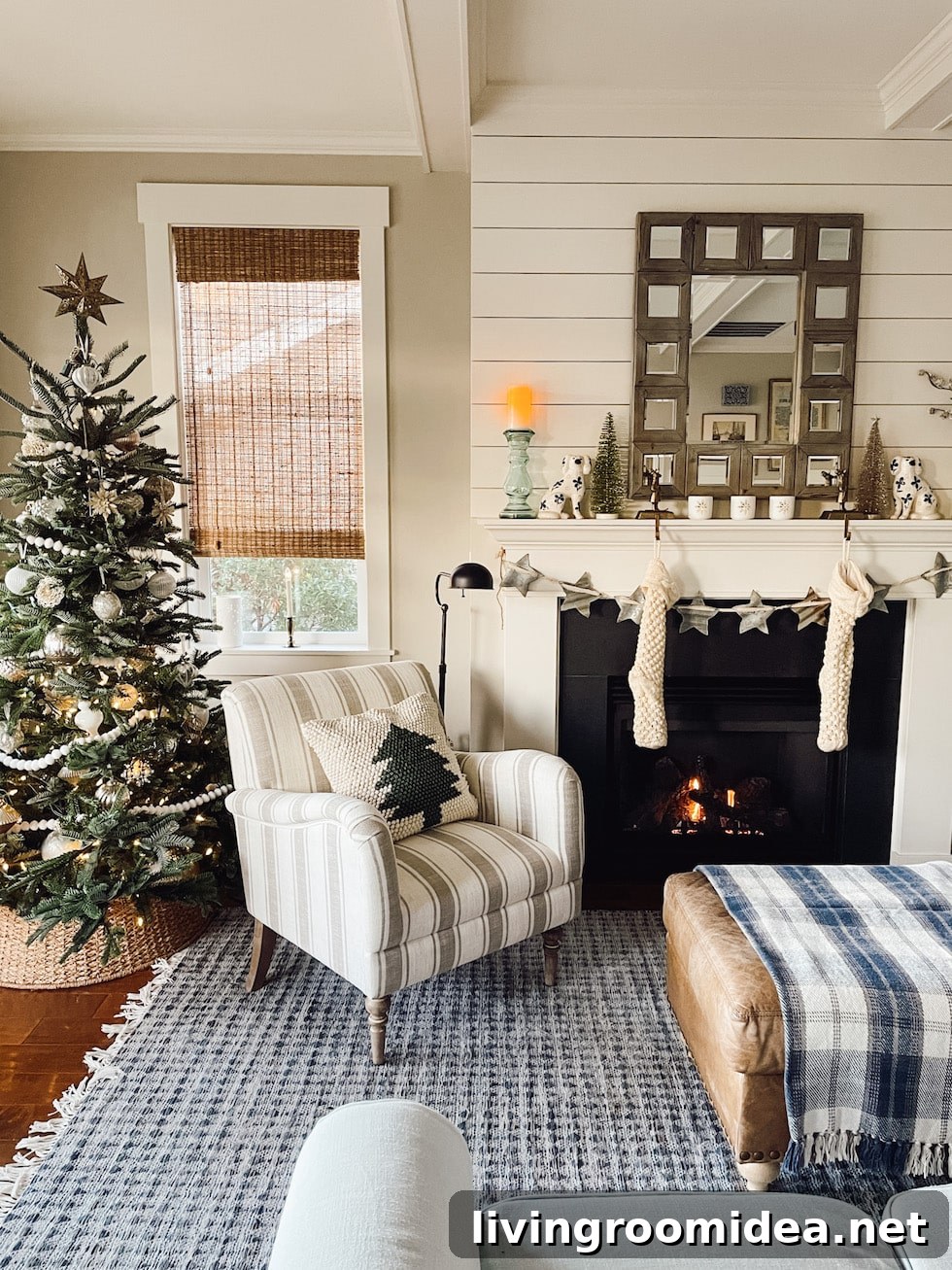
Stripes give an old frame a crisp shape and pull the eye along the seat. Put the most visible stripe down the center and check where the pattern meets the front rail before cutting upholstery fabric.
Shilpidea tip: Photograph the fabric laid loosely on the frame to spot a crooked stripe.
9. Place Buffalo Checks Beside a Window

A bold blue-and-white check has enough structure to stand up to bright window light. Keep adjacent patterns smaller so the chairs read as a pair. Solid cushions let the grid continue to be the main feature.
Shilpidea tip: View both chairs from across the room before deciding whether they need a throw.
10. Repeat a Narrow Stripe Across the Room
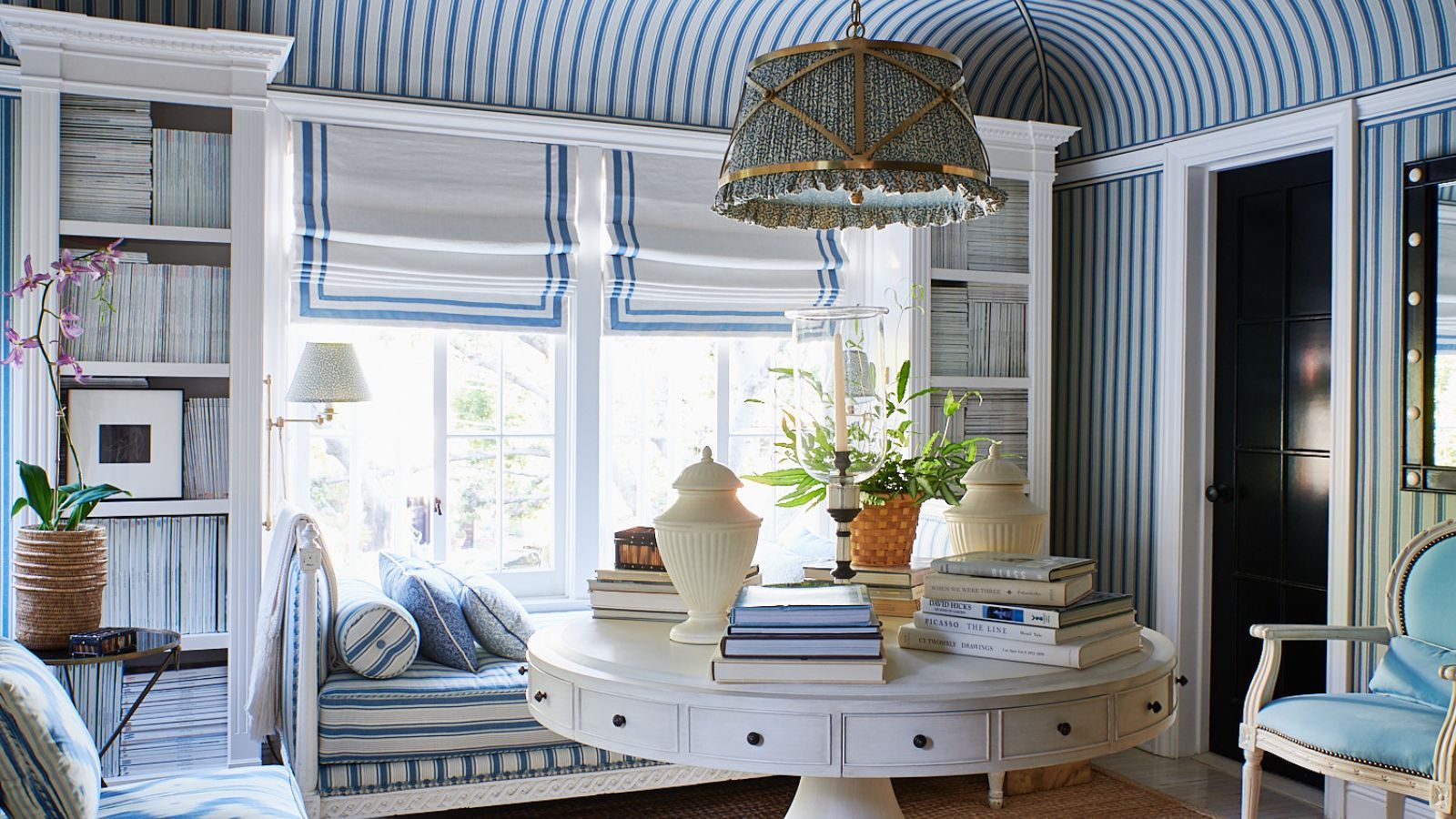
A narrow stripe reads almost like a solid from a distance, making it easy to bring into a room with patterned rugs. Pick up one stripe color in a smaller accessory across the room to carry the color through.
Shilpidea tip: Compare the stripe with the rug at normal sitting distance before mixing them.
11. Give a Parsons Chair a Printed Cover

An armless Parsons chair takes up little space beside a sofa and can move to the table when company arrives. A fitted printed cover brings a dressier note to a plain frame while keeping its straight profile visible.
Shilpidea tip: Check that the cover clears the floor when someone sits down.
12. Restore a Deep Chair for Long Reads
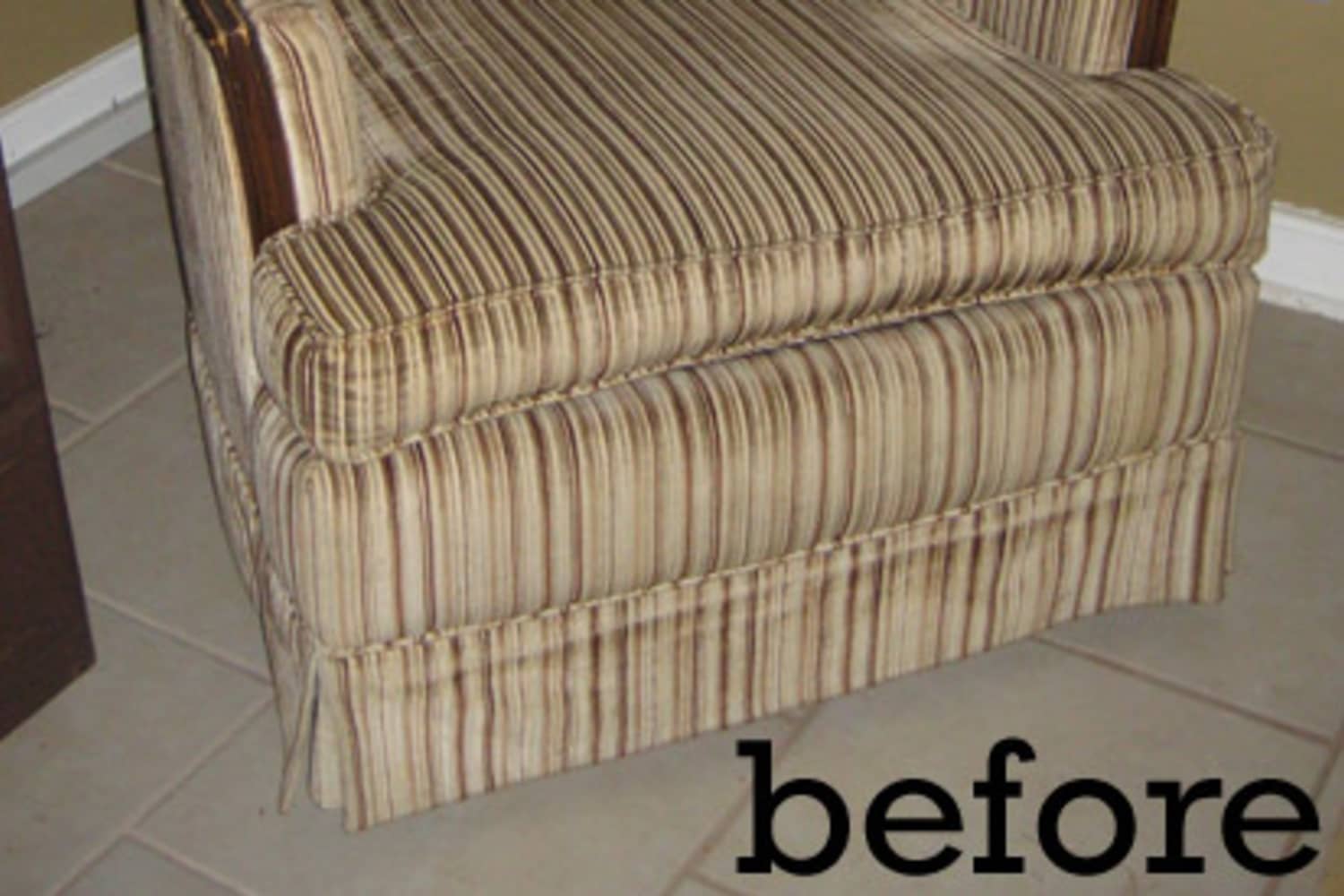
A roomy secondhand seat can be worth keeping for its generous proportions. Inspect the frame and support beneath the cushion before choosing new fabric. A pretty cover alone cannot correct a chair that tilts or sags.
Shilpidea tip: Take the seat measurement to the fabric shop along with a picture of the arms.
13. Soften a Boxy Chair With a Skirt

A floor-skimming slipcover gives a square armchair a softer outline. A small check helps the seams look intentional, especially around a straight arm. Give the skirt enough ease for someone to settle into the seat.
Shilpidea tip: Wash a test piece of fabric as you plan to wash the finished cover.
14. Leave the Carved Arms Showing

Exposed arms are often the best detail on a vintage chair. Keep the cushion low enough to show the carving and choose a simple fabric that makes the wood stand out. One loose pillow is usually plenty.
Shilpidea tip: Set the pillow aside if it pushes the sitter too close to the seat edge.
15. Use a Matched Pair of Fretwork Chairs

Two openwork chairs can flank a console when you need extra seats only occasionally. Their curved backs read as decorative objects between visits. Repeat the seat fabric so the pair looks deliberate even against a busy wall.
Shilpidea tip: Leave space between the chairs and console for a hand to pull each chair out.
16. Make Room for a Rocker’s Full Swing
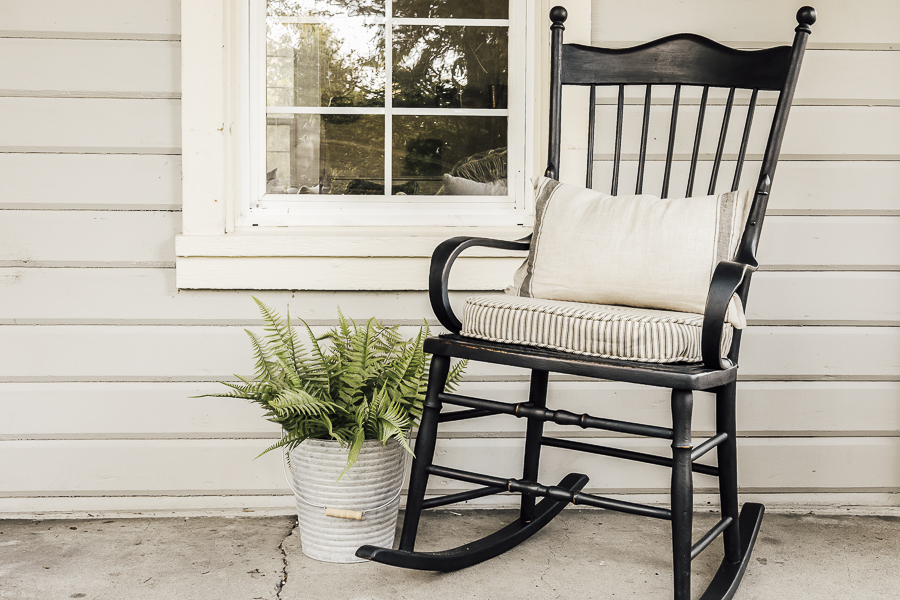
A rocker brings movement into a room full of fixed furniture. Try it on the intended floor surface and allow room behind the headrest as well as beneath the runners. Keep its side table beyond the arc.
Shilpidea tip: Have someone watch the rear clearance while you rock through the complete motion.
17. Make the Inside Back the Accent
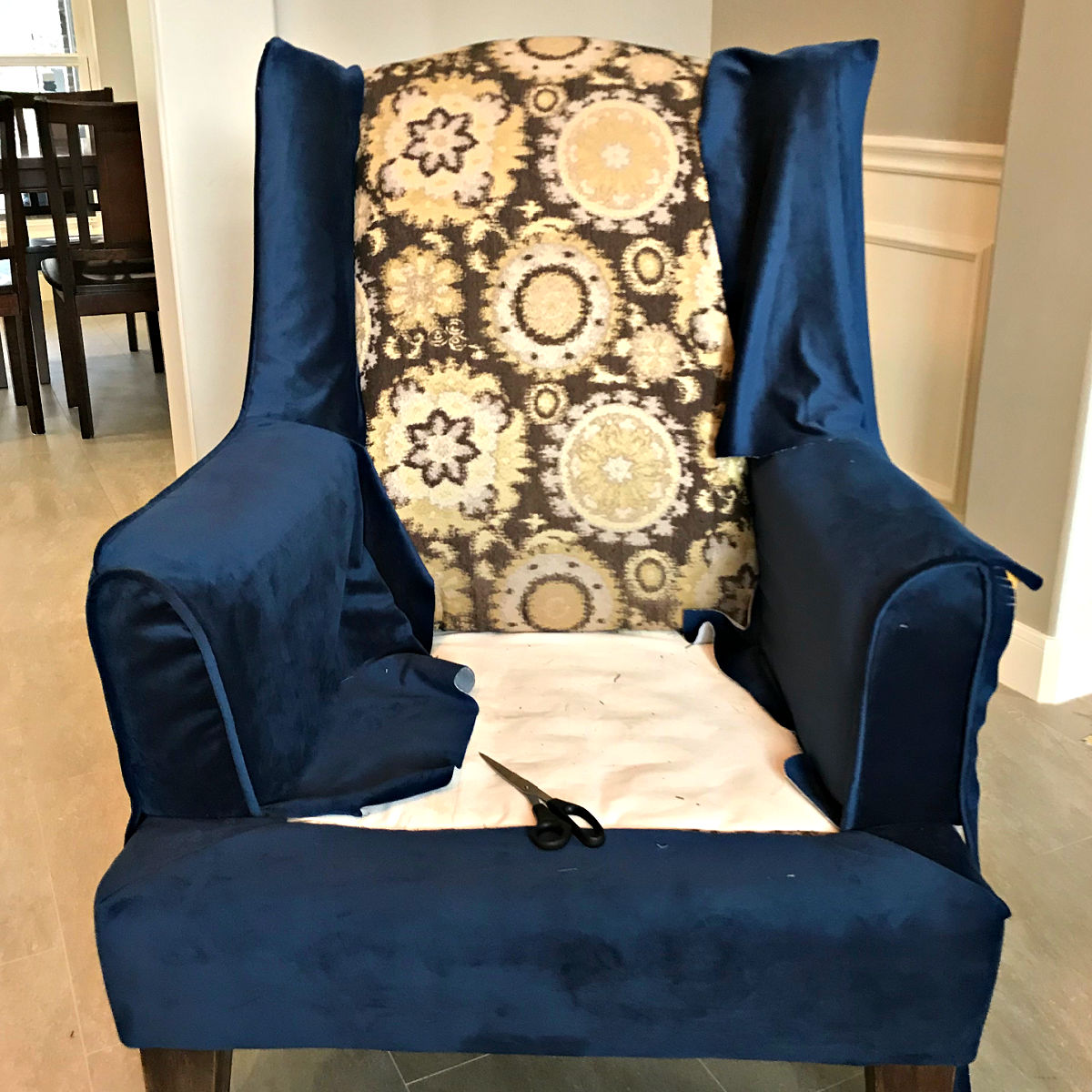
A patterned center panel can give a wingback a focal point while plain wings keep the shape readable. Use one upholstery color that also appears in the pattern, then carry it onto the seat cushion.
Shilpidea tip: Center a recognizable motif before you decide where a pattern repeat can be cut.
18. Add Cane for an Airier Corner

A cane panel breaks up a solid wooden frame and lets light through a small chair. Place it where the open weave can be seen from the side. A plain cushion allows the pattern of the cane to do the work.
Shilpidea tip: Check the weave for broken strands before using a vintage chair regularly.
19. Let One Antique Chair Carry the Pattern

A single richly patterned chair can take the place of several small accessories. Alongside an indoor olive tree, give the frame breathing room and repeat one muted color in the background. The rest of the furniture can stay quiet without feeling disconnected.
Shilpidea tip: Move a busy tablecloth away from the seat to see whether that improves the view.
20. Finish With a Straight-Sided Farmhouse Club Chair
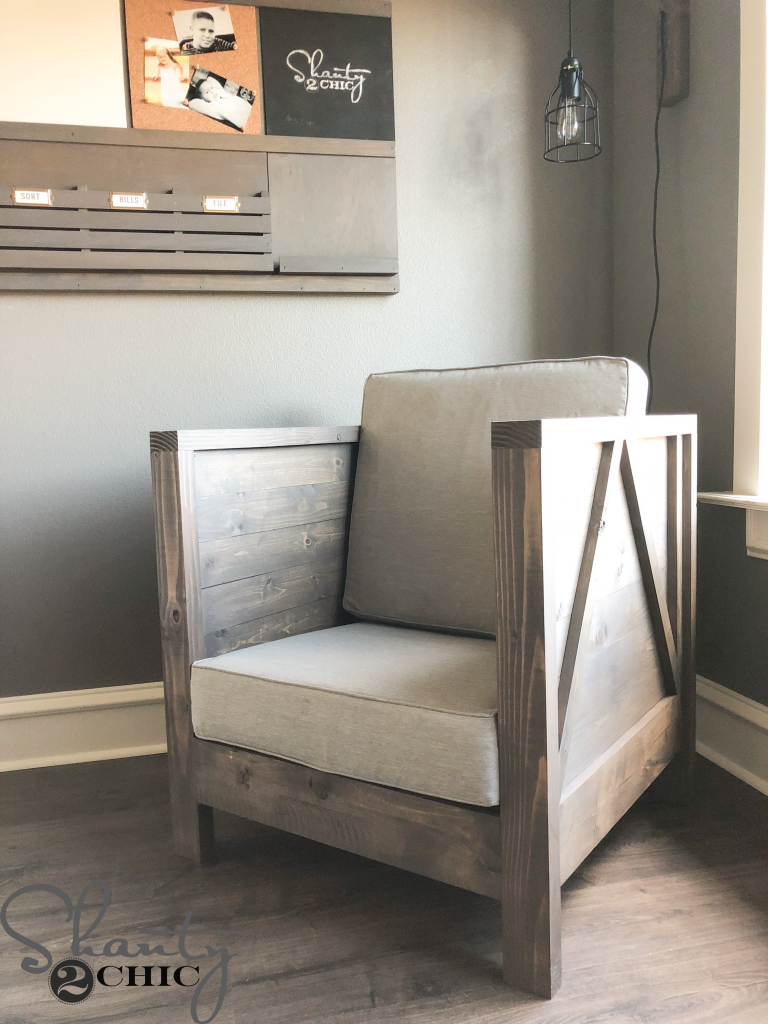
A boxy club chair gives a loose farmhouse arrangement a firm edge. Place its open side toward the conversation group and check that the arm height works with the nearby table. A firm cushion keeps the outline crisp.
Shilpidea tip: Mark the footprint with paper before buying timber or moving a chair into a narrow corner.
Choose Your Chair From the Seat Outward
Start with the job the chair will do most often. Take a book to a reading chair, set a cup beside a conversation seat, or rock gently where you want a rocker to stand. Once the height and clearance feel right, the fabric decision gets much easier. The rooms below offer different ways to finish the space around it.
- Pallet TV Stands for Living Rooms
- Forest-Inspired Rooms With Natural Textures
- Indoor Olive Trees for Living Rooms
- Sculptural Coffee Tables for Living Rooms
- Living Rooms With French Doors
Which chair would you pull up next to your own sofa? Tell us in the comments what you love about its shape or fabric, and where you would put a lamp or a small table.











0 Comments